How to Evaluate Pressotherapy Machine Value vs. European and American Brands?
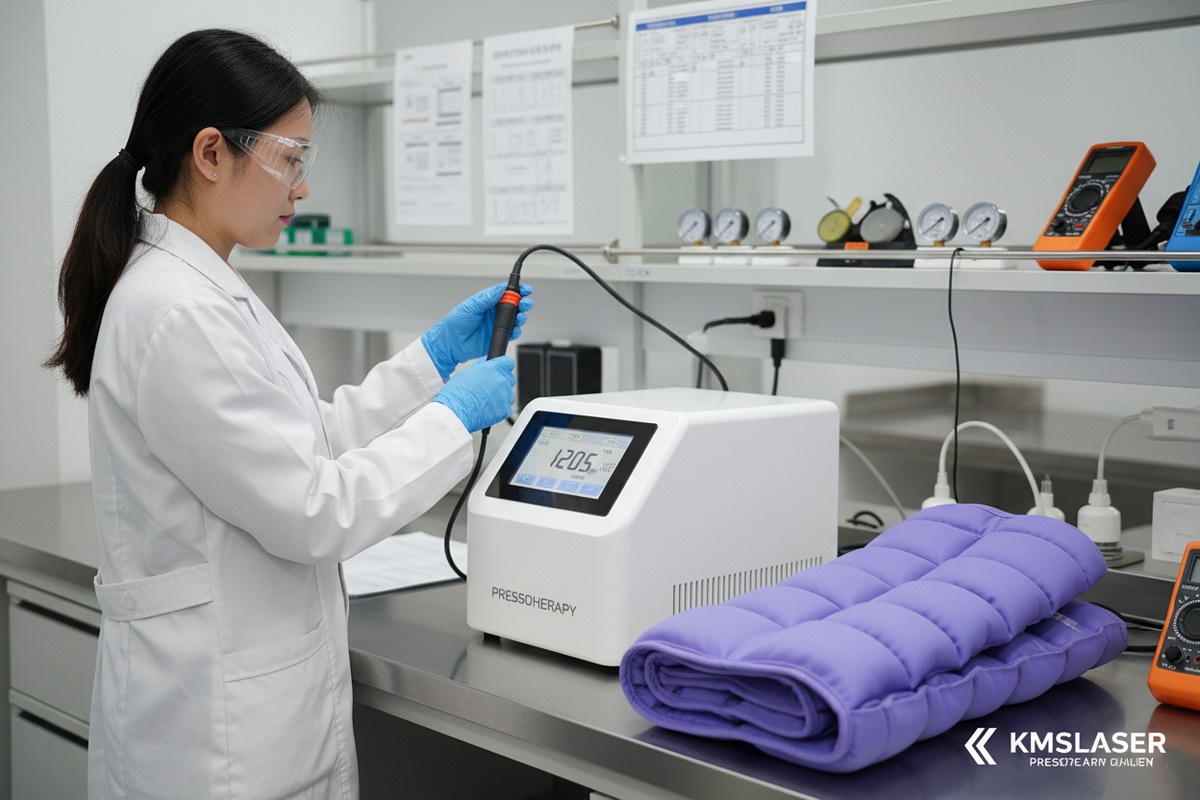
To evaluate value effectively, you must look beyond the brand logo and focus on three core technical metrics: maximum pressure stability (typically 0.25 bar)…

To evaluate value effectively, you must look beyond the brand logo and focus on three core technical metrics: maximum pressure stability (typically 0.25 bar)…

To ensure pressotherapy machines meet ANVISA standards, importers must verify that the Chinese manufacturer holds a valid Good Manufacturing Practices (GMP) …

The most effective method is to request the standardized 6-digit international HS code 9019.10 from your supplier, then cross-reference it with the specific …

To evaluate pressotherapy modes for lactic acid clearance, prioritize machines offering a sequential, distal-to-proximal inflation pattern with overlapping c…

To negotiate marketing support effectively, you must treat digital assets and training tools as essential deliverables within your purchasing contract. Reque…

Managing quality standard differences requires mapping local regulations like FDA or CE against Chinese GB standards early in the negotiation. You must expli…

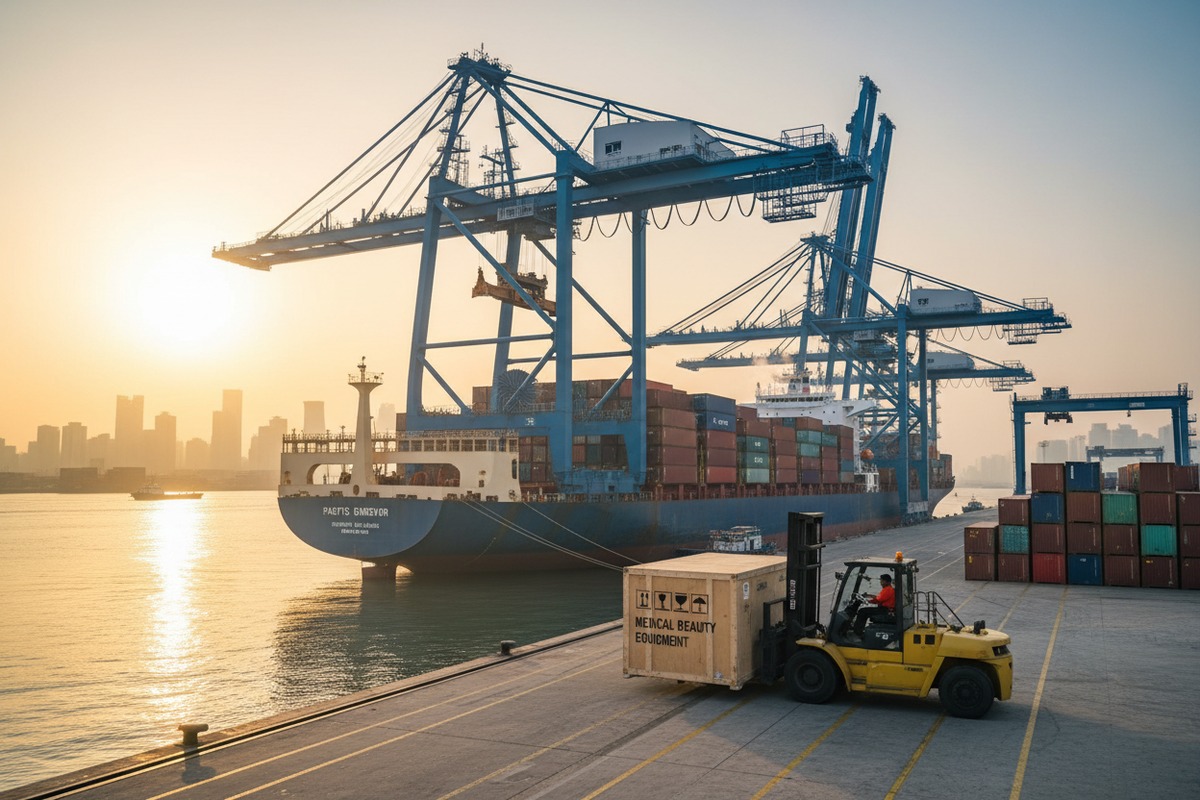
To shorten transit for pressotherapy machines, prioritize direct routes from Shanghai or Shenzhen to major South American hubs like Santos or Callao. This st…

TPU-coated nylon offers superior durability and hygiene compared to plain nylon, withstanding over 10,000 compression cycles without leakage. While pure nylo…

Marine insurance rates for pressotherapy machines from China typically range from 0.5% to 2% of the total insured value. Premiums depend on the shipping rout…

Air pump power directly dictates inflation speed by establishing the volume of air delivered per minute (L/min). A robust pump system with high airflow capab…

South American customs prohibitions for pressotherapy machines primarily target non-compliant medical devices, used equipment, and shipments lacking local he…

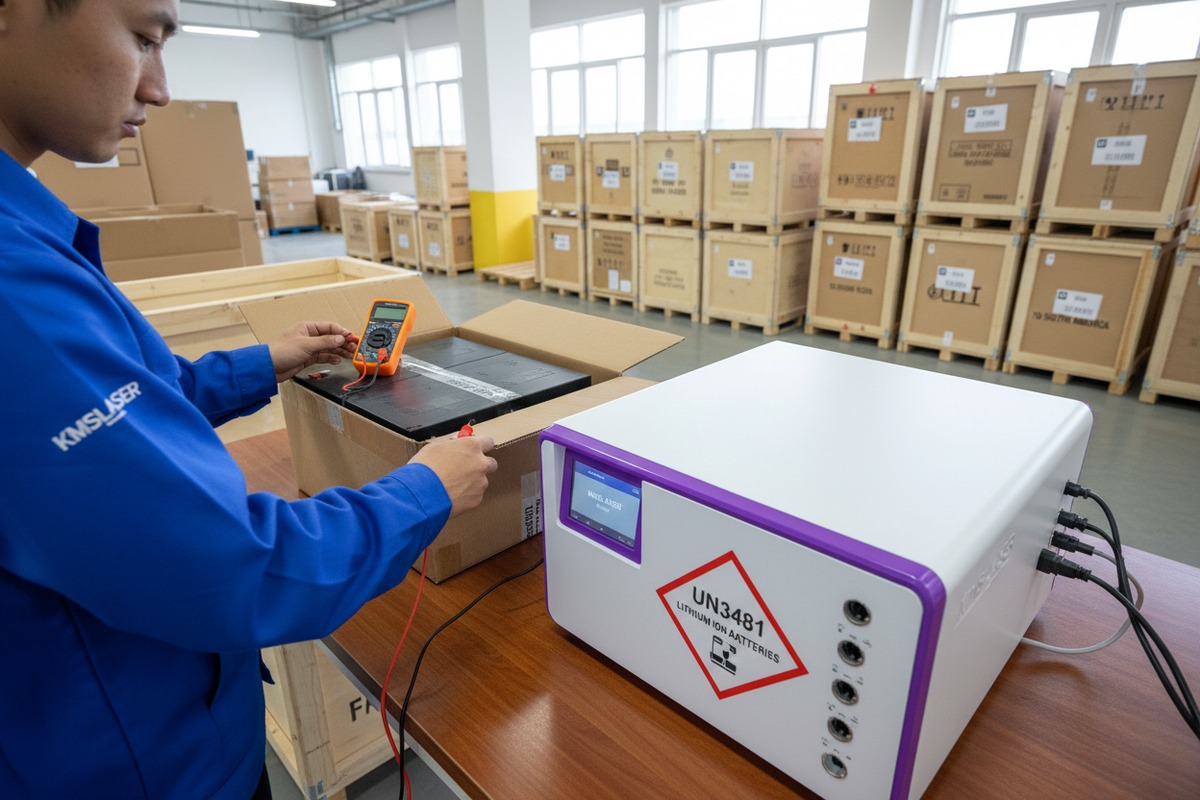
Shipping pressotherapy machines to South America requires compliance with IATA (air) or IMDG (sea) standards, specifically classifying batteries under UN3481…