

When our engineering team designs shockwave therapy equipment, we constantly hear the same concern from clinic owners: “How long will this machine last before the casing starts to corrode?” It’s a valid worry. Medical-grade disinfectants are harsh. Daily cleaning routines put constant stress on surfaces salt spray testing 1. And a machine that looks worn after six months damages your brand reputation.
To evaluate shockwave therapy machine casing effectively, you should examine material composition, verify corrosion testing certifications like ASTM B117 salt spray tests, check for modular disassembly features, and confirm compatibility with common medical disinfectants. Look for smooth, non-porous surfaces and replaceable seals that extend service life.
In this guide, we’ll walk through the exact criteria our quality control team uses when testing casing materials hydrogen peroxide 2. You’ll learn what questions to ask suppliers and how to spot design features that separate professional-grade equipment from budget alternatives.
How can I verify that the casing materials will resist corrosion from medical-grade disinfectants?
Our lab runs compatibility tests every time we introduce a new disinfectant to our testing protocol biocompatibility 3. The results often surprise even experienced engineers. Some materials that seem durable fail within weeks of exposure to certain chlorine-based cleaners.
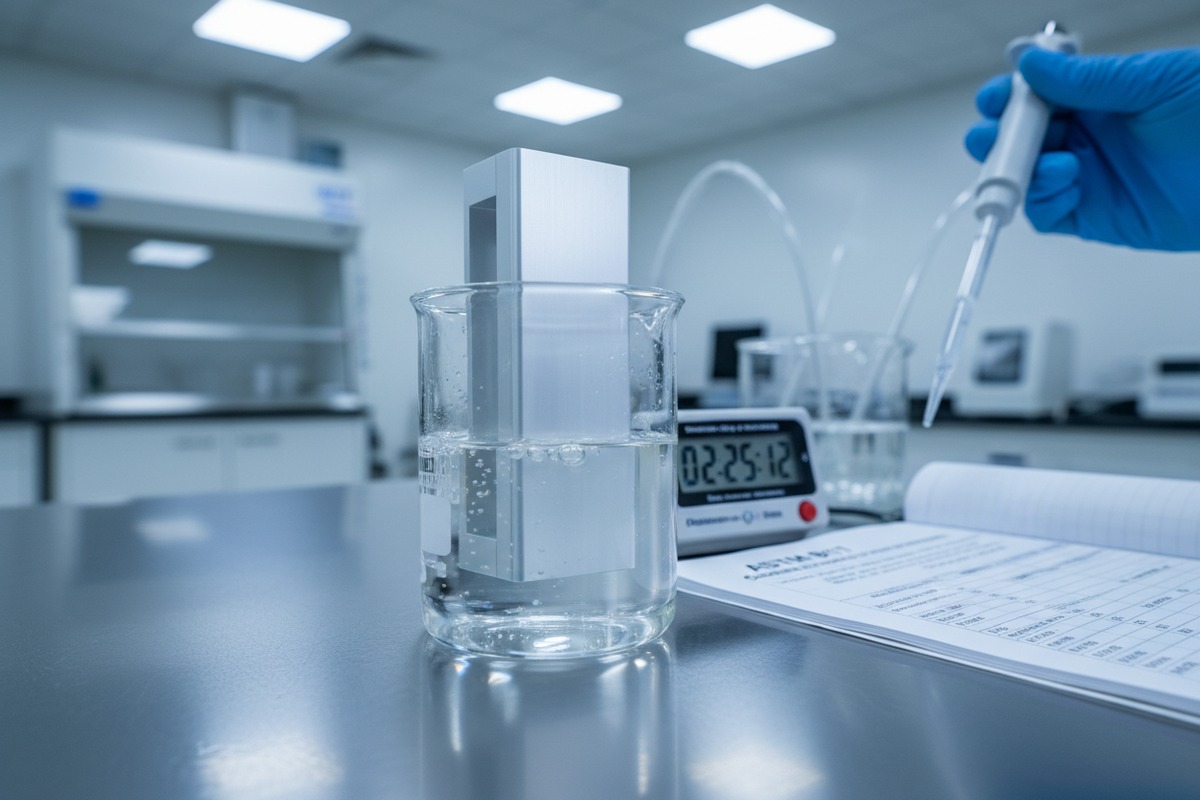
To verify corrosion resistance, request documentation of salt spray testing (ASTM B117 standard), chemical immersion test results for common disinfectants like quaternary ammonium and hydrogen peroxide, and material certifications showing biocompatibility per ISO 10993. Manufacturers should provide specific exposure duration data.
Understanding Material Options
The casing material you choose determines everything. Medical device casings typically use three main categories: metals, polymers, and composites. Each has distinct advantages and weaknesses when facing disinfectant exposure.
Aluminum remains popular because of its lightweight properties. Our production line uses anodized aluminum 4 for many applicator housings. The anodizing process creates a protective oxide layer 5 that resists oxidation. However, raw aluminum corrodes quickly in humid environments. Always ask whether the aluminum has been treated and with what process.
Stainless steel offers superior corrosion resistance 6 but adds weight and cost. Grade 316L stainless steel performs well against most medical disinfectants. It's often used in high-contact areas like handpiece connections.
Medical-grade plastics such as PC, ABS, and PC/ABS blends provide good chemical resistance 7 at lower cost. They don't corrode in the traditional sense but can crack, discolor, or become brittle with repeated disinfectant exposure.
Key Tests You Should Request
| Test Type | Standard | What It Measures | Minimum Acceptable Result |
|---|---|---|---|
| Salt Spray Test | ASTM B117 | Corrosion resistance to saline environments | 500+ hours without visible corrosion |
| Chemical Immersion | ASTM D543 | Resistance to specific chemicals | No degradation after 72-hour immersion |
| Cyclic Potentiodynamic Polarization | ASTM G61 | Electrochemical corrosion behavior | Low passive current density |
| Humidity Aging | IEC 60068-2-78 | Long-term moisture resistance | No structural changes after 1000 hours |
Disinfectant Compatibility Matrix
Not all disinfectants interact the same way with all materials. When we test new casing designs, we expose samples to the most common clinic disinfectants and record any changes.
| Disinfectant Type | Aluminum (Anodized) | Stainless Steel 316L | PC/ABS Plastic |
|---|---|---|---|
| Quaternary Ammonium 8 | Good | Excellent | Excellent |
| Hydrogen Peroxide (3%) | Good | Excellent | Good |
| Sodium Hypochlorite | Fair | Good | Fair |
| Isopropyl Alcohol | Excellent | Excellent | Good |
| Phenolic Compounds | Fair | Good | Poor |
Ask your supplier for specific compatibility documentation. If they cannot provide testing data for common disinfectants, consider it a red flag.
What design features should I look for to ensure my customers can easily clean the machine between treatments?
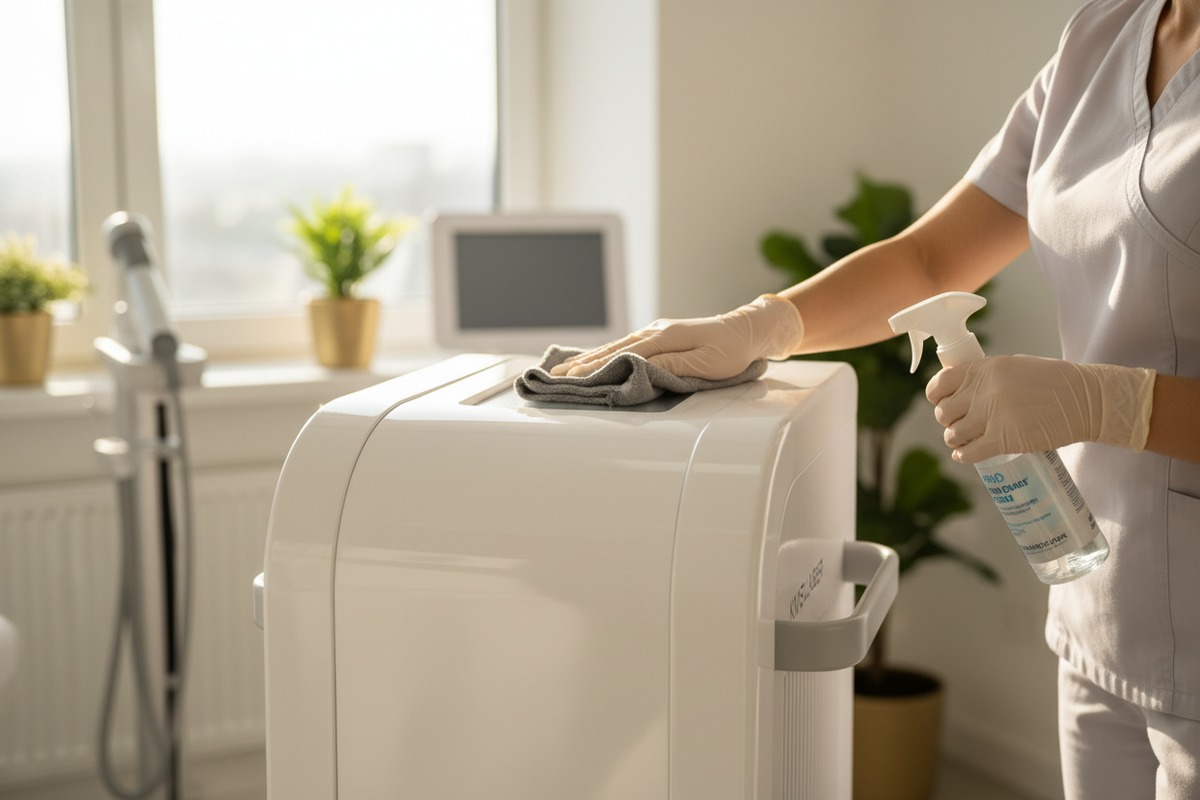
During a recent factory visit from a US distributor, they pointed out something important. Their clinic customers spent an average of twelve minutes cleaning each machine between patients. Poor casing design was the culprit. Hidden crevices trapped gel. Complex shapes made wiping difficult.
Look for smooth non-porous surfaces, modular components that disassemble without tools, sealed buttons and displays, rounded edges without sharp corners, and replaceable O-rings and seals. The best designs feature flush-mounted controls and minimize gaps where contaminants accumulate.
The Modular Design Advantage
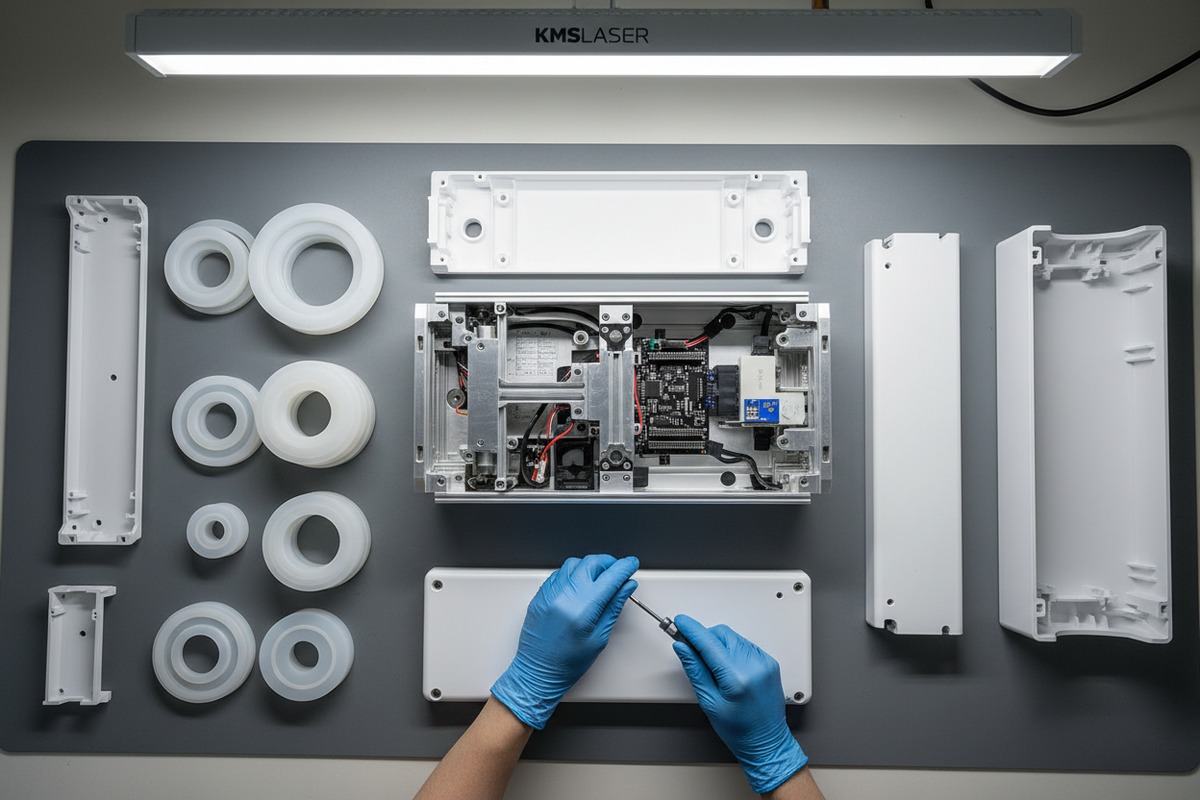
Our engineers learned an important lesson years ago. Integrated designs look sleek but create cleaning nightmares. Modular designs allow staff to separate components, access hidden surfaces, and replace worn parts individually.
The best shockwave therapy machines feature handpieces that detach completely from the main unit. Shock transmitters should unscrew from applicators. Internal seals should be replaceable without factory service.
Consider the BTL-6000 approach as an industry example. Their design includes transmitters that users remove from applicators, and O-rings are considered standard replacement items. This philosophy treats maintenance as a normal user task, not an exceptional repair event.
Surface Geometry Principles
Every groove, seam, and corner creates a potential contamination trap. When evaluating casing design, examine these specific areas:
Control panels: Are buttons flush with the surface or raised? Raised buttons with gaps collect liquid and debris. Flush-mounted touch panels are easier to wipe clean.
Ventilation openings: Are they positioned where cleaning spray or splatter might enter? Some designs place vents on the bottom or back surface to reduce contamination risk.
Handpiece connections: Is the junction between handpiece and cable smooth? Ribbed or textured connections trap gel residue.
Display screens: Are edges sealed against liquid ingress? Unsealed displays eventually fail from moisture damage.
Cleaning Accessibility Checklist
When evaluating any shockwave machine, use this systematic approach:
| Component | Feature to Check | Why It Matters |
|---|---|---|
| Main Unit | Smooth top surface, sealed buttons | Prevents liquid pooling, allows quick wipe-down |
| Handpiece | Detachable head, replaceable seals | Enables thorough cleaning of high-contact surfaces |
| Transmitters | Removable without tools | Allows cleaning behind components |
| Cable Connections | Smooth junction points | Prevents gel accumulation |
| Control Panel | Flush or membrane switches | Eliminates crevices around buttons |
| Vents | Covered or positioned away from splash zones | Protects internal components |
The Role of Replaceable Seals
O-rings and seals are wear items. They compress over time. They absorb cleaning chemicals. They eventually fail. A well-designed machine acknowledges this reality and makes seal replacement simple.
Our standard maintenance kits include replacement O-rings for this reason. Clinics that replace seals annually experience significantly fewer contamination-related issues than those who ignore these components.
Can I customize the casing finish to maintain a high-end look while meeting my durability requirements?
A European brand owner once told our design team that her customers chose equipment partially based on aesthetics. The machine sits in view of patients. A scratched, dull surface suggests poor quality care. She needed a finish that stayed pristine through years of daily use.
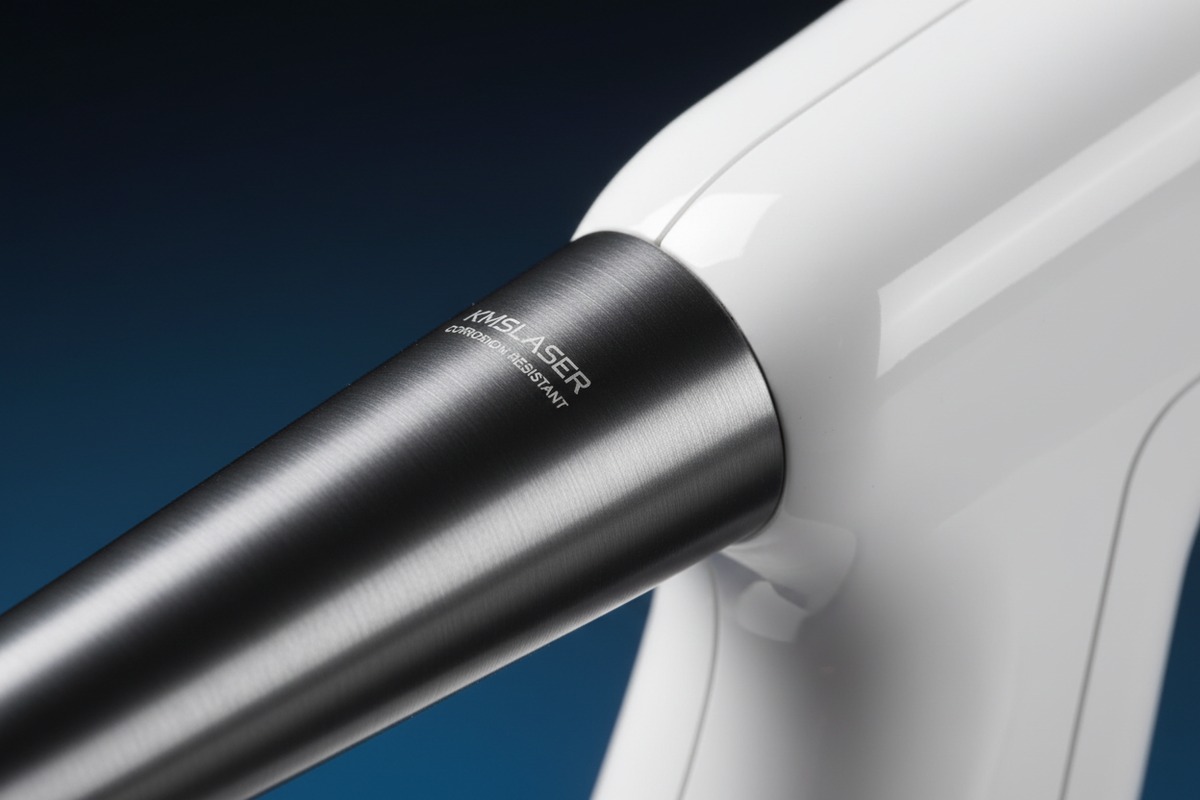
Yes, customization options include high-gloss powder coating, matte anodized finishes, textured polymer surfaces, and ceramic-based coatings that resist scratching while maintaining visual appeal. Each finish offers different durability characteristics, and manufacturers can match specific Pantone colors for brand consistency.
Balancing Aesthetics and Function
The finish you choose affects both appearance and durability. High-gloss finishes show scratches more readily than matte surfaces. White casings reveal scuff marks but hide dust. Dark colors mask scratches but show fingerprints.
Our manufacturing process offers several standard finish options. We also work with clients on custom colors and textures when brand identity requires specific aesthetics.
Understanding Finish Technologies
Powder coating provides excellent durability and allows virtually unlimited color options. The process electrostatically applies dry powder to metal surfaces, then heat-cures it into a hard finish. Powder coating resists chipping better than liquid paint and provides good chemical resistance.
Anodized aluminum creates an integral oxide layer that becomes part of the metal surface. Colors penetrate into this layer rather than sitting on top. Anodized finishes resist wear extremely well because the color cannot chip or peel—it can only wear through.
High-gloss polymer molding creates sleek, modern appearances directly during the manufacturing process. The finish quality depends on mold surface quality. Premium molds produce mirror-like surfaces without secondary finishing.
Ceramic coatings represent the newest technology in our product line. These thin-film coatings provide exceptional hardness and scratch resistance. They add cost but deliver superior long-term appearance retention.
Finish Comparison for Decision-Making
| Finish Type | Scratch Resistance | Chemical Resistance | Color Options | Relative Cost |
|---|---|---|---|---|
| Standard Powder Coat | Good | Good | Unlimited | Low |
| Premium Powder Coat | Very Good | Very Good | Unlimited | Medium |
| Anodized Aluminum | Excellent | Good | Limited | Medium |
| High-Gloss Polymer | Fair | Good | Wide Range | Low |
| Ceramic Coating | Excellent | Excellent | Limited | High |
Practical Considerations for Brand Owners
When discussing customization with our clients, we address several practical factors:
Minimum order quantities: Custom finishes often require minimum volumes to justify setup costs. Standard colors ship faster and cost less.
Lead time: Custom colors add time to production schedules. Plan accordingly for product launches.
Repairability: Can damaged sections be refinished? Powder coating allows localized repair. Anodizing requires complete re-treatment.
Sample approval: Always approve physical samples before committing to production quantities. Computer screens do not accurately represent final appearance.
How do your quality control processes test for long-term casing stability against wear and tear?
Our quality assurance team runs what we call accelerated lifecycle testing. We compress years of normal use into weeks of intensive testing. One test cycle subjects casings to more disinfectant wipe-downs than a busy clinic performs in five years. The results reveal weaknesses that normal inspection would never catch.
Quality control processes should include accelerated aging tests, thermal cycling between temperature extremes, repeated mechanical stress tests simulating drops and impacts, chemical exposure cycling, and surface abrasion testing. Request documentation of test protocols, acceptance criteria, and failure rate data from your supplier.
Accelerated Aging Protocols
Real-world conditions combine multiple stressors simultaneously. Temperature changes. Humidity varies. Chemicals contact surfaces. Users drop equipment occasionally. Effective testing replicates these combined stresses.
Our standard aging protocol exposes casing samples to cyclic conditions that simulate five years of clinical use in approximately eight weeks. The protocol includes:
Thermal cycling: We alternate between -10°C and +55°C in 24-hour cycles. This range matches storage and transport conditions that equipment experiences during shipping and warehouse storage. Repeated cycling stresses material bonds and coating adhesion.
Humidity exposure: Extended exposure at 85% relative humidity reveals moisture absorption and related degradation. Some materials absorb moisture gradually, leading to swelling, warping, or coating delamination.
Chemical cycling: Daily exposure to common disinfectants at concentrations matching clinical use. We apply solutions, allow drying, and repeat. After 500 cycles, we examine surfaces for any changes.
Mechanical Stress Testing
Equipment gets dropped. It gets bumped against doorframes. Staff members set heavy items on top of it. Mechanical testing ensures casings survive normal handling abuse.
Drop testing follows IEC 60601-1 protocols 9 for medical electrical equipment. Units drop from specified heights onto standardized surfaces. We examine for cracks, dents, and internal damage.
Impact testing uses calibrated pendulum strikes to simulate collisions during transport. Critical points include corners, edges, and protruding components.
Compression testing verifies that casings withstand stacking during storage and shipping without deformation.
Surface Durability Metrics
| Test Method | What We Measure | Acceptance Criteria |
|---|---|---|
| Taber Abrasion | Coating wear resistance | Less than 10mg loss per 1000 cycles |
| Cross-Hatch Adhesion | Coating bond strength | 0-1 rating (minimal flaking) |
| Pencil Hardness | Surface hardness | Minimum 2H hardness |
| Gloss Retention | Appearance durability | Greater than 90% retained gloss |
| Chemical Spotting | Disinfectant resistance | No visible marks after exposure |
Documentation You Should Request
Professional manufacturers maintain detailed records. When evaluating suppliers, ask for:
Test reports: Specific documents showing test conditions, sample quantities, and results. Generic statements about "rigorous testing" mean nothing without data.
Failure analysis: How does the manufacturer respond when tests reveal problems? A systematic approach to identifying root causes indicates mature quality processes.
Batch traceability: Can the manufacturer trace your specific units back to material lots and test results? This capability matters if problems emerge after delivery.
Calibration records: Testing equipment requires regular calibration. Uncalibrated equipment produces meaningless results.
Continuous Improvement Processes
Our quality team tracks field returns and customer complaints. Every reported casing issue feeds back into design and testing improvements. We've modified coating specifications, changed material suppliers, and redesigned problem components based on real-world feedback.
Ask potential suppliers about their feedback loop. How do field problems influence future products? Manufacturers who dismiss complaints as user error rarely improve their products.
Conclusion
Evaluating shockwave therapy machine casing requires examining material certifications, testing documentation, design features, and quality control processes. The right casing protects your investment and maintains your brand image through years of clinical use. Ask suppliers specific questions, request test data, and never compromise on durability for short-term cost savings.
Footnotes
1. Provides technical background on the industry standard for evaluating corrosion resistance in materials. ↩︎
2. CDC guidelines regarding the efficacy and use of hydrogen peroxide as a medical disinfectant. ↩︎
3. Scientific reference for ISO 10993 standards regarding the biological evaluation of medical device materials. ↩︎
4. Explains the electrochemical process used to protect aluminum surfaces from corrosion. ↩︎
5. Replaced HTTP 404 with an educational resource explaining protective oxide layers. ↩︎
6. FDA information on chemical disinfectants and their impact on medical device material integrity. ↩︎
7. General background on how polymers and metals withstand degradation from chemical exposure. ↩︎
8. Authoritative EPA source listing registered disinfectants commonly used in medical environments. ↩︎
9. Official standard for the safety and essential performance of medical electrical equipment. ↩︎

 English
  Español de México
  Deutsch
  Français
  العربية
  Русский