Every month, our quality team rejects units that function perfectly but look wrong. Scratches on the control panel. Discolored airbag connectors. Misaligned labels. These cosmetic flaws might seem minor, but they damage your brand. They trigger customer complaints. They erode trust.
Defining cosmetic defect acceptance criteria for pressotherapy machines requires establishing surface classification zones, setting measurable tolerance levels for scratches, dents, and discoloration, using standardized viewing conditions, and agreeing on AQL limits with your supplier before production begins. This prevents disputes and ensures consistent visual quality.
Below, we walk through the exact process our engineering team uses to build inspection checklists, set tolerance levels, separate minor from critical defects, and communicate visual standards with OEM partners. Let’s dive in.
What specific cosmetic flaws should I include in my pressotherapy machine inspection checklist?
When we first started exporting to the US market, our inspection checklists were too vague. We wrote "no scratches" and expected everyone to understand. They did not. Different inspectors had different standards. Customer feedback was inconsistent.
Your pressotherapy inspection checklist should cover scratches, dents, gouges, abrasions, discoloration, texture inconsistencies, foreign material, label defects, seam issues on compression suits, and surface finish problems on the control unit. Each defect type needs a clear definition, size threshold, and zone classification.

Understanding Common Defect Types
From medical device manufacturers 1, cosmetic defects might manifest themselves as inclusions, black spots, scratches, marks, chips, dents or a foreign body on the part. For pressotherapy machines 2, you need to expand this list to cover all visible components.
Cosmetic defects are surface-level imperfections that affect the visual appearance of a product but may not compromise its structural integrity or functionality. These defects can occur during various stages of manufacturing, including material handling, machining, assembly, or finishing.
Here is a working checklist framework:
| Component | Defect Types to Check | Priority |
|---|---|---|
| Control Unit Housing | Scratches, dents, chips, discoloration, molding marks | High |
| LCD Screen | Scratches, dead pixels, bubbles, dust under glass | High |
| Air Hose Connectors | Cracks, discoloration, burrs, uneven texture | High |
| Compression Suit Fabric | Stains, tears, uneven stitching, color mismatch | High |
| Airbag Chambers | Delamination, visible seams, wrinkles, material inconsistencies | Medium |
| Power Cord | Kinks, discoloration, fraying, connector damage | Medium |
| Labels and Markings | Misalignment, peeling, smudging, incorrect placement | Medium |
Zone Classification System
Not all surfaces matter equally. Producing a product with the correct quality in terms of measurement, assembly, form, fit, and function is one thing – but cosmetic defects are more easily noticed and flagged by the customer and end-user of the product. Zone Classification System 3
We recommend a three-zone system:
Zone A (Critical Visibility): The LCD screen, control panel face, and any surface the user directly touches or views during normal operation. These areas require the strictest standards.
Zone B (Secondary Visibility): Side panels, back panels, and areas visible only when the user walks around the machine. Allow minor imperfections here.
Zone C (Hidden Areas): Internal components, bottom surfaces, and areas covered during normal use. Focus on functional integrity rather than cosmetic perfection.
Quantifying Defect Thresholds
Vague standards create disputes. Specific measurements prevent them. For Zone A surfaces, consider limits like:
- Scratches: No scratch longer than 5mm or deeper than can be felt with fingernail
- Dents: No dent larger than 2mm diameter or visible from 50cm distance
- Discoloration: No color variation exceeding Delta E of 2.0 from approved sample
How do I set clear tolerance levels for surface imperfections with my Chinese OEM partner?
In our experience working with dozens of brands, the biggest source of conflict comes from undefined tolerances. The buyer expects perfection. The factory expects reasonable manufacturing variation. Neither side documented their expectations.
Clear tolerance levels require standardized viewing conditions (80-120 foot-candles, 18-20 inch distance, under 20 seconds per feature), physical limit samples showing acceptable and unacceptable defects, written specifications with measurements, and AQL limits agreed in the purchase order before production starts.

Standardized Inspection Conditions
Care should be taken to avoid immeasurable requirements on prints, such as "no surface defects allowed." This is especially true when no viewing conditions are defined.
The inspection environment matters as much as the criteria. Our standard protocol:
| Parameter | Recommended Setting | Purpose |
|---|---|---|
| Lighting | 80-120 foot-candles, white fluorescent | Consistent visibility |
| Viewing Distance | 18-20 inches (45-50 cm) | Represents normal user experience |
| Viewing Time | Under 20 seconds per feature | Prevents over-inspection |
| Viewing Angle | Perpendicular to surface, then 45 degrees | Catches different defect types |
| Background | Neutral gray or white | Reduces color perception bias |
Using Physical Limit Samples
Physical limit samples 4, showing actual defects, are the best communication tool and can be useful for both training and maintaining a consistent standard of inspection.
Written specifications are necessary but not sufficient. We always create a limit sample set that includes:
- Golden Sample: A unit representing ideal cosmetic quality
- Borderline Accept: Units showing the maximum acceptable defect level
- Borderline Reject: Units showing defects just beyond acceptable limits
- Clear Reject: Units with obvious cosmetic failures
Keep one set at your office. Send one set to the factory. Both parties reference the same physical standards during disputes.
Defining AQL Levels
For general consumer products inspection, AQL level is usually set at 2.5, which implies a zero tolerance for critical defect, 2.5 for major defects, and 4 for minor defects. AQL limits 5
For mid-to-high-end pressotherapy machines, we recommend tighter standards:
| Defect Category | Definition | Recommended AQL |
|---|---|---|
| Critical | Safety hazards, regulatory violations, complete failure | 0 (Zero tolerance) |
| Major | Visible defects affecting user experience or salability | 1.5 |
| Minor | Slight deviations noticeable only under close inspection | 2.5 |
| Cosmetic | Imperfections with no functional impact | 4.0 |
Risk level of the product – Stricter AQL levels apply to higher-risk products (e.g., medical devices, automotive parts). Since pressotherapy machines fall under wellness equipment with medical applications, lean toward stricter limits.
How do I differentiate between minor aesthetic issues and critical defects that require a rework?
Our factory quality team faces this question daily. A small scratch on the back panel. A slight color variation in the compression suit. Do we rework or ship? Without clear rules, each decision becomes a debate.
Critical defects requiring rework include any flaw that affects safety, regulatory compliance, or user-visible surfaces. Minor aesthetic issues acceptable for shipment are small imperfections on secondary surfaces that users rarely see or touch. The decision framework should be documented before production and tied to your zone classification system.

Building a Decision Framework
During a standard quality check, inspectors commonly uncover a range of defects that can affect the product's appearance, functionality, or safety. These are typically grouped into three categories—minor, major, and critical defects—based on their severity and impact.
The key is connecting defect severity to business impact:
Critical Defects (Always Rework or Reject):
- Any defect on Zone A surfaces exceeding tolerance limits
- Non-compliance with safety regulations – Missing CE marking, incorrect safety labels, or failure to meet ISO, ASTM, or FDA standards ISO standards 6
- Functional cosmetic issues (button labels unreadable, warning signs missing)
- Quality Engineering may reject acceptable cosmetic defects (such as deep cracks or dents) if the defect could compromise the functional integrity of the product.
Major Defects (Rework Recommended):
- Noticeable defects on Zone B surfaces
- Multiple minor defects clustered together
- Defects that will generate customer complaints
Minor Defects (Document but Accept):
- Small imperfections on Zone C surfaces
- Single isolated defects within tolerance
- Variations that match limit samples labeled "borderline accept"
Cost-Benefit Analysis for Rework
Not every defect justifies rework cost. Consider:
| Factor | Rework | Accept |
|---|---|---|
| Customer visibility | High | Low |
| Complaint likelihood | High | Low |
| Rework cost vs. unit value | Low ratio | High ratio |
| Production schedule impact | Minimal | Severe |
| Defect trend | Increasing | Isolated |
When a batch shows increasing defect trends, rework becomes essential even for borderline cases. Isolated incidents may warrant acceptance with documentation.
Documentation Requirements
Every rework decision should be documented:
- Defect description and location
- Photos from inspection
- Decision made (accept/rework/reject)
- Justification referencing specification
- Sign-off from quality manager
Clear classification criteria enable faster decision-making during batch disposition. Operators understand which defects require documentation and rejection versus documentation only, reducing production holds and quality review cycles.
What are the best ways to communicate my brand's aesthetic expectations to a new supplier?
When we onboard new clients, the first two orders often have cosmetic issues. Not because our team lacks skill. Because expectations were never clearly transferred. The client assumed we understood their brand standards. We assumed they would accept industry norms.
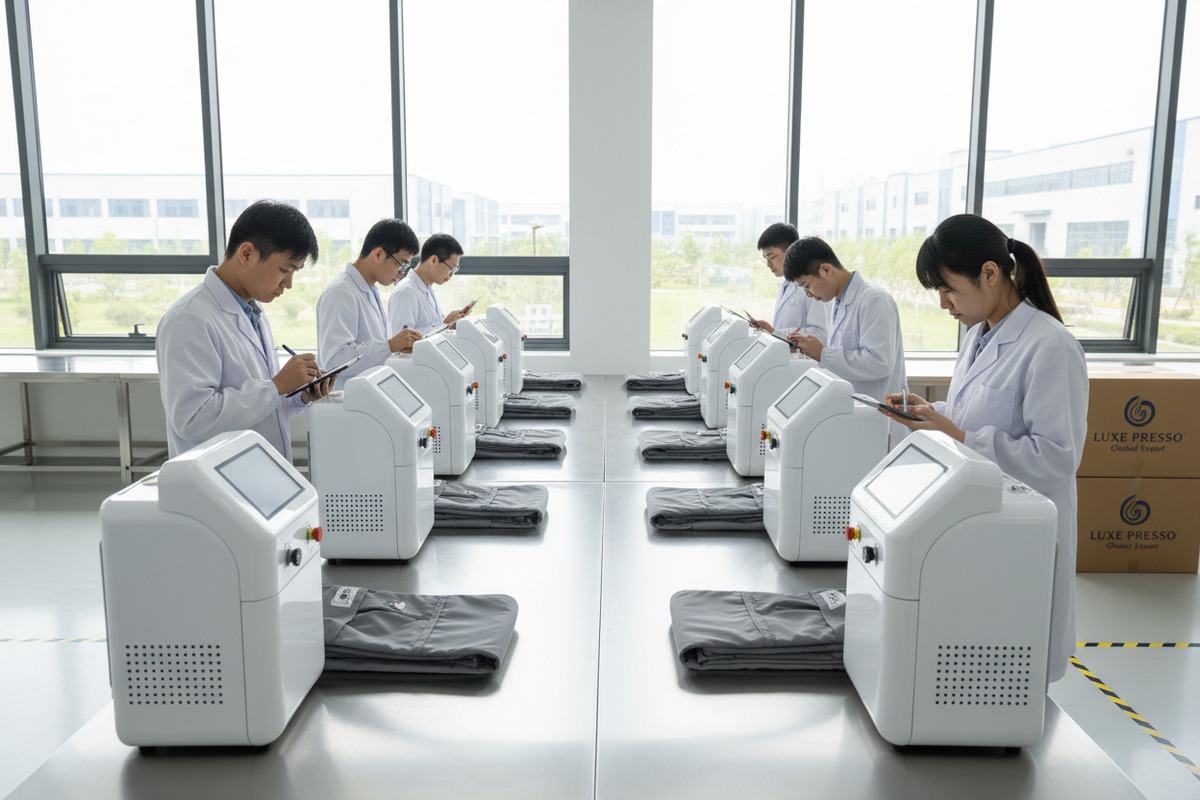
Effective communication of brand aesthetic expectations requires a detailed specification document with photos, physical samples of acceptable quality, a joint inspection during pilot production, regular quality reviews with photographic evidence, and designated points of contact who understand both brand standards and manufacturing realities.
Creating an Effective Specification Document
Workmanship standards are important tools for documenting the standards, as are Process Failure Mode Effects Analysis (PFMEA) and Quality Plans. The name of the document is not as important as the content. There are a number of documents that can be helpful in developing clear standards with customers.
Your specification document should include:
| Section | Content | Format |
|---|---|---|
| Overview | Brand positioning, quality expectations, target market | Text |
| Zone Definitions | Clear diagrams showing A, B, C zones | Diagrams + Photos |
| Defect Definitions | Each defect type with description | Text + Reference Photos |
| Tolerance Limits | Measurements for each defect type by zone | Tables |
| Viewing Conditions | Lighting, distance, time requirements | Technical specifications |
| AQL Requirements | Accept/reject limits by defect category | Tables |
| Limit Samples | Reference to physical samples | Sample ID numbers |
Pilot Run Inspection Process
Never skip the pilot run quality review. Schedule a joint inspection where your team and the factory quality team evaluate the same units together. This reveals:
- Interpretation differences in specifications
- Practical manufacturing limitations
- Areas needing specification adjustment
Document disagreements and resolve them before mass production.
Ongoing Communication Protocols
A reliable manufacturer behaves like a long-term partner, not a one-time seller. They prioritize product safety, transparent communication, and documentation.
Establish regular touchpoints:
- Pre-Production Meeting: Review specifications, confirm understanding
- In-Line Inspection Report: Photos of any cosmetic concerns during production
- Pre-Shipment Inspection: Full cosmetic evaluation against standards
- Post-Delivery Review: Feedback on any issues found after receipt
Use a shared photo library for cosmetic defect examples. When you find an unacceptable defect, photograph it, add it to the library, and share with the factory. Build your defect library over time.
Leveraging Technology
The integration of machine vision systems 7 and AI-powered inspection tools has transformed cosmetic defect detection in manufacturing. The process of cosmetic defect detection is being revolutionized by AI software and machine vision technologies, enabling manufacturers to achieve consistency and efficiency in quality control.
While automated inspection may not be feasible for every supplier, ask about their inspection technology. Factories investing in vision systems demonstrate commitment to consistent quality.
Conclusion
Defining cosmetic defect acceptance criteria 8 for pressotherapy machines protects your brand and prevents disputes. Start with a detailed inspection checklist, set measurable tolerance levels with your OEM partner, create clear guidelines for rework decisions, and maintain open communication throughout production. Do this right, and cosmetic issues stop being a source of conflict.
Footnotes
1. Outlines the FDA’s current good manufacturing practice (CGMP) requirements and quality system regulations for medical devices. ↩︎
2. Provides a general overview and definition of pressotherapy, including its medical and cosmetic uses. ↩︎
3. Details a cosmetic criteria system with different classes (zones) for surface imperfections. ↩︎
4. Compares golden samples and limit samples, explaining their use in visual inspections for quality control. ↩︎
5. Defines Acceptance Quality Limit (AQL) and its role in product inspection and quality control. ↩︎
6. Replaced with an authoritative source (National Standards Authority of Ireland) providing an overview of ISO 9001 quality management standards. ↩︎
7. Explains machine vision technology and its application in quality control for detecting defects in manufacturing. ↩︎
8. Explains visual inspection in quality control, including establishing acceptance criteria for defects. ↩︎

 English
  Español de México
  Deutsch
  Français
  العربية
  Русский