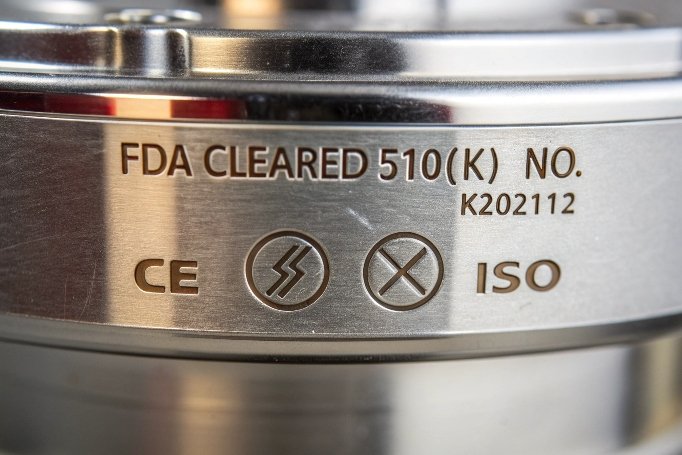
As a manufacturer that exports medical-grade shockwave therapy machines, I often help U.S. buyers confirm whether FDA clearance is mandatory. Many importers assume that a CE mark or ISO certification is enough—but in the U.S., that’s not the case.
Yes, imported shockwave therapy machines must meet FDA requirements before they can be marketed, distributed, or used clinically in the United States. Most models require either a 510(k) clearance or De Novo authorization depending on classification and intended use.
Failure to comply can lead to customs detention, refusal of entry, or product seizure.
Is FDA Clearance Mandatory for Import?
Many importers are surprised that FDA compliance applies even before the device enters the U.S. market, not after.
Yes, FDA clearance is mandatory if the device will be sold, distributed, or used for therapeutic purposes in the U.S. Only a few low-risk models (e.g., general massage devices) are exempt.

For clearance pathways and risk classes, see the FDA device classification system 1.
Importers should also review FDA import basics for medical devices 2 to understand documentation and customs control.
FDA Classifications Overview
| Intended Use / Model Type | FDA Class | Clearance Type | Product Code Example |
|---|---|---|---|
| Musculoskeletal therapy (e.g. tendinopathy, pain relief) | Class II | 510(k) | NPV, ISA |
| Chronic wound therapy | Class II | 510(k) | PZL |
| Lithotripsy (kidney stone fragmentation) | Class III | PMA | 78F, LITH |
| Low-energy vibration or massage (non-medical claims) | Class I | Exempt (general use) | 890.5660 |
What Happens Without FDA Clearance
If an imported device arrives without a valid 510(k) or exemption, U.S. Customs and the FDA may:
- Detain the shipment at port (see Import Alerts) 3.
- Refuse entry or destroy the device.
- Blacklist the manufacturer or importer for future imports.
Even demonstration units or sample shipments must include documentation specifying non-clinical use (e.g., “for exhibition only”).
How to Verify FDA Compliance
Buyers should always confirm whether a supplier’s model is FDA-cleared before purchase. This can be verified publicly.
You can verify FDA clearance by checking the official FDA 510(k) database 4
or the Establishment Registration & Device Listing database 5.
If the model has no predicate, it may require De Novo classification 6 instead of a standard 510(k).
Verification Checklist
| Step | What to Verify | Example Entry |
|---|---|---|
| 1 | Manufacturer’s FDA registration number | e.g., 3012345678 |
| 2 | Device listing with correct product code | “PZL – Device, shock wave, for wound healing” |
| 3 | 510(k) number and decision date | e.g., K202112 (cleared 2021) |
| 4 | U.S. Agent or Importer listed | Registered under same manufacturer name |
Red Flags
- Supplier provides only a “CE certificate.”
- FDA number doesn’t match company name.
- Claims “FDA registered” without proof of clearance.
Registration ≠ clearance. Only an official 510(k) letter confirms U.S. marketing authorization.
What Documents Prove FDA Approval?
In my experience, buyers should request the following documentation to verify compliance before shipment.
Documents that prove FDA compliance include the 510(k) clearance letter, device listing record, establishment registration certificate, and labeling that matches the cleared indication.
U.S. buyers should also ensure compliance with 21 CFR Part 820 Quality System Regulation 7 and
FDA labeling requirements for devices 8.
Essential FDA Documentation List
| Document Name | Purpose / Verification Use |
|---|---|
| FDA 510(k) Clearance Letter | Official confirmation of market authorization. |
| Device Listing Record | Shows product name, class, and manufacturer’s registration. |
| Establishment Registration | Confirms foreign factory and U.S. agent are registered. |
| Labeling & Indications Sheet | Must match FDA-cleared intended use. |
| Quality System Certificate (21 CFR 820) | Proves compliance with manufacturing standards. |
Common Misunderstandings
- A company can be “FDA registered” without its device being cleared.
- CE or ISO 13485 are not substitutes for FDA clearance.
- Each model requires its own 510(k) number.
More on importer roles can be found in FDA establishment registration guidance 9.
Do FDA Rules Apply to All Models?
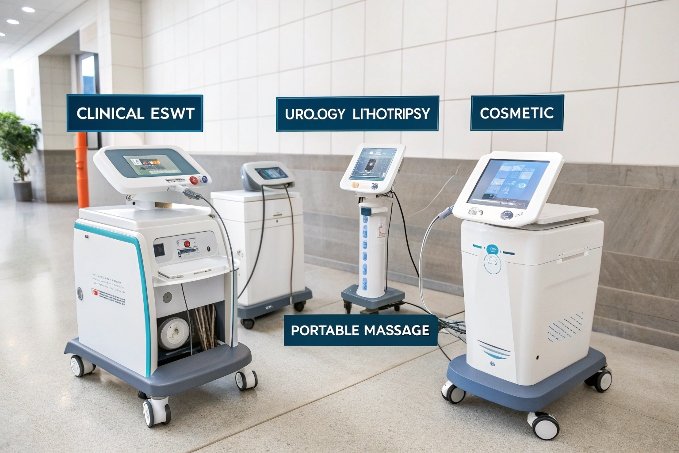
Not all shockwave systems are regulated the same way. Classification depends on intended medical use, energy level, and marketing claims.
Yes, all models sold or used for medical purposes in the U.S. are subject to FDA rules—but low-energy “massage” models may be exempt if no medical claims are made.
For exemption lists, see the FDA 510(k)-Exempt Device Directory 10.
Conclusion
Any shockwave therapy machine imported into the U.S. for clinical use must comply with FDA regulations—usually through a 510(k) clearance or PMA. Always verify clearance in the FDA database, request official documents from your supplier, and ensure that labeling and marketing match the cleared indications.
Compliance is not optional—it’s the foundation of legal import and safe operation in the U.S. market.
Footnotes
1. FDA medical device classification overview. ↩︎
2. FDA import guide for medical device shipments. ↩︎
3. FDA Import Alerts for noncompliant products. ↩︎
4. FDA 510(k) clearance search database. ↩︎
5. FDA device listing and registration database. ↩︎
6. De Novo classification pathway for new devices. ↩︎
7. Quality System Regulation (21 CFR Part 820). ↩︎
8. FDA labeling and indication rules for devices. ↩︎
9. Registration and U.S. Agent requirements. ↩︎
10. FDA list of 510(k)-exempt devices. ↩︎

 English
  Español de México
  Deutsch
  Français
  العربية
  Русский