

Every year, our engineering team inspects returned units from overseas buyers 21 CFR 878.4685 1. The most alarming failures involve wiring issues. Cheap, non-flame-retardant cables create serious fire hazards. High-voltage shockwave generators demand precision components. One bad wire can destroy your brand reputation overnight.
To verify flame-retardant internal wiring in shockwave therapy machines, buyers must request IEC 60601-1 compliance certificates, UL 94 V-0 material test reports, ISO 13485 quality system audits, and pre-shipment inspection photos showing cable markings and insulation quality from their OEM suppliers.
This guide walks you through the exact steps to protect your business. You will learn what documents to request, how to spot red flags, and what inspection photos reveal about wiring quality.
How can I confirm that the internal wiring in my shockwave therapy machines meets international flame-retardant standards?
When our production line handles high-voltage shockwave generators, wiring safety becomes the top priority. Many buyers trust supplier claims without verification. This mistake costs thousands in recalls, liability claims, and brand damage. Understanding international standards protects your investment.
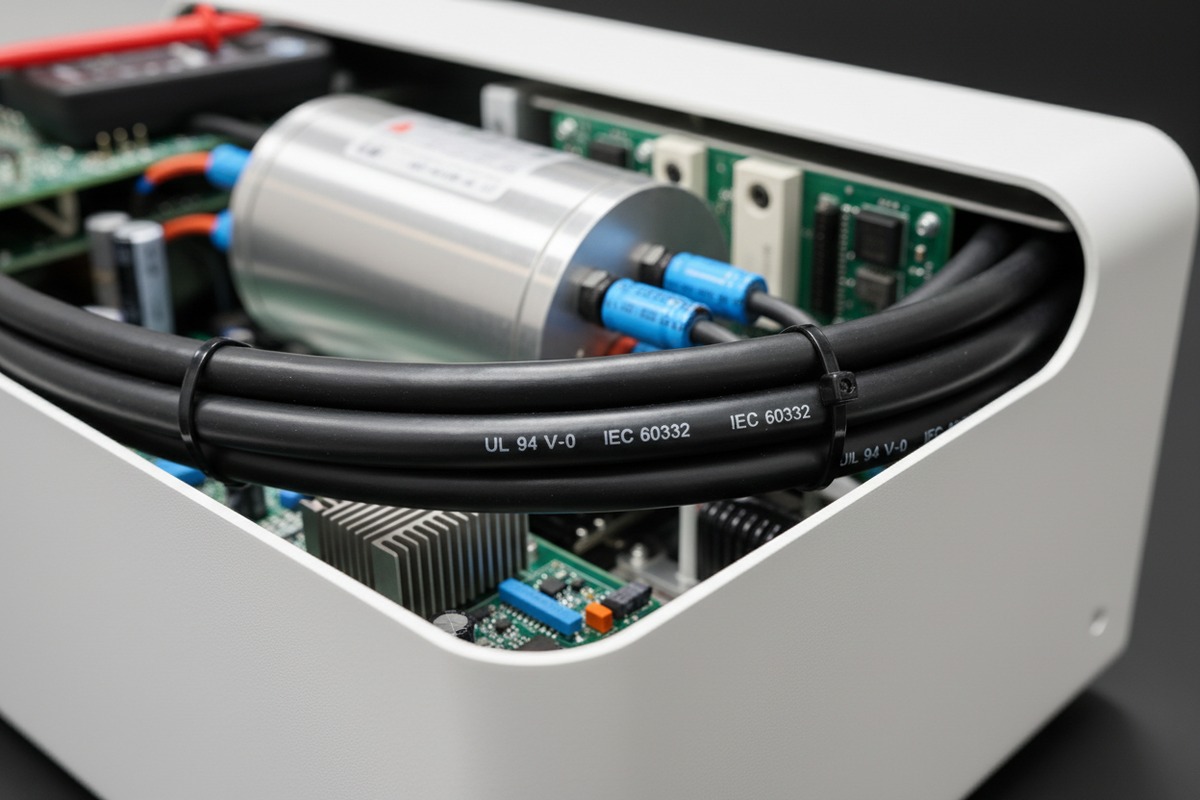
Internal wiring must comply with IEC 60601-1 for medical electrical safety and IEC 60332 for flame propagation resistance. Request certificates showing UL 94 V-0 flammability rating for cable jackets, and confirm materials meet RoHS and REACH chemical safety requirements for medical device applications.
Understanding the Key Standards
International standards exist to prevent electrical fires and protect patients. The IEC 60601-1 standard 2 covers all medical electrical equipment. It addresses insulation, grounding, and flame resistance. This standard ensures devices remain safe even during component failures.
The IEC 60332 series 3 specifically tests cable flammability. IEC 60332-1-2 tests single wires. IEC 60332-3 tests bunched cables in vertical trays. Shockwave machines contain multiple bundled cables near high-voltage generators. The bunched cable test matters more than single-wire results.
Critical Certification Requirements
| Standard | What It Covers | Why It Matters for Shockwave Machines |
|---|---|---|
| IEC 60601-1 | Overall medical electrical safety | Covers insulation, grounding, and fire prevention in high-voltage systems |
| IEC 60332-1-2 | Single wire flame propagation | Tests individual cable fire resistance |
| IEC 60332-3 | Bunched cable flame spread | Critical for grouped wiring near generators |
| UL 94 V-0 | Material flammability rating | Highest self-extinguishing rating for plastics |
| RoHS | Hazardous substance restriction | Ensures no toxic materials in wiring |
| REACH | Chemical safety regulation | Verifies flame retardants are safe compounds |
The Single Fault Safe Principle
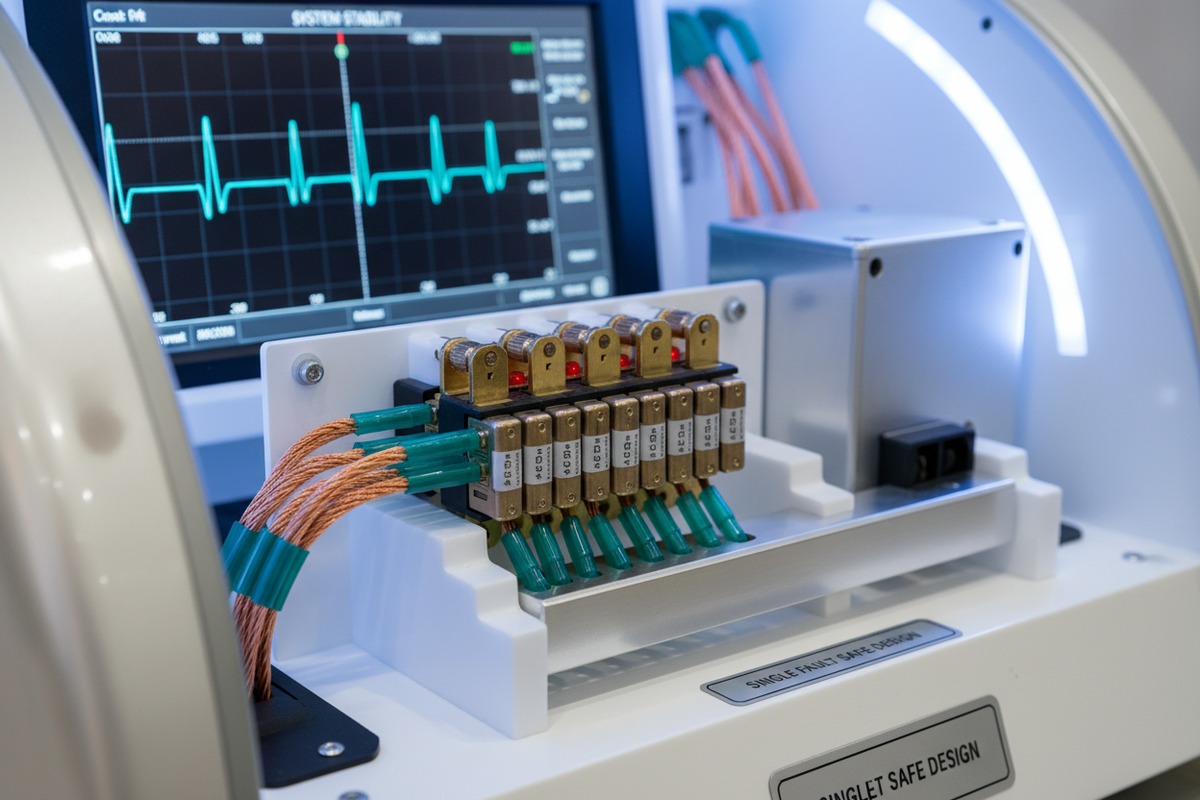
Medical device design follows the "single fault safe" principle. single fault safe principle 4 This means one component failure should not cause fire or shock. When our engineers design internal layouts, they ensure wiring failures trigger shutoffs before ignition. Ask your supplier how their design addresses this principle.
Shockwave generators produce energy flux density up to 0.60 mJ/mm². This requires robust wiring that handles repeated high-voltage pulses. Treatment protocols call for 1000-4000 pulses per session at 1-15 Hz frequency. Wiring must sustain this load without degradation over thousands of treatments.
Verifying Compliance Through Documentation
Request the actual test reports, not just certificates. Certificates confirm testing occurred. Reports show the actual results. Look for the testing laboratory's accreditation. Legitimate labs carry ISO 17025 accreditation 5. Cross-reference the certificate numbers with the issuing body's online database.
What specific testing reports should I request from my supplier to verify the fire safety of the internal components?
Our quality control team reviews supplier documentation daily. We have seen everything from legitimate test reports to obvious forgeries. Knowing exactly what to request separates professional buyers from easy targets. The wrong documents waste time and create false confidence.
Request IEC 60332 flame propagation test reports, UL 94 flammability classification certificates, IEC 60601-1 electrical safety test reports, EMC testing documentation per 21 CFR 878.4685, and material datasheets showing halogen-free flame retardant compounds with batch traceability records.

Essential Test Reports Checklist
| Document Type | What to Look For | Red Flags |
|---|---|---|
| IEC 60332-1-2 Report | Pass/fail result, test date, specimen details | Missing specimen photos, outdated dates |
| IEC 60332-3 Report | Flame spread distance measurements | Only single-wire testing provided |
| UL 94 Certificate | V-0 rating for cable jacket materials | V-1 or V-2 ratings instead of V-0 |
| Material Datasheet | HFFR compound identification | Generic descriptions without compound names |
| Batch Test Records | Lot numbers matching your order | Generic records not tied to specific shipments |
| EMC Test Report | Electromagnetic compatibility verification | Self-declared without lab accreditation |
Why Halogen-Free Materials Matter
Halogen-Free Flame Retardant (HFFR) materials represent the current best practice. Halogen-Free Flame Retardant materials 6 Traditional flame retardants contain halogens that release toxic smoke during fires. Medical environments require minimal toxic emissions. HFFR cables produce less corrosive gas and clearer evacuation paths.
When reviewing material datasheets, look for specific compound names. Generic terms like "flame retardant compound" indicate possible substitution risks. Legitimate suppliers provide exact formulations. They can trace materials back to specific chemical manufacturers.
Understanding EMC Testing Requirements
The FDA requires electromagnetic compatibility testing 7 for shockwave devices under 21 CFR 878.4685. EMC testing reveals how internal wiring handles electrical interference. Poor wiring creates electromagnetic noise. This noise affects treatment consistency and energy output stability.
Our testing facility runs EMC checks on every production batch. We find that wiring quality directly correlates with EMC performance. Cheap cables with poor shielding fail EMC limits consistently. Request the EMC test report alongside flame-retardancy documents.
Batch Traceability Documentation
Professional manufacturers maintain batch traceability 8 for all materials. This means they can identify exactly which cable lots went into which machines. When problems arise, traceability enables targeted recalls instead of entire product line withdrawals.
Ask your supplier for their change control procedures. Material substitutions happen when costs increase. Without proper controls, a supplier might switch to cheaper non-flame-retardant cables without notification. Written change control procedures require your approval before any material changes.
The FDA has reported cases where shockwave device malfunctions involved spark plug and electrical issues. While major fires are rare, electrical failures interrupt treatments and damage equipment. Proper documentation creates accountability and prevents corner-cutting.
How do I ensure my manufacturer is using high-quality flame-retardant wires instead of cheaper alternatives during the OEM process?
In our years of OEM production, we have witnessed competitors cut corners on internal components. The exterior looks identical. The price difference seems attractive. But the wiring inside tells a different story. Buyers discover problems only after customer complaints start flooding in.
Ensure quality by conducting factory audits verifying ISO 13485 certification, requesting video calls showing actual production with your order, implementing incoming material inspection protocols, requiring photo documentation of cable markings during assembly, and establishing contractual penalties for unauthorized material substitutions.
Factory Audit Essentials
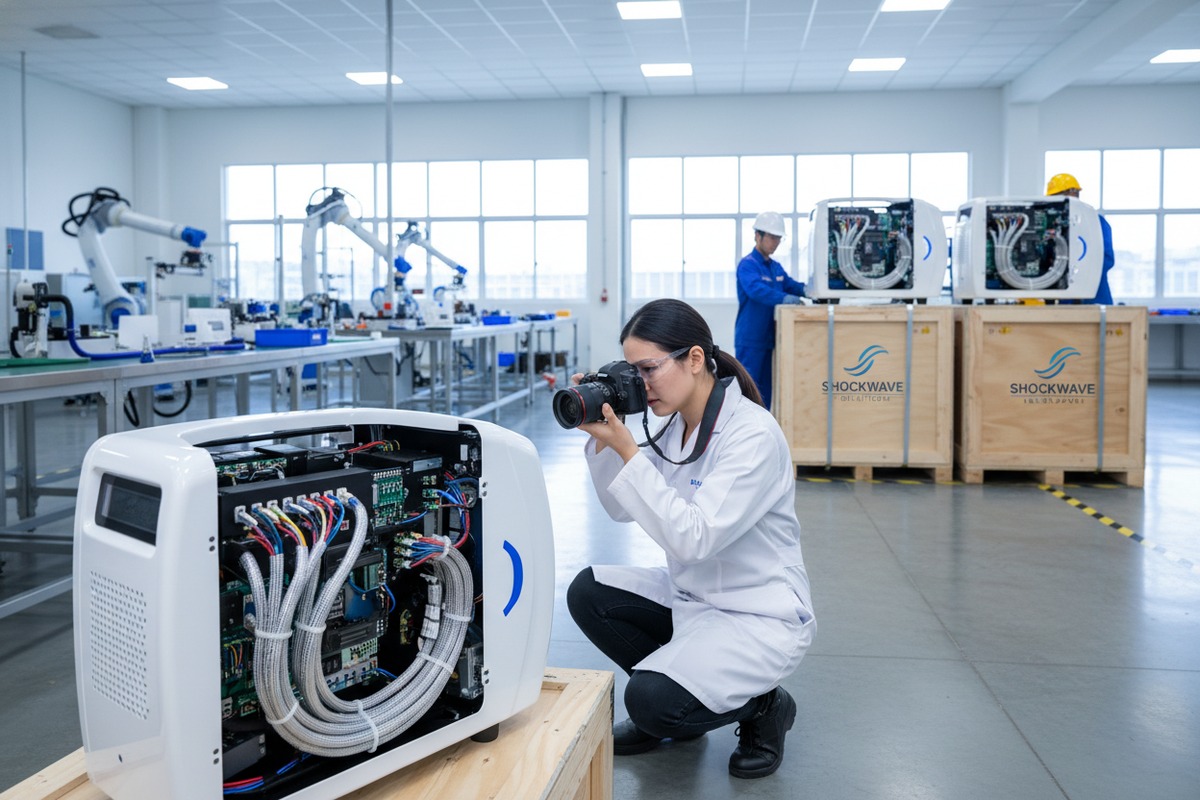
ISO 13485 certification 9 demonstrates a manufacturer's quality management system for medical devices. This certification requires documented procedures for material selection, supplier qualification, and production monitoring. Certified factories cannot easily substitute materials without audit trail consequences.
During factory audits, inspect the cable storage area. Quality manufacturers store cables in controlled environments. They separate different cable types clearly. They maintain incoming inspection records for each cable batch. Disorganized storage suggests poor material control.
Real-Time Production Verification
Video calls during your production run provide powerful verification. Ask to see cables being installed in your specific order. Request close-up shots of cable markings. Legitimate flame-retardant cables carry printed specifications along their length.
| Verification Method | What It Reveals | Implementation Difficulty |
|---|---|---|
| Pre-production video call | Material staging, cable inventory | Low – requires only scheduling |
| Mid-production video call | Actual installation process | Medium – timing coordination needed |
| Third-party inspection | Independent verification | Medium – cost for inspector |
| Incoming material records | Cable batch certification | Low – document request |
| Random sample testing | Actual material properties | High – requires lab testing |
Contractual Protection Strategies
Include specific material requirements in your purchase contract. Name the exact cable standards required. Specify consequences for non-compliance. Many buyers skip this step because it feels adversarial. In reality, professional manufacturers welcome clear specifications.
Write penalty clauses for material substitution. Define the inspection rights you retain. Specify that you can request material certificates at any time. These contractual elements discourage substitution more effectively than verbal agreements.
Incoming Material Inspection Protocols
Quality manufacturers inspect incoming cables before they enter production. They verify markings match purchase orders. They check certificates against actual delivered materials. They retain samples from each batch for future reference.
Ask your supplier about their incoming inspection process. Request copies of their inspection procedures. Professional operations document rejection rates for supplier materials. High rejection rates indicate quality consciousness. Zero rejection rates may indicate insufficient inspection.
Our production team rejects approximately 3-5% of incoming cable batches. These rejections cover issues from incorrect specifications to damaged insulation. We share this data with customers because it demonstrates active quality control. Ask your supplier for similar statistics.
The Cost Reality of Quality Wiring
Flame-retardant cables cost more than standard alternatives. The price difference ranges from 15-40% depending on specifications. Some manufacturers absorb this cost to remain competitive. Others substitute cheaper materials to maintain margins.
Calculate the true cost of wiring failure. Product recalls average thousands of dollars per incident. Liability claims from fire damage reach much higher. Brand reputation damage lasts years. The incremental cost of quality wiring represents insurance against catastrophic losses.
What are the key indicators I should look for in pre-shipment inspection photos to verify the quality of the internal wiring?
Our inspection team photographs every unit before shipping. These photos tell stories that specifications cannot. Buyers who know what to look for catch problems before containers leave the port. Those who do not learn expensive lessons after delivery.
Look for visible cable markings showing manufacturer name and standard compliance, consistent insulation colors following industry conventions, proper cable routing away from heat sources, adequate strain relief at connection points, clean solder joints without flux residue, and appropriate creepage distances between conductors.
Visual Indicators of Quality Wiring
Cable markings provide the most immediate quality indicator. Legitimate flame-retardant cables carry continuous printed markings. These markings include the manufacturer name, cable type, voltage rating, and standard compliance. Unmarked cables suggest generic sourcing without certification.
| Marking Element | What It Should Show | Warning Signs |
|---|---|---|
| Manufacturer ID | Recognized cable brand name | Unknown or missing manufacturer |
| Standard Reference | IEC 60332-3, UL 94 V-0 | No standard reference printed |
| Voltage Rating | Appropriate for application | Rating below system requirements |
| Date Code | Recent production date | Very old production dates |
| Cable Type | Specific designation code | Generic descriptions only |
Routing and Installation Quality
Professional installation keeps cables away from heat-generating components. Shockwave generators produce significant heat during operation. Cables routed too close degrade faster. Look for separation between power cables and signal cables. This separation reduces electromagnetic interference.
Strain relief prevents cable damage at connection points. Every cable entry point should have proper strain relief. Cables pulled tight at connectors will fail over time. Look for service loops that allow for maintenance without cable stress.
Connection Point Examination
Solder joints reveal manufacturing quality. Good joints appear smooth and shiny. Cold joints look dull and grainy. Flux residue around joints indicates incomplete cleaning. These residues can corrode connections over time and create fire hazards.
Terminal connections should show proper crimping. Over-crimped terminals damage wire strands. Under-crimped terminals create resistance and heat buildup. Request close-up photos of terminal connections in your inspection reports.
Creepage and Clearance Distances
Creepage distance is the shortest path along a surface between two conductors. Clearance distance is the shortest path through air. Both matter for preventing arcing and electrical fires. IEC 60601-1 specifies minimum distances based on voltage levels.
In pre-shipment photos, look for adequate spacing between high-voltage and low-voltage areas. Crowded wiring with minimal clearance indicates cost-cutting in design. Professional layouts prioritize safety spacing over compact size.
Documentation Photography Standards
Request specific photo requirements from your supplier. Standard photos often miss critical details. Create a shot list that includes:
- Overview of internal layout with cover removed
- Close-up of main cable entry points
- Detail shots of high-voltage connection areas
- Cable marking visibility photos
- Strain relief installation photos
- Generator connection point photos
Professional inspection services follow standardized photography protocols. Consider hiring third-party inspectors who specialize in medical device verification. Their trained eyes catch issues that general inspectors miss.
Our standard inspection package includes 25-30 photos per unit for complex devices. Each photo serves a specific verification purpose. We provide annotation on request, highlighting the features shown in each image. This documentation becomes valuable if warranty claims arise later.
Conclusion
Verifying flame-retardant wiring requires systematic documentation review, factory audits, and detailed inspection protocols. Protect your brand by requesting proper certifications, implementing contractual safeguards, and training your team to recognize quality indicators in pre-shipment photos.
Footnotes
1. Provides the specific FDA regulation for extracorporeal shock wave devices. ↩︎
2. Wikipedia provides a comprehensive overview of the IEC 60601 series, including the 60601-1 general standard, making it an authoritative and accessible source. ↩︎
3. Details the IEC 60332 series for cable flame propagation resistance. ↩︎
4. Explains the concept of single fault safety in medical electrical equipment. ↩︎
5. Describes the international standard for competence of testing and calibration laboratories. ↩︎
6. Explains the properties and benefits of halogen-free flame retardant materials. ↩︎
7. Outlines FDA requirements for electromagnetic compatibility in shockwave devices. ↩︎
8. Explains the concept of tracking materials and products through the supply chain. ↩︎
9. Defines the quality management system requirements for medical device organizations. ↩︎

 English
  Español de México
  Deutsch
  Français
  العربية
  Русский