

When our R&D team began sourcing fabrics for the latest pressotherapy suit design, we discovered a troubling gap Certificates of Analysis 1. Many suppliers claimed “skin-safe” materials but lacked proper documentation. This posed real risks—both for end-users and for the brands that distribute our machines globally.
To verify biocompatibility of pressotherapy machine suit materials, you must confirm ISO 10993 series compliance, review the “Big Three” test reports (cytotoxicity, irritation, sensitization), audit your supplier’s quality management system, and request Certificates of Analysis (CoA) for each material lot used in production.
In this guide, I will walk you through the key certifications, testing standards, report verification methods, and audit strategies FDA 510(k) Clearance 2. Whether you are a brand owner or a purchasing manager, this article will help you source safe, compliant pressotherapy suits with confidence.
What certifications should I look for to ensure my pressotherapy suit materials are biocompatible?
When sourcing materials from overseas factories for our private-label clients, we often see confusion around which certifications actually matter. Many documents circulate in the market, but not all hold the same weight with regulators or protect end-users from harm.
Look for ISO 10993 test reports, CE marking with supporting technical files, ISO 13485 supplier certification, and FDA-recognized biocompatibility data. These certifications confirm that suit materials have been tested for biological safety and manufactured under controlled quality systems.

Understanding ISO 10993 Series
The ISO 10993 set entails a series of standards for evaluating the biocompatibility of medical devices to manage biological risk. ISO 10993 series compliance 3 For the purpose of the ISO 10993 family of standards, biocompatibility is defined as the "ability of a medical device or material to perform with an appropriate host response in a specific application".
This means that any material touching human skin during pressotherapy sessions must demonstrate safe interaction. ISO 10993-1 4 is the cornerstone standard for biological evaluation of medical devices. It defines the principles and requirements for assessing a device's biological safety within the broader risk management framework established by ISO 14971.
Key Certifications to Request
| Certification | Purpose | Who Issues It |
|---|---|---|
| ISO 10993 Test Reports | Proves biocompatibility through lab testing | Accredited testing labs |
| CE Marking 5 | EU market access for medical devices | Notified Bodies |
| ISO 13485 Certificate | Confirms quality management system 6 | Certification bodies |
| FDA 510(k) Clearance | US market access for medical devices | FDA |
| Certificate of Analysis (CoA) | Batch-specific material data | Material suppliers |
Look for certifications like the CE mark (for Europe), FDA approval (for the United States), ISO 13485, and other relevant local certifications. These indicate that the machine has met the necessary safety and performance standards.
The Big Three Tests
Biocompatibility testing is a pivotal element within the medical device development and regulatory approval processes, ensuring their safety and compatibility when interacting with biological systems. Central to this testing are the "Big Three" assessments, namely, cytotoxicity, irritation, and sensitisation testing 7, which must be performed for almost all medical devices being introduced to the market.
For pressotherapy suits, these three tests are essential because the material contacts intact skin for prolonged periods. According to International Organization for Standardization (ISO) 10993-1—the first in the set of international standards covering the biological evaluation of medical devices and the basis for FDA's blue book memorandum on this subject (#G95-1)—all device materials must undergo cytotoxicity, sensitization, and irritation testing.
ISO 13485 for Supplier Qualification
For critical components and the materials from which they are made like a polymer, metal or alloy, innovators and manufacturers of record should insist those come from ISO 13485 suppliers. ISO 13485 supplier certification 8 "If presented with suppliers for the same material, component or service where one is ISO 13485 certified and one is not, always go with the certified supplier."
At our facility, we maintain an approved supplier list (ASL) and require ISO 13485 certificates from all critical material vendors. This ensures traceability and consistent quality across production batches.
How can I verify the skin irritation and sensitization test reports from my beauty machine supplier?
Our quality team reviews dozens of test reports each month from various suppliers. Unfortunately, we frequently encounter incomplete or questionable documentation. Learning to spot valid reports protects your brand from liability and ensures end-user safety.
Verify test reports by checking the accreditation status of the testing laboratory, confirming the correct ISO 10993 test methods were used, reviewing sample preparation details, and ensuring the report covers worst-case sterilization conditions. Request original reports, not summaries.
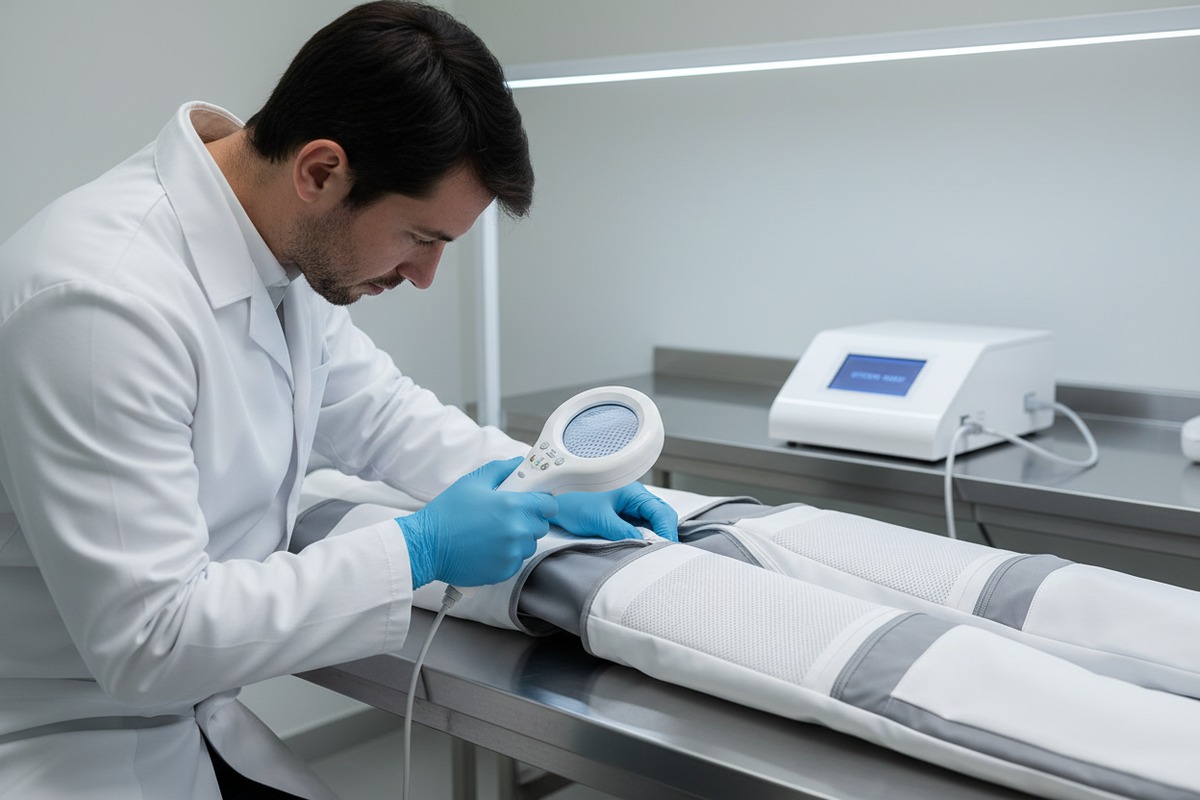
What Valid Test Reports Must Include
This part of ISO 10993 assesses possible contact hazards from chemicals released from medical devices, which may produce skin and mucosal irritation, eye irritation or skin sensitization. The manufacturer is thus obliged to evaluate each device for potential adverse effects prior to marketing.
When reviewing test reports, look for these critical elements:
| Report Element | What to Check | Red Flags |
|---|---|---|
| Laboratory accreditation | ISO 17025 or GLP certification | Unknown lab, no accreditation number |
| Test method reference | ISO 10993-10, ISO 10993-23 | Vague "in-house methods" |
| Sample description | Material composition, batch numbers | Missing lot traceability |
| Extraction conditions | Solvent type, temperature, duration | Incomplete extraction data |
| Test results | Quantitative scores, pass/fail criteria | Only qualitative statements |
| Sterilization status | Worst-case sterilized samples | Testing only unsterilized materials |
Understanding Skin Sensitization Tests
ISO 10993-10:2021 specifies the procedure for the assessment of medical devices and their constituent materials with regard to their potential to induce skin sensitization.
Skin Sensitization testing assesses chemicals released by medical devices for the potential to cause an allergic reaction. The test is part 10 of the ISO 10993 series of standards, which focus on biocompatibility.
For pressotherapy suits, sensitization is particularly important because users experience repeated, prolonged skin contact. Sensitization or hypersensitivity reactions usually occur as a result of repeated or prolonged contact with a chemical substance that interacts with the body's immune system.
In Vitro vs. In Vivo Methods
Skin sensitisation is part 10 of the ISO 10993 biocompatibility series. Although the standard primarily states the traditional animal test methods, in vitro assays from OECD which are for neat chemicals are heavily referenced throughout the standard as a viable method for MDs. However, these methods have not been assessed or validated for MDs. For this reason, a single in vitro test will not be able to sufficiently identify the absence or presence of skin sensitizers.
There are currently three animal assays available for the determination of the skin sensitizing potential of chemicals. These include two guinea pig assays and one murine assay. The two guinea pig assays are the guinea pig maximization test (GPMT) and the closed-patch test (Buehler test). Of these two assays, the maximization test is the most sensitive method.
How to Spot Invalid Reports
When we audit supplier documentation, these issues often indicate unreliable reports:
- No laboratory accreditation number visible
- Report date older than the material's manufacturing date
- Missing sample preparation details per ISO 10993-12
- No positive or negative control results shown
- Generic material descriptions without specific formulations
- Photocopied signatures or suspicious formatting
Sensitization assessment according to ISO 10993-10 is a crucial part of biocompatibility testing and one of the most common tests required to ensure the safety and compliance of medical devices. The goal is to show that the device does not cause skin sensitization, such as allergic responses or immunological reactions, when in contact with the body.
What are the key ISO standards I should check when sourcing fabrics for my private-label pressotherapy suits?
In our experience shipping pressotherapy systems to the US and EU markets, we have seen increasing scrutiny from regulators and distributors alike. Knowing exactly which standards apply to your specific device category saves time and prevents costly compliance failures.
For pressotherapy suit fabrics, check ISO 10993-1 for evaluation framework, ISO 10993-5 for cytotoxicity, ISO 10993-10 for sensitization, ISO 10993-23 for irritation, and ISO 10993-18 for chemical characterization. Contact duration and nature determine which additional tests apply.

ISO Standards for Surface-Contact Devices
The extent of biocompatibility testing recommended by ISO 10993-1 depends on the nature of the medical device, including the type of body contact (e.g., intact skin vs. blood/tissue) and contact duration (transient, short-term, or long-term). More rigorous testing is needed when devices come into contact with blood or internal tissues for a prolonged period. Correspondingly, devices that only contact intact skin for a limited time require fewer tests.
Pressotherapy suits fall into the "surface device" category with "prolonged" contact duration (typically 30-45 minutes per session, with repeated use). This categorization determines your testing requirements.
Complete ISO 10993 Standards Reference Table
| Standard | Title | Relevance to Pressotherapy Suits |
|---|---|---|
| ISO 10993-1 | Evaluation and testing within risk management | Core framework for all biocompatibility evaluations |
| ISO 10993-5 | Tests for in vitro cytotoxicity | Mandatory for all skin-contact devices |
| ISO 10993-10 | Tests for skin sensitization | Critical for repeated skin contact |
| ISO 10993-12 | Sample preparation and reference materials | Guides how test samples are prepared |
| ISO 10993-18 | Chemical characterization | Identifies leachables and extractables |
| ISO 10993-23 | Tests for irritation | Evaluates tissue response to material contact |
ISO 10993-1 serves as an introduction to the ISO 10993 series, providing an overview of the biological evaluation of medical devices. It sets the foundation for subsequent parts, outlining general principles and considerations.
The Biological Evaluation Plan (BEP)
The general principles for conducting a biocompatibility evaluation are outlined in Part 1 of ISO 10993, which also emphasizes the importance of creating a structured biological evaluation plan 9 (BEP) to document any biological risks inherent to the device, as well as the ways they are addressed.
A proper BEP should include:
- Device description and intended use
- Material characterization data
- Contact type and duration classification
- Identified biological endpoints to evaluate
- Justification for test selection or exclusion
- Review of existing data and literature
There are three steps to demonstrating biocompatibility: Develop a Biological Evaluation Plan (BEP). This reviews your device and its materials, identifies potential risks and suggests possible evaluations or testing to address those risks. The BEP can serve as your initial risk assessment and you can also share it with the FDA during a free pre-submission discussion.
Chemical Characterization Requirements
ISO 10993 requires manufacturers to describe the chemical and material makeup of the medical device and its components, as well as the use of chemicals in the manufacturing of the device. Chemical Characterization Requirements 10 Sometimes, a test of extractable and leachable chemicals is required to determine the safety of the medical device.
For pressotherapy fabrics, this means identifying:
- Base polymer composition (nylon, PU, neoprene)
- Adhesives used in seam construction
- Dyes and finishing treatments
- Plasticizers or softeners
- Antimicrobial coatings if present
How do I audit my manufacturer's quality control process for biocompatible material sourcing?
When our US clients visit our Guangzhou facility, they focus heavily on our material sourcing and quality control procedures. This makes sense—your final product quality depends entirely on what happens upstream in the supply chain. Here is how to conduct an effective audit.
Audit manufacturers by reviewing their approved supplier list, examining incoming material inspection records, verifying Certificate of Analysis documentation, checking change notification procedures, and assessing lot traceability systems. Request evidence of periodic supplier audits and quality agreements.

Key Areas to Audit
The audit requirements are listed in the Good Manufacturing Practices (GMP), Good Distribution Practices (GDP), ISO 13485:2016, or other relevant standards. Conducting audits helps to identify potential issues that may affect the quality, efficacy, or safety of the products. By identifying and addressing these issues, audits help minimize public health risks.
The first step in your supplier management process involves the evaluation and selection of suppliers. You need to know if the supplier provides the type of material you need, what their quality system looks like, and if they can supply the quantities to meet your company's demand. The goal of this evaluation is to determine if the supplier meets your requirements and can be added to your Approved Supplier List (ASL).
Audit Checklist Table
| Audit Area | Documents to Request | What to Verify |
|---|---|---|
| Supplier Management | Approved Supplier List (ASL) | All material suppliers are qualified |
| Incoming Inspection | Inspection records, CoAs | Each batch is inspected against specs |
| Change Control | Change notification procedures | Supplier changes are documented |
| Traceability | Lot tracking system | Materials traceable to final product |
| Quality Agreements | Signed SQAs with suppliers | Terms for certifications and testing |
| Audit Records | Previous supplier audit reports | Regular supplier audits conducted |
Supplier Quality Agreements
Implement a supplier quality agreement (SQA) detailing required certifications and traceability, including raw material sourcing, manufacturing dates, lot numbers, and sterilization records.
Require each shipment to include a Certificate of Analysis (CoA) with data on chemical composition, molecular weight, degradation products, and biocompatibility test results. Retain batch samples for 3–5 years. Change notification procedures should require suppliers to inform your quality team of modifications to polymer grades, manufacturing processes, sterilization methods, or coatings.
Risk-Based Supplier Classification
This risk ranking guides audit frequency and control stringency. Audits and Assessments: Conduct remote or on-site audits tailored to the supplier's risk level. A critical API manufacturer may require a multi-day GMP audit with cross-functional teams, while a low-risk vendor may suffice with a paper-based quality assessment. Document audit findings in detailed reports, including corrective action timelines if deficiencies are found.
At our factory, we classify material suppliers into three tiers:
| Tier | Material Type | Audit Frequency | Control Level |
|---|---|---|---|
| Critical | Skin-contact fabrics, adhesives | Annual on-site | Full biocompatibility data required |
| Major | Air tubing, connectors | Biennial on-site | ISO certificates required |
| Minor | Packaging, labels | Document review only | Standard commercial specs |
Documentation Requirements
Approval Documentation: Maintain a centralized supplier qualification file for each vendor. Include the initial risk assessment, audit outcomes, CAPA responses, signed quality agreements, and a formal approval memo. For example, when onboarding a new microbiological media supplier, ensure the dossier contains sterility validation data, transport conditions, and shelf-life documentation.
For biocompatibility testing services, a manufacturer of record should expect a supplier to follow Good Laboratory Practices (GLP), but not necessarily demand ISO 13485 certification.
What Happens Without Proper Controls
One example is a device manufacturer's component supplier whose material supplier changed the grade of material from which the component was made without notifying them. When the device failed pre-clinical testing, everyone needed to know why. While the change in material grade was identified during pre-clinical testing and not in provision of clinical care, the subsequent investigation, re-sourcing, re-manufacturing and re-testing significantly delayed the project and a substantial amount of money.
This is why change notification clauses in supplier agreements are non-negotiable. At our facility, any material specification change triggers a full re-evaluation before production continues.
Conclusion
Verifying biocompatibility of pressotherapy suit materials requires systematic attention to certifications, test reports, ISO standards, and supplier audits. By following the steps outlined in this guide, you can protect your brand and end-users from preventable risks.
Footnotes
1. Explains the purpose and content of a Certificate of Analysis in regulated industries. ↩︎
2. Replaced HTTP 404 with the official FDA webpage providing an overview of 510(k) Clearances. ↩︎
3. Official standard for biological evaluation of medical devices. ↩︎
4. Replaced HTTP 403 with a working link to a national standards body page detailing ISO 10993-1, the standard for biological evaluation of medical devices. ↩︎
5. Explains the CE mark for market access in the European Union. ↩︎
6. Replaced HTTP 403 with a working, comprehensive guide to quality management systems (QMS) specifically for medical devices, referencing ISO 13485. ↩︎
7. Replaced HTTP 404 with a working, authoritative explanation of cytotoxicity, sensitization, and irritation testing for medical devices, including relevant ISO standards. ↩︎
8. Replaced HTTP 403 with a working, authoritative page from BSI explaining ISO 13485 Quality Management System for medical devices and its certification. ↩︎
9. Outlines the structured approach to assess biological risks of a device. ↩︎
10. Specifies requirements for chemical characterization of medical devices. ↩︎

 English
 Español de México
 Deutsch
 Français
 العربية
 Русский
