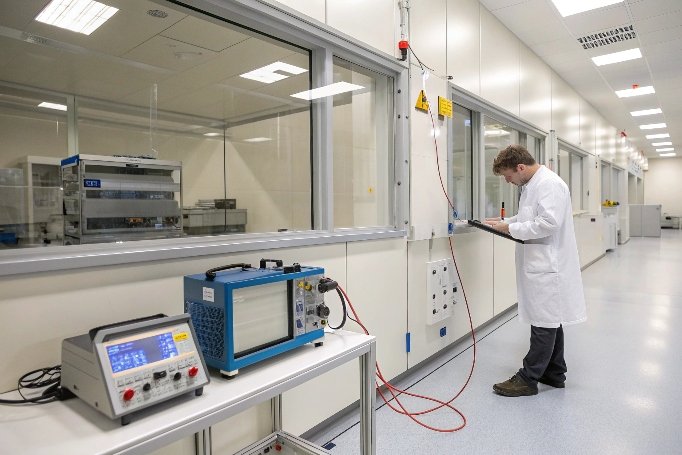
I sell beauty and therapy machines overseas every month, and I’ve learned one simple truth: without independent certification, customs clearance can stop everything.
Yes, imported shockwave therapy machines require independent testing and certification before entering most regulated markets. Accredited laboratories verify safety, performance, and quality, ensuring compliance with FDA, CE, or other national medical-device standards.
Testing is not just paperwork. It protects patients, improves clinic acceptance, and prevents delays at customs. The following sections explain which labs are recognized globally, what certifications are required, whether testing affects shipping time, and how reports are shared with buyers.
Which labs are recognized worldwide?
As a supplier, I always encourage clients to rely on certificates from accredited global laboratories. These organizations are trusted by regulators and make compliance documentation easier to verify.
Globally recognized labs include TÜV SÜD, TÜV Rheinland, UL Solutions, Intertek, SGS, Eurofins, DEKRA, CSA Group, Nemko, and Bureau Veritas. All are ISO/IEC 17025-accredited 1 and authorized for medical-device conformity testing.
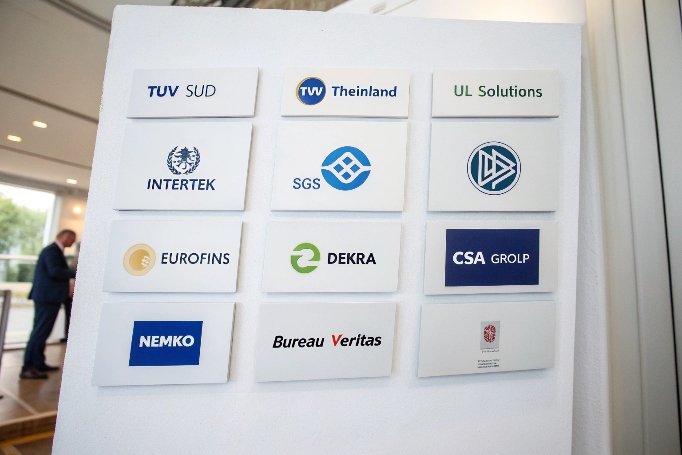
Each region relies on slightly different designations. The EU uses Notified Bodies listed in NANDO 2 for CE Marking under MDR. The U.S. recognizes Nationally Recognized Testing Laboratories (NRTL) 3 such as UL or Intertek. The IECEE CB Scheme 4 allows test results to transfer between countries. The UK uses Approved Bodies for UKCA 5, while Canada relies on SCC-recognized labs like CSA Group.
| Lab / Body Type | Examples | Main Role | Key Market |
|---|---|---|---|
| ISO/IEC 17025 Testing Labs | TÜV SÜD, SGS, Eurofins | Run safety and EMC tests | Global |
| Certification / Notified Bodies | DEKRA, BSI, TÜV Rheinland | Review tech files, issue CE/UKCA | EU / UK |
| NRTL (U.S.) | UL, ETL (Intertek), CSA | Certify product safety | United States |
| IECEE CB Scheme | Worldwide network | Harmonize multi-country approvals | Global imports |
Verification tips:
- Check if the lab’s accreditation includes IEC 60601 and ISO 10993 standards.
- Confirm the lab’s listing on IECEE, FDA ASCA, or EU NANDO databases.
- Request the lab’s scope of accreditation certificate and include it in the technical file.
What certifications are usually required?
I explain to buyers that every market defines safety and performance differently, but most share the same international foundation.
Common certifications include IEC 60601-1 for electrical safety, IEC 60601-1-2 for electromagnetic compatibility, ISO 10993 for biocompatibility, ISO 13485 for quality management, and CE/FDA/UKCA/CSA approvals depending on destination.
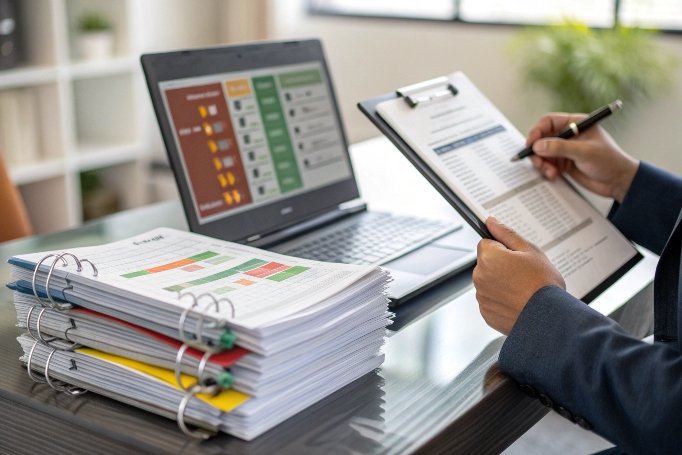
Shockwave therapy machines are considered medical electrical equipment. They must pass design verification and independent testing for electrical safety, mechanical safety, and performance stability. Handpieces or accessories that contact the skin must meet biocompatibility standards. The manufacturer must also implement a quality management system certified to ISO 13485.
| Certification Layer | Typical Requirement | What It Covers |
|---|---|---|
| Electrical Safety | IEC 60601-1 | Leakage current, insulation, grounding |
| EMC | IEC 60601-1-2 | Emission and immunity against interference |
| Biocompatibility | ISO 10993 | Skin, mucosa, and tissue compatibility |
| Risk Management | ISO 14971 | Hazard analysis and risk controls |
| Quality System | ISO 13485 | Production and traceability procedures |
| Market Approval | CE, FDA, UKCA, CSA | Legal sale in target region |
Manufacturers may also need to test additional parameters, such as acoustic output, applicator durability, and energy calibration. Accessories containing metal, plastic, or gel materials must include chemical and biological safety evaluations. For most electrical and EMC requirements, see this overview of IEC 60601 medical device testing 6, and for materials, refer to ISO 10993 biocompatibility guidance 7. Quality systems are demonstrated through ISO 13485 certification 8 and risk management per ISO 14971 9. For CE compliance under MDR, consult the EU’s CE marking guidance for medical devices 10.
Do independent tests delay shipping?
I always warn clients that unplanned testing can stop a shipment for weeks. Early scheduling avoids this.
Independent testing can delay shipping if it begins after production, but planning tests during product development keeps delivery on time. Full test programs usually take 4–10 weeks, depending on lab workload and device complexity.
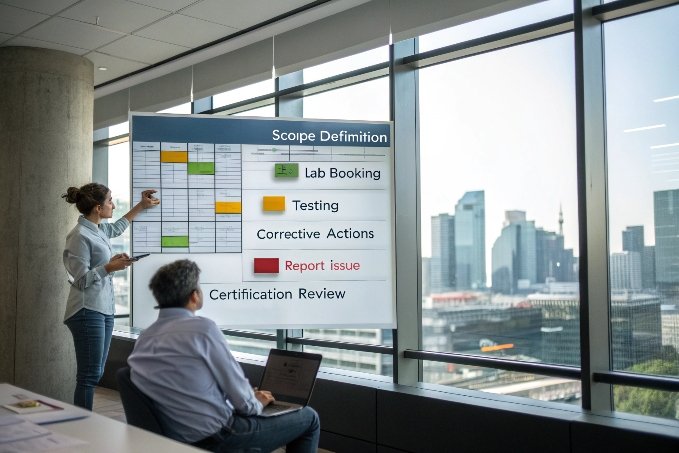
Testing time depends on four things: lab scheduling, sample readiness, retest needs, and document review. A complete IEC 60601 test can take six weeks, while EMC or biocompatibility tests can add several more. If a supplier already has valid reports, this time disappears.
| Process Step | Typical Duration | How to Avoid Delay |
|---|---|---|
| Define test scope | 1–2 weeks | Lock standard list early |
| Lab booking | 1–3 weeks | Reserve slot during assembly |
| Testing | 2–6 weeks | Provide two samples |
| Corrective actions | 1–3 weeks | Keep engineers on standby |
| Report issue | 1–2 weeks | Send documents early |
| Certification body review | 2–8 weeks | Respond quickly to comments |
Best practice: ask for pre-certified models with existing IEC 60601 or CE documentation. This allows immediate shipment without repeating full lab cycles.
When I export devices, I include a compliance pack in every shipment—buyers should never have to guess what standards were tested.
Yes, suppliers share independent test reports or certification summaries with buyers. Full reports may be shared under NDA, while public compliance documents (CE certificate, DoC, ISO certificate) are always included.
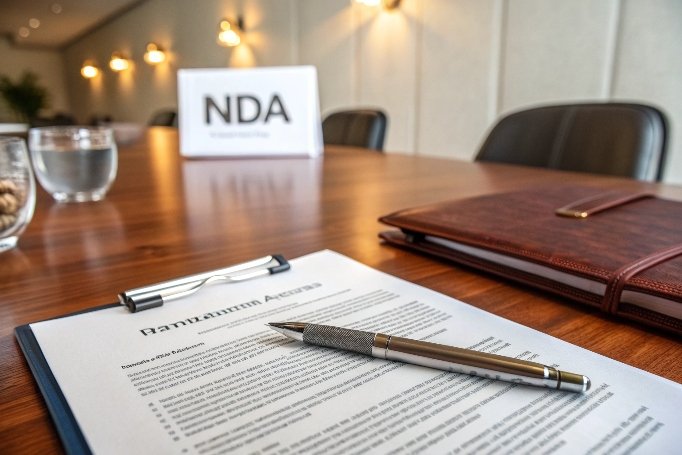
Most suppliers provide a compliance folder containing:
- CE or FDA approval certificates
- Declaration of Conformity (DoC)
- ISO 13485 and ISO 14971 documents
- IEC 60601 safety and EMC summaries
- Calibration and performance data
If the buyer needs the complete technical report (for tender or regulatory filing), the supplier can release it under a confidentiality agreement. This keeps trade secrets protected while satisfying official documentation needs.
| Document Type | Purpose | Sharing Policy |
|---|---|---|
| CE / FDA / UKCA certificates | Market authorization | Always shared |
| ISO 13485 certificate | Quality management proof | Always shared |
| IEC 60601-1 test summary | Electrical safety | Summary shared, full under NDA |
| EMC test report | Emission and immunity | Shared on request |
| Biocompatibility report | Material safety | Shared on request |
| Risk management summary | Design compliance | Shared under NDA |
Practical compliance advice for importers
Before placing an order, request a compliance checklist from the supplier. It should list all target markets, standards, and lab names. Ask for sample certificates or test reports, and make sure the model name on the report matches your product. This prevents customs detentions and import re-testing.
When machines arrive, perform a short site acceptance check—grounding test, output verification, and serial number match—to confirm that the shipment aligns with its test documentation.
Conclusion
Independent lab testing and certification are mandatory for safe and legal import of shockwave therapy machines. Choose accredited labs, verify the standards list before production, and collect all compliance documents before shipment to keep customs smooth and operations worry-free.
Footnotes
1. ILAC overview of ISO/IEC 17025 accreditation for testing labs. ↩︎
2. EU NANDO database listing Notified Bodies for CE marking. ↩︎
3. OSHA program describing NRTL recognition in the U.S. ↩︎
4. IECEE CB Scheme—mutual recognition of product test reports. ↩︎
5. UK guidance on UKCA marking and Approved Bodies. ↩︎
6. Intertek guide to IEC 60601 safety/EMC testing. ↩︎
7. FDA resource on ISO 10993 biocompatibility assessment. ↩︎
8. ISO 13485 standard page for medical device QMS. ↩︎
9. ISO 14971 risk management standard overview. ↩︎
10. EU MDR/CE marking guidance for medical devices. ↩︎

 English
  Español de México
  Deutsch
  Français
  العربية
  Русский