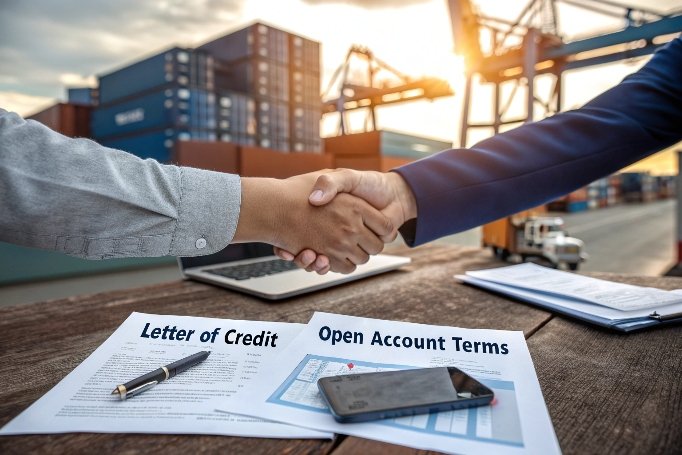
As a beauty equipment manufacturer, I often meet overseas buyers who prefer flexible payment terms. They hope to receive their shipment first and pay later, especially when building new product lines or testing markets.
Yes. Post-payment is possible under certain structures such as Letters of Credit, Documents against Acceptance, or insured open-account terms. However, these are usually available only to repeat customers or buyers with strong financial records.
Suppliers assess the buyer’s credibility, order history, and transaction value before offering such terms. For first-time orders, prepayment or staged payments remain the standard practice.
Do suppliers allow payment after delivery?
Many importers ask whether they can pay after receiving the goods, believing it reduces their financial pressure and business risk.
Payment after delivery is occasionally accepted by suppliers, but it is reserved for long-term, trusted customers or brands with solid purchase history. Most factories still require deposits and balance payment before shipment.

Suppliers generally begin with a 30% deposit and 70% balance paid before shipment. Some trading companies may extend 70% payment against a copy of the Bill of Lading (B/L) 1, but direct manufacturers seldom do so because they prefer to collect full payment before releasing goods. Once annual purchase volume exceeds USD 100,000–150,000 or the buyer becomes a recognized brand, open-account terms like Net 30–90 days become negotiable.
In cases where suppliers reject full post-delivery payment, buyers can propose using the vessel’s Bill of Lading (B/L) date as the starting point of a 30–90 day credit period. This approach balances both sides’ cash flow needs and builds trust gradually.
What risks are tied to post-payment?
Asking for post-payment means transferring part of the financial risk from buyer to supplier, especially in international transactions.
The main risks of post-payment include supplier exposure to nonpayment, quality disputes, and shipping delays. Buyers also face risks related to customs clearance, currency fluctuation, and possible communication breakdowns.

Post-payment terms such as open-account or D/A (Documents against Acceptance) transactions expose exporters to delayed or missed payments. Suppliers often mitigate these risks by purchasing trade credit insurance 2 or using factoring services 3. Buyers, on the other hand, may face shipment delays or document discrepancies if payment triggers are unclear.
To prevent conflicts, both parties should document all acceptance criteria, quality checkpoints, and inspection standards in the Proforma Invoice (PI) 4. A clear inspection protocol—using golden samples, pre-shipment checks, and AQL testing—ensures that disputes are handled based on data, not opinion.
Currency risk is another issue, especially when contracts are priced in USD or EUR. Some suppliers include a currency adjustment clause 5 or encourage faster payment to minimize exposure to exchange rate changes.
Can escrow services be used safely?
Many importers rely on escrow or trade assurance systems to protect their payments when they do not yet have a trusted supplier relationship.
Yes. Escrow services are generally safe if the release conditions are well defined. They hold funds until both sides meet agreed milestones such as inspection approval or document submission.
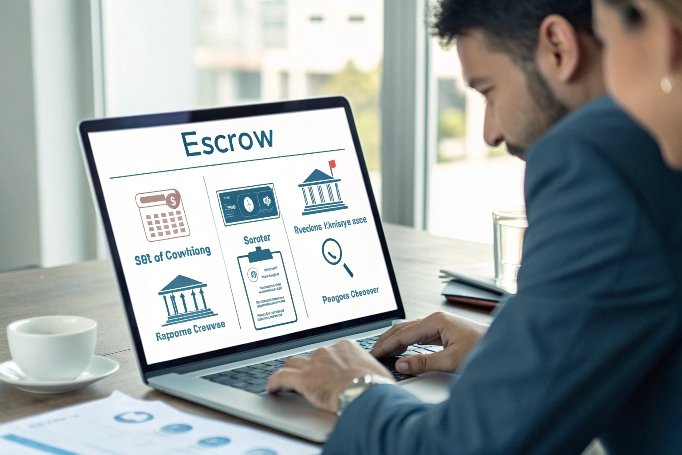
Escrow 6 acts as a neutral financial agent that releases funds once the shipment and documentation meet predefined standards. The key to safety is clarity—clear inspection criteria, objective pass/fail parameters, and strict timelines for fund release. For example, payment may be released after the supplier uploads the Bill of Lading, commercial invoice, packing list, and certificate of origin, along with a third-party inspection report.
However, escrow should not replace the supplier’s warranty responsibilities. Any product defects discovered after release must be handled under a separate warranty clause, not through escrow withholding. For bulk orders or certified medical devices, an escrow arrangement combined with Alibaba Trade Assurance 7 offers a strong middle ground between trust and security.
Do large buyers qualify for open account?
Long-term distributors and brand owners often ask for more flexible credit arrangements to support regular imports.
Yes. Large or reputable buyers can qualify for open-account terms once they demonstrate financial stability and purchase consistency. Credit periods of Net 30–90 days are often linked to the Bill of Lading date instead of delivery.

Suppliers evaluate open-account eligibility based on several criteria: total annual purchase value, payment history, and business reputation. Buyers with consistent annual orders exceeding USD 100,000–150,000 are more likely to receive favorable terms. In some cases, suppliers secure export credit insurance 8 to cover potential payment risks and include the insurance premium within the product cost.
Open-account arrangements usually include safeguards such as retention of title clauses 9, late payment penalties, and monthly reconciliation statements. These protect the supplier’s interests while giving the buyer financial flexibility. A structured transition—starting with small deposits and gradually moving toward full credit—creates mutual confidence and reduces risk for both parties.
Conclusion
Post-payment is possible for imported shockwave therapy machines, but it requires trust, documentation, and proven trading history. Escrow, Letters of Credit, or insured open-account terms provide safer ways to balance cash flow and confidence for both buyers and suppliers. More information can be found in the ICC guide to Letters of Credit 10.
Footnotes
1. Explanation of Bill of Lading in trade and payment logistics. ↩︎
2. U.S. Department of Commerce guide on export credit insurance. ↩︎
3. Corporate Finance Institute explanation of factoring mechanisms. ↩︎
4. Tutorial on drafting export Proforma Invoices. ↩︎
5. Definition of currency adjustment clauses and usage examples. ↩︎
6. Payoneer resource on how escrow services work. ↩︎
7. Alibaba Trade Assurance policy for safe cross-border transactions. ↩︎
8. Allianz Trade overview of export credit insurance coverage. ↩︎
9. Lexology explanation of retention of title clauses in trade. ↩︎
10. ICC official guide to using Letters of Credit securely. ↩︎

 English
  Español de México
  Deutsch
  Français
  العربية
  Русский