Working with many brands on machine production, I often see clients look for a more distinctive exterior colour to strengthen their identity.
Yes, the appearance of a shockwave therapy machine can be recoloured, and several external components—such as shells, decorative trims, and side panels—usually support this. Custom finishes like matte, gloss, or metallic are also possible, though MOQ, compliance, and cost may vary depending on process and material.
Let’s explore how each part of the machine can be customised and what you should expect before placing an order.
What surface or housing components are eligible for recolouring?
In my daily work helping clients customise exterior designs, one common issue is understanding which parts can be recoloured without affecting performance or certification.
Most external housings made from ABS plastic, aluminum, or coated metal can be recoloured using molded pigments, spray coatings, or anodising. Components tied to heat management, load-bearing structure, or certification labels cannot be recoloured due to safety rules.
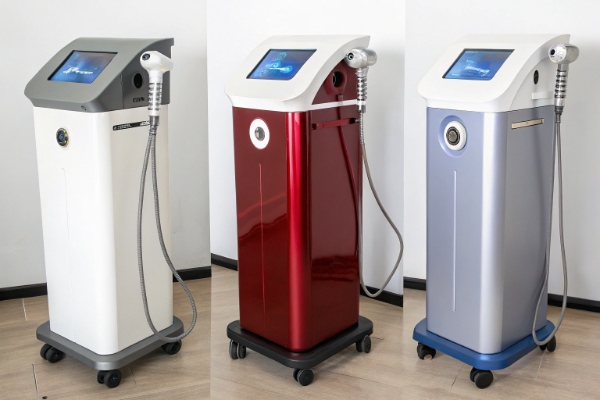
Components That Commonly Support Colour Customisation
ABS Shell
Accepts injected pigment or spray coating.
Aluminum Decorative Panels
Supports anodising or metallic coating 1.
Handpiece Casing
Custom colours are possible but may require separate batches.
Table: Recolouring Feasibility by Component
| Component | Can Be Recoloured | Reason |
|---|---|---|
| ABS outer casing | Yes | Supports pigment or coating |
| Aluminum side pieces | Yes | Can be anodised or painted |
| Front panel frame | Limited | Depends on supplier tooling |
| Internal structure | No | Affects safety certification |
| Heat vents | No | Must maintain heat flow |
Why Restrictions Exist
Parts responsible for internal airflow, grounding, or label placement must remain unchanged because recolouring may force the product into re-testing, raising costs and timelines.
Practical Tip
When clients cannot meet the pigment-injection MOQ, we often recolour only the visible shell using spray coating to reduce minimum order requirements.
Are custom colours available in metallic, matte, or gloss finishes?
When clients ask for a premium look, finish selection becomes the key factor—different markets prefer different textures.
Yes, multiple finishes are available, including matte, gloss, soft-touch, metallic, and semi-metallic. The specific finish depends on material and manufacturing method, and each finish affects cost, MOQ, and production time differently.
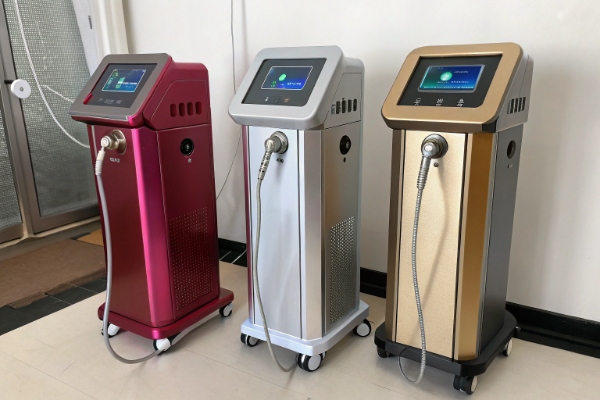
Finish Options and Their Benefits
Matte Finish
Clean and understated. Hides fingerprints and works well for medical settings.
Gloss Finish
Brighter appearance with stronger colour depth.
Metallic Finish
Ideal for premium branding but usually requires higher MOQ.
Table: Finish Type vs Requirements
| Finish | Method | MOQ Level | Cost Level |
|---|---|---|---|
| Matte | Spray coating | Medium | Medium |
| Gloss | Molded pigment or coating | Low | Low |
| Metallic | Pigmented coating or anodising | High | Medium–High |
| Soft-touch | Rubberized coating | Medium | High |
Practical Tip
If budget is limited, adding metallic colour only on trims or side plates gives a high-end visual without increasing MOQ too much.
Does recolouring impact compliance or warranty terms?
Whenever a client requests colour modification, I always check how the surface treatment interacts with labels, vents, and material safety rules.
Recolouring normally does not affect CE or FDA compliance as long as certified coatings are used 2, safety labels remain untouched, and no structural changes occur. Warranty also stays valid 3 when recolouring is done in-factory, but third-party repainting usually voids coverage.
Why Compliance Matters
Label Visibility
Labels must remain readable and placed in approved areas. The FDA requires that all required information be conspicuously displayed 4.
Material Standards
Color additives in medical devices 5 must be FDA approved, as many mixtures and chemicals can be hazardous. Coatings must be non-toxic.
Ventilation
Heavy coatings may trap heat, so ventilation areas cannot be overcoated.
Table: Warranty Conditions Based on Recolouring Method
| Situation | Warranty Status | Notes |
|---|---|---|
| Recolouring done during production | Valid | Controlled materials |
| Recolouring by third-party | Void | Unknown coating quality |
| Structural parts recoloured | Void | Affects safety |
| Only cosmetic housing recoloured | Valid | No performance impact |
Practical Tip
Always include recolouring in your purchase order. Post-delivery repainting almost always breaks warranty.
What is the process and cost for requesting a custom machine color?
Many customers underestimate the MOQ or tooling requirements, especially when injection-molded pigments are involved.
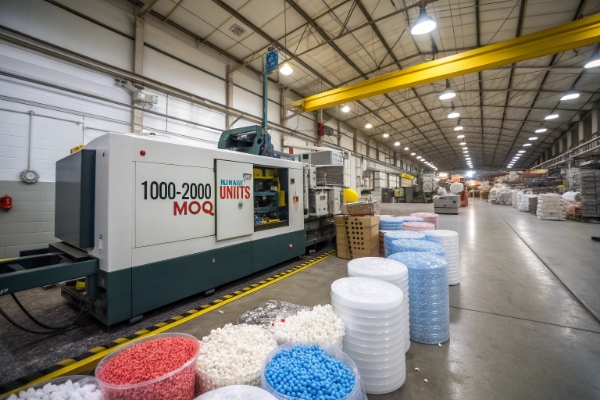
The colour-customization process includes choosing a Pantone code 6, reviewing colour samples, confirming MOQ or paying for a shell batch, approving the finish, and adding 5–7 extra production days. MOQ for molded colours is typically 1000–2000 units; spray-coating allows smaller batches with added cost.
Step-by-Step Workflow
1. Select Colour
Clients send Pantone code; we prepare matched samples.
2. Receive Sample Plate
A physical sample is shipped for approval.
3. Confirm MOQ or Choose Alternative
Options include:
- Meeting 1000–2000 pcs MOQ for pigment injection
- Paying separately for a custom-colour shell batch
- Signing an annual volume agreement with partial shipments
- Choosing spray coating for smaller runs
4. Production and QC
Coating or molding is completed with surface inspection and packaging.
Table: Cost and MOQ Reference
| Custom Method | Typical MOQ | Cost Level |
|---|---|---|
| Molded pigment colour | 1000–2000 units | Medium |
| Spray coating | 100–300 units | Low–Medium |
| Metallic anodising | 500–1000 units | Medium–High |
| Soft-touch coating | 200–500 units | High |
Practical Insight
If you cannot reach the MOQ, many suppliers (including us) allow:
- Prepaid annual orders shipped in batches, or
- Payment for a dedicated shell-production run
This helps mid-sized brands access custom colours without overspending.
Why is Color Matching Critical?
Achieving the exact custom color you want requires high precision, particularly in plastic injection molding.
Color matching is critical because plastic resins change color under heat, requiring precise color compounding using specific pigments and dyes to match the chosen Pantone or RAL code, ensuring lot-to-lot consistency 7 across production runs.
The Technical Challenge of Plastic Color
- Polymer Base: Different resins (like ABS or PC) absorb pigment differently.
- Heat Exposure: High injection temperatures can slightly shift the color of the final molded part.
- Consistency: For products made of two or more parts, lot-to-lot consistency is vital to avoid visible differences 8.
Color Customization Benefits
Using custom color coding can also improve safety protocols 9 in professional settings, such as using specific colors to indicate different treatment units or safety zones 10.
Conclusion
Recolouring is fully possible, but choosing the right finish, MOQ plan, and process will help you balance branding needs with cost and compliance.
Footnotes
1. FAQs on medical-grade coatings, including the use of anodizing for metal parts and the necessary testing for medical end-use. ↩︎
2. Information on the formulation and use of Medical/FDA/NSF compliant powder coatings designed for safety and resistance to harsh cleaning agents. ↩︎
3. Discussion on the Magnuson-Moss Warranty Act, which protects consumers from having warranties voided by cosmetic modifications if they don’t affect performance. ↩︎
4. U.S. FDA regulations (21 CFR Part 801) detailing requirements for medical device labeling, including the conspicuous display of required information. ↩︎
5. Guide to FDA color regulations, emphasizing that color additives in medical devices must be approved to ensure safety and compliance. ↩︎
6. Detailed explanation of custom color matching, including the use of Pantone colors to create precise, pre-colored plastic materials for molding. ↩︎
7. Resource detailing how Pantone colors are used in plastic product manufacturing to ensure accurate and consistent color reproduction across different runs. ↩︎
8. Technical guide on custom color compounding, stressing the importance of accurate lot-to-lot consistency for multi-part products. ↩︎
9. Explanation of how color-coded coatings are used in medical products to improve safety protocols and enhance the user experience. ↩︎
10. Information on how manufacturers can leverage color in medical device design to improve safety, emphasize usage sequence, and ensure regulatory compliance. ↩︎

 English
  Español de México
  Deutsch
  Français
  العربية
  Русский