Every year, our production floor ships hundreds of pressotherapy systems to the United States CBP Form 7501 Entry Summary 1. And every year, we see shipments get stuck at ports—sometimes for weeks—because an importer missed one critical document. The frustration is real, the costs pile up, and business relationships suffer.
To import a pressotherapy machine into the US, you need core documents including CBP Form 7501 Entry Summary, customs bond, commercial invoice, packing list, bill of lading, and country of origin certificate. You also need FDA-related paperwork such as establishment registration, device listing, and applicable premarket clearance like 510(k).
This guide walks you through every document requirement Harmonized Tariff Schedule classification 2. We will cover what CBP expects, how FDA regulations apply, what your Chinese supplier must provide, and how to verify your HTS codes. Let’s make your next import smooth and delay-free.
What specific documents do I need to clear US Customs for my pressotherapy machine?
When our team prepares export shipments, we always tell our clients: start with the customs basics first. Missing even one of these documents can trigger port delays, storage fees, and unwanted scrutiny from border officials.
The CBP Form 7501, also known as the "Entry Summary," is a mandatory document used by CBP to analyze and determine the accuracy of information regarding imported commodities, including appraisement, origin, and classification. You'll also need a customs bond, commercial invoice, packing list, and bill of lading.

The Core CBP Documents
Custom and Border Protection relies upon CBP Form 7501 "Entry Summary" to determine relevant information regarding the imported commodity. This is not optional. It's the foundation of your import entry.
When an import shipment arrives in the US, the importer or the customs broker representing the company is required to file a set of documents with the Port Director at the port of entry. To accelerate the release process, a Custom Release form—CBP Form 3461 must be filed. The freight forwarder has 10 days from the date of release of the shipment by the customs to file CBP Form 7501.
Here's what the CBP Form 7501 requires:
| Field | Description |
|---|---|
| Entry Number | 11-digit alphanumeric code identifying your shipment |
| Surety Number | Three-digit code identifying your customs bond 3 company |
| HTS Code | Harmonized Tariff Schedule classification for your pressotherapy machine |
| Country of Origin | ISO country code (CN for China) |
| Entered Value | Declared customs value of your goods |
| Duty Rate | Applicable tariff percentage |
Customs Bond Requirements
A customs bond is required for medical device imports because they're regulated by the FDA. You have two options:
- Single Entry Bond: Best for one-time or occasional importers
- Continuous Bond: Covers all shipments for one full year from the issue date
A single entry bond should be attached to the entry summary package.
Supporting Commercial Documents
Your shipment must include these core commercial documents:
Bill of Lading, Packing List and Commercial Invoice are the three kinds of paperwork used in every import process.
A commercial invoice is a bill for the goods from the seller to the buyer. These documents are often used by governments to determine the true value of goods when assessing customs duties.
An export packing list lists seller, buyer, shipper, invoice number, date of shipment, mode of transport, carrier, and itemizes quantity, description, type of package, the number of packages, total net and gross weight, package marks and dimensions.
How do I ensure my pressotherapy device meets FDA and medical equipment import requirements?
From our experience working with US distributors, FDA compliance is where most import problems originate. The FDA doesn't just check your device at the border—they check your entire supply chain's regulatory status before your container even lands.
Medical device importers must ensure premarket compliance (510(k)/PMA), establishment registration and listing, proper CBP filing codes (DEV, LST, PM#), and ongoing MDR obligations. Foreign manufacturers need US agents while initial importers must maintain complaint files in the US.

FDA Establishment Registration and Device Listing
Domestic and foreign manufacturers, initial importers, and other businesses involved in producing and distributing medical devices intended for sale in the U.S. must register their establishments with the FDA.
Establishments must use the FDA's Unified Registration and Listing System (FURLS) to complete their registration electronically. Once registered, establishments must list all medical devices they manufacture, prepare, propagate, compound, assemble, or process for commercial distribution in the US.
Here's a breakdown of FDA registration requirements:
| Requirement | Who Must Comply | Documentation Needed |
|---|---|---|
| Establishment Registration 4 | Foreign manufacturer & US importer | DEV registration number |
| Device Listing | All devices entering US commerce | LST listing number |
| US Agent Designation | Foreign manufacturers only | US Agent contact details |
| Premarket Submission | Class II/III devices | 510(k) or PMA number |
Premarket Notification Requirements
Most Class II and all Class III devices need FDA 510(k) clearance or PMA approval before importation.
Pressotherapy machines typically fall under Class I or Class II depending on their intended use. If marketed for general massage and relaxation, they may qualify as exempt. But if marketed for medical conditions like lymphedema or circulation improvement, FDA oversight increases significantly.
Importers should ensure their devices comply with all applicable requirements, including Premarket Notification 510(k) 5: Some medical devices require premarket submissions to demonstrate that the devices are safe and effective.
Labeling and UDI Compliance
Devices must have proper labeling, including Unique Device Identification (UDI) 6.
Labelling Requirements: Devices are properly labelled in accordance with FDA regulations. Medical Device Reporting: The importer has met the mandatory reporting requirements. US Designated Agent: Foreign manufacturers must designate a U.S. agent. Quality Systems Regulation: The manufacturer must maintain a quality system that meets applicable FDA requirements.
Consequences of Non-Compliance
Products that don't meet requirements face detention, refusal, and destruction, often costing importers hundreds of thousands in lost inventory.
Products can be refused entry into the US if they do not meet the FDA's requirements. Importers have 90 days to export or destroy the products.
What paperwork should I expect from my Chinese supplier to avoid shipping delays?
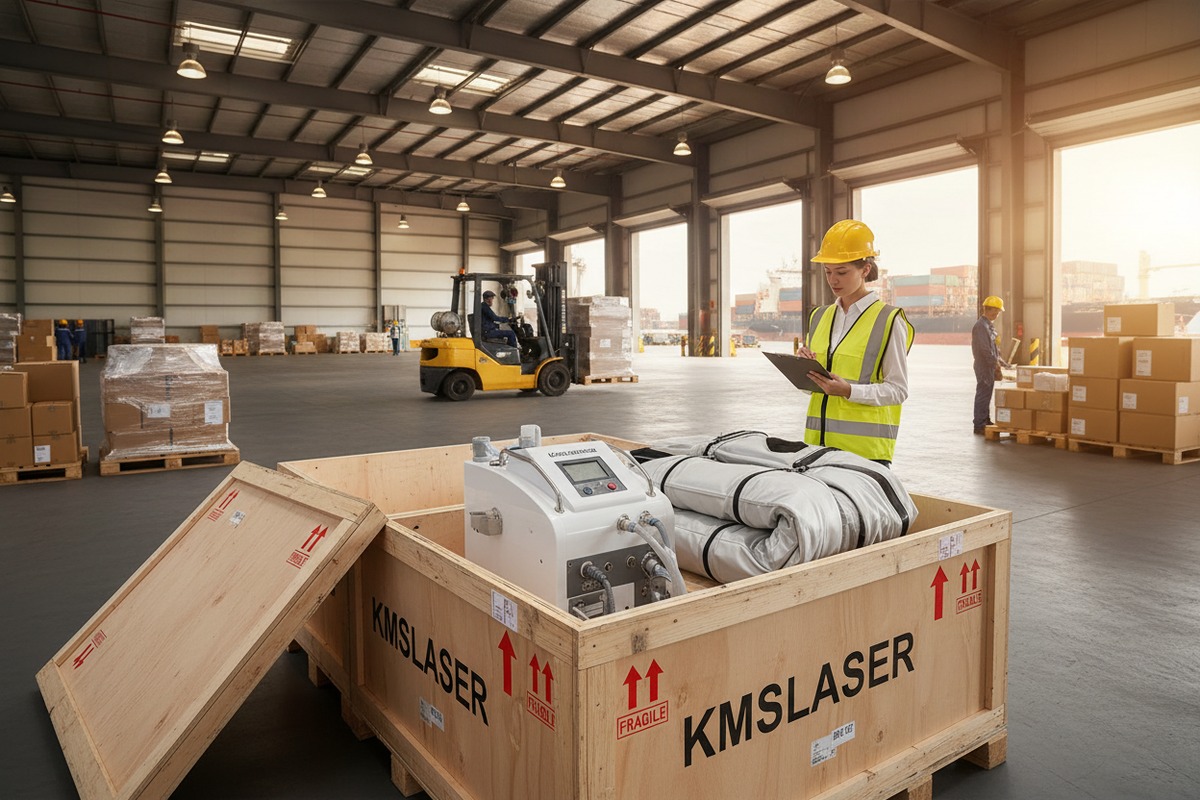
In our factory, we prepare a complete documentation package for every export order. When these documents are missing or inconsistent, shipments get held at both the China exit port and the US entry port. That's a double delay you don't want.
Your Chinese supplier should provide a commercial invoice with accurate product descriptions and values, a detailed packing list, bill of lading or air waybill, certificate of origin, technical specifications, and any compliance certificates. Failing to prepare complete and accurate documentation, including commercial invoices, packing lists, and certificates of origin can cause major delays.
Commercial Invoice Requirements
A Commercial Invoice will specify the order value, types of products and consignee. This document serves for customs to determine the true value of goods when assessing customs duties.
Your commercial invoice must include:
| Information | Why It Matters |
|---|---|
| Full exporter name and address | Identifies the manufacturing source |
| Complete buyer/importer details | Links to your CBP entry |
| Detailed product description | Must match HTS classification |
| Unit price and total value | Basis for duty calculation |
| HS code | International tariff classification |
| Terms of sale (Incoterms) | Determines cost allocation |
| Country of manufacture | Required for origin determination |
In the United States, the requirements for a commercial invoice include the full name and address of both the importer and exporter, along with a detailed description of the goods being shipped. This description should include the quantity, weight, and value of the goods. The commercial invoice must also indicate the terms of sale.
Packing List Details
A Packing List will specify the volume, different types of products and quantity per type of product. This document often serves as the means for the recipient to verify that the items identified on the bill of lading are in fact delivered.
Provides a breakdown of how goods are packed, including weight, dimensions, and contents of each carton or pallet. It helps customs verify shipments during inspections and ensures that what's physically inside matches what's declared.
Bill of Lading and Air Waybill
The bill of lading (for sea freight) or air waybill (for air freight) is your contract with the carrier and your proof of shipment. Ocean B/L for the ocean carrier can be telex released for no bother sending the originals.
Certificate of Origin
A signed statement as to the origin of the export item. Certificate of Origin 7 Certificates of origin are usually validated by a semiofficial organization, such as a local chamber of commerce.
This document is critical for determining applicable tariff rates and any trade agreement benefits or Section 301 tariff applications.
Additional Documentation for Medical Equipment
For pressotherapy machines specifically, your supplier should also provide:
- Technical specifications sheet
- User manual in English
- Quality certificates (ISO 13485 8 if applicable)
- Test reports and calibration records
- Electrical safety certifications (CE, FCC if applicable)
Using incorrect or inconsistent Harmonized System (HS) codes can lead to misclassification and customs clearance issues.
How can I verify that my HTS codes and commercial invoices are correct for US entry?
Our engineering team often sees US buyers confused about tariff classification. Pressotherapy machines can fall under different HTS codes depending on design and intended use. Getting this wrong means paying incorrect duties—or worse, triggering an audit.
HTS code 9019 covers mechano-therapy appliances, massage apparatus, and other therapeutic respiration apparatus. Verify your HTS code by reviewing product specifications, checking CBP rulings, consulting the USITC database, and working with a licensed customs broker.

Understanding HTS Classification for Pressotherapy
Pressotherapy machines may be classified under several HTS codes:
| HTS Code | Description | Typical Duty Rate |
|---|---|---|
| 9019.10.20 | Massage apparatus, electrically operated | Free to 4.2% |
| 9018.90.80 | Other medical instruments and appliances | Free to 2.5% |
| 8543.70.93 | Electrical machines with individual functions | Varies |
The Bureau of Customs and Border Protection (CBP) is solely authorized to interpret the HTS, to issue legally binding rulings or advice on the tariff classification of imports.
How to Verify Your Classification
The Harmonized Commodity Description and Coding System is an internationally standardized system of names and numbers to classify traded products. The HS System is maintained by the World Customs Organization 9 and used by customs authorities around the world.
Steps to verify your HTS code:
- Review product function: Is it primarily for massage, lymphatic drainage, or medical therapy?
- Check CBP rulings database: Search for similar products and their classifications
- Consult USITC database: Verify the code exists and review the duty rate
- Request a binding ruling: For certainty, submit a ruling request to CBP
Commercial Invoice Accuracy
Make sure that all of the necessary information is included on the commercial invoice, and that it's accurate and up-to-date. This includes information about the sender and recipient, the shipment, and the payment details. Providing accurate and detailed descriptions of the goods is essential to avoid delays.
Ensure that the product descriptions are consistent with any other documentation, such as packing lists or bills of lading.
Working with Customs Brokers
Work with a licensed customs broker to navigate import regulations. Ensure accurate tariff classification to avoid unnecessary duties or delays. Verify that all required import documentation is complete and submitted correctly.
A good customs broker will:
- Verify your HTS code against CBP rulings
- Cross-check all documents for consistency
- File electronically through the ACE system
- Handle any CBP inquiries or examinations
Avoiding Common Classification Errors
Avoid misclassification of medical devices leading to incorrect duties or delays.
Common mistakes we see:
- Classifying as general electronics when medical classification applies
- Using wellness product codes for therapeutic devices
- Inconsistent codes between commercial invoice and entry summary
- Failing to account for Section 301 tariff implications
Many medical devices are manufactured in and imported from China, resulting in a large number of these products being impacted by Section 301 tariffs. These tariffs impact thousands of products and can be as high as 25% in some cases.
Conclusion
Importing pressotherapy machines requires careful attention to both CBP and FDA documentation. Prepare your Form 7501, secure your customs bond, verify your supplier's paperwork, and confirm your HTS classification before shipping. When you get these right, your equipment clears quickly and your business keeps moving.
Footnotes
1. Official information on the CBP Form 7501, a mandatory document for importing goods. ↩︎
2. Official USITC database for searching and understanding Harmonized Tariff Schedule classifications. ↩︎
3. Explains the purpose and types of customs bonds required by CBP for importers. ↩︎
4. Official FDA guidance on establishment registration and device listing for medical devices. ↩︎
5. Official FDA details on the 510(k) premarket notification process for medical devices. ↩︎
6. Official FDA information on the Unique Device Identification system for medical devices. ↩︎
7. Provides an overview of the Certificate of Origin and its importance in international trade. ↩︎
8. Official ISO standard for quality management systems in the medical device industry. ↩︎
9. Official website of the intergovernmental organization that maintains the Harmonized System. ↩︎

 English
  Español de México
  Deutsch
  Français
  العربية
  Русский