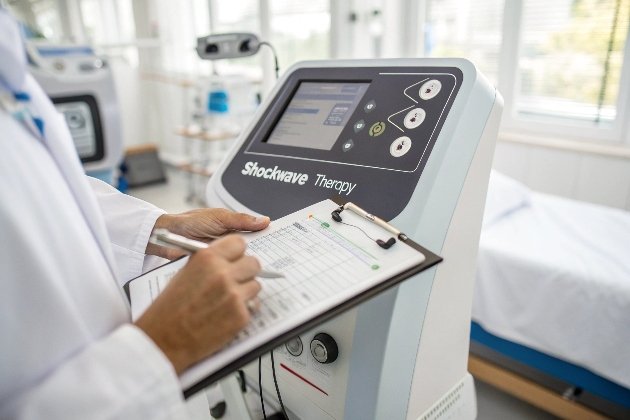
I learned that buying on price invites downtime, weak outcomes, and compliance risk.
The safe path is simple: validate technical specs, confirm certifications, check maintenance and spare-parts plans, demand real after-sales support, and align features with patient needs. This mix protects outcomes, reduces downtime, and keeps total cost predictable.
From experience, a clear checklist changes the decision. It turns sales claims into measurable facts. It also prevents surprises around applicator life, compressor wear, cooling, and software updates. The sections below answer the key questions, in plain language that a busy clinic can use today.
What maintenance issues do shockwave machines usually face?
Budget units look fine at first. Then output drifts, heat climbs, and schedules collapse.
Plan for wear in handpieces, seals, projectiles, and guide tubes on radial systems; electrode or membrane fatigue on focused systems; heat at higher frequencies; and coupling losses. A preventive plan avoids downtime and keeps treatments consistent.
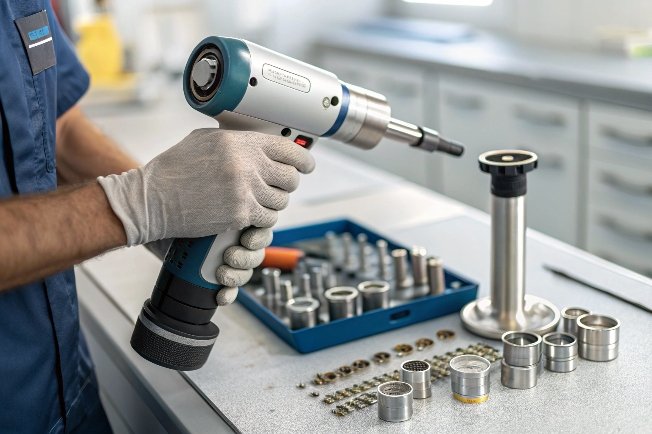
A shockwave system 1 is a set of moving and high-stress parts. Radial devices push a projectile down a guide tube using compressed air. Friction slowly polishes or scores the tube. O-rings lose elasticity. Air lines gather moisture. Small leaks create pressure lag. Each of these changes the feel of the pulse, even when setpoints do not change. Focused devices face different physics. Electrohydraulic electrodes pit and erode, which shifts the spark gap and wavefront. Electromagnetic membranes fatigue under repeated deflection. Piezo arrays can lose individual elements. All designs suffer when heat builds up in long sessions at high Hz. Temperature raises patient discomfort and lowers output stability.
Coupling matters more than many expect. A scratched applicator face or thin gel layer causes reflection and wasted energy. That increases pain and reduces effect. Good routines fix this. Keep a shot counter. Clean and re-grease radial guide tubes on schedule. Purge the compressor’s water trap. Inspect hoses and quick-connects. On focused machines, check standoffs and gel pads for bubbles, fog, or cracks. Verify fan flow and clean filter screens. Use a simple QC spot-check each month. A reference test pad 2 or the device’s internal calibration routine can show early drift before patients feel it.
Preventive maintenance plan (clinic template)
| Component / Area | Typical Interval | What to Do | If Skipped, Expect… |
|---|---|---|---|
| Radial guide tube | 100–200k shots | Clean, re-grease, inspect | Output drop, louder impact |
| Radial O-rings & seals | 3–6 months | Replace if dry/cracked | Pressure loss, uneven pulses |
| Projectiles (radial) | 300–600k shots | Inspect wear, replace | Vibration, patient discomfort |
| Electrodes/membranes (focused) | Per OEM shots/time | Replace and recalibrate | Unstable peak pressure |
| Cooling & airflow | Monthly | Clean vents/filters | Overheating, autostop |
| Output verification | Quarterly | Run QC test | Wrong dosing, poor results |
Pro tip: ask the supplier for a maintenance calendar with part numbers, step-by-step videos, and a list of tools and lubricants. That small packet saves hours later.
How long do shockwave therapy applicator heads last?
Heads are consumables. Lifespan depends on shot count, pressure, frequency, anatomy, and technique.
Plan for radial tips and guide tubes to need revision between 0.2–1.0 million shots per kit, with handpieces rated for 2–3.5 million shots. Focused standoffs and gel pads follow time or wear. Early signs include rising noise, hotter handpieces, and more tenderness at the same settings.
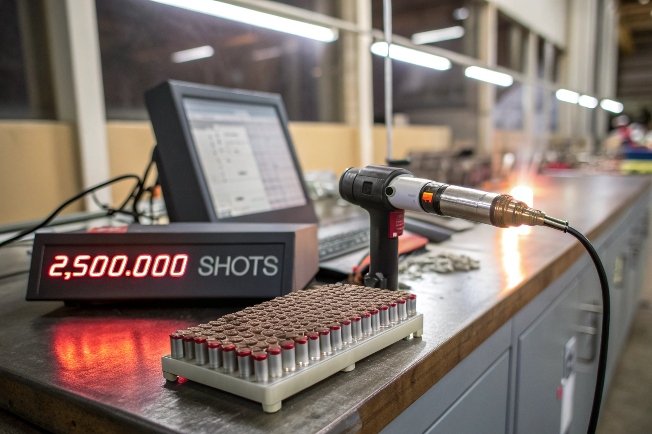
Applicator geometry sets local energy density. Small diameters concentrate force and wear faster on bony areas. Large heads spread load and last longer, but still pick up micro-scratches that scatter energy. Technique shapes life too. Perpendicular contact, steady pressure, and fresh gel reduce micro-impacts. High bar plus high Hz shortens life for radial systems. For focused devices, the “head” is the standoff and coupling path. Surface haze or trapped air in gel pads weakens coupling and raises pain. Replace on schedule, not only when failure is obvious.
Stock the clinic based on throughput. Busy sites hold at least one full revision kit per active device and swap during low-volume hours. Keep a simple wear log 3: date, starting shot count, anatomy types treated, and any changes in feel or sound. This log predicts the next changeout before sessions are at risk. Confirm warranty rules, because some brands include the first revision kit while others count it as a consumable. Ask whether a loaner handpiece is available during service. That single detail protects revenue.
Typical lifespan and replacement triggers
| Part | Expected Life (typical) | Early Warnings | Replace When… |
|---|---|---|---|
| Radial tip (10–25 mm) | 200k–500k shots | Face gets rough; louder clicks | Output drops or comfort declines |
| Radial guide tube | 500k–1M shots | Inconsistent “hit” feel | Fails QC or shows scoring |
| Radial handpiece | 2M–3.5M shots | Heat and vibration rise | Calibration drifts, leaks start |
| Focused standoff/gel pad | Months of use | Scratches, bubbles, fogging | Coupling feels uneven |
| Focused electrode/membrane | Per OEM spec | Peak pressure unstable | Out of tolerance on check |
Inventory rule of thumb: hold 10–20% spare tips by annual shot volume, plus one extra guide tube and full seal set per device.
What after-sales support is critical for shockwave devices?
Great hardware fails without great support. Clinics need speed, parts, know-how, and clear lines of help.
Look for certified training, protocol libraries, remote diagnostics, quick-ship spares, and loaners during repair. Expect WhatsApp or phone response within business hours, a named engineer, and written SLAs for turnaround and calibration.

Support starts before the invoice. Strong suppliers share startup training 4 that covers coupling, anatomy targeting, and safe dosing. They provide protocol presets and a plan to adapt settings to patient tolerance. They also supply a QC checklist 5 so output stays steady as staff rotate. When faults occur, speed wins. Remote log access or a built-in diagnostic menu helps determine if the cause is user, environment, or hardware. If a handpiece must travel, a loaner keeps the book full. A stocked spare-parts kit on site turns days of downtime into minutes.
Two often-ignored topics matter in daily life:
-
Software & firmware updates. Ask how updates arrive (USB, OTA, service visit), how often they release, and what features they add. Confirm that updates preserve presets, patient records, and calibration. A simple change log 6 proves the device keeps improving and that cybersecurity basics are in place for connected units.
-
Free accessory policy and scale pricing. Clarify how many free extra tips, gel pads, O-rings, and projectiles ship per device, per order size. Ask for a spares matrix 7 with part numbers, unit prices, and recommended quantities by monthly shot volume. Confirm the shipping method for small vs bulk spares and who pays duties for replacements.
Service and support essentials (SLA snapshot)
| Area | What to Demand | Why It Matters |
|---|---|---|
| Response time | < 1 business day human reply | Cuts cancellations |
| Loaner policy | Loaner handpiece/device for repairs > 5 business days | Protects revenue |
| Spares kit | On-site kit: tips, seals, grease, tools | Minutes, not weeks, to fix |
| Training | Initial + refresher + new-staff modules | Keeps outcomes consistent |
| Updates | Regular firmware + change logs | Stability, safety, features |
| Calibration | Annual or per shots, documented | Dosing stays accurate |
Add both update cadence and free-accessory ratios to the purchase contract. This prevents silent cost creep after installation.
Are there risks if shockwave machines lack certification?
Lack of certification looks cheap at checkout and costly after an audit—or after an incident.
Yes. Non-certified devices risk electrical shock, EMC problems, unstable output, legal exposure, and insurance refusal. Always require IEC 60601 safety and EMC, the correct shockwave particular, ISO 13485 QMS, plus FDA 510(k) or CE MDR. Accept only accredited-lab reports tied to your exact model.
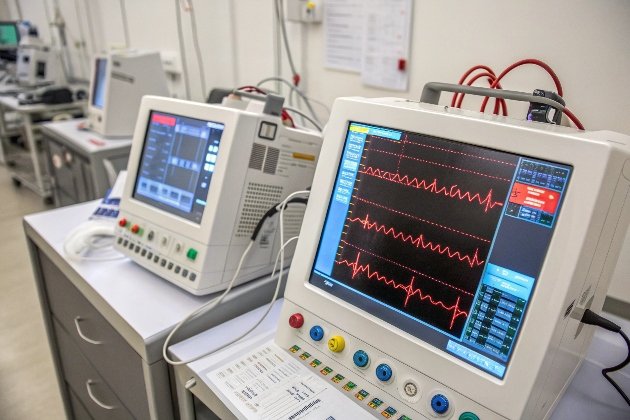
Certification is not a logo. It is a paper trail that links hazards to controls and tests. Start with IEC 60601-1 8 for electrical safety and essential performance. Add IEC 60601-1-2 9 for EMC. For shockwave specifics, ask for the applicable particular standard and a separate acoustic output report 10 that explains method, equipment, and test levels. If the device has embedded software, insist on IEC 62304 files that show class, validation, and change control. Risks and mitigations should live in an ISO 14971 risk file. The factory’s system should be ISO 13485 certified. For market access, request the FDA 510(k) summary or CE MDR Declaration of Conformity and, when required, a Notified Body certificate. Verify lab accreditation (ISO/IEC 17025) and make sure the model code on reports matches the rating plate and serial number.
Skip this pack and problems follow. Output may drift outside limits. Interference may affect other medical equipment. Claims may be denied. Resale and financing get harder. A clean compliance folder—reports, certificates, labels, training records, and calibration logs—keeps the device installable, auditable, and insurable.
Bonus: Two buyer questions often missed
Q1. Should buyers care about software update support?
Yes. Updates fix bugs, stabilize output, and add safety checks. Require a written update policy, release notes, backward compatibility for presets, and a rollback plan. For connected devices, ask about encryption, user permissions, and audit logs.
Q2. Should buyers negotiate free extra accessories with each order?
Yes. Free consumables reduce early operating costs. Request a list of included extras per device (tips, sleeves, seals, gel pads). Ask for a free-to-paid ratio by order size, and a tiered price sheet for future purchases. Confirm shipping terms (Incoterms), lead times, and whether emergency small parcels use express service.
Conclusion
Buy for uptime and outcomes. Set a maintenance plan, predict head life, secure fast support with clear SLAs, and require full certification. Lock in software updates and spare-parts terms before signing, and the device will serve patients and the brand for years.
Footnotes
1. Overview of shockwave therapy mechanisms. ↩︎
2. Methods for verifying shockwave device calibration. ↩︎
3. Why maintenance logs help predict equipment failures. ↩︎
4. WHO guide on medical device training programs. ↩︎
5. ISO QC checklist standards for consistency. ↩︎
6. Role of changelogs in documenting device updates. ↩︎
7. Best practices for spare parts inventory planning. ↩︎
8. IEC 60601-1 medical electrical safety standard. ↩︎
9. IEC 60601-1-2 standard for EMC compliance. ↩︎
10. Research on acoustic output testing for devices. ↩︎

 English
  Español de México
  Deutsch
  Français
  العربية
  Русский