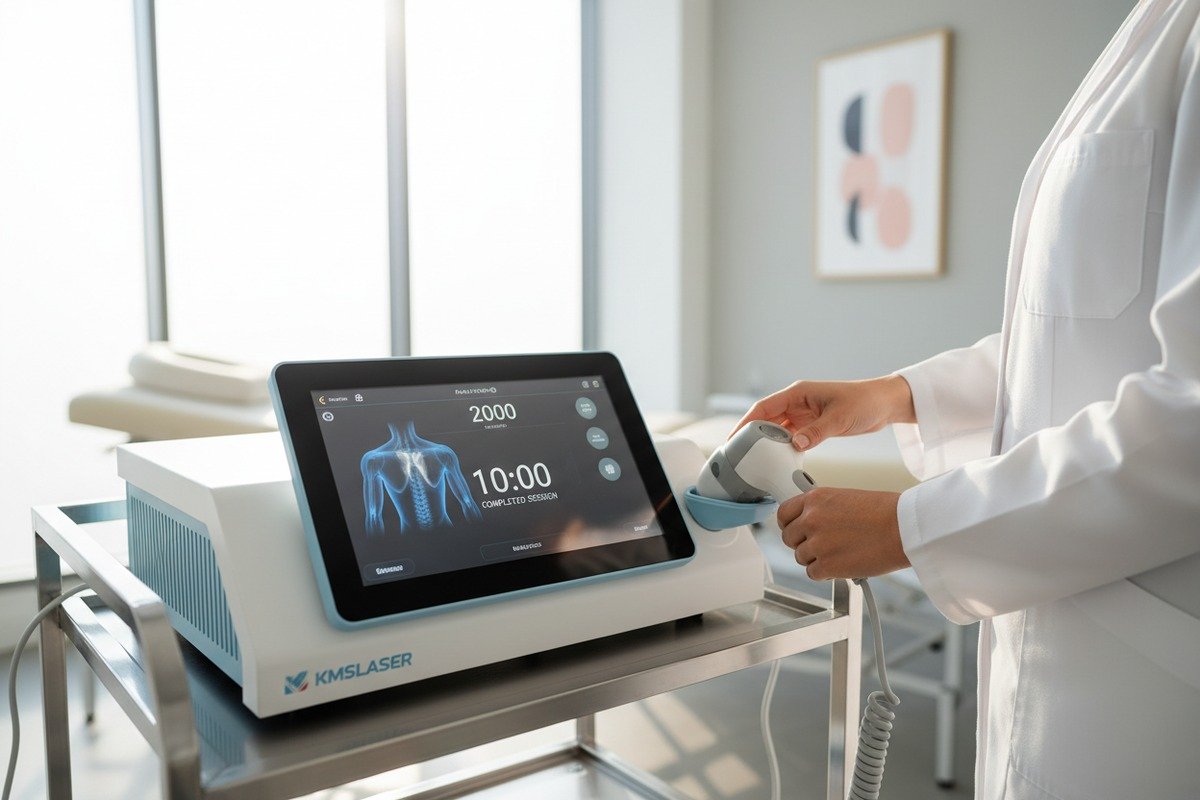
When our engineering team designs shockwave therapy equipment 1, clinic owners always ask the same question. They want to know how long they can run their machines without causing damage electromagnetic coils 2. This concern makes perfect sense for busy practices.
Shockwave therapy machines do not have a fixed maximum operating time measured in continuous hours. Instead, they are limited by duty cycles (typically 70% operation and 30% rest), pulse counts (around 5 million pulses for handpieces), and thermal thresholds. Most devices safely handle 5-15 minute treatment sessions followed by 5-20 minute cooling periods.
Understanding these limits helps you protect your investment and serve more clients. Let me walk you through everything you need to know about operating times, duty cycles 3, and how to maximize your equipment’s performance.
How long can I safely run my shockwave therapy machine during a busy workday?
Our production engineers often receive calls from clinic managers worried about daily usage limits. They schedule eight or ten patients per day and wonder if their equipment can handle the load. The answer depends on understanding how these machines actually work.
You can safely run your shockwave therapy machine for a full workday by following the 70/30 duty cycle rule. This means operating for 70% of the time and allowing 30% rest for cooling. With proper scheduling and 5-10 minute breaks between sessions, most quality machines handle 20-30 treatments daily without issues.

Understanding Duty Cycles and Real-World Scheduling
The concept of "maximum operating time" misleads many practitioners. Manufacturers do not rate these machines by continuous hours. Instead, they use duty cycles and pulse counts 4. A duty cycle tells you the ratio of active use to rest time.
Premium machines with active cooling systems 5 can operate at a 70/30 duty cycle. This means if you run a 10-minute treatment, you should allow about 4-5 minutes before the next session. During a busy day, this works perfectly with normal appointment scheduling.
Daily Treatment Capacity
Here is what a realistic busy day looks like with proper machine management:
| Time Block | Treatments Possible | Rest Periods | Total Active Machine Time |
|---|---|---|---|
| Morning (4 hours) | 10-12 sessions | 5-7 minutes each | 100-120 minutes |
| Afternoon (4 hours) | 10-12 sessions | 5-7 minutes each | 100-120 minutes |
| Full Day (8 hours) | 20-24 sessions | Built into schedule | 200-240 minutes |
Session Length Considerations
Individual treatment sessions typically involve 1,000 to 4,000 pulses. These sessions last between 5 to 20 minutes of active machine operation. The total appointment time, including patient preparation and post-treatment care, usually ranges from 15 to 30 minutes.
This natural scheduling buffer gives your machine adequate cooling time. When our technical support team reviews clinic schedules, we find most practices already allow enough rest without even trying. The patient changeover, consultation, and preparation time naturally creates breaks.
Frequency and Energy Settings Matter
Your operating limits also depend on how you use the machine. Running at maximum frequency (25 Hz) and high energy levels generates more heat than lower settings. Here is how settings affect safe operating time:
| Setting Level | Frequency Range | Energy Output | Recommended Session Length |
|---|---|---|---|
| Low | 1-8 Hz | 0.01-0.15 mJ/mm² | Up to 20 minutes |
| Medium | 8-15 Hz | 0.15-0.35 mJ/mm² | 10-15 minutes |
| High | 15-25 Hz | 0.35-0.55 mJ/mm² | 5-10 minutes |
At our facility, we test every unit at full load conditions. We find that handpieces sustain 50-60 minutes of cumulative treatment before requiring extended cooldown. This equates to roughly 5-6 high-intensity sessions in a row at maximum settings.
Will my equipment overheat if I schedule back-to-back sessions for my clients?
During quality control testing at our manufacturing facility, we push machines to their thermal limits. We monitor internal temperatures constantly. Many buyers worry about back-to-back scheduling, and this concern is valid but manageable.
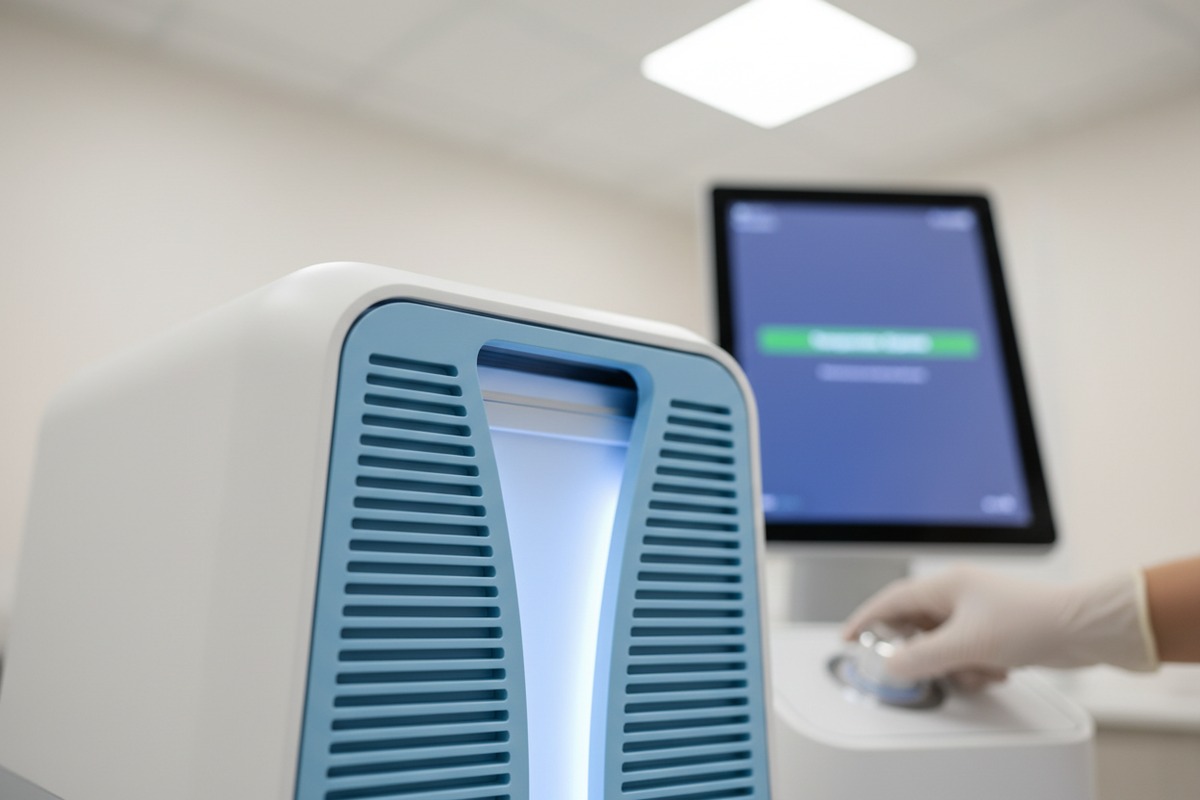
Your equipment can overheat during extended back-to-back sessions without adequate cooling breaks. Modern machines with active cooling systems (fans and heat sinks) minimize this risk. Allow 5-10 minute breaks between treatments, and monitor any warning indicators. Quality machines include automatic thermal protection that pauses operation before damage occurs.
How Heat Builds Up in Shockwave Devices
Shockwave therapy generates energy through rapid mechanical pulses. This process creates heat in the handpiece and generator. The handpiece accumulates the most heat because it directly produces the shockwaves.
Without proper cooling, internal temperatures can reach levels that degrade components. The piezoelectric elements 6 and electromagnetic coils are particularly sensitive. When our engineers design cooling systems, they focus on these critical areas.
Active vs. Passive Cooling Systems
Not all machines handle heat the same way. Here is a comparison of cooling technologies:
| Cooling Type | Mechanism | Duty Cycle Capability | Best For |
|---|---|---|---|
| Passive (heat sinks only) | Metal fins dissipate heat | 50/50 duty cycle | Low-volume practices |
| Air Active (internal fans) | Forced air circulation | 60/40 duty cycle | Medium-volume clinics |
| Advanced Active (fans + heat sinks) | Combined cooling approach | 70/30 duty cycle | High-volume professional use |
| Water Cooled | Circulating liquid coolant | 80/20 duty cycle | Intensive clinical settings |
Premium models in our product line feature advanced active cooling. These systems include strategically placed fans and aluminum heat sinks. They enable longer sessions without manual pauses for cooling.
Recognizing Overheating Warning Signs
Modern shockwave therapy machines increasingly integrate intelligent software. This software monitors internal temperatures. It automatically adjusts or pauses operation to prevent thermal damage. Here are signs your machine may need a break:
The display shows temperature warnings. Treatment energy output becomes inconsistent. The handpiece feels unusually hot to touch. Some units emit audible alarms when approaching thermal limits.
Preventing Thermal Damage
When we train our distribution partners, we emphasize these preventive practices:
First, respect the recommended duty cycle for your specific model. Second, schedule natural breaks between appointments. Third, keep air vents and cooling pathways clear of obstruction. Fourth, perform regular maintenance on fans and filters. Fifth, avoid running at maximum settings continuously unless necessary.
The material and ergonomic design of the applicator head significantly influences heat dissipation. Well-designed handpieces spread heat more evenly and transfer it away from sensitive components faster.
How does the continuous operating time affect the lifespan of my machine's internal components?
Our quality assurance team conducts HALT (Highly Accelerated Life Testing 8) on every production batch. We deliberately stress components to find their breaking points. This testing reveals exactly how operating patterns affect longevity.
Continuous operating time directly impacts component lifespan, but pulse count matters more than clock hours. Handpieces typically last 5 million pulses (approximately 55 hours at 25 Hz full load). Respecting duty cycles extends component life by 30-50%. Proper maintenance and avoiding thermal stress are equally critical for maximizing equipment longevity.

Component Lifespan by Pulse Count
Manufacturers measure equipment life in pulses rather than hours. This provides a more accurate picture of actual usage. One hour of operation at low frequency delivers far fewer pulses than one hour at maximum frequency.
Here is the typical lifespan for major components:
| Component | Expected Lifespan | Equivalent Hours (at 25 Hz) | Replacement Cost Range |
|---|---|---|---|
| Handpiece | 5 million pulses | ~55 hours | $800-$2,500 |
| Generator/Console | 50 million pulses | ~555 hours | $3,000-$8,000 |
| Control Board | 100 million pulses | ~1,100 hours | $500-$1,500 |
| Cooling Fans | 20,000 hours runtime | N/A | $50-$200 |
Radial vs. Focused Shockwave Component Differences
The type of shockwave technology affects component wear patterns. Radial devices use a pneumatic system with a projectile striking an applicator. Focused devices use electromagnetic or piezoelectric generation.
Radial handpieces experience more mechanical wear from the projectile impact. They may need replacement sooner in high-volume settings. Focused handpieces have fewer moving parts but are more sensitive to thermal stress.
Our engineers find that focused devices treat deeper tissues (up to 12.5 cm) but require more energy per pulse. Radial devices handle shallower treatments (3-6 cm) with less strain per pulse.
How Operating Patterns Affect Wear
Running your machine within recommended parameters dramatically extends component life. Here is what happens under different usage patterns:
Conservative use with proper rest periods allows components to cool completely between sessions. Thermal cycling stays within design limits. Lubricants and mechanical parts maintain optimal condition.
Aggressive continuous use without breaks causes accelerated wear. Heat accumulates in sensitive areas. Lubricants break down faster. Electrical components experience stress from temperature fluctuations.
Maintenance Protocols That Extend Life
Adherence to manufacturer-specified preventative maintenance schedules 9 is crucial. This includes filter cleaning, handpiece checks, and cable inspections. Clean filters maintain optimal cooling efficiency. Regular handpiece inspection catches early wear signs.
Our service team recommends these maintenance intervals:
Daily: Wipe down handpiece and check cables for damage. Weekly: Clean air intake filters and inspect applicator tips. Monthly: Full system diagnostic and software updates. Quarterly: Professional service inspection of internal components.
Can my shockwave therapy device handle a high-volume professional treatment schedule without failing?
When our sales team speaks with purchasing managers at large clinic chains, this question comes up constantly. They need reliable equipment that performs under demanding conditions. The answer depends on choosing the right equipment and operating it correctly.
Yes, quality shockwave therapy devices handle high-volume professional schedules reliably when you choose equipment rated for clinical use. Premium machines with 70% duty cycles, active cooling, and robust construction support 20-30 daily treatments. Select devices with adequate pulse count warranties (5+ million) and follow manufacturer maintenance protocols for optimal reliability.

Choosing Equipment for High-Volume Use
Not every shockwave machine suits intensive professional use. Entry-level devices designed for occasional use will fail under high-volume demands. When we consult with clinic owners, we help them match equipment to their actual needs.
Key specifications for high-volume clinics include:
Advanced active cooling systems (fans plus heat sinks minimum). Duty cycle rating of 70% or higher. Handpiece warranty covering 5 million pulses or more. Robust console construction with quality components. Real-time monitoring via LCD interface for pulses and temperature.
Realistic Expectations for Professional Use
Professional treatment protocols typically involve 3 to 6 sessions per patient, spaced one week apart. Each session delivers 2,500 to 10,000 pulses over 5-15 minutes. A high-volume clinic might see 25 patients daily for shockwave therapy.
Here is what this looks like in terms of machine demands:
| Daily Volume | Weekly Pulses | Monthly Pulses | Annual Handpiece Usage |
|---|---|---|---|
| 15 patients/day | 262,500-750,000 | 1-3 million | 20-60% of handpiece life |
| 25 patients/day | 437,500-1,250,000 | 1.75-5 million | 35-100% of handpiece life |
| 35 patients/day | 612,500-1,750,000 | 2.45-7 million | 50-140% of handpiece life |
Very high-volume clinics may need to budget for annual handpiece replacement. This is normal and expected for professional equipment.
Common Failure Points and Prevention
Through our warranty service program, we see patterns in equipment failures. Understanding these helps prevent problems:
Handpiece failures usually result from thermal damage or normal wear after reaching pulse limits. Prevention includes respecting cooling cycles and monitoring temperature warnings.
Generator failures often trace to power supply issues or ventilation problems. Prevention includes using quality surge protectors and keeping air vents clear.
Software glitches typically resolve with regular updates. Prevention includes installing updates promptly and performing periodic system resets.
Building Redundancy Into Your Practice
Smart high-volume clinics plan for equipment downtime. They maintain service contracts for rapid repairs. Some keep backup handpieces available. They schedule regular maintenance during off-hours.
When our distribution partners set up clinics, we recommend having manufacturer support contacts readily available. We also suggest keeping common replacement parts in stock for immediate swap-outs.
Patient Tolerance Often Limits Sessions Before Machine Limits
An interesting point emerges from clinical practice. Patient tolerance often limits session length before machine limits become relevant. Most patients experience discomfort if sessions exceed 20-30 minutes. Treatment protocols rarely call for longer sessions.
This natural limitation means that properly specified equipment rarely reaches its operational limits during normal clinical use. The machine rests while you prepare the next patient.
Conclusion
Shockwave therapy machines operate within duty cycles and pulse limits, not arbitrary time restrictions. Choose equipment with proper cooling, respect the 70/30 duty cycle, and follow maintenance schedules. Your machine will reliably serve your practice for years.
Footnotes
1. Replaced with an authoritative health information source explaining shockwave therapy. ↩︎
2. Explains what electromagnetic coils are and their diverse applications in medical equipment. ↩︎
3. Explains the engineering concept of duty cycles as the fraction of time a system is active. ↩︎
4. Discusses shockwave therapy handpiece lifespan in terms of shocks or pulse counts. ↩︎
5. Details various active cooling solutions and their importance for medical equipment performance and safety. ↩︎
6. Details the applications and importance of piezoelectric ceramics in various medical devices. ↩︎
7. Replaced with direct FDA guidance on evaluating thermal effects and tissue heating/cooling in medical devices, which discusses temperature thresholds. ↩︎
8. Defines HALT as a stress testing methodology for enhancing product reliability by identifying weaknesses. ↩︎
9. Outlines best practices for implementing preventive maintenance schedules for medical equipment. ↩︎

 English
  Español de México
  Deutsch
  Français
  العربية
  Русский