
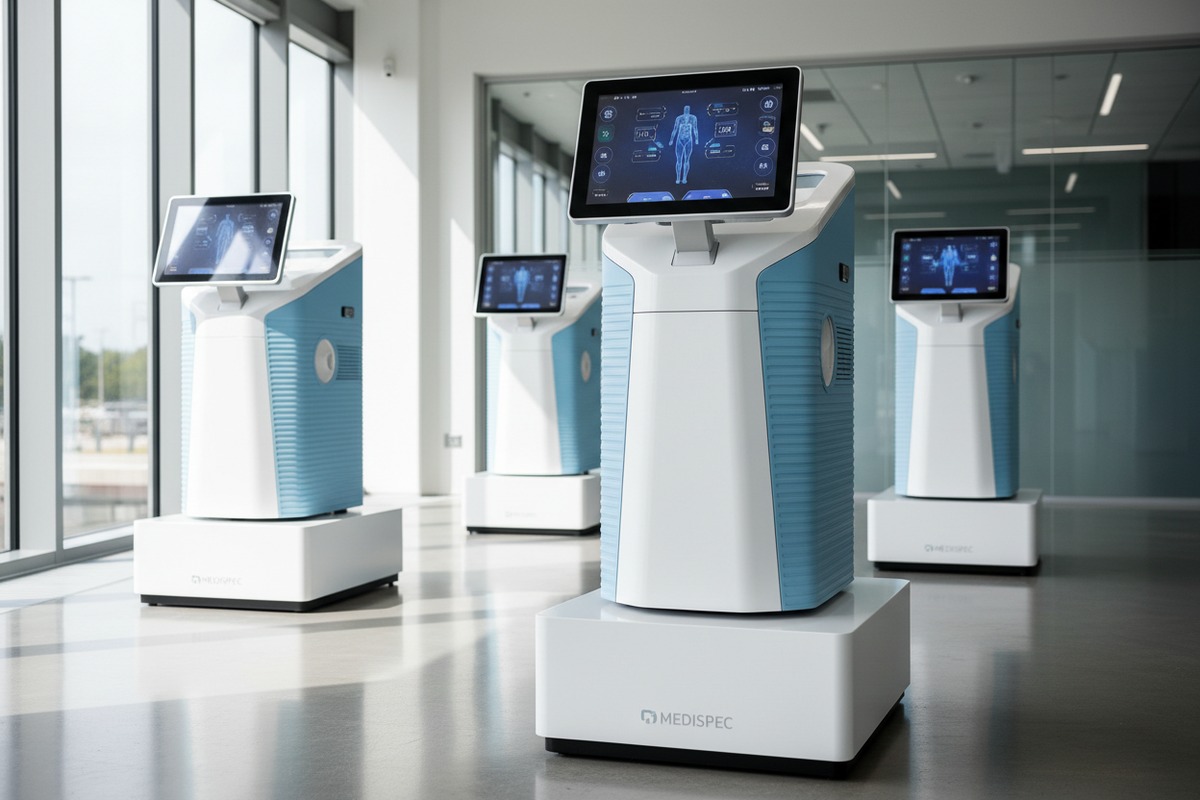
When our production team first started developing shockwave therapy units 1, distributors kept asking the same question. They wanted machines but didn’t know which type to stock. The confusion cost them sales. Understanding the different types of shockwave therapy machines is essential for smart purchasing decisions.
Shockwave therapy machines fall into three main categories: radial pressure wave (RSWT), focused shockwave (FSWT), and broad-focused systems. Radial machines treat superficial tissues up to 6 cm deep, focused units penetrate up to 12 cm with precision targeting, and broad-focused devices combine wide coverage with deep penetration for complex treatments.
This guide breaks down each type, compares their technologies, and helps you choose the right machines for your business needs. Let’s explore what makes each category unique.
How do I choose between radial and focused shockwave machines for my product catalog?
Our engineering team has tested both radial and focused systems extensively over the years. Distributors often struggle with this choice because both have loyal followers. Picking the wrong type for your market can mean slow inventory turnover and unhappy customers.
Choose radial shockwave machines for customers treating superficial conditions like muscle pain and fascia issues. Select focused shockwave units for clients needing deep tissue treatment, calcific tendinopathy, or precise targeting. Most successful distributors stock both types to capture the full market spectrum.
Understanding Wave Generation Differences
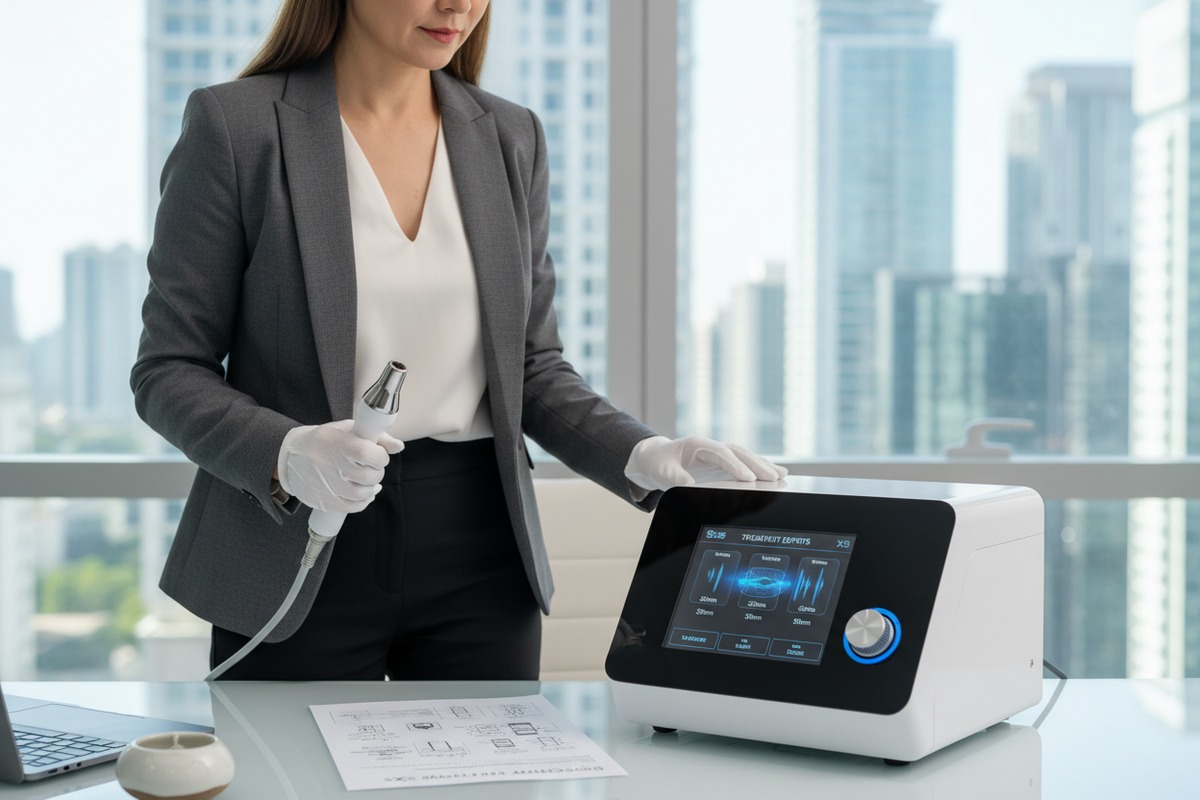
Radial and focused machines use completely different physics. Radial units work through pneumatic technology 2. A projectile inside the handpiece strikes an applicator tip. This creates pressure waves that spread outward from the skin surface. The energy disperses as it travels deeper.
Focused machines concentrate energy at a specific point. They use electromagnetic coils 3, electrohydraulic spark gaps, or piezoelectric crystals. The waves converge at a precise depth you can adjust. This creates much higher energy density at the target zone.
Depth and Coverage Comparison
| Feature | Radial (RSWT) | Focused (FSWT) |
|---|---|---|
| Maximum Depth | 6 cm | 12+ cm |
| Energy Pattern | Dispersing | Converging |
| Coverage Area | Wide, superficial | Narrow, precise |
| Peak Pressure | Lower | Higher |
| Treatment Speed | Faster per area | Slower, targeted |
Clinical Applications by Type
Radial machines excel at treating large muscle groups. They work well for myofascial trigger points 4, general muscle tightness, and superficial tendon issues. Many physiotherapy clinics prefer them for high-volume patient flow.
Focused machines target specific pathologies. They treat calcific shoulder tendinopathy 5, deep bone healing issues, and precise anatomical structures. Orthopedic specialists and sports medicine clinics often require this precision.
Cost and Maintenance Factors
From our production data, radial machines cost 40-60% less than equivalent focused units. They have fewer complex components. Maintenance involves mainly replacing transmitter heads after several million shots. No consumables beyond these heads.
Focused machines require higher initial investment. However, their durability often exceeds expectations. Electromagnetic focused units can deliver millions of shocks without significant drift. The handpiece components last longer than pneumatic projectiles.
Building Your Catalog Strategy
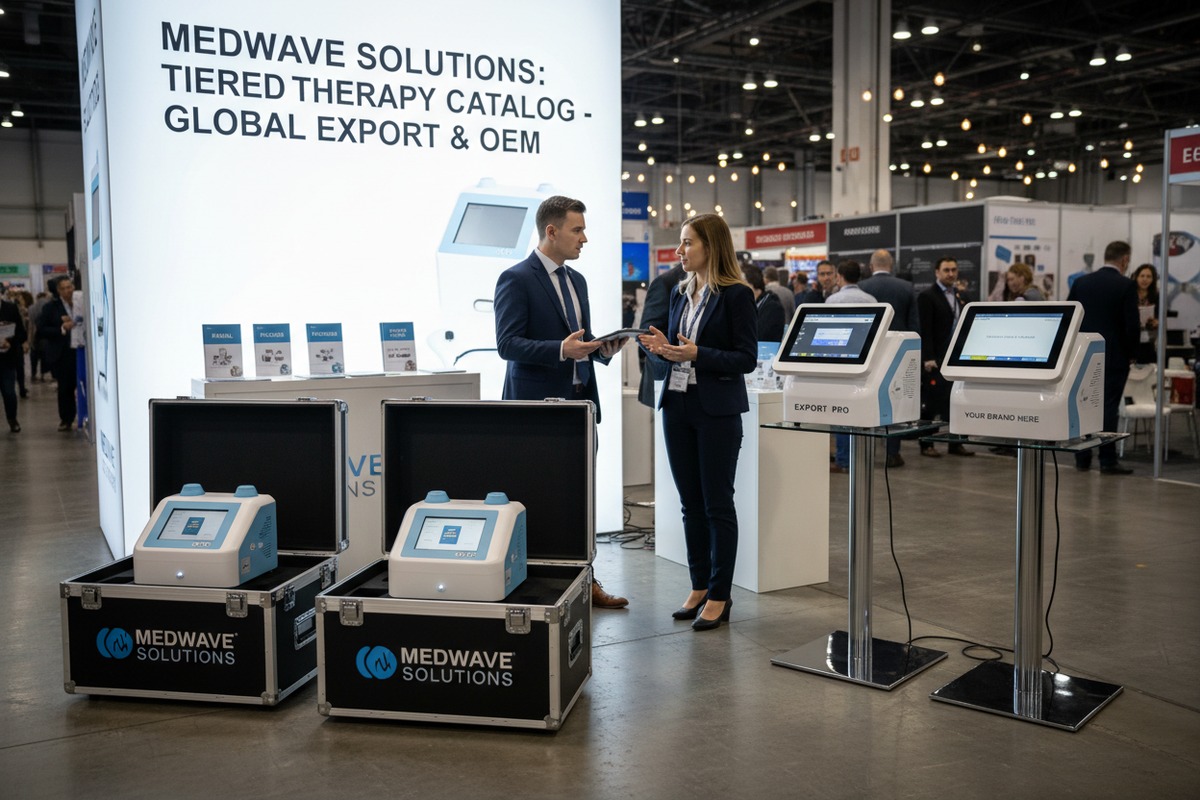
Smart distributors carry entry-level radial units for price-sensitive buyers. They stock mid-range radial machines for established clinics. Premium focused systems serve high-end orthopedic practices. This tiered approach captures customers at every price point.
Should I source pneumatic or electromagnetic shockwave systems for my distribution business?
When we design machines for different markets, the power source question comes up constantly. Our R&D team has worked with both pneumatic and electromagnetic systems. Each technology has distinct advantages that affect your customers' satisfaction and your profit margins.
Source pneumatic systems for cost-effective radial therapy offerings with simple maintenance. Choose electromagnetic systems for focused therapy requiring precision, stability, and long-term durability. Pneumatic suits high-volume, budget-conscious markets while electromagnetic serves premium clinical segments.
How Pneumatic Systems Work
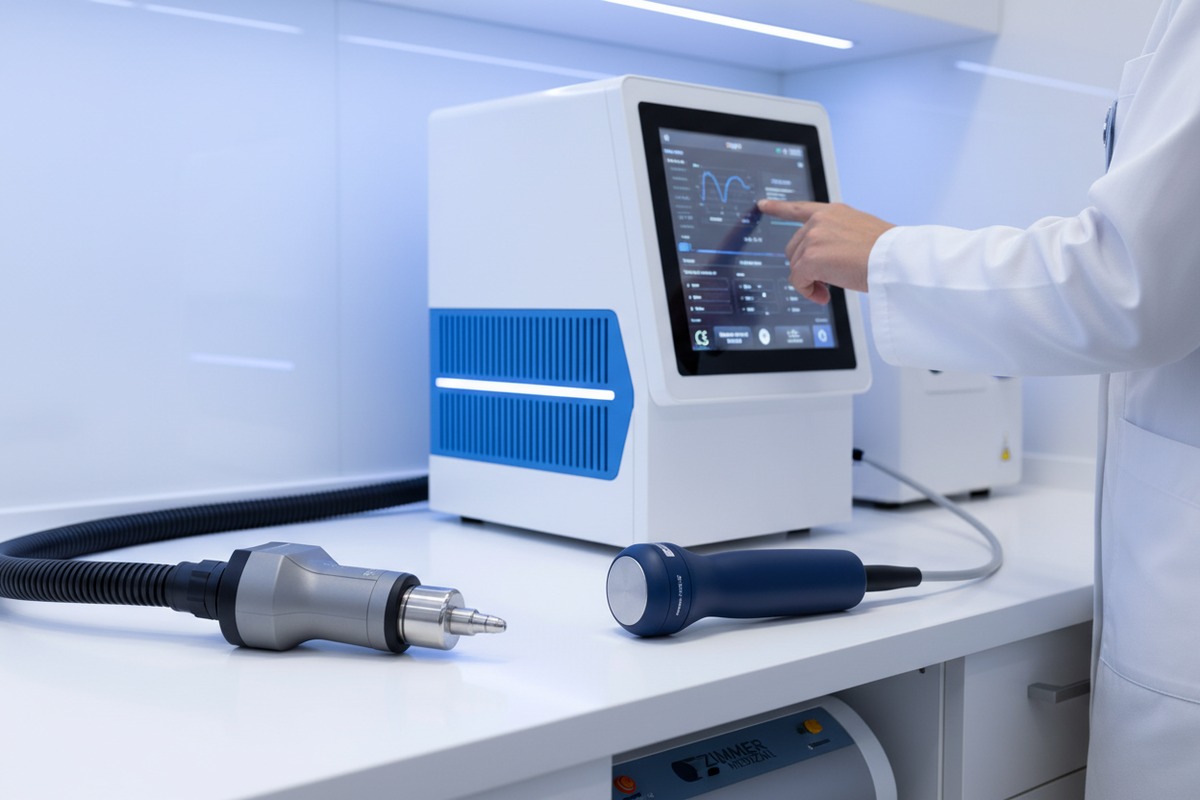
Pneumatic shockwave machines use compressed air. The compressor drives a projectile inside a chamber. This projectile accelerates and strikes the applicator tip. The impact creates a pressure wave that enters the patient's tissue.
The technology is straightforward and proven. Components are relatively inexpensive to manufacture. When we build pneumatic units, we can offer competitive pricing to our distribution partners. Repairs are simple because the mechanism is mechanical.
Electromagnetic Generation Technology
Electromagnetic systems use a different principle entirely. An electrical current passes through a coil. This creates a magnetic field that moves a membrane rapidly. The membrane displacement generates a focused acoustic wave.
These systems offer exceptional consistency. Each pulse delivers nearly identical energy. There's no projectile wear affecting performance over time. Our electromagnetic units maintain calibration throughout their lifespan.
Technology Comparison Table
| Aspect | Pneumatic | Electromagnetic |
|---|---|---|
| Wave Type | Radial (pressure waves) | Focused (true shockwaves) |
| Consistency | Good, degrades with wear | Excellent, stable long-term |
| Noise Level | Moderate to high | Lower |
| Initial Cost | Lower | Higher |
| Maintenance Cost | Moderate (projectile replacement) | Lower (minimal wear parts) |
| Energy Control | Good | Precise |
| Typical Applications | Muscle pain, trigger points | Deep tissue, calcifications |
Additional Generation Methods
Beyond pneumatic and electromagnetic, other technologies exist. Piezoelectric systems 7 use crystal arrays that deform under electrical current. They produce very precise focused waves with excellent control. However, they're typically more expensive.
Electrohydraulic generators 8 create sparks underwater. The rapid vaporization produces powerful shockwaves. This technology powers some broad-focused systems. The electrode tips require periodic replacement as consumables.
Market Positioning Strategy
Our experience shows successful distributors segment their offerings by technology. Pneumatic radial machines capture the entry and mid-market. They appeal to physiotherapists, chiropractors, and general wellness clinics. Volume is high, and price sensitivity matters.
Electromagnetic focused machines target premium buyers. Orthopedic surgeons, sports medicine specialists, and research institutions pay more for precision. Margins are higher per unit, but sales cycles are longer.
Reliability and Support Considerations
Pneumatic systems need periodic projectile and seal replacements. We recommend stocking spare transmitter heads for your customers. This creates recurring revenue opportunities for your business.
Electromagnetic systems have fewer wear items. They run longer between service intervals. However, when repairs are needed, they require trained technicians. Consider your market's technical support infrastructure.
Can I customize the technical specs of these different shockwave types to meet my brand standards?
Our OEM and ODM programs exist specifically because distributors need differentiation. Every week, brand owners ask us about customization possibilities. The answer depends heavily on which shockwave type you want to modify and how deep the changes go.
Yes, shockwave therapy machines can be extensively customized including energy levels, frequency ranges, applicator designs, software interfaces, and housing aesthetics. Radial systems offer easier customization due to simpler mechanics, while focused systems require more engineering expertise but allow differentiation in precision parameters.
Hardware Customization Options
Physical components offer numerous customization points. The housing design can match your brand's visual identity. Color schemes, materials, and form factors are adjustable. Our design team creates unique external appearances while maintaining proven internal systems.
Handpiece ergonomics matter greatly to practitioners. We can modify grip shapes, weight distribution, and cord lengths. Applicator tip profiles affect treatment comfort. Custom tip geometries are possible for specific treatment protocols.
Software and Interface Customization
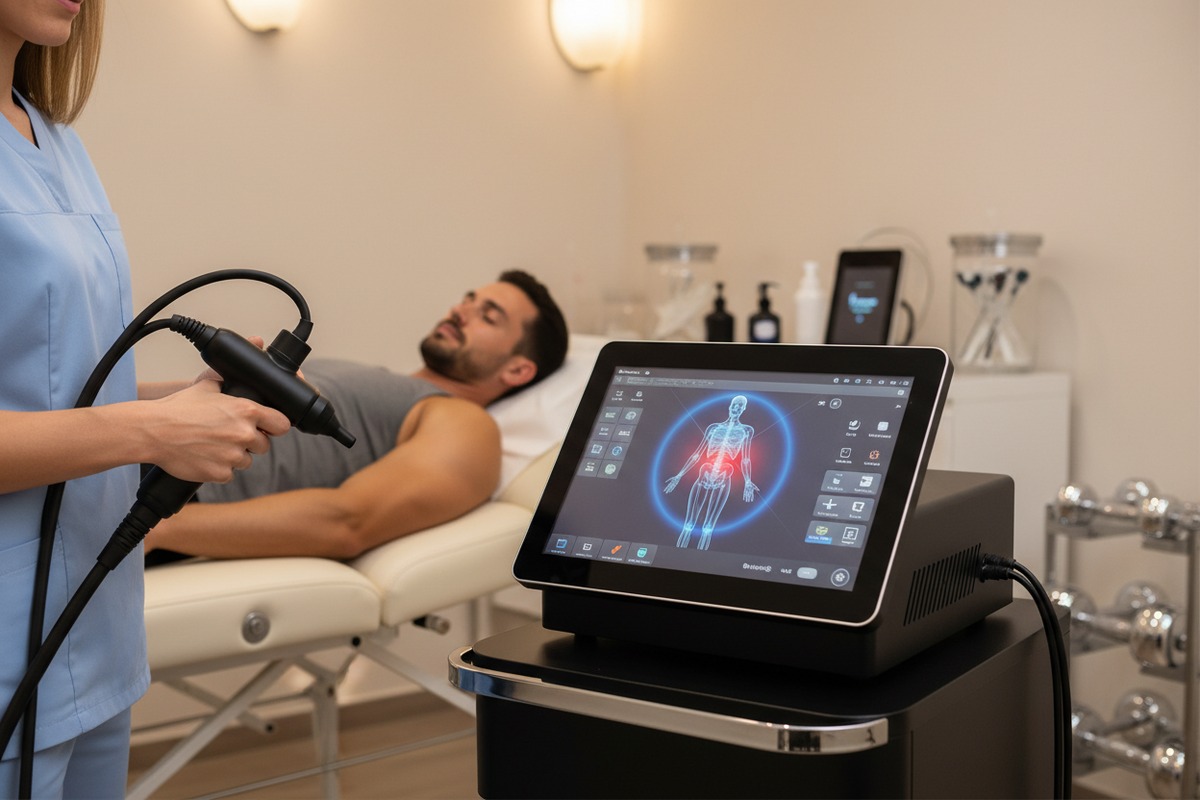
Modern shockwave machines rely heavily on software. Our standard models feature touchscreen interfaces with treatment protocol libraries. These interfaces can be completely rebranded with your logo, colors, and menu structures.
Protocol libraries represent a major differentiation opportunity. You can work with our engineers to create proprietary treatment programs. These become exclusive to your brand. Your customers can't find identical protocols elsewhere.
Customizable Technical Parameters
| Parameter | Radial Range | Focused Range | Customization Difficulty |
|---|---|---|---|
| Energy Density | 0.3-5 bar | 0.01-0.55 mJ/mm² | Moderate |
| Frequency | 1-21 Hz | 1-8 Hz | Easy |
| Pulse Count Presets | Unlimited | Unlimited | Easy |
| Penetration Depth | Fixed by physics | Adjustable 0-12 cm | Complex for focused |
| Applicator Size | Multiple options | Multiple options | Moderate |
| Display Interface | Fully customizable | Fully customizable | Easy |
Minimum Order Requirements
Customization involves engineering time and tooling costs. Simple changes like branding and color require lower minimums. Our typical MOQ for basic private labeling starts at 50 units. This makes branding accessible for medium-sized distributors.
Deep technical modifications need higher volumes to justify development costs. Custom applicator designs might require 200+ unit commitments. Entirely new feature development could need 500+ units over a contract period. We discuss these requirements during initial consultations.
Quality Control for Custom Products
When we modify machines for partners, our QC protocols intensify. Custom software undergoes extensive testing. Modified hardware requires new validation procedures. We document everything for regulatory compliance in your target markets.
Pre-shipment inspections verify custom specifications match agreed parameters. We provide inspection reports with photographs. Your team can schedule video inspections during production. This transparency protects your brand reputation.
Timeline Expectations
Standard products ship within 2-3 weeks. Basic branding customization adds 1-2 weeks. Moderate modifications like custom protocols need 4-6 weeks for development and testing. Significant hardware changes may require 8-12 weeks including tooling.
Plan your inventory around these timelines. We recommend ordering custom products well ahead of sales seasons. Rush orders are possible but incur premium charges.
Which type of shockwave therapy machine will provide the best results for my high-end salon clients?
Our salon and spa equipment line receives this question frequently. Salon owners invest significantly in premium services. They need machines that deliver visible results while maintaining client comfort. Making the wrong recommendation damages your relationship with these valuable customers.
For high-end salon clients, broad-focused shockwave machines offer the best combination of results, comfort, and treatment efficiency. They deliver deep tissue benefits without the discomfort of focused therapy while covering larger areas than radial systems, making them ideal for body contouring and aesthetic applications.
Understanding Salon-Specific Needs
Salon clients differ from clinical patients. They expect comfortable, even pleasant experiences. They're paying premium prices for aesthetic improvements, not medical treatment. Pain tolerance thresholds are lower because treatments are elective.
Treatment time affects profitability. Salons need efficient machines that treat areas quickly. Long treatment sessions reduce daily client capacity. The machine must deliver results without requiring excessive appointment lengths.
Comparing Types for Salon Applications
| Factor | Radial | Focused | Broad-Focused |
|---|---|---|---|
| Client Comfort | Moderate | Lower | Highest |
| Treatment Speed | Fast | Slow | Moderate |
| Coverage Area | Wide, shallow | Narrow, deep | Wide, deep |
| Aesthetic Applications | Good | Limited | Excellent |
| Noise Level | Moderate | Variable | Low |
| Training Required | Basic | Advanced | Moderate |
Why Broad-Focused Excels in Salons
Broad-focused technology uses electrohydraulic generation with specialized reflectors. This creates parallel wave patterns instead of converging or dispersing patterns. The result covers large treatment areas while penetrating deeply.
Client comfort increases significantly with broad-focused systems. The wave distribution avoids the intense focal point that makes focused therapy uncomfortable. Clients describe the sensation as more tolerable, improving satisfaction and rebooking rates.
Radial Options for Budget-Conscious Salons
Not every salon client wants to invest in broad-focused technology. Radial machines provide an affordable entry point. They work well for superficial treatments like cellulite reduction and general tissue stimulation.
When recommending radial for salons, emphasize proper applicator selection. Larger transmitter heads cover more area per pulse. This speeds treatments and improves client throughput. The cost-to-revenue ratio can be attractive for newer salons.
Treatment Protocol Considerations
Salon treatments typically target aesthetic concerns. Cellulite reduction, body contouring, and skin tightening are common requests. Each application has optimal parameters that your customers need to understand.
We provide training materials with our machines. These cover recommended settings for aesthetic protocols. Your salon customers appreciate this support because it helps them deliver consistent results immediately.
Marketing Support for Your Salon Customers
High-end salons need more than equipment. They need marketing materials to attract clients. We can provide branded brochures, treatment menu templates, and before/after documentation guidelines. This added value strengthens your position as a full-service supplier.
Consider bundling training packages with equipment sales. Send salon owners detailed protocol guides. Offer video consultations for their staff. These services differentiate you from competitors selling boxes without support.
Conclusion
Understanding shockwave therapy machine types helps you make smarter purchasing decisions. Radial, focused, and broad-focused systems each serve distinct markets and applications. Work with a manufacturer who can guide your selection, customize specifications, and support your customers' success.
Footnotes
1. Provides an overview of shockwave therapy from a reputable children’s hospital. ↩︎
2. Explains the role and benefits of pneumatic technology in various healthcare applications. ↩︎
3. Details the use of electromagnetic coils in diagnostic and therapeutic medical equipment. ↩︎
4. Defines myofascial trigger points and discusses their clinical significance and treatment. ↩︎
5. Provides a detailed diagnosis and treatment overview of calcific tendinitis of the shoulder. ↩︎
6. Replaced with a working Mayo Clinic article that discusses radial pressure wave therapy. ↩︎
7. Explores the role and applications of piezoelectric materials in various medical devices. ↩︎
8. Presents research on an electrohydraulic shock wave generator design for medical applications. ↩︎
9. Replaced with a working Mayo Clinic article that discusses focused shockwave therapy. ↩︎

 English
  Español de México
  Deutsch
  Français
  العربية
  Русский