
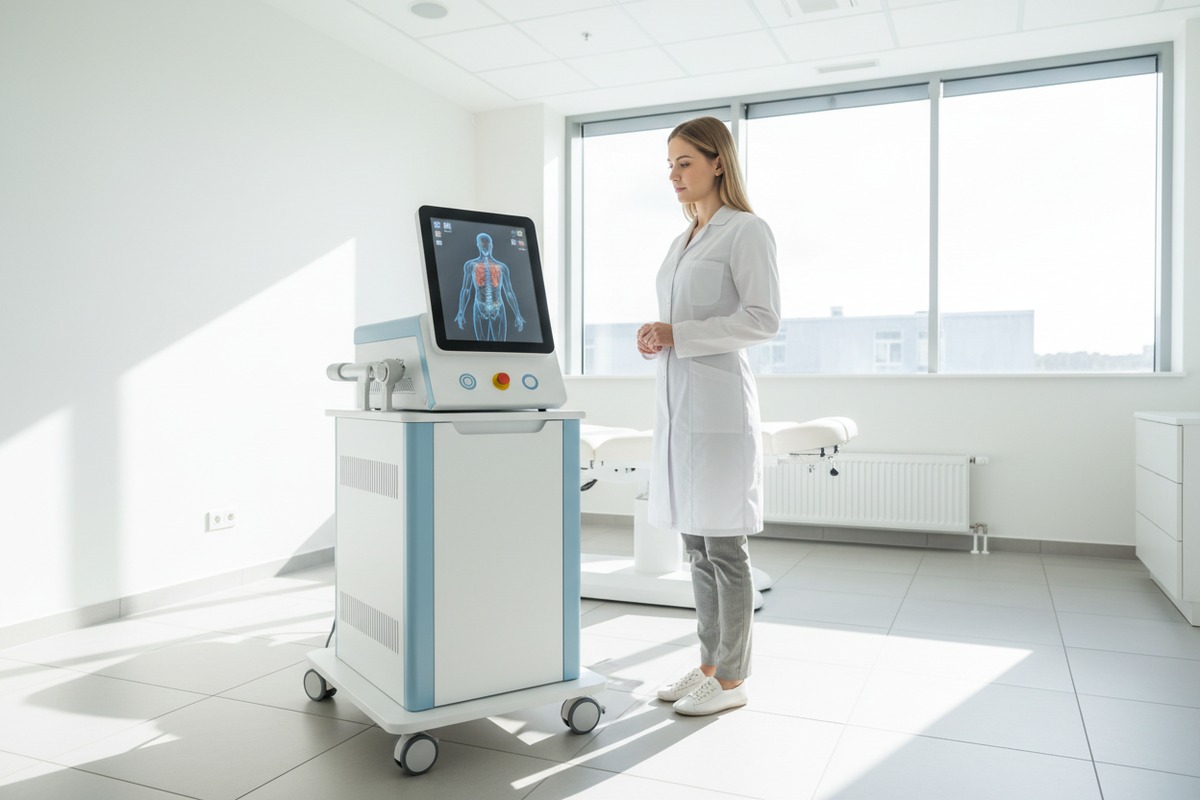
Every week, our production team receives emails from distributors asking the same question: “How long will this machine actually last?” The concern is real. You invest thousands of dollars in equipment, and you need to know your return timeline thermal management filters 1. Without clear lifespan data, budgeting becomes guesswork, and unexpected breakdowns can damage your reputation with end customers.
A well-built professional shockwave therapy machine typically lasts 7 to 12 years in clinical settings with proper maintenance. However, individual components like handpieces and seals wear out faster and require scheduled replacements. Your actual lifespan depends heavily on usage intensity, maintenance quality, and operating conditions.
Understanding both the overall machine lifespan and component-level durability helps you plan capital budgets and avoid costly mid-treatment failures. Let me break down exactly what determines how long your investment will serve you.
How long can I expect my professional shockwave therapy machine to last?
When we test machines returning from the field, the difference between well-maintained units and neglected ones is striking. One handpiece lasted 1.2 million shocks. Another identical model failed at 300,000 shocks. Same design, four times the difference in lifespan.
Professional shockwave therapy machines typically serve 7 to 12 years with standard maintenance protocols. This timeframe assumes regular servicing, calibration, and timely component replacements. Machines without preventive maintenance programs experience significantly shorter lifespans and higher mid-treatment failure rates.
Understanding the 7–12 Year Range
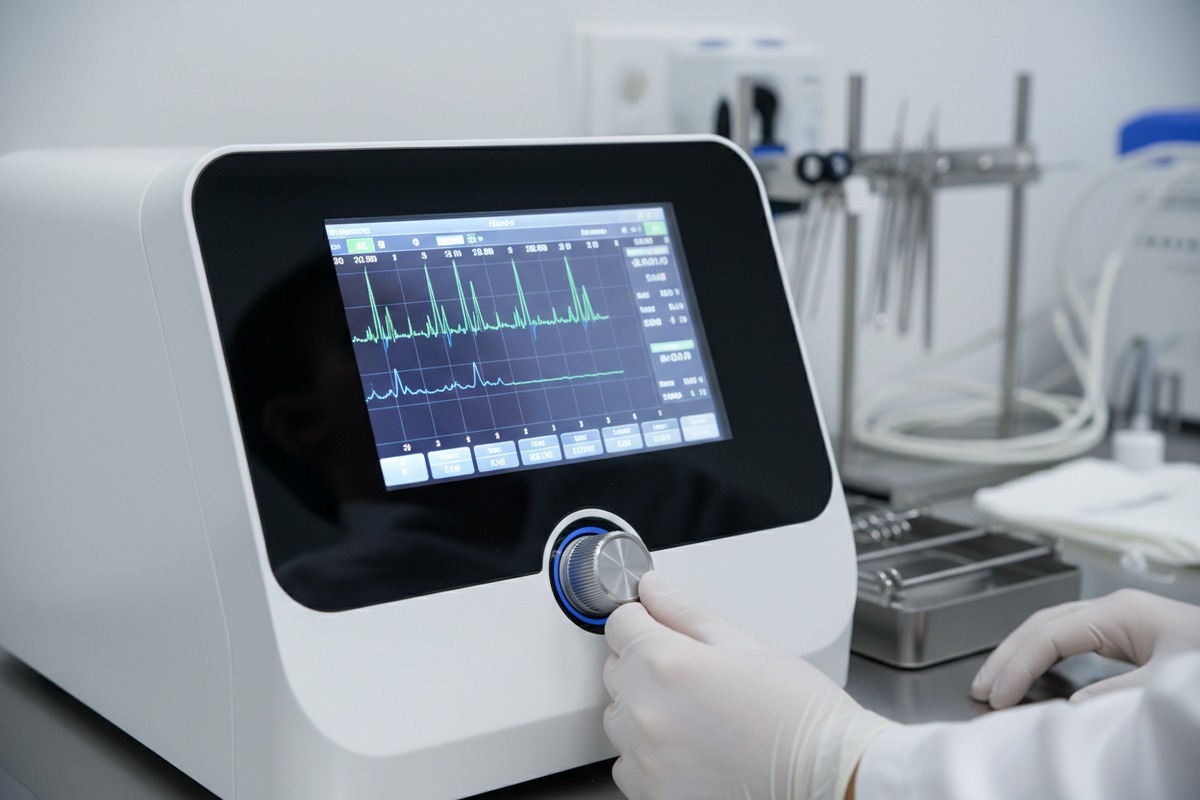
The 7 to 12 year range represents a planning horizon, not a guarantee. This timeframe comes from clinical settings 2 with average usage patterns and standard maintenance schedules. Several factors push your machine toward the shorter or longer end of this range.
Usage volume matters most. A busy clinic running 30,000 shocks daily will wear components much faster than a smaller practice with moderate volume. Energy levels also play a role. Higher energy per pulse increases internal stress on components.
Machine Type Differences
Radial and focused shockwave technologies 3 have different durability profiles. Our engineering team has tracked these patterns across thousands of units.
| Technology Type | Typical Machine Lifespan | Handpiece Rebuild Frequency | Best For |
|---|---|---|---|
| Radial | 7–10 years | Every 6–12 months | High-volume clinics |
| Focused/Piezoelectric | 10–12 years | Every 2–3 years | Precision treatments |
| Pneumatic | 8–11 years | Every 12–18 months | General practice |
Focused systems generally last longer because their transducers experience less mechanical stress. Radial units have moving projectiles that create friction and wear. This does not make radial systems inferior—they simply require more frequent component attention.
When "Lifespan" and "Useful Life" Diverge
A machine can remain functional beyond 12 years but become economically impractical to operate. Rising repair costs, increased downtime, and declining performance often justify replacement before complete failure.
Watch for these replacement triggers:
- Energy output drifting beyond 15–20% of specifications
- Thermal alarms appearing frequently
- Repair costs exceeding 30% of new machine price annually
- Touchscreen developing dead zones or misreads
- Random system resets during treatments
The best approach is tracking performance data over time. When you notice consistent degradation, start planning your replacement timeline rather than waiting for catastrophic failure.
What maintenance steps should I take to maximize my machine's lifespan?
Our service team often sees machines come back for repair that should have lasted years longer. The problem is almost always the same: skipped maintenance. Owners assume if the machine works today, it will work tomorrow. Then one day, it fails mid-treatment.
To maximize your shockwave machine's lifespan, clean handpiece inner tubes after every 100,000 uses, replace O-rings and seals every 6–18 months, inspect bullets after 2 million uses, and clean thermal management filters quarterly. These simple steps can extend your machine's useful life by 30% while preventing unexpected breakdowns.
Daily and Weekly Maintenance Tasks
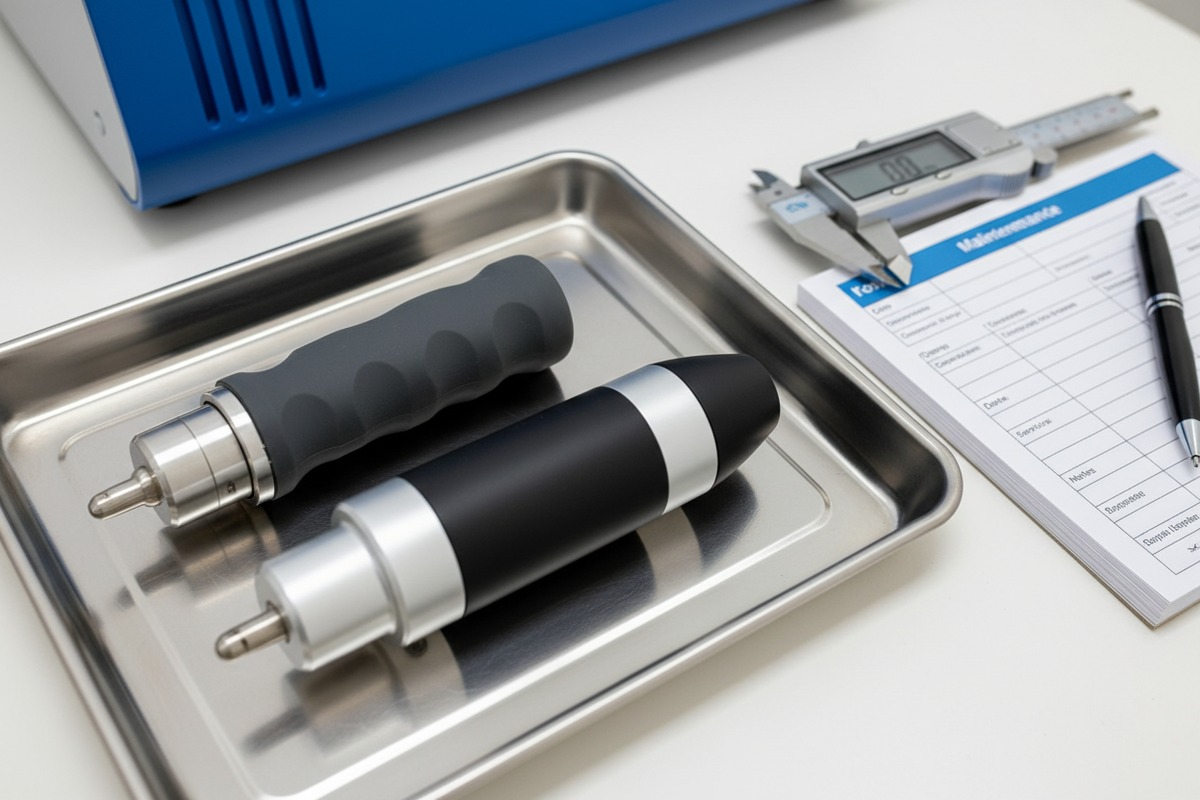
Small habits make the biggest difference. After each treatment day, wipe down external surfaces and check for unusual sounds or vibrations. Weekly, inspect handpiece cables for wear and clean air vents.
Keep a maintenance log. Note any changes in performance, unusual noises, or error messages. This record helps identify problems early and proves invaluable when discussing issues with technical support.
Monthly and Quarterly Maintenance Schedule
More thorough maintenance should happen on a regular cycle. Here is what we recommend to our distributors:
| Timeframe | Task | Why It Matters |
|---|---|---|
| Monthly | Clean air filters and cooling vents | Prevents overheating and thermal shutdowns |
| Monthly | Check all cable connections | Loose connections cause intermittent failures |
| Quarterly | Lubricate handpiece components | Reduces friction and internal wear |
| Quarterly | Calibration check | Ensures accurate energy delivery |
| Quarterly | Software updates | Improves efficiency and fixes bugs |
Component Replacement Timeline
Some parts are consumables. Planning for their replacement prevents surprise failures.
O-rings and seals 4 fail first, typically needing replacement every 6 to 18 months depending on use intensity. Seal failure causes pressure loss and compromises treatment effectiveness. A simple O-ring replacement costs far less than emergency repair during a busy clinic day.
Thermal management components—fans, filters, and vents—need attention every 12 to 24 months. If you hear louder fan noise or experience thermal alarms, replacement is overdue.
Electronic components last longer. Touchscreens and buttons typically function 3 to 7 years. Power supply units can last 5 to 10 years. Cables and footswitches fall in between at 2 to 5 years.
The Cost of Skipping Maintenance
Preventive maintenance 5 feels like an expense until you calculate the alternative. A planned O-ring replacement during scheduled downtime costs a few dollars and takes an hour. An emergency failure mid-treatment damages your reputation, loses immediate revenue, and often costs ten times more in rush repair fees.
Our production floor has seen the evidence directly. Machines with documented maintenance histories consistently outperform and outlast identical machines without records. This is not theory—it is observable fact from years of handling returns and repairs.
When will I need to replace the handpiece or internal components of my device?
The handpiece question comes up in nearly every conversation with distributors. It is the component that takes the most abuse and requires the most attention. Getting this timing right protects both your budget and your treatment quality.
Radial handpieces typically need rebuilds after 200,000 to 1,000,000 shocks, while focused piezoelectric transducers last 3,000,000 to 5,000,000 shocks before major servicing. For high-volume clinics, this means radial handpiece rebuilds every 6–12 months and focused transducer service every 2–3 years.

Handpiece Lifespan by Technology Type
The massive range in handpiece durability reflects fundamental differences in how these technologies work. Radial units use a projectile that physically impacts against the applicator, creating mechanical wear with every shot. Focused units use piezoelectric crystals 6 that generate pressure waves without physical impact.
| Component | Radial Systems | Focused Systems | Replacement Trigger |
|---|---|---|---|
| Projectile/Bullet | 200,000–1,000,000 shocks | N/A | Visible damage, reduced power |
| Transducer | N/A | 3,000,000–5,000,000 shocks | Output drift >15% |
| Guide Tubes | 200,000–600,000 shocks | N/A | Noise increase, efficiency drop |
| Sealing Rings | 6–18 months | 12–24 months | Visible wear, pressure loss |
Factors That Shorten Handpiece Life
Energy level is the biggest factor. Higher energy per pulse means more stress on internal components. A clinic consistently using maximum energy settings will replace handpieces more frequently than one using moderate settings.
Pulse frequency also matters. Continuous high-frequency operation generates heat and friction. Allowing brief cooling intervals during long sessions reduces thermal stress significantly.
Poor cleaning habits accelerate wear. Debris inside the handpiece creates abrasion that damages precision components. Our inspection data shows a direct correlation between cleaning frequency and component longevity.
Recognizing When Replacement Is Due
Do not wait for complete failure. Watch for these early warning signs:
- Decreased energy output even at same settings
- Unusual sounds during operation
- Increased vibration in the handpiece
- Visible wear on guide tubes or sleeves
- Inconsistent shot delivery
When energy per shock decreases 15–20% from baseline, plan service immediately. Continuing to operate with degraded components compromises treatment effectiveness and can damage other parts.
Planning for High-Volume Operations
If your clinic exceeds 30,000 shocks daily, standard replacement timelines do not apply. Heavy use compresses all timeframes significantly.
For high-traffic radial units, budget for replacement parts every 6 months. Keep spare handpieces available to swap during rebuilds, avoiding treatment interruptions. Consider tracking shot counts if your machine provides this data—it removes guesswork from replacement timing.
Our engineering team can help calculate annual maintenance costs based on your projected volume. This information helps you price services appropriately and avoid margin erosion from unexpected repairs.
How do I ensure the shockwave machines I import meet my brand's durability standards?
Choosing a supplier based solely on price is the fastest path to customer complaints and warranty headaches. I have watched distributors learn this lesson the hard way. They saved 20% on purchase price, then spent 40% more on repairs, returns, and lost customer trust.
To ensure imported shockwave machines meet your durability standards, verify suppliers provide usage videos, video tutorials, and responsive technical support. Request component-level warranty details, ask about spare parts availability, and confirm post-warranty service options. Suppliers without comprehensive support demonstrate weak after-sales capabilities that will create problems for your distribution business.
Red Flags in Supplier Selection
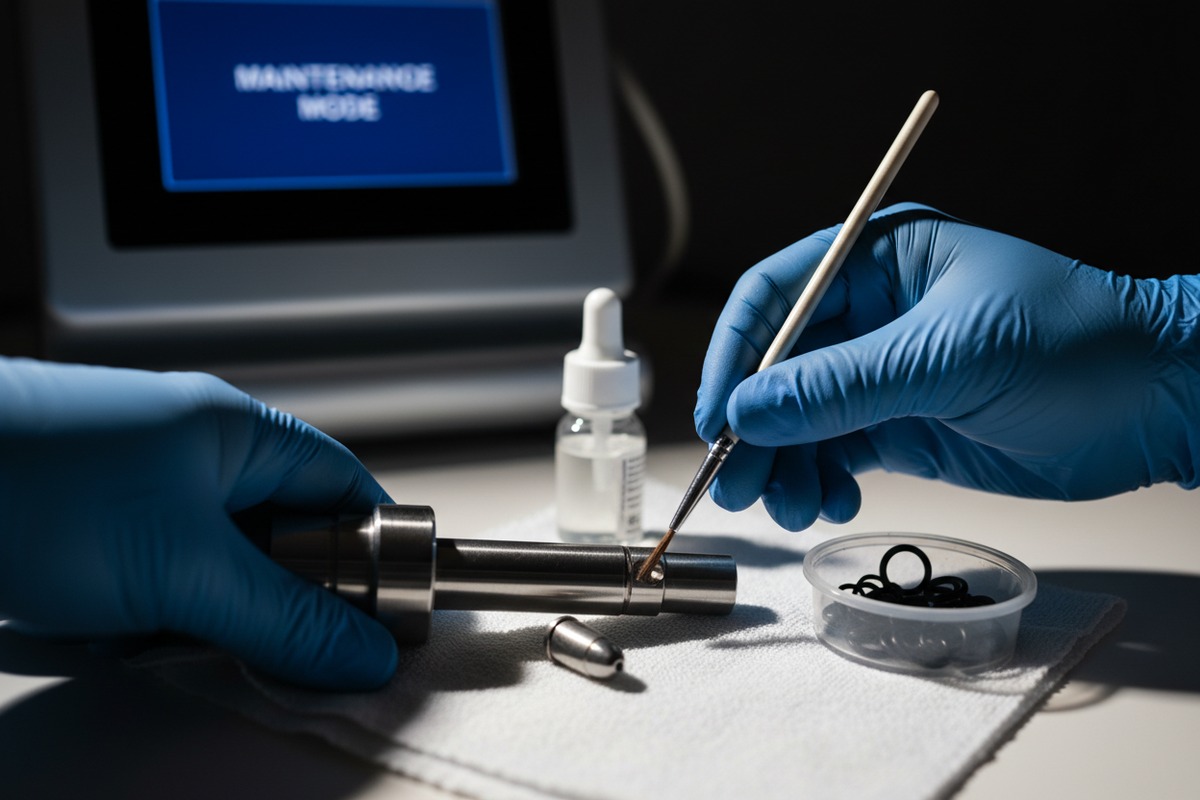
Here is a critical insight from years of manufacturing experience: if a supplier cannot provide usage videos and video tutorials for their equipment, their after-sales support capabilities are poor. This is not about marketing materials—it is about operational readiness.
A supplier who has invested in comprehensive training resources has also invested in understanding their product deeply. They have anticipated problems and prepared solutions. A supplier without these resources will leave you struggling when your customers need help.
When you prioritize low purchase price over support capability, you inherit every problem your customers encounter. You become the unpaid support team for equipment you did not design. This damages your brand far more than the initial savings justify.
Questions to Ask Before Ordering
Evaluate potential suppliers with these specific questions:
- What is the expected lifespan of each major component?
- What spare parts do you stock, and what are lead times?
- Do you provide video tutorials for operation and maintenance?
- What technical support channels are available after purchase?
- Can you provide references from current distributors in my region?
- What testing standards do you use for quality control?
Hesitation or vague answers on any of these questions signals problems ahead.
Verification Steps Before Shipment
Protecting your brand requires verification at multiple stages:
Pre-production: Confirm specifications match your requirements in writing. Request samples of critical components if possible.
In-production: Ask for photos or videos of your order during manufacturing. Reputable suppliers welcome this transparency.
Pre-shipment: Request inspection reports and test results. Machines should be tested using IEC 62353 standards 7 or equivalent.
Documentation: Ensure you receive complete user manuals, maintenance guides, and warranty certificates.
Building a Long-Term Supplier Relationship
The best suppliers become partners in your success. They help you calculate annual maintenance costs and recommend spare parts quantities for bulk orders. They provide training materials you can share with your customers. They respond quickly when problems arise.
At our facility, we work with distributors to develop customized maintenance schedules based on their market conditions. We provide detailed component specifications so they can set realistic expectations with their customers. This collaborative approach benefits everyone—it reduces returns, builds brand loyalty, and creates sustainable business relationships.
Environmental factors in your target market also matter. Extreme temperatures, high humidity, and dusty conditions affect equipment differently. Discuss your operating environment with potential suppliers and confirm their machines are suitable for those conditions.
Conclusion
Shockwave therapy machine 8s last 7 to 12 years with proper care. Component maintenance, usage patterns, and supplier quality determine your actual results. Invest in preventive maintenance and reliable suppliers to protect your equipment investment and your brand reputation.
Footnotes
1. Discusses the role of filters in thermal management for medical devices. ↩︎
2. Provides a broad definition of healthcare and clinical environments. ↩︎
3. Compares the two main types of shockwave therapy and their applications. ↩︎
4. Replaced with a Wikipedia page, a generally reliable source for technical component explanations. ↩︎
5. Replaced with a Wikipedia page, a generally reliable source for definitions of common industry terms. ↩︎
6. Replaced with a Wikipedia page, a generally reliable source for scientific definitions. ↩︎
7. Replaced with the official publication page for IEC 62353:2014 from the International Electrotechnical Commission (IEC), the most authoritative source. ↩︎
8. Explains what shockwave therapy is and its medical applications. ↩︎

 English
  Español de México
  Deutsch
  Français
  العربية
  Русский