At KMSLASER, we understand that a broken machine means cancelled appointments and lost revenue for your clinic. Downtime is frustrating, but knowing the signs of failure early can save your business.
Common malfunctions include pressure sensor failures, handpiece wear, power supply issues, and software glitches. Solutions involve calibrating sensors, replacing worn bullets or springs, checking power connections, and performing regular firmware updates to ensure consistent energy output and patient safety.
Let’s dive into the specific problems you might face and the practical steps to fix them, ensuring your equipment remains reliable and profitable.
How can I identify if my Shockwave Therapy Machine is experiencing a common malfunction?
Our engineering team often helps clients spot early warning signs before a total breakdown occurs, saving them from expensive emergency repairs. Ignoring subtle changes in performance can lead to bigger problems later.
You can identify malfunctions by monitoring for inconsistent energy output, error codes on the display, or unusual noises from the compressor. Additionally, patient complaints about lack of sensation or excessive pain often indicate calibration drift or applicator failure requiring immediate inspection.
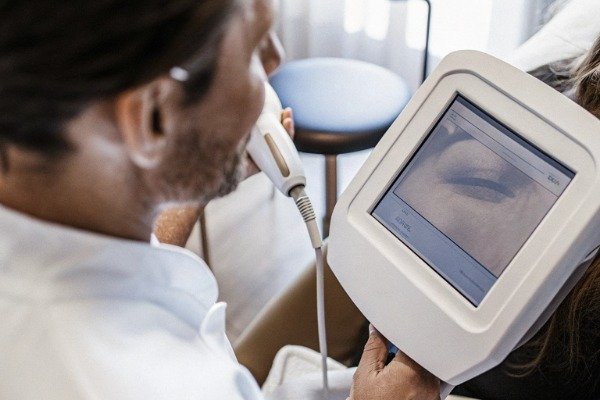
Identifying a malfunction is not always about waiting for the machine to stop working completely. Often, the device gives you subtle clues that something is wrong. As a business owner or purchasing manager, training your staff to recognize these signs is the first line of defense.
Listen to the Compressor and Handpiece
The sound of your machine is a key indicator of its health. A healthy pneumatic shockwave machine has a rhythmic, consistent tapping sound. If you hear irregular beats, hissing, or a "struggling" motor sound, it often points to an air leak or a failing compressor.
- Hissing sounds: Usually indicate a leak in the internal tubing or the connection between the main unit and the handpiece.
- Rattling inside the handpiece: This often means the projectile (bullet) or the tube is worn out. Metal fragments can accumulate if consumables are not changed on time.
Monitor Energy Output Consistency
One of the most critical signs of malfunction is when the energy output does not match the setting on the screen. We often hear from clients that their patients feel "nothing" even at high settings. This is rarely a patient tolerance issue; it is usually a machine issue.
- Weak impact: If the pressure is set high (e.g., 4 Bar) but the impact feels weak, the air compressor may be losing pressure, or the projectile inside the handpiece is stuck.
- Intermittent pulses: If the shockwaves stop and start randomly, this suggests a loose electrical connection or a cable break. We call this the "wiggle test"—if moving the cable causes the power to cut out, the cable is damaged.
Watch for Error Codes and Screen Glitches
Modern beauty machines are equipped with sensors that detect internal faults. Never ignore an error code, even if a restart seems to fix it temporarily. These codes are the machine’s way of telling you that a specific component, like the pressure sensor or cooling fan, is operating outside its safe range.
Table: Sensory Indicators of Potential Failures
| Sense | Symptom | Potential Malfunction | Immediate Action |
|---|---|---|---|
| Hearing | Hissing air sound | Air hose leak or loose connector | Check all pneumatic connections. |
| Hearing | Irregular tapping rhythm | Worn projectile or dirty barrel | Inspect and clean the handpiece. |
| Touch | Excessive handle vibration | Damaged damping O-rings | Replace O-rings in the handpiece. |
| Touch | Handpiece overheating | Continuous overuse or blocked vent | Allow cooling time; check vents. |
| Sight | Screen flickering | Power supply instability | Check power cable and outlet voltage. |
By paying attention to these sensory inputs, you can catch issues like calibration drift. This is where the machine believes it is outputting a certain energy level, but the actual output is lower or higher. High output due to drift is dangerous and can cause bruising, while low output renders the treatment ineffective.
What troubleshooting steps should I take if my Shockwave Therapy Machine stops working?
When we troubleshoot with clients remotely, we always start with the basics to save time and money before suggesting part replacements. Panic often leads to unnecessary service calls for simple issues.
Start by checking the power source, fuses, and cable connections to rule out electrical issues. Next, inspect the handpiece for jammed projectiles or worn O-rings, and clean the ventilation ports. If the screen is unresponsive, perform a hard reset before escalating to internal repairs.

When your machine stops working, it can be stressful. However, a systematic approach resolves most issues without needing to ship the machine back to the factory. Here is the process we recommend for our partners.
void your warranty 1
Step 1: The Power and Connection Check
It sounds simple, but power issues account for a large percentage of "breakdowns."
- Check the Fuse: Most professional machines have a fuse compartment near the power socket. If a power surge occurred, the fuse might have blown to protect the internal circuits. Replace it with the spare usually provided in the package.
- Inspect the Power Cord: Look for physical damage. Swap the cord with another device (like a computer monitor) to see if the machine turns on.
- The "Wiggle" Test: While the machine is on (if possible), gently wiggle the connection where the handpiece connects to the main unit. If the machine cuts out, the connector pins are likely loose or oxidized.
Step 2: Unjamming the Handpiece
For pneumatic shockwave machines, the most common mechanical failure is a jammed projectile. This happens when the device is not cleaned, and coupling gel or dust gets inside the barrel.
- Symptom: You hear the compressor running, air is coming out, but there is no "tapping" shockwave impact.
- Solution: Open the applicator head. Remove the transmitter. Check if the bullet (projectile) slides freely in the tube. If it is stuck, you may need to clean the tube with the provided brush or replace the tube entirely.
- Warning: Never use oil or grease inside the handpiece unless specified. Oil attracts dust and creates a sticky sludge that causes jams.
Step 3: Addressing Air Pressure Issues
If the machine turns on but cannot reach high pressure (e.g., it struggles to go above 2 Bar), the issue is usually the air supply.
- Check the Filter: There is usually a water/oil separator cup at the back of the machine. If this is full of water, it blocks airflow. Empty it.
- Listen for Leaks: Turn the machine on standby. If you hear hissing, trace the sound. A simple push-fit connector might just need to be pushed back in tight.
Step 4: Software Reset
Sometimes the software freezes due to static electricity or memory glitches.
- Turn the machine off at the main switch.
- Unplug it from the wall.
- Wait for 5 minutes. This allows the capacitors on the motherboard to discharge fully.
- Plug it back in and restart.
Troubleshooting Flowchart
| Problem | Likely Cause | First Step | Second Step |
|---|---|---|---|
| No Power | Blown Fuse / Bad Cable | Check/Replace Fuse | Swap Power Cable |
| No Shockwave Impact | Jammed Projectile | Open Handpiece & Clean | Replace Projectile/Tube |
| Low Pressure Error | Air Leak / Clogged Filter | Empty Water Separator | Check Tubing Connections |
| Overheating Error | Blocked Vents | Move machine from wall | Clean Dust Filters |
| Touchscreen Frozen | Software Glitch | Hard Restart (Unplug) | Contact Support for Firmware |
If these steps do not resolve the issue, the problem is likely an internal component failure, such as the power supply unit (PSU) or the solenoid valve, which requires professional intervention.
short circuit 2
How do I prevent frequent malfunctions in my Shockwave Therapy Machine?
We design our machines for durability, but regular care is the secret to longevity in busy salons handling multiple patients daily. Neglect is the number one reason for premature equipment failure.
air compressor 3
Prevent malfunctions by implementing a strict maintenance schedule that includes daily cleaning of applicators and weekly checks of air filters. Regularly replace wear-and-tear parts like bullets and pipes according to the manufacturer’s usage count, and ensure the device is kept in a dust-free, well-ventilated environment.
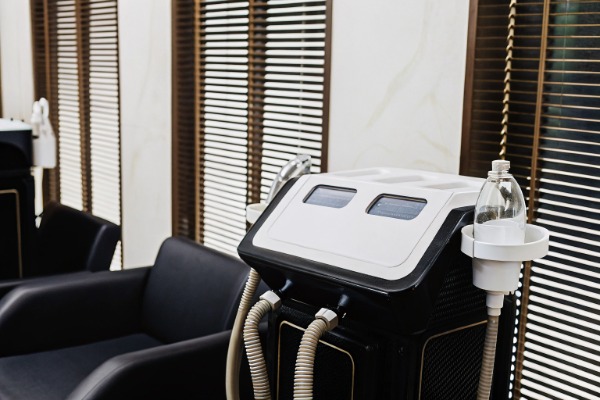
Prevention is always cheaper than repair. In our experience, clinics that follow a strict maintenance protocol extend the life of their machines by years compared to those that do not. Here is how to keep your machine running like new.
water/oil separator 5
Manage Your Consumables Strictly
Shockwave handpieces are consumable items. They contain moving parts (bullets/projectiles) that hit a metal transmitter millions of times. They will wear out.
- Track Shot Counts: Most machines display a "total shot count." Know the lifespan of your handpiece parts (usually 1-2 million shots).
- Replace Before Failure: Do not wait for the bullet to shatter inside the handle. A shattered bullet can scratch the inner tube, ruining the entire handpiece body. Replace the bullet and pipe kit proactively when you reach the recommended shot count.
Environmental Control
Heat and dust are enemies of electronic beauty equipment.
- Ventilation: The air compressor generates significant heat. Ensure the machine has at least 20cm of clearance from walls or furniture. Never cover the vents with towels.
- Dust Management: Fans suck in dust, which coats internal circuit boards and causes overheating. In a salon environment, hair spray and powder can create a sticky residue. Clean the external air filters weekly.
Daily and Weekly Cleaning Routine
Gel accumulation is a major cause of failure. Ultrasound gel is conductive and can corrode connectors if it drips into the wrong places.
- After Every Treatment: Wipe the transmitter head clean. Remove all gel residue.
- End of Day: Unscrew the transmitter head. Check if gel has seeped into the barrel. If it has, clean it immediately. Gel inside the barrel causes the projectile to stick.
- Weekly: Inspect the power cord and handpiece cable for cracks. If you see the internal wires through the rubber casing, replace the cable immediately to prevent short circuits.
Maintenance Schedule Checklist
| Frequency | Task | Goal |
|---|---|---|
| Daily | Clean transmitter head & remove gel | Prevent corrosion and jamming |
| Weekly | Check water separator cup | Ensure dry air for compressor |
| Weekly | Inspect cables for physical damage | Prevent electrical shorts |
| Monthly | Clean air intake filters | Prevent overheating |
| Quarterly | Check shot count statistics | Plan for consumable replacement |
| Yearly | Professional Calibration | Ensure accurate energy output |
The Importance of "Rest"
Even robust machines need to cool down. If you have back-to-back clients, try to leave 5-10 minutes between treatments. This allows the compressor to cool down and the handpiece to dissipate heat. Continuous firing for an hour without a break can overheat the coil or the O-rings, leading to rapid degradation of performance.
When should I contact my supplier for support with Shockwave Therapy Machine issues?
Our support team advises reaching out immediately when safety mechanisms trigger or internal errors appear, rather than risking further damage. Trying to fix complex electrical issues yourself can be dangerous.
coupling gel 6
Contact your supplier immediately if you encounter persistent error codes, smoke, or burning smells, which indicate serious internal electrical faults. You should also seek professional support if basic troubleshooting fails to restore pressure or if the device requires internal calibration that voids the warranty if done yourself.

Knowing when to stop troubleshooting and call for help is a critical skill. While we encourage basic maintenance, there is a line you should not cross. Crossing this line can void your warranty and put your staff or patients at risk.
calibration drift 8
The "Do Not Touch" Zone
There are specific symptoms that signal a critical failure. If you see these, unplug the machine and contact us (or your supplier) immediately:
- Burning Smell or Smoke: This indicates a short circuit, likely in the power supply or the compressor motor. Turning it back on can cause a fire.
- Loud Grinding Noises: If the compressor sounds like metal grinding on metal, a piston or bearing has failed. Running it further will destroy the motor completely.
- Liquid Ingress: If water or gel has spilled inside the main chassis of the machine. Do not turn it on.
Warranty Considerations
Most manufacturers, including us, have warranty seals on the main chassis screws. Breaking these seals to "take a look inside" will void your warranty.
- Allowed DIY: Changing handpiece bullets, cleaning filters, changing fuses.
- Prohibited DIY: Opening the main machine casing, soldering wires, modifying the software.
How to Prepare for a Support Call
To get the fastest solution, you need to provide your supplier with clear information. "It’s not working" is too vague and leads to long email exchanges.
- Record a Video: A 15-second video showing the error code, the sound the machine is making, or the lack of impact is worth a thousand words. Send this via WhatsApp or email.
- Serial Number: Have the photo of the back label ready. This tells the manufacturer exactly which batch and components were used in your machine.
- Detailed Description: Instead of "it’s broken," say "The machine turns on, the compressor runs, but the handpiece does not strike, and Error 04 is on the screen."
DIY vs. Professional Service Matrix
| Issue | Action | Who Fixes It? |
|---|---|---|
| Worn Bullet/Pipe | Replace with spare kit | User (You) |
| Blown Fuse | Replace fuse | User (You) |
| Clogged Filter | Clean or replace | User (You) |
| Software Error | Remote update / Reset | User + Supplier Guidance |
| Internal Power Failure | Replace Power Supply Unit | Supplier / Technician |
| Compressor Failure | Replace Motor | Supplier / Technician |
| Screen Failure | Replace Screen Module | Supplier / Technician |
By understanding these boundaries, you ensure that small problems don’t become expensive disasters. We are here to support your business, and clear communication helps us get your clinic back up and running faster.
patient tolerance issue 9
Conclusion
Regular maintenance and quick troubleshooting ensure your shockwave therapy machine remains a profitable asset for your business. By spotting issues early and knowing when to call for help, you protect your investment and your patients.
pneumatic shockwave machine 10
patient tolerance issue 9
Footnotes
- References legal standards regarding warranty terms and unauthorized repairs. ↩︎
- Defines the dangerous electrical fault indicated by burning smells. ↩︎
- Provides technical details on the machine’s primary heat-generating component. ↩︎
- Explains the cause of the software freeze requiring a reset. ↩︎
- Technical overview of the filtration component mentioned in troubleshooting. ↩︎
- Describes the properties of the medium that can cause internal jams. ↩︎
- Explains the electrical phenomenon responsible for blowing fuses. ↩︎
- Defines the technical concept of instrument measurement drift over time. ↩︎
- Contextualizes typical patient sensation and tolerance levels during therapy. ↩︎
- Provides scientific background on how pneumatic shockwave generation works. ↩︎

 English
  Español de México
  Deutsch
  Français
  العربية
  Русский