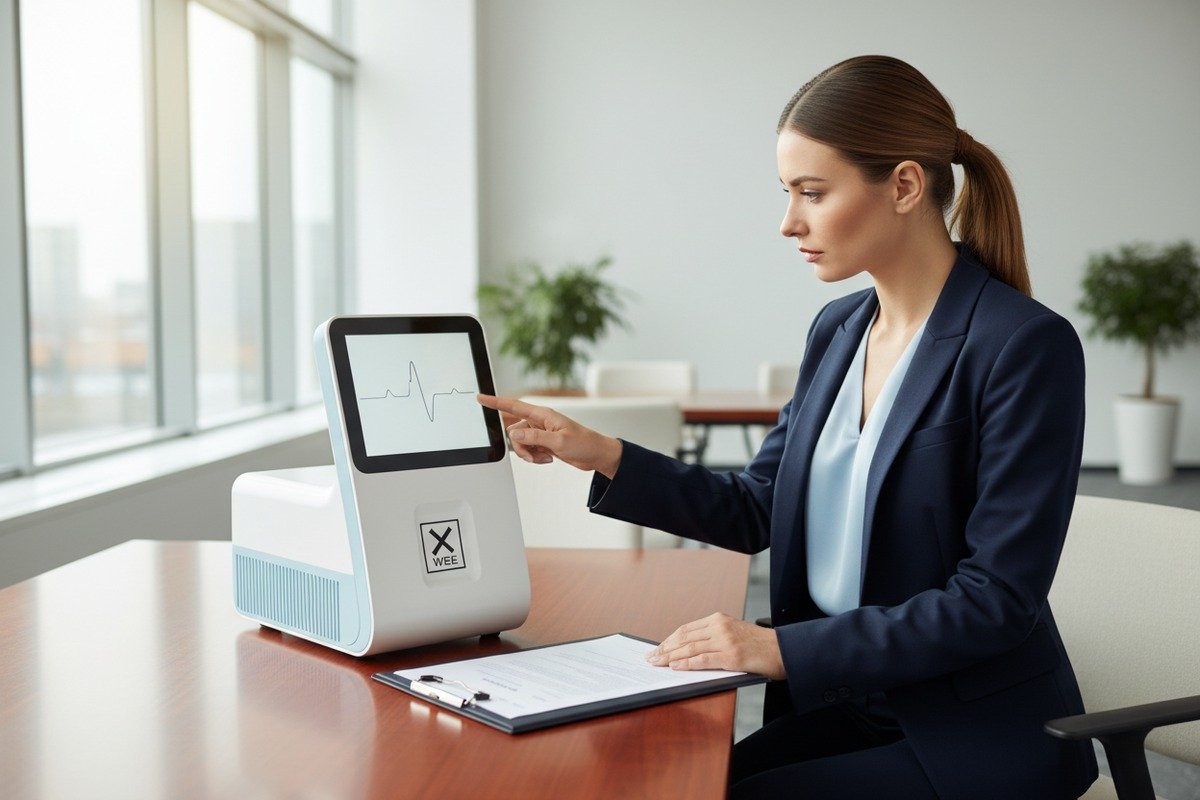
When our production team ships shockwave therapy devices to European buyers, we often hear the same question repeated WEEE Directive 2012/19/EU 1. Many importers overlook environmental regulations until customs holds their shipment. This creates costly delays and damaged business relationships.
Yes, WEEE compliance is mandatory for shockwave therapy machines entering the EU market. These devices qualify as electrical and electronic equipment under the WEEE Directive 2012/19/EU. Importers must register as producers, display the crossed-out wheeled bin symbol, and finance end-of-life recycling in each target country.
Understanding WEEE requirements protects your business from legal penalties and shipment seizures. Let me walk you through what compliance means for your sourcing strategy.
Do I need WEEE registration to legally import shockwave therapy machines into my market?
Our export team handles WEEE questions weekly from new EU-bound customers. The confusion usually starts when buyers assume their CE marking 2 covers everything. It does not. Environmental disposal requirements exist separately from product safety certifications.
Yes, you need WEEE registration to legally import shockwave therapy machines into EU markets. As the importer, you become the legal "producer" responsible for registration in each country where you sell. This applies regardless of whether your Chinese supplier has their own registration.
What Makes Shockwave Machines Fall Under WEEE?
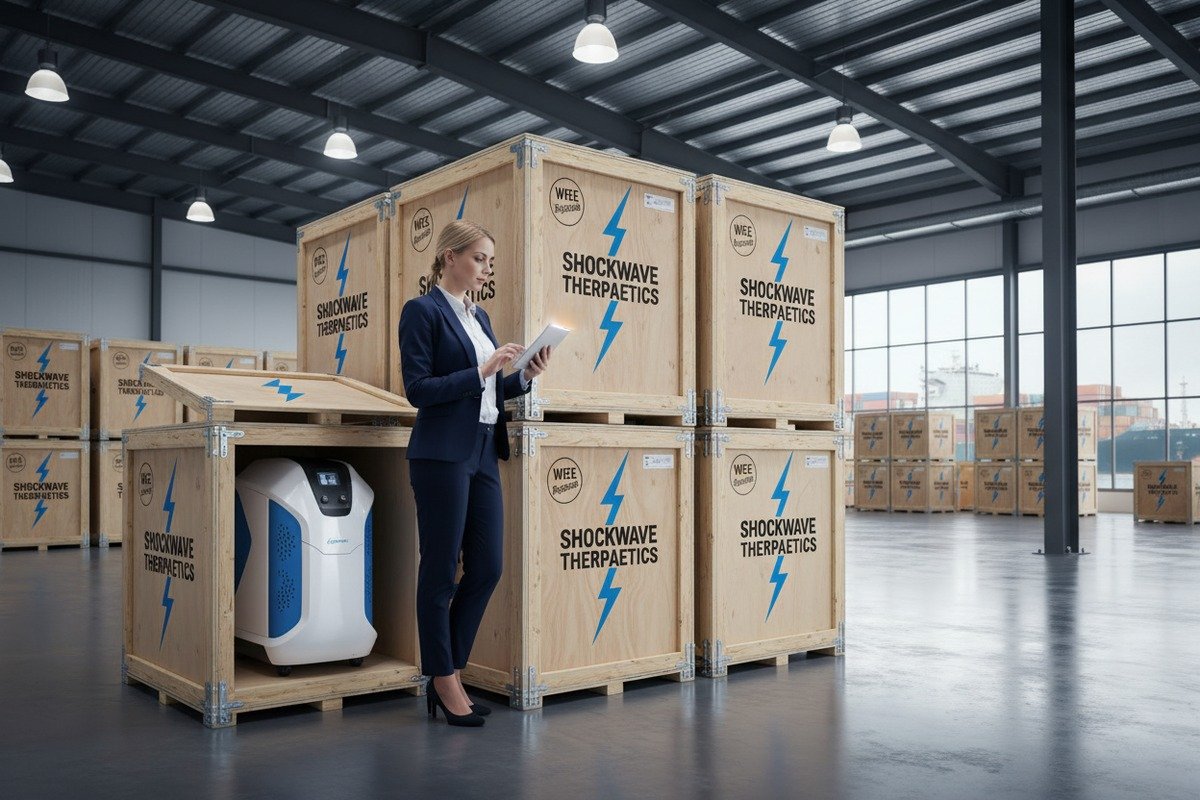
The WEEE Directive covers all electrical and electronic equipment 3 placed on the EU market. Shockwave therapy machines clearly qualify because they require electricity to function. They contain electronic components like touchscreens, control boards, and power supplies.
The directive excludes only two categories of medical devices. First, devices expected to be infective before end-of-life. Second, active implantable medical devices 4. Shockwave machines fit neither exclusion. They are reusable, non-implantable therapy tools used repeatedly on multiple patients.
Registration Requirements by Country
Each EU member state maintains its own WEEE registry. You must register separately in every country where you place products. This means filing paperwork with national environmental agencies and paying associated fees.
| Country | Registration Body | Typical Annual Fee | Processing Time |
|---|---|---|---|
| Germany | Stiftung EAR | €200-400 | 4-8 weeks |
| France | ADEME Registry | €150-300 | 3-6 weeks |
| Spain | National Registry | €100-250 | 4-6 weeks |
| Italy | National Registry | €150-350 | 6-8 weeks |
| UK (post-Brexit) | Environment Agency | £200-400 | 4-6 weeks |
What Happens Without Registration?
Customs authorities increasingly check WEEE compliance documentation. Without proper registration proof, your shipment faces holds at ports. We have seen buyers lose weeks waiting for clearance. Some shipments get returned entirely.
Legal penalties vary by country but can reach €100,000 or more per violation. Beyond fines, unregistered products cannot legally be sold. Retailers and distributors may refuse your stock entirely. Your brand reputation suffers when word spreads about compliance failures.
The Producer Responsibility Principle
The Extended Producer Responsibility principle 5 places disposal costs on whoever first places products on the EU market. When you import from China, that person is you. Not your manufacturer. Not your freight forwarder. You bear full legal responsibility.
This includes financing collection points, recycling facilities, and proper waste treatment. Most importers join Producer Responsibility Organizations 6 to handle these obligations collectively. PROs pool resources from multiple producers to fund efficient recycling systems.
How can my Chinese manufacturer help me manage WEEE compliance for my private-label brand?
Our engineering and compliance teams work directly with European distributors on WEEE requirements. We understand that private-label buyers need turnkey solutions. Managing foreign regulations while building a brand is challenging enough.
Your Chinese manufacturer can support WEEE compliance by pre-installing the crossed-out wheeled bin symbol, providing compliance documentation packages, designing products for easier recycling, and offering guidance on registration processes. However, the legal registration responsibility remains with you as the EU market importer.
Pre-Marked Products Save Time
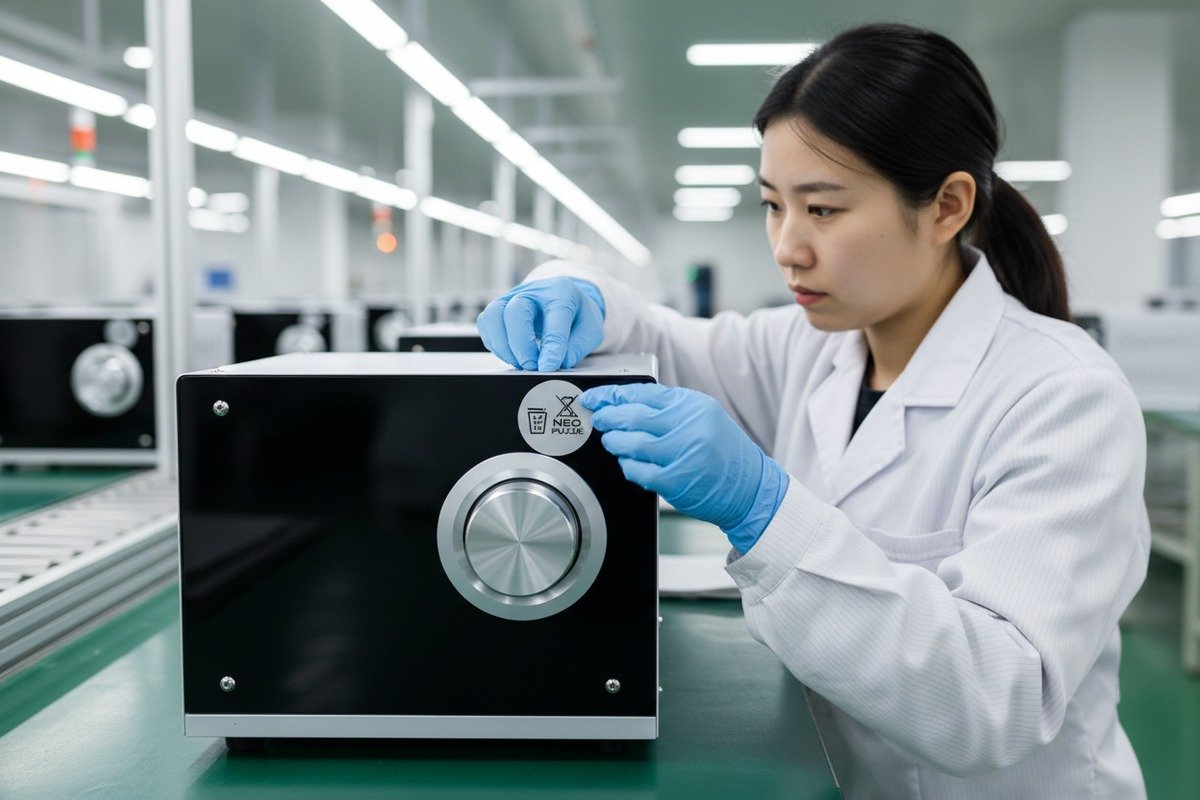
Responsible manufacturers apply WEEE markings during production. The crossed-out wheeled bin symbol 7 must appear permanently on the device itself. Not just on packaging. This marking tells users the product requires separate collection at end-of-life.
At our facility, we laser-engrave or permanently affix this symbol on every unit destined for EU markets. We position it visibly on the device housing where inspectors and users can find it easily. This eliminates the need for buyers to retrofit markings after delivery.
Documentation Packages for Customs
When we prepare EU shipments, our documentation includes compliance certificates and material declarations. These papers help your customs clearance proceed smoothly. They demonstrate due diligence to authorities checking incoming goods.
| Document Type | Purpose | Provided By |
|---|---|---|
| WEEE Declaration | Confirms product is EEE requiring special disposal | Manufacturer |
| Material Composition List | Details recyclable and hazardous materials | Manufacturer |
| Disassembly Instructions | Guides recyclers on proper teardown | Manufacturer |
| RoHS Certificate | Confirms hazardous substance limits met | Manufacturer |
| Registration Guidance | Country-specific registration steps | Manufacturer or compliance consultant |
Design for Recycling
Our product development team considers end-of-life handling from the start. We use modular construction where possible. This allows recyclers to separate components efficiently. Plastic housings get sorted from metal frames. Circuit boards get processed separately from power supplies.
We avoid permanently bonding dissimilar materials. Snap-fit connections replace glued assemblies where strength allows. These design choices reduce recycling costs and improve material recovery rates. They also demonstrate your brand's environmental commitment.
What Manufacturers Cannot Do For You
No Chinese manufacturer can legally register on your behalf in EU countries. The registration must be in your company name as the importer. Some manufacturers claim otherwise. This is incorrect and risky.
We can recommend compliance service providers who specialize in WEEE registration. These firms handle paperwork across multiple countries for reasonable fees. They maintain your registrations and submit required annual reports. But the legal obligation stays with your company.
Building a Compliance Partnership
The best approach treats WEEE compliance as a collaborative effort. You handle the legal registration and country-specific requirements. Your manufacturer ensures products arrive marked, documented, and designed for proper recycling.
Regular communication keeps both sides aligned. When regulations change, your manufacturer should update marking standards promptly. When you enter new markets, inform your supplier so they can adjust documentation accordingly.
What are the legal risks to my business if my beauty machines lack proper WEEE markings?
During quality control inspections at our facility, we catch marking issues before shipment. But some buyers source from suppliers who skip this step. The problems reveal themselves at customs or worse, after products reach customers.
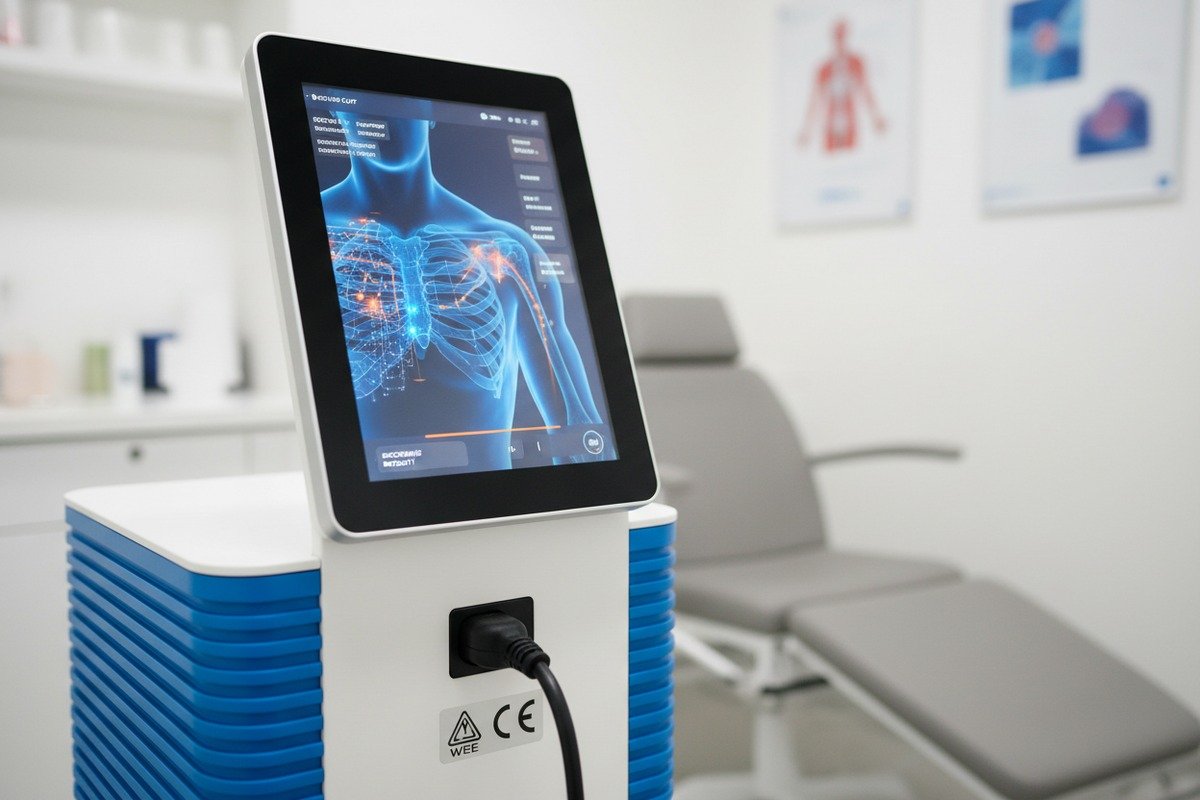
Missing WEEE markings expose your business to customs seizures, financial penalties up to €100,000 per violation, forced product recalls, and distribution partner termination. Beyond legal consequences, unmarked products damage brand reputation and may disqualify you from future tender opportunities in regulated markets.
Customs Seizure Scenarios
EU customs authorities conduct random inspections on imported electronics. They check for proper WEEE markings as part of standard procedures. Unmarked products get flagged immediately.
Best case, your shipment sits in customs while you arrange retroactive marking. This costs time and money. Worse case, authorities reject the entire shipment. You pay return freight or destruction fees. Your customers wait. Your cash flow suffers.
Financial Penalty Structure
Penalties vary significantly across EU member states. Germany tends toward stricter enforcement. Southern European countries may show more flexibility. But no country ignores WEEE violations entirely.
| Violation Type | Typical Penalty Range | Additional Consequences |
|---|---|---|
| Missing registration | €5,000-50,000 | Sales prohibition until registered |
| No WEEE marking | €1,000-25,000 per product batch | Mandatory recall possible |
| Failure to report | €2,000-20,000 annually | Registration suspension |
| No recycling financing | €10,000-100,000 | Criminal liability possible |
Supply Chain Relationship Damage
Major distributors and retail chains audit supplier compliance regularly. They cannot risk their own standing by selling non-compliant products. Discovery of WEEE violations often triggers immediate supplier termination.
Rebuilding those relationships takes years. Some distributors maintain permanent blacklists. A single compliance failure can lock you out of major sales channels indefinitely. The revenue loss far exceeds any penalty amount.
Recall Costs and Logistics
If authorities order a product recall for missing markings, you bear all associated costs. This includes customer notification, return shipping, proper marking application, and redistribution. For thousands of units already in the market, costs escalate rapidly.
Recalls also require public notification in some jurisdictions. Your brand name appears in regulatory bulletins. Competitors notice. Customers question your professionalism. The reputational damage extends well beyond the immediate financial impact.
Insurance and Liability Considerations
Product liability insurance may not cover regulatory compliance failures. Insurers distinguish between product defects and paperwork violations. Check your policy carefully. You might assume coverage that does not exist.
Additionally, if end-users improperly dispose of unmarked machines, any resulting environmental damage could create liability exposure. Proper marking and user instructions provide documented evidence of your due diligence.
Market Access Limitations
Public healthcare systems and large clinic chains increasingly require documented WEEE compliance for all equipment purchases. Tender specifications list this as a mandatory criterion. Without proof, your bid gets disqualified before technical evaluation begins.
This trend accelerates as sustainability reporting requirements expand under the EU Green Deal 8. Organizations must demonstrate environmental responsibility throughout their supply chains. Non-compliant suppliers simply cannot participate.
How do I ensure my custom shockwave equipment meets all environmental disposal standards before shipping?
When our clients request custom-branded shockwave machines, we include compliance verification in the development process. Environmental standards get addressed early, not as an afterthought. This approach prevents expensive corrections after production begins.
Ensure environmental compliance by requesting manufacturer WEEE documentation during specification discussions, verifying the crossed-out wheeled bin marking on pre-production samples, confirming material declarations for RoHS compliance, obtaining disassembly instructions for recyclers, and establishing annual reporting data procedures before first shipment.
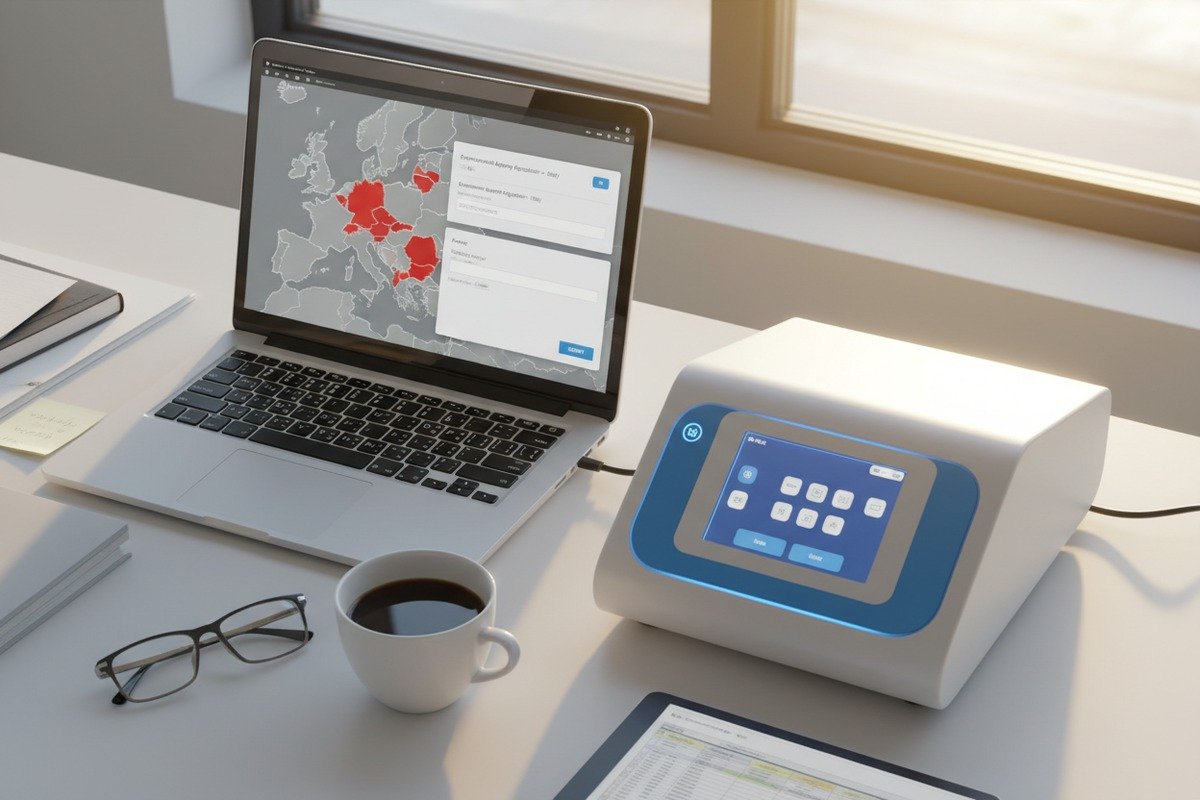
Pre-Production Compliance Checklist
Before approving final specifications, verify every environmental requirement. Create a checklist covering WEEE, RoHS, and any additional national regulations for your target markets. RoHS compliance 9 Share this checklist with your manufacturer during initial discussions.
| Checkpoint | Verification Method | Timing |
|---|---|---|
| WEEE marking placement | Review CAD drawings | Design phase |
| Material composition | Request declaration | Before tooling |
| Disassembly procedure | Review draft document | Before pilot run |
| Packaging disposal | Confirm recyclable materials | Before mass production |
| User manual disposal section | Review draft content | Before printing |
Sample Inspection Protocol
When you receive pre-production samples, inspect them specifically for compliance features. The WEEE symbol should appear clearly visible on the device exterior. Check that it meets size requirements and cannot be easily removed or obscured.
At our facility, we invite clients to witness first-article inspections. This gives you direct visibility into marking quality and placement. Any concerns get addressed before full production begins. Changes at the sample stage cost little. Changes after mass production cost significantly more.
Documentation Package Requirements
Request a complete compliance package with your first shipment. This package should travel with every subsequent order as well. Store copies securely for potential audits spanning years after sale.
Essential documents include material safety data sheets, RoHS test reports from accredited laboratories, battery declarations if applicable, and recycler guidance materials. These papers demonstrate your supply chain due diligence to authorities.
Data Tracking for Annual Reports
WEEE registration requires annual reporting on quantities placed on market. Your manufacturer should provide accurate weight and unit count data for each shipment. Establish this data flow before your first order ships.
We provide detailed packing lists with unit counts and total weights broken down by product category. This simplifies your reporting obligations. Accurate data prevents discrepancies that might trigger audits or penalties.
Handling Bio-Contamination Exceptions
Shockwave machines used in clinical settings may become bio-contaminated during service life. These units follow bio-waste protocols instead of standard WEEE recycling. Your user instructions must explain this distinction clearly.
The WEEE marking still applies to new products. But disposal guidance should note that contaminated units require healthcare waste handling. This protects both recycling workers and your legal standing. Clear instructions demonstrate responsible manufacturer practice.
Future-Proofing Your Compliance
Regulations evolve continuously. The EU revises WEEE requirements periodically. New member states may implement stricter national rules. Post-Brexit UK maintains parallel but distinct requirements.
Build flexibility into your supplier relationship. Establish communication channels for regulatory updates. When we learn of pending changes, we inform affected clients promptly. Proactive adjustment prevents scrambling when new rules take effect.
Working With Compliance Service Providers
Consider engaging specialized compliance firms for complex multi-country operations. These providers stay current on regulatory changes across all jurisdictions. They handle registrations, reporting, and fee payments on your behalf.
When selecting a provider, verify their coverage matches your target markets. Check references from other medical device importers. Understand their fee structure clearly. The best providers offer fixed annual costs rather than unpredictable variable charges.
Conclusion
WEEE compliance is mandatory for shockwave therapy machines entering EU markets. Work with your Chinese manufacturer to ensure proper markings and documentation. Register as a producer in each target country. The investment in compliance protects your business from costly penalties and secures long-term market access.
Footnotes
1. Official text of the WEEE Directive for legal reference. ↩︎
2. Official European Commission information on CE marking requirements. ↩︎
3. Official Eurostat definition of electrical and electronic equipment. ↩︎
4. Definition and examples of active implantable medical devices. ↩︎
5. Defines the Extended Producer Responsibility concept and its importance. ↩︎
6. Information on the role and function of WEEE Producer Responsibility Organizations. ↩︎
7. Found an authoritative source from the European Union explaining the WEEE symbol. ↩︎
8. Official European Commission overview of the EU Green Deal initiative. ↩︎
9. Official EU information on the RoHS directive and its restrictions. ↩︎

 English
  Español de México
  Deutsch
  Français
  العربية
  Русский