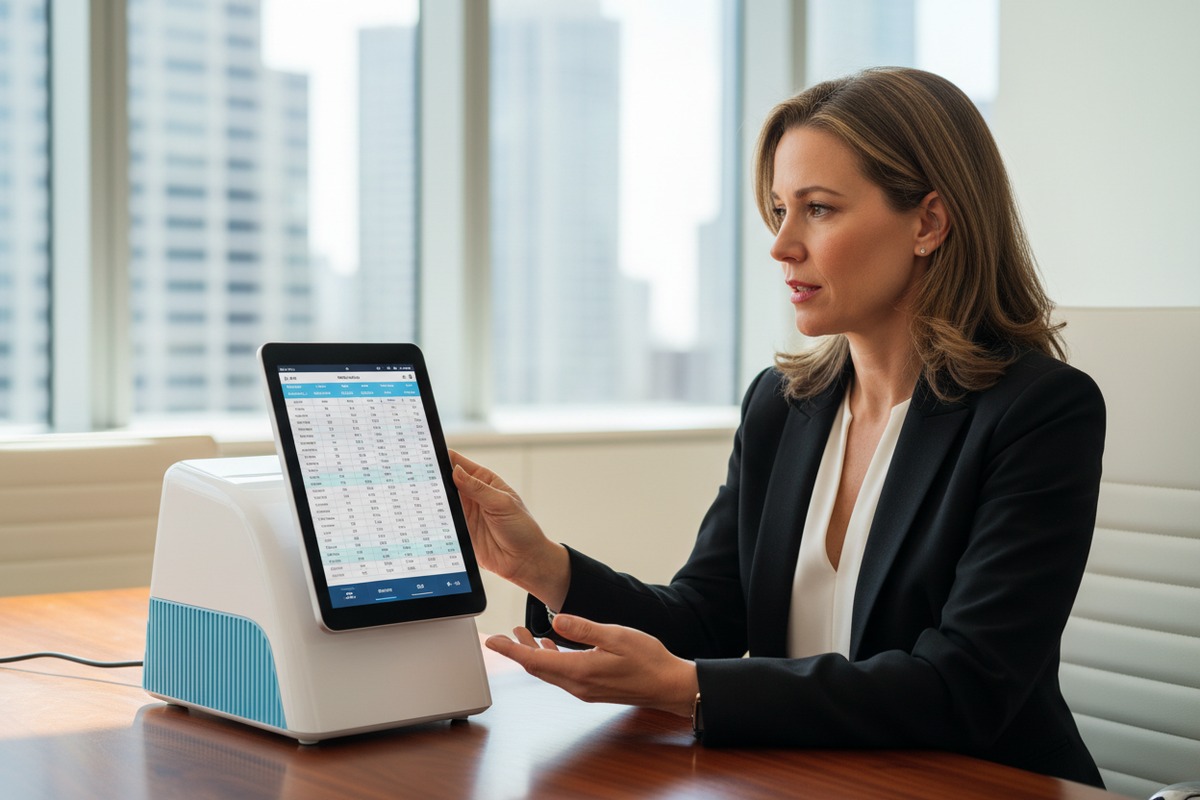
Every week, our sales team fields calls from clinic networks asking the same question DDP (Delivered Duty Paid) pricing 1. They want to buy multiple shockwave therapy units. They need better pricing. But they struggle to find clear answers about volume discounts. This frustration is real, and it costs buyers thousands of dollars in missed savings.
Yes, most reputable suppliers do offer tiered pricing for imported shockwave therapy machines based on order quantity. Buyers ordering 5-10 units typically save 8-15% per unit, while orders exceeding 20 units can unlock discounts of 20-30% or more, depending on the supplier and product specifications.
Understanding how these pricing tiers work can transform your procurement strategy 2. Let me walk you through the key factors that affect your final cost and show you how to maximize your savings.
How much can I reduce my per-unit cost by increasing my bulk order volume?
Our production lines run more efficiently when we manufacture larger batches. This efficiency directly translates into cost savings we can pass to buyers. But many purchasing managers underestimate just how significant these savings can be.
Increasing your bulk order volume can reduce per-unit costs by 10-35% depending on quantity thresholds. Orders of 5-10 units typically yield 8-15% savings, 11-20 units can achieve 15-22% reductions, and orders exceeding 20 units may unlock 25-35% discounts compared to single-unit pricing.
Understanding Quantity Thresholds
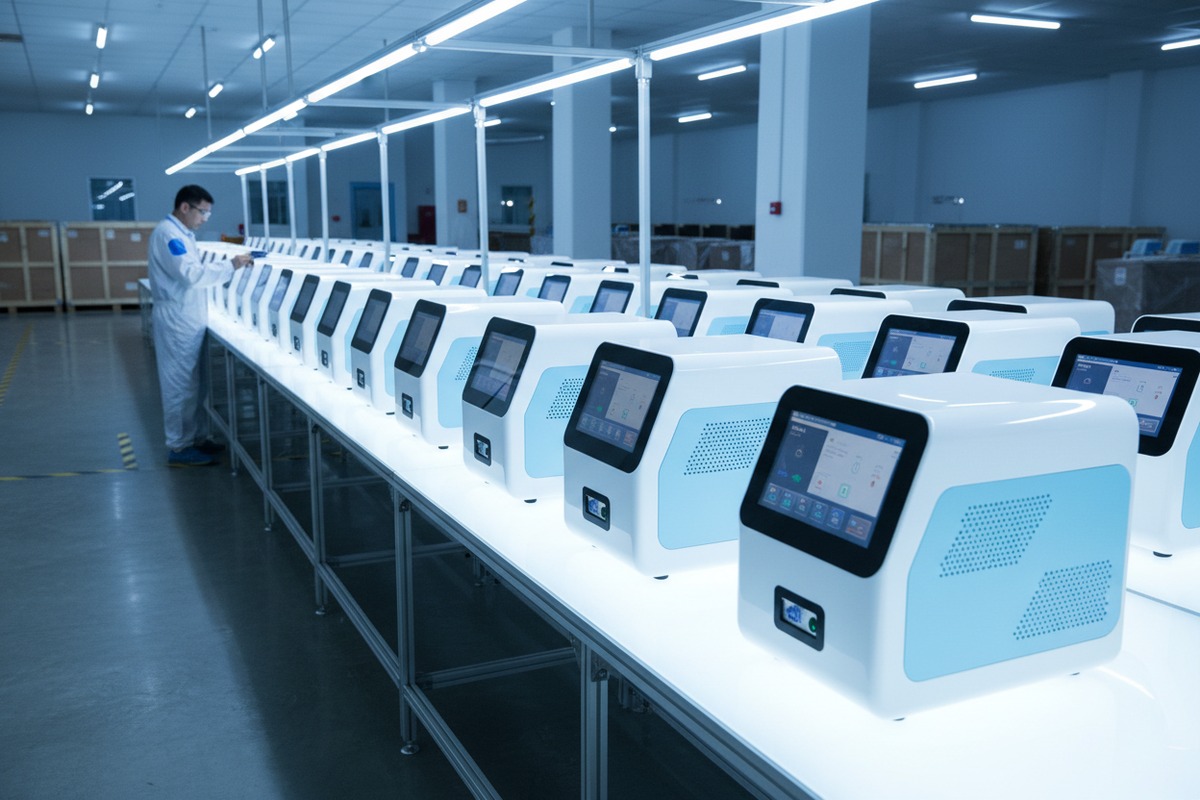
Most suppliers structure their pricing tiers around specific quantity breakpoints. These thresholds exist because manufacturing costs 3 decrease significantly at certain production volumes. When we set up our assembly lines for a production run, the initial setup costs remain fixed whether we produce 3 units or 30 units.
Here is a typical tiered pricing structure for mid-range radial shockwave therapy machines 4:
| Order Quantity | Discount Range | Approximate Per-Unit Cost (USD) |
|---|---|---|
| 1-2 units | Base price | $8,000-$12,000 |
| 3-5 units | 5-10% off | $7,200-$10,800 |
| 6-10 units | 10-18% off | $6,560-$9,840 |
| 11-20 units | 18-25% off | $6,000-$9,000 |
| 21+ units | 25-35% off | $5,200-$7,800 |
These numbers represent averages across the industry. Your actual savings depend on the specific product, supplier, and your negotiation skills.
Why Volume Discounts Make Economic Sense
From our factory floor perspective, larger orders reduce several cost categories. Raw material procurement becomes cheaper when we buy components in bulk. Quality control processes become more efficient when testing standardized batches. Packaging and documentation costs spread across more units.
Additionally, shipping economics favor larger orders. A single international shipment containing 20 machines costs far less per unit than 20 separate shipments. These logistics savings often get incorporated into tiered pricing structures.
Negotiation Strategies for Maximum Savings
Do not accept the first quote. Most suppliers build negotiation room into their initial offers. Ask for itemized cost breakdowns. Request information about the next pricing tier threshold. Sometimes ordering just 2-3 additional units can push you into a significantly better price bracket.
Long-term purchase commitments also unlock better pricing. When we know a buyer will return for repeat orders, we can offer more aggressive discounts on initial purchases. This predictability helps our production planning and reduces our business risk.
Does my request for custom OEM branding impact the tiered pricing levels?
When clients approach us about private labeling their shockwave therapy machines, pricing discussions get more complex. Custom branding involves additional processes, but this does not always mean higher costs. The relationship between OEM customization and tiered pricing surprises many buyers.
Custom OEM branding typically adds 3-8% to per-unit costs due to custom tooling, packaging design, and regulatory documentation. However, larger orders offset these costs significantly, and orders exceeding 15-20 units often reach the same or better pricing than smaller orders of standard-branded machines.
Breaking Down OEM Customization Costs
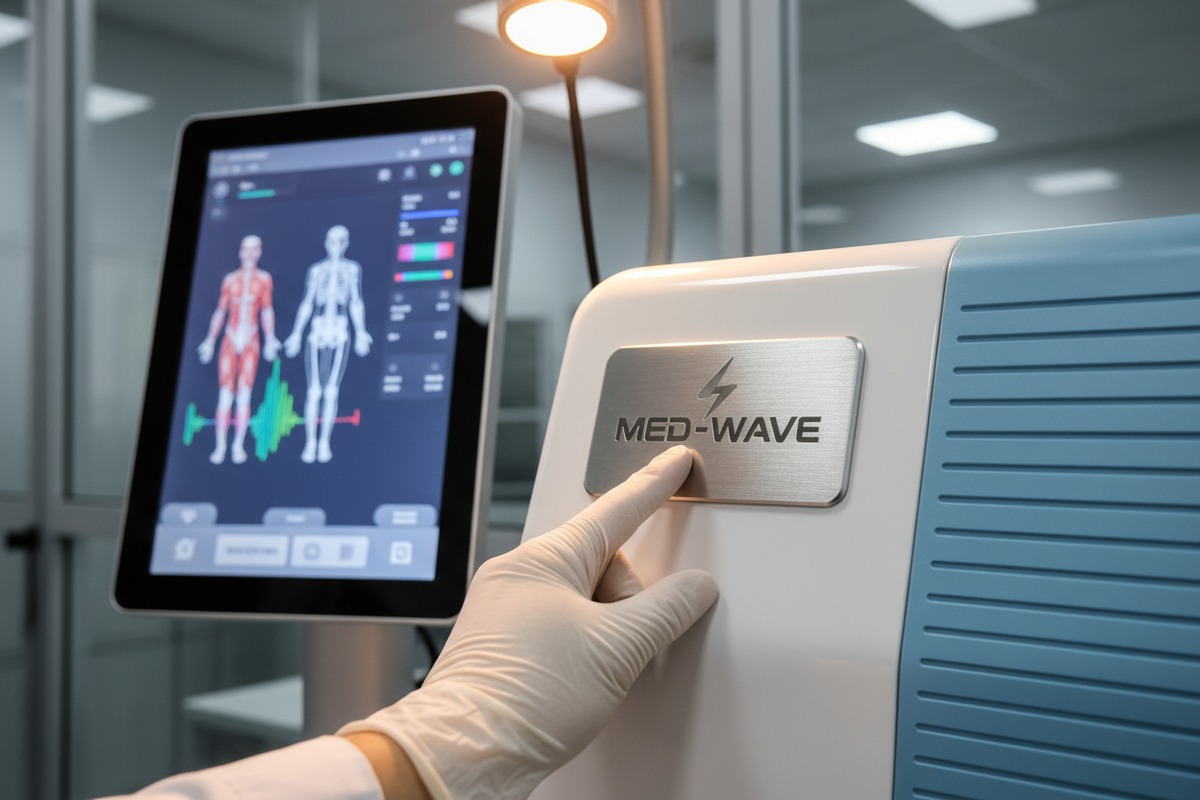
OEM branding 5 involves several distinct cost categories. Understanding each category helps you negotiate more effectively and identify where savings opportunities exist.
| Customization Element | One-Time Cost (USD) | Per-Unit Impact | Notes |
|---|---|---|---|
| Logo placement on device | $200-$500 | $5-$15 | Silk screening or laser engraving |
| Custom interface software | $1,500-$5,000 | $20-$50 | Brand colors, startup screens |
| Packaging design | $500-$2,000 | $15-$40 | Boxes, foam inserts, manuals |
| Regulatory documentation 6 | $1,000-$3,000 | $10-$25 | CE/FDA labels with your brand |
| Custom color options | $800-$2,500 | $25-$60 | Housing color modifications |
The one-time costs decrease in per-unit impact as order volume increases. This creates strong incentives for larger OEM orders.
How Order Volume Offsets Customization Costs
Consider this example from our recent production runs. A client ordered 5 units with full OEM branding. The customization added approximately $150 per unit to their cost. Another client ordered 25 identical machines with the same customization requirements. Their per-unit customization cost dropped to approximately $45 because the one-time tooling and design costs spread across more units.
This dynamic means that small orders with extensive customization face the highest per-unit costs. Larger orders with the same customization requirements approach standard pricing levels or even beat them when volume discounts apply.
Standardization Strategies to Reduce OEM Costs
Some customization elements cost more than others. Our engineering team often suggests prioritizing visible branding elements while accepting standard components for internal parts. This approach delivers the brand presence clients need while minimizing cost impact.
For example, keeping standard transmitter designs while customizing only the main console appearance reduces tooling costs significantly. The patient sees your branded machine. The internal technology remains our proven, quality-controlled design.
Timeline Considerations for OEM Orders
Custom orders require longer lead times. Standard machines ship within 2-3 weeks from our warehouse. Full OEM customization adds 4-8 weeks for design approval, tooling production, and pilot runs. Plan your procurement timeline accordingly to avoid rush fees that can add 10-20% to your order cost.
Can I maintain strict quality control standards while taking advantage of high-volume discounts?
Quality concerns keep many purchasing managers awake at night. They worry that pushing for aggressive volume discounts will compromise the machines they receive. Our factory has addressed this concern with hundreds of clients, and the answer requires understanding how quality control actually works in medical device manufacturing 7.
Yes, you can maintain strict quality control while securing high-volume discounts. Professional suppliers implement consistent QC protocols regardless of order size, and volume buyers actually gain leverage to request enhanced inspection procedures, third-party audits, and detailed quality documentation at no additional cost.
Standard Quality Control Procedures
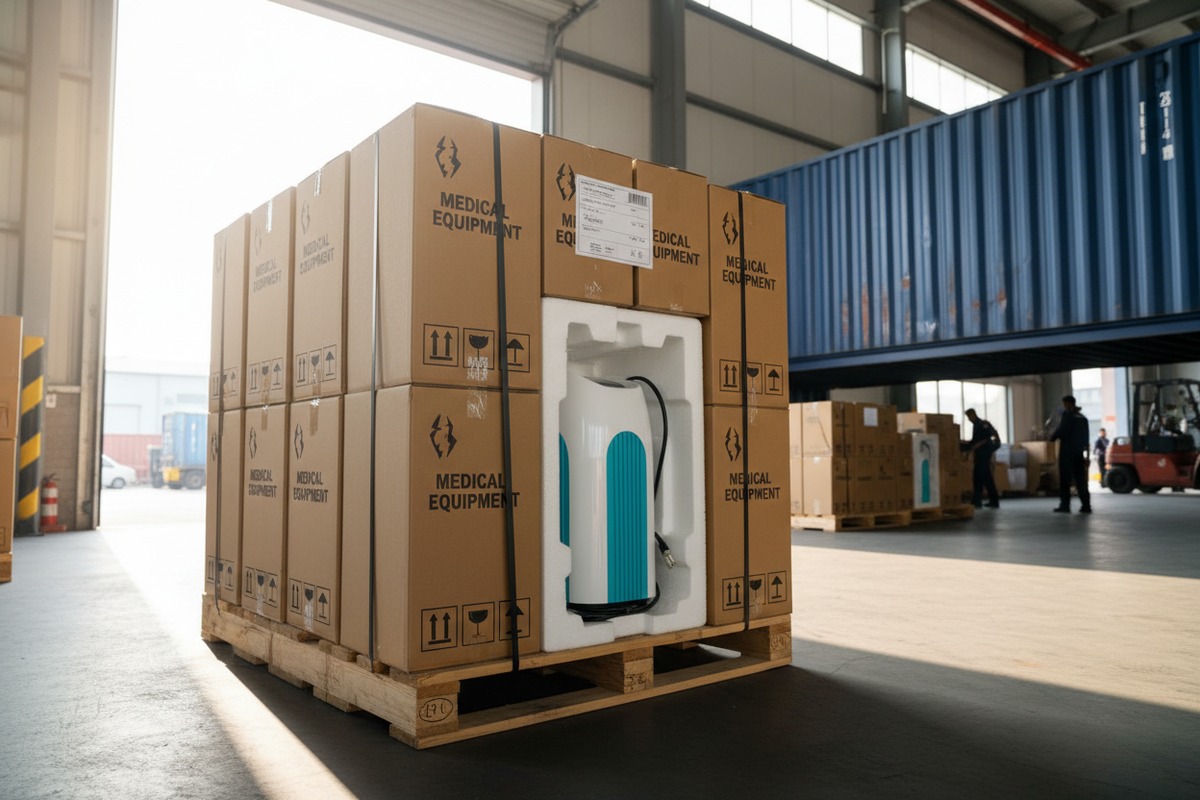
Every shockwave therapy machine leaving our facility passes through multiple inspection stages. These procedures remain constant whether we produce 2 units or 200 units. The volume of an order does not change our commitment to product quality.
| QC Stage | Inspection Points | Documentation Provided |
|---|---|---|
| Incoming materials | Component specifications, supplier certificates | Material test reports |
| Assembly verification | Torque settings, wiring connections, seal integrity | Assembly checklists |
| Electrical safety | Grounding, insulation resistance, leakage current | Safety test certificates |
| Functional testing | Energy output accuracy, pressure calibration, software operation | Calibration reports |
| Final inspection | Cosmetic appearance, packaging integrity, accessory completeness | Final QC report with photos |
These five stages catch problems before they reach your warehouse. Volume discounts come from production efficiency, not from cutting quality corners.
Enhanced QC Options for Volume Buyers
Larger orders give buyers more negotiating power for quality assurance measures. Many of our volume clients request additional protections that would be cost-prohibitive for single-unit purchases.
Pre-shipment inspections by third-party agencies become economically viable for larger orders. Companies like SGS, Bureau Veritas, or Intertek can inspect your specific order for $300-$800 total. This cost divided across 20+ units adds minimal per-unit expense while providing independent verification.
Video documentation during production offers another option. Our team can record key assembly and testing steps for your specific machines. This creates a permanent record that builds trust and helps resolve any future questions about manufacturing quality.
The Real Source of Quality Problems
Quality issues typically arise not from volume discounts but from poor supplier selection. Suppliers who offer unusually low prices often cut costs by using inferior components, rushing production, or skipping inspection steps. The lowest-priced option frequently becomes the most expensive when warranty claims, customer complaints, and reputation damage accumulate.
When evaluating suppliers, ask about their quality management certifications. ISO 13485 certification 8 specifically applies to medical device manufacturing. Ask for references from other volume buyers. Request sample inspection reports from recent production runs. These steps reveal more about actual quality practices than pricing discussions.
Building Quality Requirements into Your Contract
Document your quality expectations in writing before placing orders. Specify acceptable defect rates, typically below 2% for cosmetic issues and zero tolerance for functional defects. Include provisions for replacement or refund if quality standards are not met. Professional suppliers welcome these requirements because they demonstrate that you value quality and will be a demanding but fair partner.
Will my supplier include door-to-door logistics costs within my tiered pricing agreement?
Logistics costs surprise many first-time importers. The quoted machine price represents only part of your total landed cost 9. Shipping, customs, insurance, and local delivery can add 15-25% to your equipment cost. Understanding how these expenses fit into tiered pricing negotiations helps you budget accurately and avoid unpleasant surprises.
Many suppliers will include partial or complete door-to-door logistics costs in tiered pricing agreements for larger orders. Orders exceeding 10-15 units often qualify for bundled shipping rates, and some suppliers absorb logistics costs entirely for orders above 25-30 units as a competitive incentive.
Understanding the Components of Landed Cost
Your total landed cost includes multiple expense categories beyond the factory gate price. Each component offers potential negotiation opportunities within a tiered pricing structure.
| Cost Component | Typical Range (% of FOB price) | Negotiability |
|---|---|---|
| Ocean freight | 3-8% | High for volume |
| Air freight | 12-25% | Moderate |
| Export customs clearance | 0.5-1% | Low |
| Import duties/tariffs | 0-7% | None |
| Import customs brokerage | 0.5-2% | Moderate |
| Cargo insurance | 0.3-0.8% | Low |
| Local delivery | 1-3% | Moderate |
| Total logistics addition | 15-35% | High for volume |
Volume orders provide leverage across nearly all these categories.
How Suppliers Structure Logistics in Tiered Pricing
Three common models exist for incorporating logistics into pricing agreements:
EXW (Ex Works) pricing means you pay all logistics costs separately. The quoted price covers only the machines at the factory. This approach offers maximum transparency but requires you to manage or outsource shipping logistics.
FOB (Free on Board) pricing includes export clearance and loading onto the vessel. You pay international freight, insurance, import duties, and local delivery. This model balances cost visibility with supplier support for export procedures.
DDP (Delivered Duty Paid) pricing bundles all costs into one per-unit price. The supplier handles everything until machines arrive at your warehouse. This approach simplifies budgeting and transfers logistics risk to the supplier.
Negotiating Logistics into Your Volume Agreement
When our clients order 15+ units, we typically offer DDP pricing that matches or beats what they would pay managing logistics independently. The savings come from our established shipping relationships and consolidated cargo capabilities.
Request itemized quotes showing both FOB and DDP pricing. Compare the DDP option against independent freight quotes. Sometimes suppliers markup logistics significantly. Other times, their consolidated shipping rates beat anything you can arrange yourself.
For very large orders, ask about exclusive container shipments. A full 20-foot container holds approximately 40-60 shockwave therapy machines depending on packaging dimensions. Full container shipments cost less per unit than consolidated cargo and reduce handling damage risk.
Currency and Timing Considerations
International logistics costs fluctuate based on fuel prices, container availability, and seasonal demand. Lock in freight rates when possible, especially for orders with extended delivery timelines. Some suppliers offer fixed DDP pricing for 30-60 days, protecting you from freight rate increases during that window.
Payment currency also affects your total cost. Most Chinese suppliers quote in USD, which provides stability for US buyers. Discuss payment timing and currency options to minimize exchange rate risk on large orders.
Conclusion
Tiered pricing for imported shockwave therapy machines is real and substantial. Volume buyers can achieve 25-35% savings while maintaining quality standards and streamlining logistics. The key is understanding how each cost component responds to order quantity and negotiating comprehensively across all elements of your procurement agreement.
Footnotes
1. Explains DDP Incoterms, outlining seller’s maximum responsibility in shipping. ↩︎
2. Defines procurement strategy and its importance in business operations. ↩︎
3. Provides a clear definition and breakdown of manufacturing costs. ↩︎
4. Explains what shockwave therapy machines are and their applications. ↩︎
5. Explains OEM and its role in branding, relevant source, working link. ↩︎
6. Authoritative source (BSI), directly addresses technical/regulatory documentation for medical devices, working link. ↩︎
7. Provides facts and an overview of the medical device industry. ↩︎
8. Explains the ISO 13485 standard for medical device quality management systems. ↩︎
9. Defines total landed cost and its key components in supply chain. ↩︎

 English
  Español de México
  Deutsch
  Français
  العربية
  Русский