As a manufacturer exporting shockwave therapy machines worldwide, I’ve worked with many clients who request third-party inspection before shipment. Some do it for regulatory reasons, others for peace of mind—but all benefit from the transparency.
Yes, you should request third-party quality inspection reports when importing shockwave therapy machines. Independent inspection ensures safety compliance, verifies performance accuracy, and provides documented evidence that your shipment meets international medical device standards.
This step protects both your investment and your clinic’s reputation, especially if you are sourcing equipment overseas.
What Are the Benefits of Third-Party Testing?
When I supply machines to international distributors, independent inspection often serves as a bridge of trust between buyer and manufacturer.
Third-party testing provides unbiased verification of build quality, safety, and performance. It reduces the risk of hidden defects, ensures compliance with global regulations, and strengthens supplier accountability.

These tests often refer to standards such as ISO 13485:2016 1 for quality management, IEC 60601-1 2 for electrical safety, and IEC 60601-2-36 3 for shockwave therapy device performance.
Core Benefits Breakdown
| Benefit Type | Description |
|---|---|
| Objective validation | Inspectors are independent from the seller, eliminating conflicts of interest. |
| Regulatory assurance | Confirms compliance with CE, FDA, or ISO 13485 standards. |
| Safety verification | Tests electrical and acoustic safety under IEC 60601 requirements. |
| Performance accuracy | Confirms output energy, pulse frequency, and control responsiveness. |
| Import risk control | Identifies damage or non-conformities before customs clearance. |
| Procurement leverage | Inspection results help negotiate price adjustments or corrective actions. |
Independent inspections also align with international trade practices such as ISO 17020 inspection principles 4.
How Much Does Independent Testing Cost?
Cost is usually the next concern after deciding to order an inspection, and it varies depending on the scope and country.
Independent inspection costs for shockwave therapy machines typically range from USD 250 to 800 per unit for pre-shipment inspection, and USD 1,000 to 3,000 for full lab-based testing with energy calibration and EMC verification.

For accredited testing facilities, see the ILAC MRA signatory database 5, which lists globally recognized laboratories for calibration and testing.
Do Third-Party Labs Test Functionality?
A question I often get from clients: “Do they actually power on and test the device?” The answer is yes—if you request it.
Third-party labs do test functionality, including power-up sequence, control interface, energy output stability, and emergency stop features. Some also measure acoustic energy density (mJ/mm²) and pulse frequency (Hz) to confirm performance claims.

Energy calibration follows principles outlined in IEC 61260 6 and ISO/IEC 17025 testing competence 7.
Typical Functional Tests Conducted
| Functional Area | Test Description | Purpose |
|---|---|---|
| User interface check | Verify display, menu navigation, and language options. | Ensures usability and accuracy. |
| Pulse performance | Measure energy and pulse frequency against specification. | Confirms treatment consistency. |
| Thermal monitoring | Assess device temperature under continuous use. | Prevents overheating or burnout. |
| Safety interlocks | Test emergency stop and fault alarm. | Validates patient safety mechanisms. |
| Accessory integrity | Check handpiece, cables, and coupling gels. | Ensures safe connection and operation. |
Are Reports Internationally Recognized?
In international trade, not all reports hold the same weight. Recognition depends on the accreditation of the testing body.
Yes, third-party inspection reports from ISO/IEC 17025–accredited or ILAC–recognized labs are internationally accepted by regulatory authorities, distributors, and insurers.
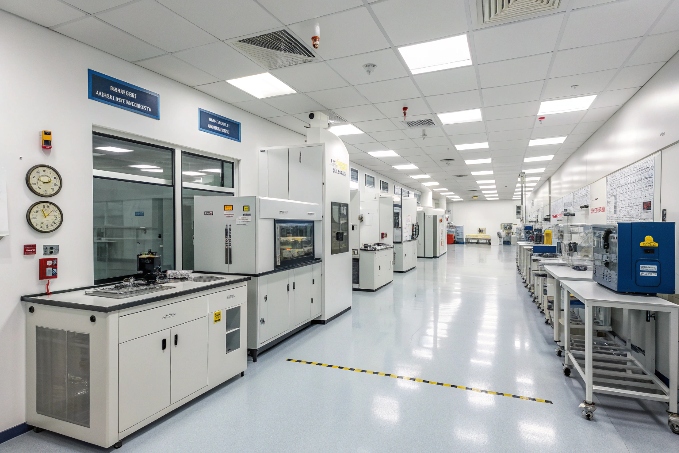
You can confirm a lab’s recognition through ILAC Mutual Recognition Arrangements (MRA) 8 and regional networks like APLAC 9.
Accredited test reports are also accepted by agencies following ISO 9001-based conformity assessment systems 10.
Conclusion
Third-party quality inspection is your best defense against costly quality failures. It verifies safety, ensures accurate energy delivery, and builds trust between you and your supplier.
For any imported shockwave therapy machine, a certified inspection report is not a cost—it’s an investment in patient safety, compliance, and long-term reliability.
Footnotes
1. ISO 13485:2016 – Medical device quality management systems. ↩︎
2. IEC 60601-1 – Electrical safety standard for medical equipment. ↩︎
3. IEC 60601-2-36 – Particular safety requirements for shockwave devices. ↩︎
4. ISO 17020 – General criteria for operation of inspection bodies. ↩︎
5. ILAC – Global database of accredited testing laboratories. ↩︎
6. IEC 61260 – Methods for measuring acoustic signal characteristics. ↩︎
7. ISO/IEC 17025 – Competence of testing and calibration laboratories. ↩︎
8. ILAC MRA – Mutual recognition of accredited test results. ↩︎
9. APLAC – Asia Pacific Laboratory Accreditation Cooperation network. ↩︎
10. ISO 9001 – Quality management principles for conformity assessment. ↩︎

 English
  Español de México
  Deutsch
  Français
  العربية
  Русский