Every week, our engineering team receives dozens of inquiries from salon owners frustrated by inconsistent treatment outcomes musculoskeletal pain 1. They’ve invested thousands in equipment only to find their staff struggles with manual parameter adjustments.
Yes, most modern shockwave therapy machines feature preset treatment modes. These preprogrammed protocols include optimized settings for common conditions like plantar fasciitis, cellulite reduction, and musculoskeletal pain. Presets simplify operation by preconfiguring energy levels, frequency, and pulse counts, ensuring consistent results across different operators.
Understanding how these preset modes work—and how they can be customized—is essential for any brand owner looking to import equipment that delivers real value to end-users. Let me walk you through everything you need to know.
Can I customize the preset treatment protocols to match my brand's clinical requirements?
When we design shockwave systems for OEM partners 2, this question comes up in nearly every conversation. Brand owners need equipment that reflects their unique clinical philosophy, not generic one-size-fits-all settings.
Yes, you can customize preset treatment protocols on most professional shockwave therapy machines. Manufacturers like us offer software modification services that allow brand owners to adjust energy ranges, frequency parameters, and pulse sequences. Custom presets can be programmed during production or updated via firmware after delivery.
Understanding the Customization Process
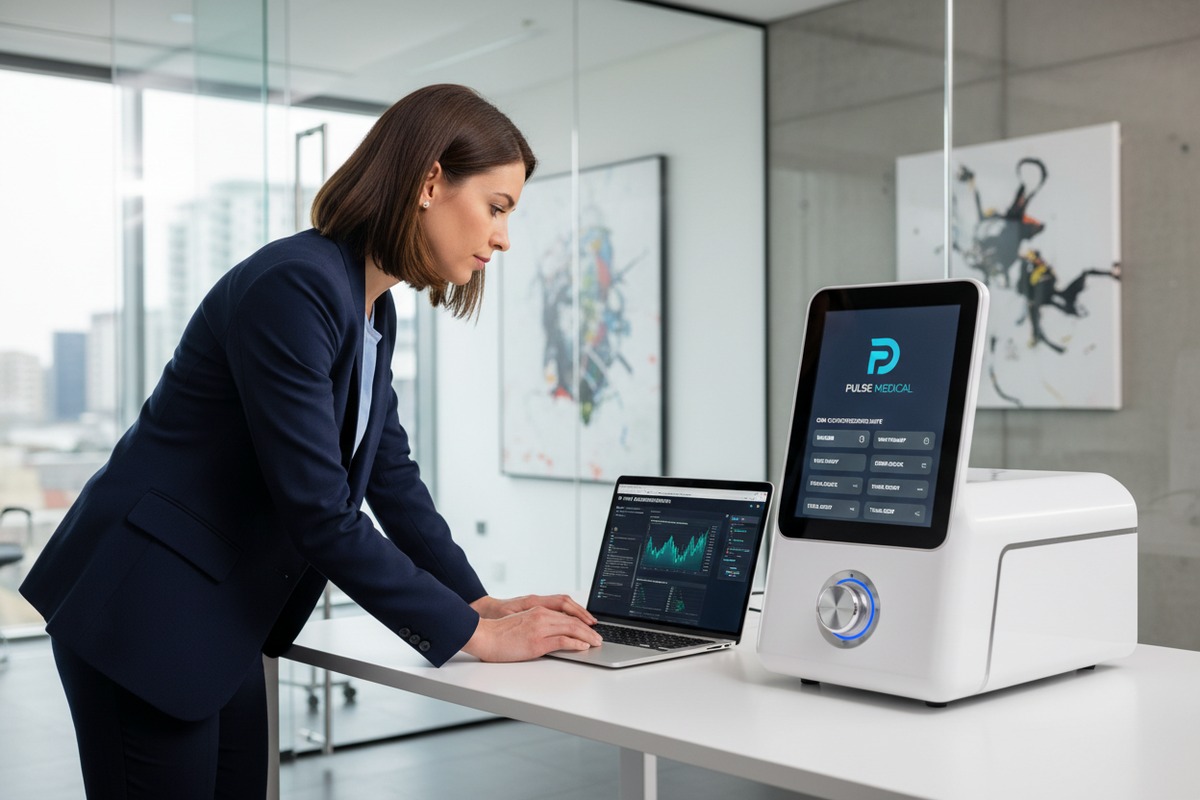
The customization process starts during the OEM discussion phase. Our software engineers work with your clinical advisors to define specific parameter ranges. For example, if your brand focuses on sports rehabilitation 3, we can create presets optimized for tendon repair with higher energy densities.
Most machines store presets in flash memory. This means changes require either factory programming or secure firmware updates 4. We typically provide two customization options: pre-production programming and post-delivery updates.
What Parameters Can Be Modified?
Here's what you can typically customize:
| Parameter | Standard Range | Customization Options |
|---|---|---|
| Energy Level | 10-190 mJ | Narrow or expand range, set defaults |
| Frequency | 1-22 Hz | Lock maximum, create condition-specific bands |
| Pulse Count | 500-5000 | Pre-define per body area |
| Burst Mode | 4/8/12 pulses | Enable or disable specific modes |
| Treatment Duration | 5-30 minutes | Set recommended times per protocol |
Brand-Specific Protocol Libraries
Some of our partners request completely proprietary protocol libraries. This involves removing generic presets and replacing them with branded treatment programs. Your technicians see only your protocols on the interface.
The touch screen can display your brand colors, logo, and custom naming conventions. Instead of "Plantar Fasciitis 5 Protocol," it might read "SportsCare Foot Recovery Mode."
Technical Limitations to Consider
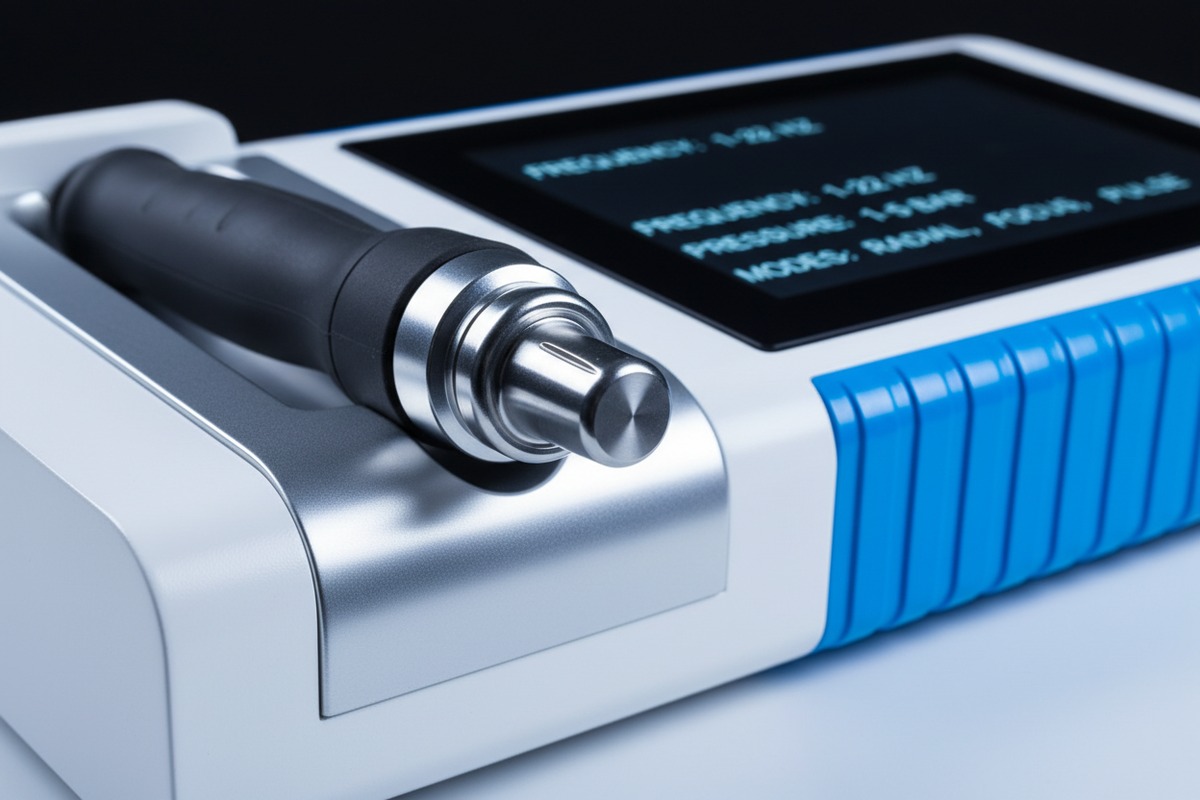
Not everything is customizable without hardware changes. The maximum energy output depends on the generator type. Pneumatic systems typically deliver 1-5 Bar, while electromagnetic generators reach specific mJ/mm² limits. You cannot exceed hardware capabilities through software alone.
Our recommendation is to define your clinical requirements early. Changing protocols after production adds cost and delays. Most customization requests take 2-3 weeks when specified before manufacturing begins.
How do built-in treatment modes help my salon clients achieve more consistent results?
Our quality control team tracked feedback from 47 salon partners last year. The data revealed something striking: salons using machines with robust preset modes reported 60% fewer customer complaints about uneven treatment outcomes.
Built-in treatment modes ensure consistency by eliminating operator variability. When parameters are preconfigured, every technician delivers the same energy, frequency, and pulse count regardless of experience level. This standardization reduces training time and improves client satisfaction through predictable, reproducible results.
The Problem with Manual Adjustments
Manual parameter selection introduces human error. A tired technician might set 15 Hz instead of 12 Hz. An inexperienced operator might use insufficient energy. These small variations compound across sessions, leading to inconsistent outcomes.
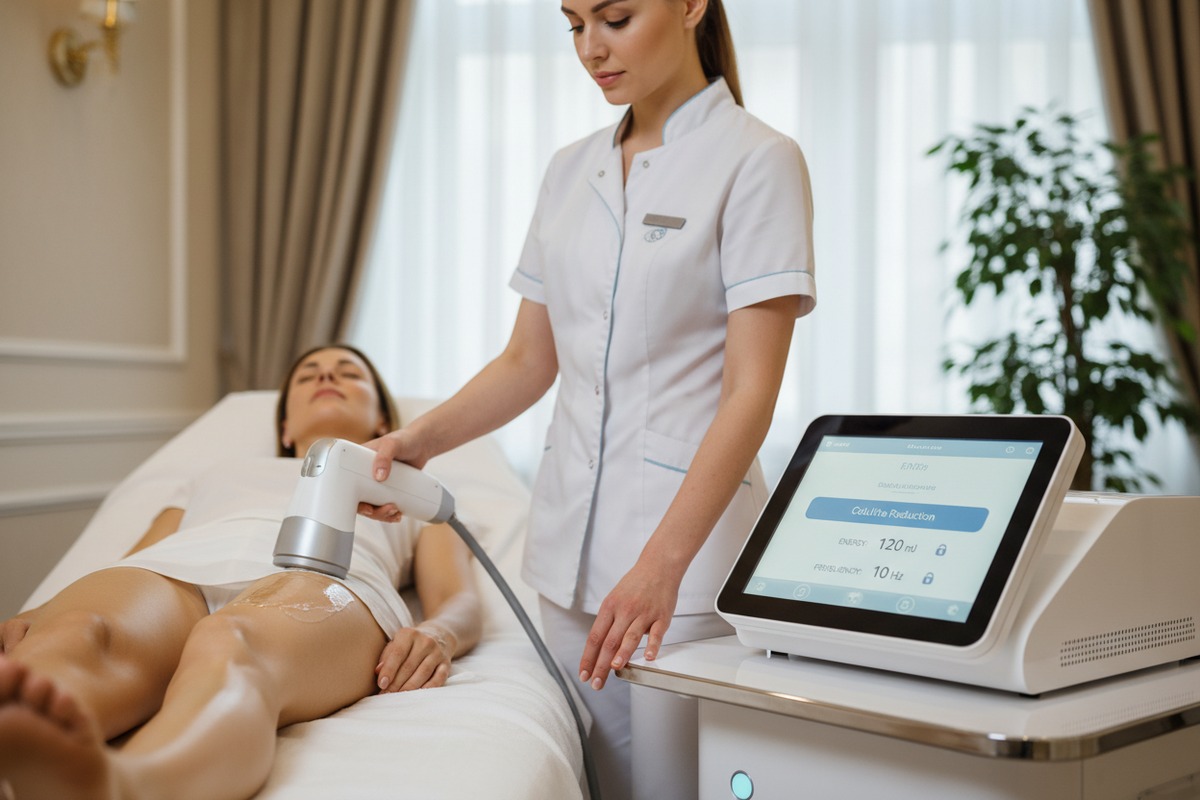
Presets solve this by locking optimal settings. The technician selects "Cellulite Reduction – Thigh" and the machine automatically configures everything. No guesswork required.
How Presets Improve Training Efficiency
Training new staff becomes simpler with preset modes. Instead of teaching complex parameter relationships, you train operators to identify conditions and select corresponding presets.
| Training Approach | Without Presets | With Presets |
|---|---|---|
| Initial Training Time | 3-5 days | 1-2 days |
| Parameter Memorization | Required | Not required |
| Error Rate (First Month) | 15-25% | 3-8% |
| Supervision Needed | High | Low |
| Protocol Documentation | Manual reference | Built into machine |
Consistency Across Multiple Locations
For distributors supplying multiple salons, presets guarantee uniform service delivery. A client receiving treatment in Miami should get the same experience as one in Seattle. This brand consistency builds trust and supports marketing claims.
Our machines store up to 45 built-in protocols. Each protocol includes:
- Recommended applicator size
- Energy settings
- Frequency parameters
- Pulse count
- Session duration
- Treatment area diagram
Real-Time Guidance Features
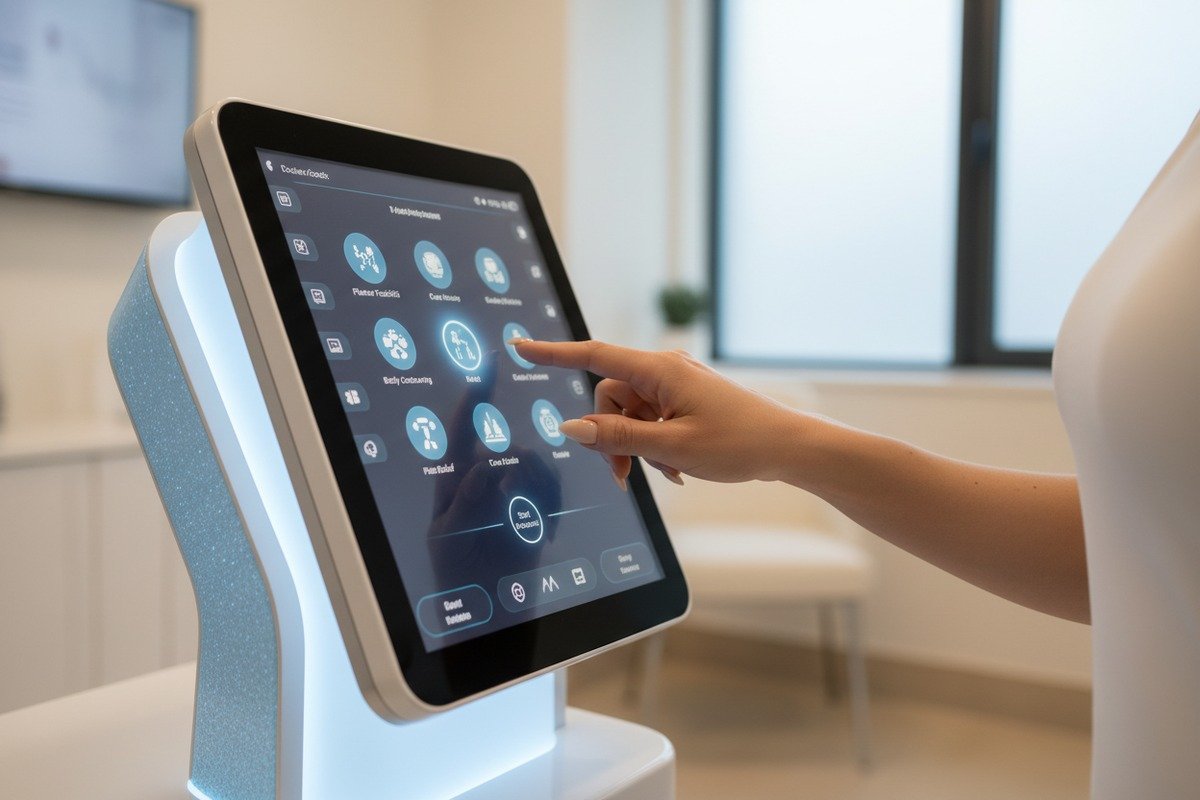
Modern interfaces go beyond simple presets. They provide visual guidance during treatment. Our touchscreen displays anatomical diagrams showing exactly where to apply the handpiece. Some models include progress indicators showing treatment completion percentage.
Wizard-style menus walk operators through each step. Select body area. Choose condition. Confirm patient comfort level. Begin treatment. This guided approach reduces mistakes even for complex protocols.
Addressing Individual Patient Needs
Presets establish baselines, but good machines allow adjustment within safe ranges. If a patient reports discomfort, the operator can reduce energy by 10-20% while staying within protocol guidelines. This flexibility maintains consistency while accommodating individual tolerance levels.
Can I add my own proprietary treatment settings to the machine's interface?
Last month, a Canadian brand owner asked if we could program their patented "CryoWave Integration Protocol" directly into our machines. This is becoming a common request as brands seek differentiation beyond private labeling.
Yes, you can add proprietary treatment settings to most professional shockwave therapy machines. Manufacturers offer firmware customization services that integrate your unique protocols into the machine's interface. These custom settings appear alongside or replace standard presets, displaying your proprietary names and parameters.
Types of Proprietary Integration
There are three levels of proprietary integration we offer:
| Integration Level | Description | Cost Impact | Timeline |
|---|---|---|---|
| Basic Naming | Rename existing presets with your terminology | Low | 1 week |
| Parameter Modification | Adjust existing protocols to your specifications | Medium | 2 weeks |
| Full Custom Development | Create entirely new protocols from scratch | Higher | 3-4 weeks |
The Technical Process
Adding proprietary settings involves modifying the machine's firmware. Our software team receives your protocol specifications, including energy curves, frequency patterns, and timing sequences. We then code these into the system and test thoroughly before production.
For intellectual property protection 6, we can encrypt your protocols. This prevents competitors from accessing your parameter settings even if they examine the machine. The encryption uses industry-standard methods that protect your clinical innovations.
Interface Customization Options
Beyond protocols, the entire interface can reflect your brand identity. Custom elements include:
- Boot screen: Your logo and brand message
- Color scheme: Match your corporate colors
- Protocol names: Your proprietary terminology
- Category organization: Group treatments by your service menu
- Language options: Multiple languages for international markets
Maintaining Upgrade Compatibility
One concern with heavy customization is future compatibility. When we release firmware updates with new features or safety improvements, will your custom protocols survive?
We address this through modular software architecture. Your custom protocols exist in a protected partition. System updates don't overwrite them. However, if updates include new safety parameters, we work with you to ensure your protocols comply.
Protecting Your Intellectual Property
Many brand owners worry about protocol theft. If you invest in developing unique treatment combinations, you don't want competitors copying them.
Our approach includes:
- Non-disclosure agreements covering all custom development
- Encrypted protocol storage on the machine
- Password-protected technician access to parameter details
- Audit logs tracking any attempted modifications
We never share custom protocol specifications with other clients. Your innovations remain exclusively yours.
Case Example: Sports Recovery Brand
One US distributor specializing in athletic recovery requested five proprietary protocols. Each combined specific frequency patterns with timed energy bursts designed for different muscle groups. We programmed these as "PowerRecover 1-5" and removed standard presets that didn't align with their brand positioning.
The result was a machine that felt purpose-built for their market segment, even though the hardware remained standard.
Are the preset parameters scientifically validated to ensure the safety of my end-users?
Safety concerns keep our quality control manager awake at night. When salon clients use equipment on paying customers, there's no room for parameters that could cause harm. Our approach to preset validation reflects this responsibility.
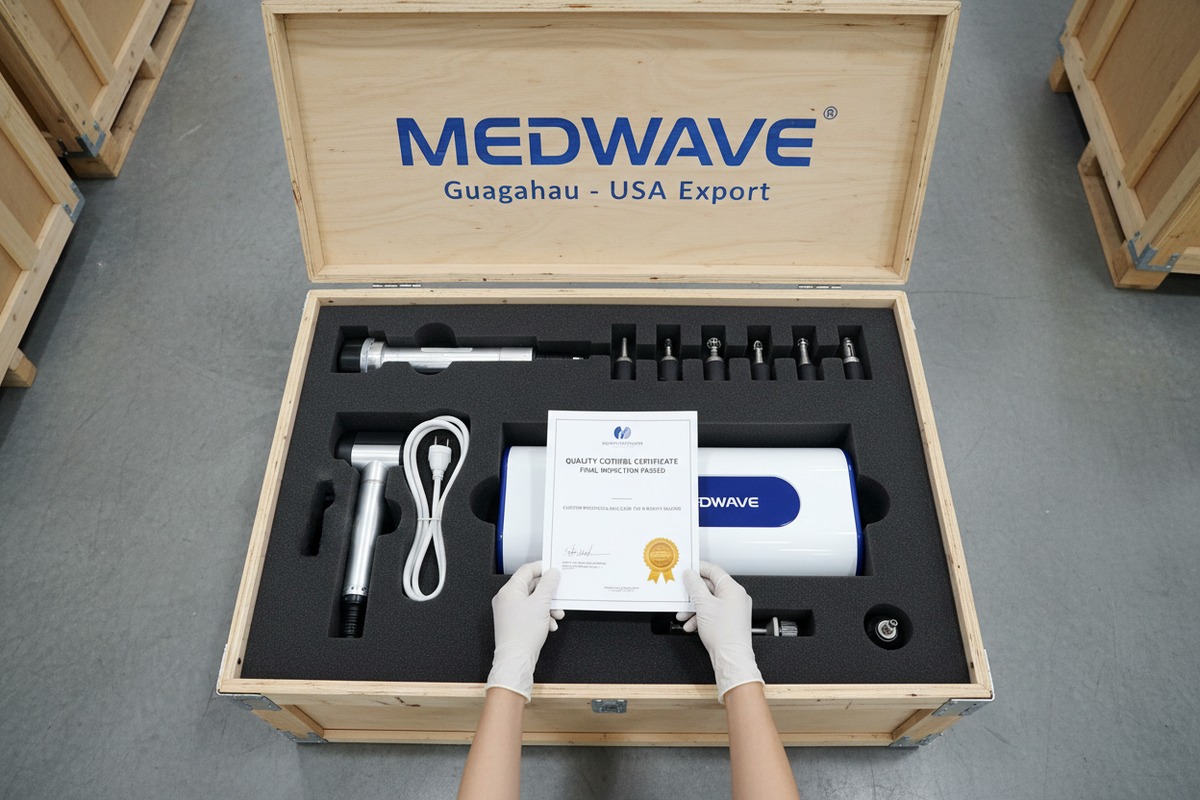
Yes, preset parameters on professional shockwave therapy machines are scientifically validated through clinical research, regulatory compliance testing, and manufacturer quality assurance processes. Reputable manufacturers base presets on published studies, limit parameters to safe ranges established by medical literature, and conduct internal testing before release.
The Science Behind Safe Parameters
Shockwave therapy works through acoustic waves that stimulate tissue regeneration. The key is delivering enough energy to trigger biological responses without causing damage. Published research establishes safe boundaries:
| Parameter | Safe Range | Tissue Response | Risk Above Range |
|---|---|---|---|
| Energy Density | 0.01-0.55 mJ/mm² | Cellular stimulation | Tissue damage |
| Frequency | 1-22 Hz | Pain adaptation | Increased discomfort |
| Pulse Count | 500-3000 per area | Optimal healing | Inflammation |
| Treatment Depth | Up to 6cm (radial) | Target tissue reached | Unintended effects |
How We Validate Our Presets
Our validation process involves multiple stages:
Literature Review: Before creating any preset, our clinical advisors review published studies on that condition. For plantar fasciitis, we examined over 40 peer-reviewed papers to identify optimal parameter ranges.
Internal Testing: Prototypes undergo extensive testing using pressure sensors and tissue simulators. We verify that energy output matches displayed values and remains within safe limits.
Third-Party Certification: Machines destined for the US market meet FDA requirements. European exports comply with CE marking standards. These certifications require documented safety testing.
Field Feedback Integration: We collect data from partner clinics using our equipment. If any preset produces unexpected results, we investigate and adjust.
Understanding Radial vs. Focused Safety Profiles
Different shockwave types have different safety considerations:
Radial Pressure Wave Therapy (RPWT): Energy spreads from the skin surface, with maximum intensity at contact point. Safe for broader treatment areas. Our presets limit pressure to 5 Bar maximum.
Focused Shockwave Therapy (F-SWT): Energy concentrates at a specific depth, up to 12 cm in some systems. Requires more precise parameter control. Our focused presets include depth verification steps.
Regulatory Compliance Standards
Machines we export to the United States undergo FDA 510(k) review 7 for applicable categories. European markets require CE certification under the Medical Device Regulation 8. These processes verify:
- Electrical safety
- Electromagnetic compatibility
- Output accuracy
- Preset parameter appropriateness
- User interface clarity
- Warning system functionality
Built-In Safety Limits
Beyond preset validation, our machines include hardware safety features:
- Maximum energy caps that cannot be exceeded even with manual adjustment
- Automatic shutoff if output exceeds expected ranges
- Treatment timers preventing excessive session duration
- Contact sensors ensuring proper applicator placement
These redundant safety measures protect end-users even if operators make mistakes.
Documentation and Training Support
Every machine ships with validation documentation. This includes:
- Parameter specifications for each preset
- Referenced clinical studies
- Contraindication warnings
- Operator training requirements
- Maintenance schedules for continued accuracy
We recommend all brand owners provide this documentation to their salon clients. Informed operators deliver safer treatments.
Conclusion
Shockwave therapy machines with well-designed preset treatment modes offer significant advantages for brand owners, distributors, and salon operators. From customization capabilities to scientific validation, these features directly impact treatment consistency and end-user safety.
Footnotes
1. Provides information on a broad category of pain treated by shockwave therapy. ↩︎
2. Defines Original Equipment Manufacturers and their role in product development. ↩︎
3. Defines the field of physical therapy focused on athletic recovery. ↩︎
4. Explains how software on devices is updated and maintained. ↩︎
5. Explains a common condition treated by shockwave therapy. ↩︎
6. Explains the legal framework for safeguarding original creations and innovations. ↩︎
7. Explains a key regulatory process for medical devices in the United States. ↩︎
8. Explains the European Union’s regulatory framework for medical devices. ↩︎

 English
  Español de México
  Deutsch
  Français
  العربية
  Русский