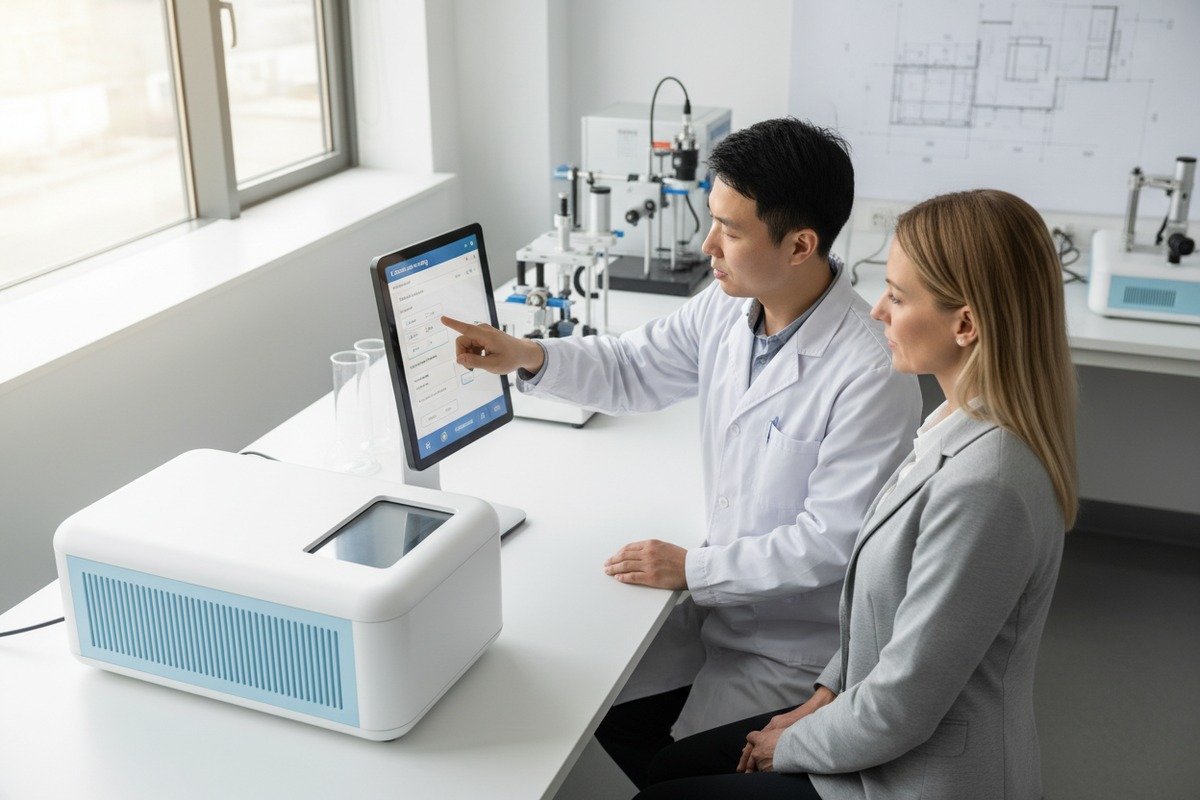
When our engineering team first developed shockwave therapy devices for export, one question kept appearing in every client meeting shockwave therapy machine treatment parameters 1. Distributors and brand owners wanted flexibility. They needed machines that could adapt to their specific market demands and clinical protocols OEM and ODM services 2. The problem was clear: rigid, one-size-fits-all devices simply do not work for diverse patient populations and treatment philosophies.
Yes, shockwave therapy machine treatment parameters can be fully customized. Energy levels, frequency ranges, pulse counts, applicator heads, and software interfaces are all adjustable. Manufacturers like us offer OEM and ODM services that allow brand owners to tailor devices to their exact clinical and branding requirements.
This article will walk you through everything you need to know about customizing shockwave therapy parameters ISMST guidelines 3. We will cover software interface 4 modifications, energy and frequency specifications, reliability concerns, and performance standards. Let us dive in.
How can I customize the software interface and treatment protocols for my brand?
Our production line handles dozens of private-label requests each year IEC 63045:2020 standards 5. Most brand owners want their logo, color scheme, and unique treatment protocols built directly into the device interface. The challenge is ensuring these changes look professional while maintaining intuitive operation for end users.
You can customize the software interface by working with your manufacturer to modify the home screen, menu structure, treatment protocol library, and language options. Our team programs custom protocols with your preferred energy, frequency, and pulse settings, then saves them as one-touch presets under your brand identity.

What Interface Elements Can Be Modified?
The touchscreen interface is the face of your shockwave therapy device. When clinicians interact with the machine daily, the interface must reflect your brand's professionalism. Our engineering team can modify several key elements.
The home screen displays your logo, brand colors, and welcome message. Menu navigation can be simplified or expanded based on your preferences. Treatment protocol names can match your proprietary therapy programs. Language options can be added for your target markets.
Building Your Protocol Library
Treatment protocols are the heart of customization. Each protocol stores specific parameters that clinicians can recall with one touch. This saves time and ensures consistency across treatments.
| Protocol Element | Customization Options | Typical Range |
|---|---|---|
| Protocol Name | Your proprietary naming | Any text |
| Energy Level | Pre-set mJ/mm² or bar | 0.03–0.60 mJ/mm² |
| Frequency | Pre-set Hz value | 1–15 Hz |
| Pulse Count | Total shocks per session | 1000–4000 |
| Treatment Area | Body region mapping | Shoulder, heel, back, etc. |
| VAS Pain Notes | Patient feedback fields | Scale 1–10 |
Data Recording and Compliance Features
Many distributors in the US and Europe require detailed treatment records for compliance purposes. We can program automatic data logging that captures every parameter used during each session. This documentation helps clinics meet regulatory requirements and supports insurance claims.
The interface can also include patient history tracking, before-and-after image uploads, and progress notes. These features differentiate your brand in competitive markets.
Can I request specific energy levels and frequency ranges for my private-label machines?
When we calibrate our shockwave devices before shipment, we configure exact energy and frequency parameters based on client specifications. Some distributors target high-end orthopedic clinics needing powerful focused shockwave. Others serve aesthetic spas requiring gentler radial treatments. The specifications differ dramatically.
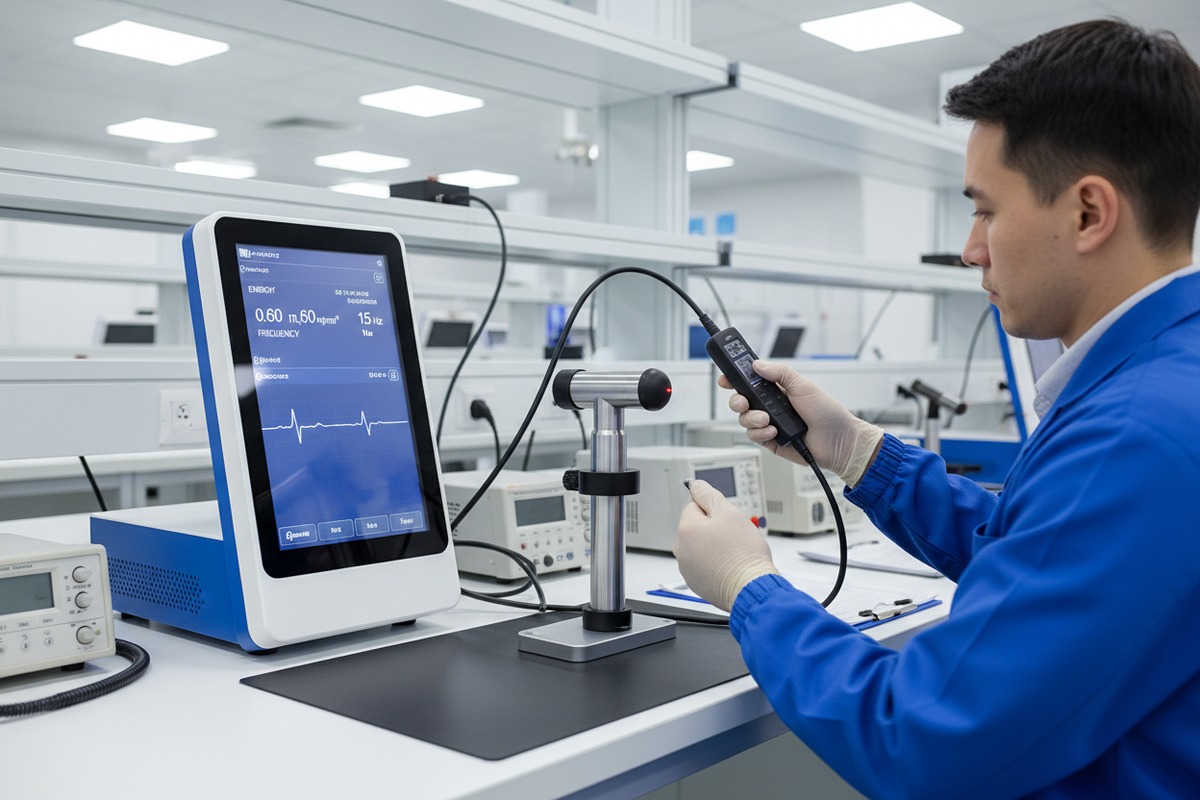
Yes, you can request specific energy levels and frequency ranges. Focused shockwave devices typically offer 0.03–0.60 mJ/mm², while radial devices provide 1–4 bar pressure. Frequency ranges span 1–15 Hz. We adjust these parameters during manufacturing to match your market positioning and clinical applications.
Understanding Energy Parameters
Energy is measured differently for focused versus radial shockwave devices. Focused devices use energy flux density (EFD) 6 measured in mJ/mm². Radial devices use air pressure measured in bar. Both affect treatment intensity and depth.
Higher energy penetrates deeper and treats more severe conditions like calcific tendinopathy 7. Lower energy suits superficial musculoskeletal issues and improves patient comfort. Your target clinical applications determine the ideal range.
| Device Type | Energy Measurement | Low Setting | Medium Setting | High Setting |
|---|---|---|---|---|
| Focused ESWT | mJ/mm² | 0.03–0.08 | 0.18–0.32 | 0.40–0.60 |
| Radial ESWT | Bar | 1.0–1.5 | 1.4–2.5 | 3.0–4.0 |
Frequency and Its Clinical Impact
Frequency affects both penetration depth and patient experience. Lower frequencies (1–5 Hz) deliver energy more slowly, allowing deeper tissue penetration. Higher frequencies (8–15 Hz) treat superficial areas quickly but may feel more intense.
Our engineers can set default frequency ranges and maximum limits based on your preferences. Some clients restrict maximum frequency to reduce patient discomfort. Others unlock full ranges for experienced clinicians treating diverse conditions.
Applicator Head Selection
Different applicator heads focus energy at various depths and tissue types. We offer multiple transmitter options that can be included with your private-label package.
Focused transmitters concentrate energy at specific depths up to 12 cm. Radial transmitters spread energy from the skin surface. Specialized heads target trigger points, plantar fascia, or large muscle groups.
Energy-Frequency Relationship
One technical consideration is the inverse relationship between energy and frequency. At very high frequencies, maximum energy output decreases. This is a physical limitation of pneumatic systems. We document these relationships in user manuals and train your team on optimal settings.
Will changing the factory parameters impact the long-term reliability of my equipment?
In our experience exporting to the US and European markets, this question comes up frequently. Brand owners worry that customization might compromise device longevity. After all, factory settings exist for a reason. The concern is legitimate but often overstated.
Changing factory parameters within designed operating ranges does not impact long-term reliability. Our devices are engineered with safety margins that accommodate full parameter customization. Problems only arise when modifications exceed manufacturer specifications or bypass built-in safety limits.
Engineering Margins and Safety Factors
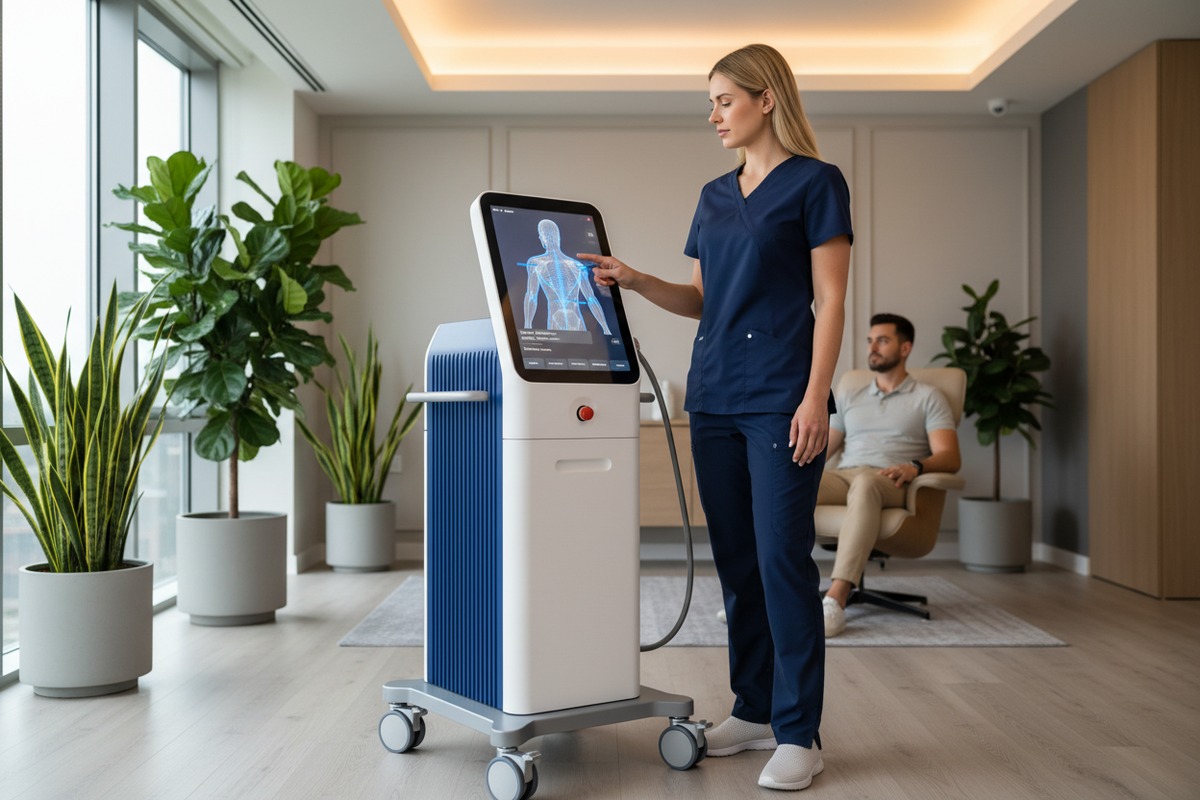
When our team designs shockwave therapy devices, we build in significant safety margins. Components are rated well above maximum advertised specifications. This ensures reliable operation even at the highest energy and frequency settings over thousands of treatment cycles.
The pneumatic compressors, electromagnetic coils, and applicator heads all undergo stress testing. We simulate years of heavy clinical use before approving any design. Customization within these tested parameters presents no additional wear.
What Can Actually Cause Problems?
Reliability issues stem from specific situations that you can easily avoid.
| Risk Factor | Description | Prevention |
|---|---|---|
| Exceeding Max Energy | Operating above rated mJ/mm² or bar | Program hard limits into software |
| Continuous Overuse | Extended sessions without cooling breaks | Follow duty cycle guidelines |
| Poor Maintenance | Neglecting calibration and handpiece checks | Implement regular service schedule |
| Improper Coupling | Using incorrect gels or damaged applicators | Train staff on proper technique |
| Environmental Stress | Extreme temperatures or humidity | Specify operating conditions |
Calibration and Long-Term Performance
Regular calibration ensures your customized settings remain accurate over time. We recommend annual calibration checks for clinical devices. Some high-volume clinics schedule quarterly checks.
Calibration verifies that the energy output matches the displayed settings. Drift can occur with extensive use, though well-manufactured devices maintain accuracy for years. Our quality control team provides calibration documentation for your records.
Warranty Considerations
Most manufacturers, including us, honor warranties for devices operating within specified parameters. Custom settings that stay within design limits are covered. Modifications that exceed limits or involve unauthorized hardware changes may void warranty coverage.
We always recommend documenting your customization requests in writing. This creates a clear record showing that changes were manufacturer-approved and fall within safe operating ranges.
How do I ensure my customized shockwave settings meet the high-end performance standards my clients demand?
Our engineers have found that high-end performance is not just about raw specifications. It combines power, precision, user experience, and clinical outcomes. When we work with premium brands targeting upscale clinics, every detail matters. The challenge is balancing customization with consistency.
Ensure high-end performance by specifying exact parameters based on clinical evidence, requiring manufacturer calibration certificates, implementing staff training programs, and establishing quality control protocols. Partner with manufacturers who follow ISMST guidelines and IEC 63045:2020 standards for reproducible, effective treatment delivery.
Evidence-Based Protocol Development
The best customized settings are grounded in clinical research. ISMST and DIGEST guidelines provide parameter ranges proven effective for specific conditions. Building your protocols on this evidence ensures your brand delivers results.
| Condition | Recommended Energy | Pulses | Sessions | Frequency |
|---|---|---|---|---|
| Calcific Shoulder | 0.2–0.4 mJ/mm² | 1500–2000 | 1–2 | 3–5 Hz |
| Plantar Fasciitis | 0.18–0.32 mJ/mm² | 1500–2000 | 3–5 | 4–8 Hz |
| Tennis Elbow | 1.4–2.5 bar (radial) | 2000 | 3–5 | 8–10 Hz |
| Trigger Points | 1.5–2.5 bar (radial) | 500–1000 | 3–6 | 10–15 Hz |
Quality Control During Manufacturing
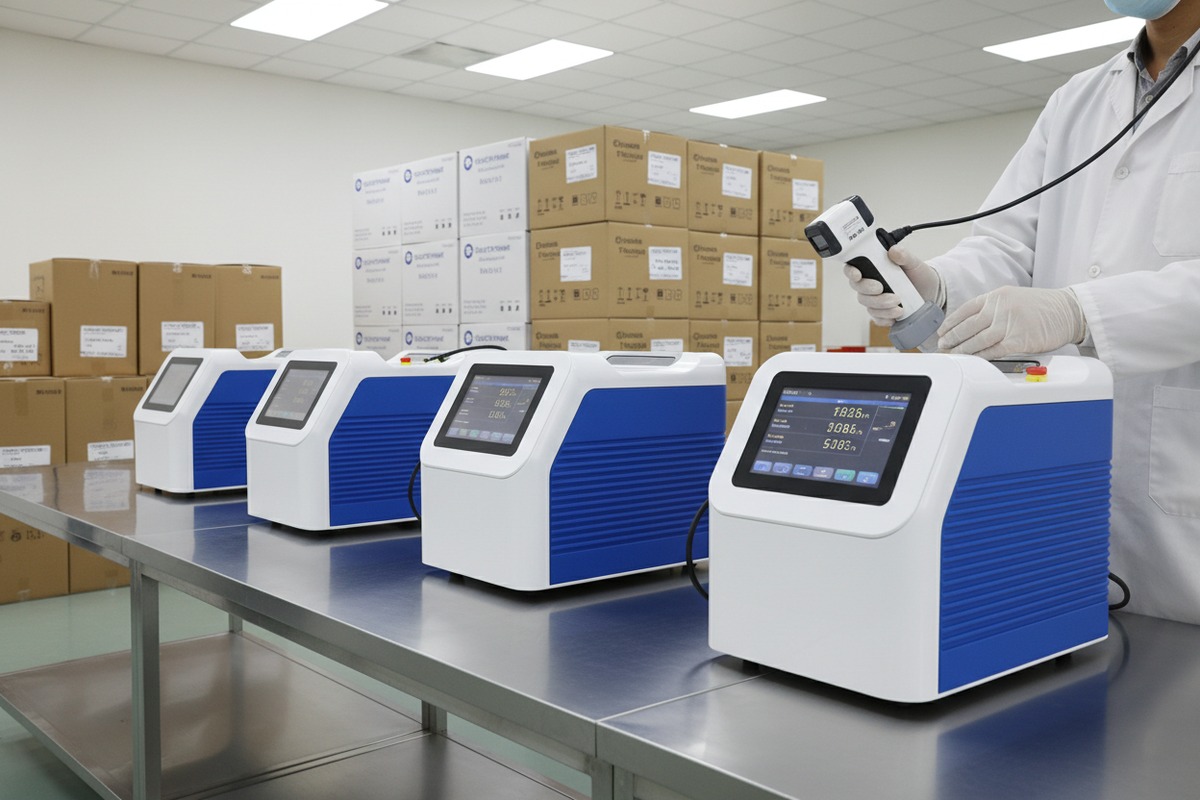
High-end performance starts in the factory. When we manufacture private-label devices, every unit undergoes individual testing. Energy output is measured and documented. Frequency accuracy is verified. Applicator head performance is confirmed.
We provide calibration certificates with each device. These certificates show actual measured values compared to displayed settings. Discrepancies exceeding acceptable tolerances trigger rework before shipment. This documentation proves your devices meet specifications.
Training and Support Materials
The best equipment performs poorly without proper training. We develop custom training materials for your team. Video tutorials show correct applicator positioning. Written protocols explain parameter selection for different conditions. Quick-reference cards help clinicians choose optimal settings.
Some clients request on-site training for their distribution network. Others prefer comprehensive video libraries that their customers can access anytime. Both approaches improve treatment outcomes and customer satisfaction.
Real-Time Feedback Technology
Advanced shockwave devices now include real-time feedback systems. These technologies monitor treatment delivery and alert clinicians to suboptimal conditions. Poor acoustic coupling, excessive tissue heating, or parameter drift trigger warnings.
We can integrate these features into customized devices. The feedback systems help less experienced clinicians achieve results comparable to experts. This consistency strengthens your brand reputation across diverse clinic settings.
Payment Terms for Large Customization Orders
Personal insight from the author: If your annual purchasing volume exceeds $100,000 or $150,000, or if you are a well-known brand in the industry, you can negotiate open account payment terms with suppliers. Net 30–90 days terms are possible. If the supplier does not accept payment 30–90 days after you receive the goods, try negotiating to start the payment term from the bill of lading date (shipping date) instead. This flexibility helps manage cash flow during large customization projects.
Conclusion
Shockwave therapy machine parameters are highly customizable. From software interfaces to energy levels, everything can be tailored to your brand and clinical needs. Work with experienced manufacturers who understand both technical requirements and regulatory standards. The right partner transforms customization from a challenge into a competitive advantage.
Footnotes
1. Discusses various parameters for extracorporeal shockwave therapy. ↩︎
2. Clearly defines OEM and ODM services in the manufacturing industry. ↩︎
3. Provides official recommendations and guidelines from the International Society for Medical Shockwave Treatment. ↩︎
4. Explains the importance of human factors and user interface design in medical devices. ↩︎
5. Defines measurement and declaration requirements for non-focusing shockwave therapy devices. ↩︎
6. Defines energy flux density as a key parameter for shockwave therapy dosage. ↩︎
7. Provides an overview of calcific tendinopathy and its treatment, including shockwave therapy. ↩︎

 English
  Español de México
  Deutsch
  Français
  العربية
  Русский