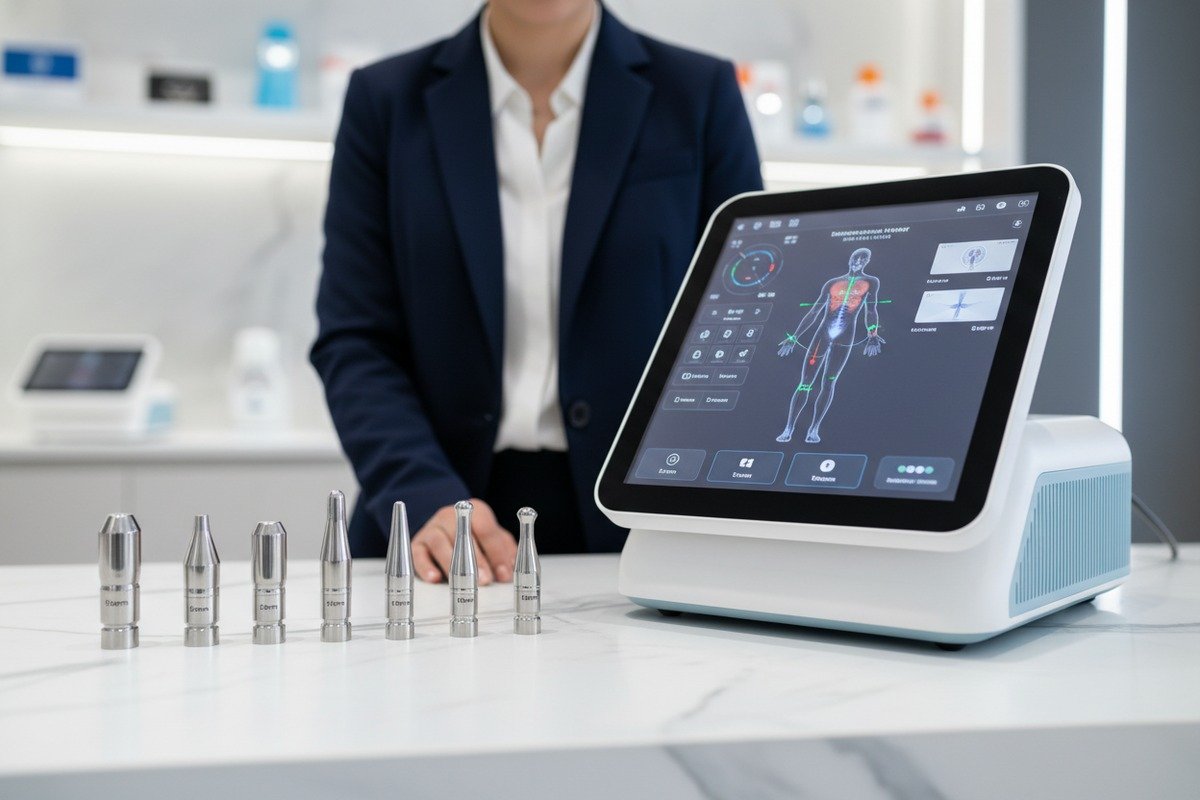
When our engineering team first developed our shockwave therapy 1 line, distributors kept asking the same question. They wanted flexibility. They needed machines that could adapt to different treatment protocols without buying entirely new equipment. This concern drove us to redesign our probe connection systems from the ground up.
Yes, most professional shockwave therapy machines support different probes for wholesale sourcing. Modern devices use standardized connection diameters, typically 12.7mm, allowing interchangeable applicators for varied treatments including pain relief, ED therapy, and muscle rehabilitation. This modularity enables cost-effective wholesale procurement and consistent clinical protocols.
Let me walk you through exactly how probe compatibility works, what quality standards matter, and how to source probes efficiently for your distribution business.
How can I customize the probe configurations for my private label shockwave machines?
Our production line handles dozens of private label requests 2 each month. The most common question from brand owners centers on probe customization. They want their machines to stand out while maintaining treatment effectiveness.
You can customize probe configurations through OEM partnerships that offer modular designs, adjustable tip sizes, branded housings, and specialized applicators for target markets. Work with manufacturers who provide software integration for automatic probe recognition and parameter adjustment, ensuring seamless operation across your product line.

Understanding Probe Architecture
Shockwave therapy probes consist of several key components. The transmitter head delivers energy. The housing protects internal mechanisms. The connection interface links to the main unit. Each element can be customized.
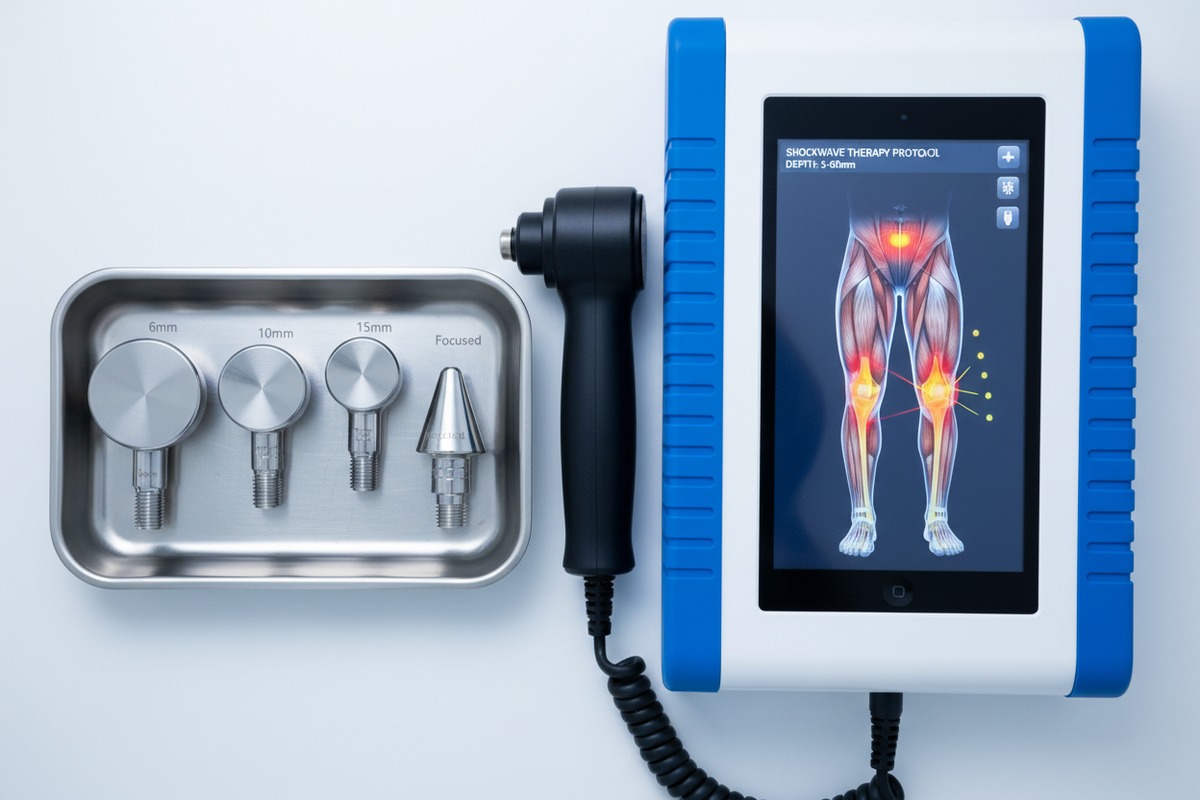
Our engineers have found that probe tip diameter directly affects treatment depth. Smaller tips like 8mm concentrate energy for precise targeting. Larger 15mm tips spread energy across broader muscle groups. Your private label line can include multiple sizes to address different clinical needs.
Customization Options Available
| Customization Area | Options | Impact on Treatment |
|---|---|---|
| Tip Diameter | 6mm, 8mm, 10mm, 15mm, 20mm | Penetration depth and focus area |
| Housing Material | Stainless steel, aluminum alloy, medical-grade plastic | Durability and weight |
| Connection Type | Screw-lock, magnetic, quick-release | User convenience |
| Branding | Laser engraving, color matching, logo placement | Brand identity |
| Cable Length | 1.5m, 2.0m, 2.5m | Operational flexibility |
Software Integration Matters
Modern shockwave machines use software to recognize connected probes automatically. When you plug in a specific applicator, the system adjusts frequency, pressure, and pulse settings. This prevents user error and ensures optimal treatment delivery.
When we calibrate our machines before shipment, we test each probe recognition sequence. Your branded probes can include RFID chips or encoded connectors that trigger preset protocols. This creates a smoother experience for end-users in salons and clinics.
Working with Your Manufacturer
Request detailed technical specifications before committing to customization. Ask about minimum order quantities for custom probes. Typically, 50-100 units represent a reasonable starting point for custom configurations. Larger orders of 200+ units often unlock better pricing tiers.
Consider future compatibility when designing your probe line. Will newer machine versions work with existing probes? Planning ahead saves significant costs and prevents inventory obsolescence.
What quality standards do my interchangeable probes need to meet for high-end salon use?
Quality complaints from downstream customers create serious problems for distributors. When we receive feedback from our US and European partners, probe durability ranks among their top concerns. A failed probe during client treatment damages reputation instantly.
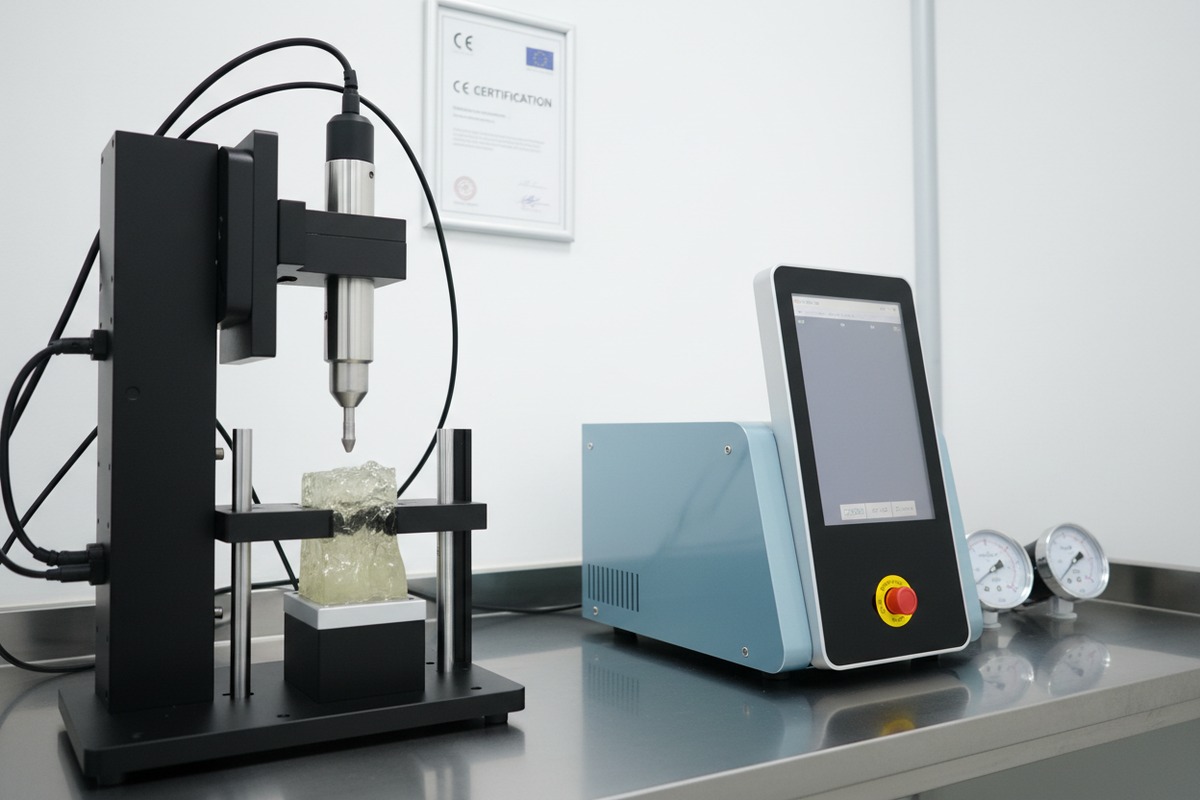
High-end salon probes must meet CE or FDA certification standards, deliver consistent energy output between 150-400kPa, withstand 300,000 to 5 million pulses, and comply with electromagnetic compatibility requirements. Premium materials like medical-grade stainless steel ensure longevity while maintaining precise pressure tolerance within ±10%.
Certification Requirements
Different markets demand different certifications. The US requires FDA clearance 4 for medical devices. Europe mandates CE marking. These certifications verify safety, efficacy, and manufacturing quality.
Our quality control team inspects every probe before packaging. medical-grade stainless steel 5 We check energy output consistency, connection integrity, and housing durability. Certified probes pass rigorous testing that aftermarket alternatives often skip.
Material Quality Standards
| Material Property | Standard Requirement | Testing Method |
|---|---|---|
| Stainless Steel Grade | 316L medical grade | Spectrometer analysis |
| Surface Finish | Ra ≤ 0.8 μm | Profilometer measurement |
| Corrosion Resistance | 48-hour salt spray test | ASTM B117 protocol |
| Impact Durability | 300,000+ cycles | Automated pulse testing |
| Pressure Output | 150-400 kPa ±10% | Calibrated pressure sensors |
Energy Delivery Consistency
Probes must deliver consistent shockwave energy throughout their lifespan. Cheap aftermarket probes often degrade after 50,000 pulses. Premium OEM probes maintain specifications beyond 300,000 impacts.
In our experience exporting to high-end European clinics, energy consistency matters most. A probe that delivers 350 kPa initially but drops to 280 kPa after a few months creates inconsistent treatment outcomes. Clients notice when results vary.
EMC Compliance Importance
Electromagnetic compatibility ensures probes don't interfere with other medical equipment. electromagnetic compatibility requirements 6 Modern clinics contain numerous electronic devices. Poor EMC design can cause interference, reduced efficacy, or safety hazards.
Manufacturer manuals increasingly stress OEM accessories for EMC compliance. Third-party probes may not undergo the same electromagnetic testing. This creates liability risks for salon owners and distributors alike.
Longevity Comparison
Premium systems like the PiezoWave2T guarantee 5 million pulses. Entry-level wholesale machines might offer 300,000 pulses before requiring probe replacement. Calculate your cost-per-treatment to understand true value.
A probe lasting 5 million pulses at $200 costs $0.00004 per pulse. A $50 probe lasting 100,000 pulses costs $0.0005 per pulse. The premium option delivers 12 times better value despite higher upfront cost.
Which probe attachments will provide the most value for my wholesale distribution network?
Distributors often ask us which probe combinations generate the best margins. After years of tracking order patterns, clear winners emerge. Smart inventory selection maximizes your capital efficiency.
The highest-value probe attachments for wholesale distribution include multi-size starter kits covering 8mm, 15mm, and 20mm tips, specialized ED therapy applicators, and deep tissue penetration heads. Bundle configurations offering 3-5 probe varieties with each machine increase average order value by 30-40% while meeting diverse clinical demands.
Market Demand Analysis
Different regions show different preferences. US buyers favor ED therapy probes due to growing men's health clinics. European customers prioritize physiotherapy applications for sports medicine. Asian markets show strong interest in aesthetic treatments like cellulite reduction.
When we package machines for different markets, probe selection varies accordingly. Understanding your customer base guides smart inventory decisions.
Probe Type Profitability Comparison
| Probe Type | Typical Cost | Retail Markup | Market Demand | Replacement Frequency |
|---|---|---|---|---|
| Standard 8mm | $45-65 | 60-80% | High | Every 6-12 months |
| Large 15mm | $55-75 | 50-70% | Medium | Every 12-18 months |
| ED Therapy | $85-120 | 80-100% | Growing | Every 8-14 months |
| Deep Tissue | $70-95 | 60-75% | Medium | Every 10-16 months |
| Cellulite | $60-80 | 70-90% | Regional | Every 12-18 months |
Bundle Strategy Recommendations
Creating probe bundles increases average order value significantly. A basic machine priced at $1,500 becomes a $2,200 package with three specialized probes. Customers perceive better value while you capture higher margins.
Our most successful distributors offer tiered packages. Basic includes the machine plus one standard probe. Professional adds three probes and a carrying case. Premium includes five probes, training materials, and extended warranty.
Aftermarket Considerations
Wholesale platforms like AliExpress offer probes at $9-37 compared to OEM kits at $695+. The price difference tempts many buyers. However, aftermarket probes carry significant risks.
Compatibility issues cause treatment failures. Unverified energy output creates safety concerns. Warranty voidance leaves customers unprotected. For high-end salon distribution, OEM probes deliver better long-term value despite higher costs.
Inventory Optimization Tips
Track your sales data carefully. Identify which probe sizes sell fastest in each region. Maintain 60-day inventory for fast movers and 90-day inventory for slower items. Avoid overstocking specialized probes with limited demand.
Consider requesting tiered pricing from your supplier. Orders of 1-50 units might price at $65 per probe. Orders of 51-200 units drop to $55. Orders above 200 units could reach $45 each. These volume discounts dramatically improve margins.
Can I source individual replacement probes to keep my inventory levels consistent?
Replacement probe availability directly impacts customer satisfaction. When a salon's probe fails, they need quick replacement to avoid revenue loss. Our production schedules account for this urgent demand pattern.
Yes, you can source individual replacement probes through established OEM partnerships, authorized distributors, and verified wholesale platforms. Maintain consistent inventory by establishing quarterly reorder schedules, tracking probe lifecycle data, and building relationships with suppliers offering rapid fulfillment on standard sizes and configurations.

Sourcing Channel Comparison
Multiple channels exist for replacement probe sourcing. Each carries different advantages and risks. Selecting the right mix optimizes cost, quality, and availability.
| Sourcing Channel | Advantages | Disadvantages | Best For |
|---|---|---|---|
| Direct OEM | Guaranteed quality, warranty support | Higher cost, longer lead times | High-end distribution |
| Authorized Distributor | Quality assurance, regional stock | Moderate markup | Mid-market operations |
| Wholesale Platforms | Low cost, quick shipping | Variable quality, no warranty | Budget-conscious buyers |
| Factory Direct | Best pricing, customization options | MOQ requirements, longer shipping | Volume purchasers |
Maintaining Inventory Consistency
Consistent inventory requires systematic planning. Track probe sales monthly. Calculate your average monthly demand. Maintain safety stock 8 covering 4-6 weeks of typical sales.
Establish reorder points that trigger automatic purchasing. When inventory drops below 20 units, place orders immediately. This prevents stockouts that frustrate customers and lose sales.
Quality Verification for Replacements
When sourcing replacement probes, verify quality before large orders. Request samples first. Test energy output, connection fit, and durability. Check certifications match your market requirements.
Our quality team provides test reports with every shipment. These documents verify pressure output, pulse counts, and material specifications. Require similar documentation from any supplier you consider.
Lead Time Management
International shipping adds complexity to inventory planning. Standard ocean freight from China takes 30-45 days. Air freight reduces this to 7-10 days but increases cost significantly.
Plan orders 60-90 days ahead for sea shipment. Use air freight only for emergency restocking. This balance minimizes shipping costs while maintaining adequate inventory.
Building Supplier Relationships
Strong supplier relationships improve replacement probe availability. Regular orders demonstrate reliability. Consistent payment builds trust. Open communication prevents misunderstandings.
Request dedicated inventory allocation from key suppliers. Ask about expedited production for urgent needs. Suppliers prioritize partners who treat them well during normal times.
Sustainability Considerations
Eco-friendly disposal options gain importance for large-volume purchasers. Some manufacturers offer probe recycling programs. Stainless steel components can be reclaimed and repurposed.
Document your sustainability practices. Many salon chains now require environmental compliance from suppliers. Offering recycling options differentiates your distribution business.
Conclusion
Shockwave therapy machines with interchangeable probe support create significant advantages for wholesale distribution. Focus on quality standards, smart inventory management, and strong supplier partnerships. Your success depends on matching the right probes to your market's specific clinical needs.
Footnotes
1. Provides a general overview and definition of shockwave therapy. ↩︎
2. Explains private label manufacturing for medical devices. ↩︎
3. Defines medical device integration software and its importance. ↩︎
4. Clarifies the meaning and process of FDA clearance for medical devices. ↩︎
5. A comprehensive and accessible Wikipedia article defining and explaining surgical stainless steel, including common types used in biomedical applications. ↩︎
6. Details the importance and standards of EMC testing for medical devices. ↩︎
7. An authoritative government source (Danish Medicines Agency) providing information on CE marking requirements for medical devices in the EU. ↩︎
8. A comprehensive and accessible Wikipedia article defining and explaining safety stock in inventory management. ↩︎

 English
  Español de México
  Deutsch
  Français
  العربية
  Русский