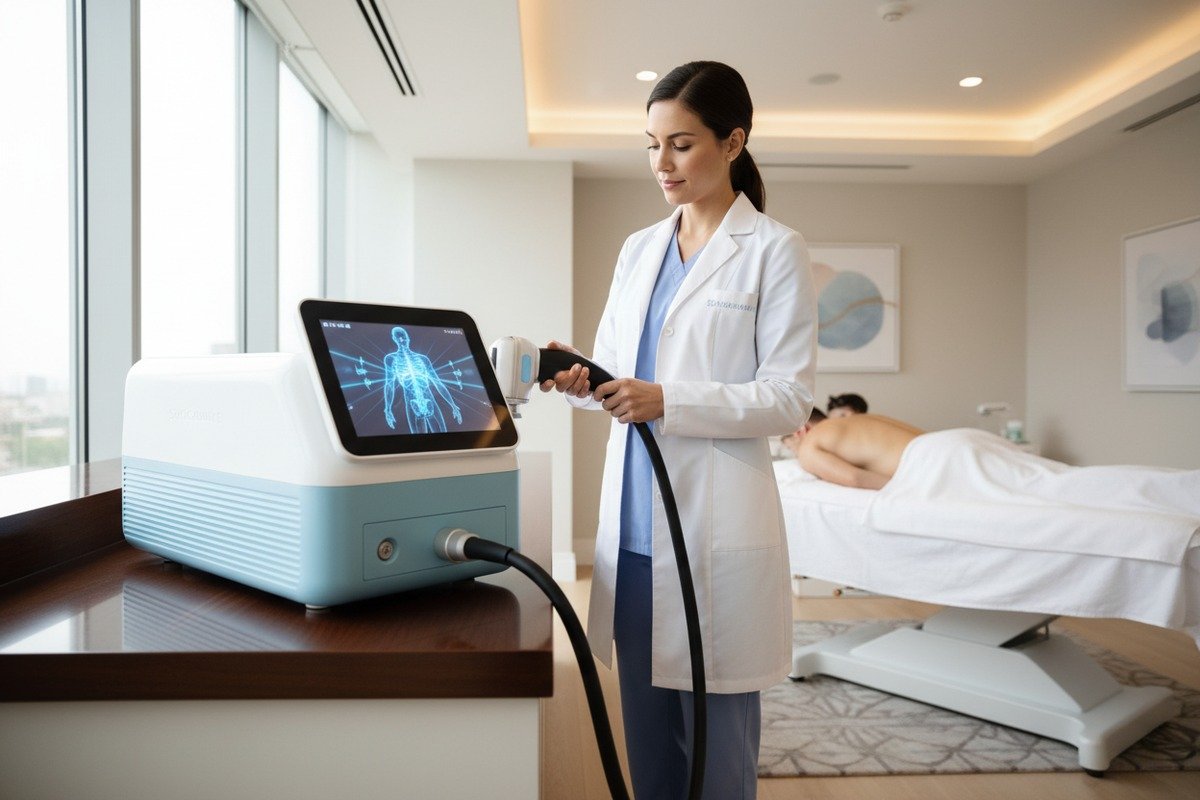
When our engineering team first started receiving feedback from distributors about handpiece failures, one pattern stood out clearly electromagnetic handpieces 1. Clinics running back-to-back sessions were burning through replacement parts twice as fast as expected. The culprit? Heat buildup that nobody saw coming until equipment started failing mid-treatment.
Shockwave therapy machine handpieces can overheat during extended or high-intensity treatments, primarily due to friction in projectile chambers, continuous use beyond duty cycles, and inadequate cooling systems. However, premium models with integrated cooling fans, thermal sensors, and auto-shutdown features effectively prevent overheating and extend handpiece lifespan to over 2 million shots.
Understanding why handpieces overheat matters for your bottom line. Let me walk you through what we have learned from years of manufacturing these devices and working with distributors across North America and Europe.
How can I ensure the shockwave handpieces I source won't overheat during back-to-back salon sessions?
Our production floor has tested hundreds of handpiece configurations over the years. The difference between units that last and those that fail often comes down to small details buyers miss during supplier evaluation. Many distributors learn this lesson the hard way after warranty claims pile up.
To ensure handpieces won't overheat during back-to-back sessions, request devices with active cooling systems (fans and heat sinks), temperature sensors with auto-shutdown capability, and documented duty cycles exceeding 6,000 shocks per treatment. Always run high-frequency demo sessions before purchasing to verify thermal performance under real clinical workloads.

What Causes Handpiece Overheating?
Heat generation in shockwave handpieces 2 comes from multiple sources. The primary cause is friction inside the projectile chamber. Every time the pneumatic system 3 fires, the bullet accelerates and impacts the applicator. This creates mechanical friction that converts kinetic energy 4 into heat.
In electromagnetic handpieces, coil insulation breakdown adds another heat source. When coils fire repeatedly, electrical resistance generates thermal energy. Poor insulation allows heat to transfer into surrounding components.
| Heat Source | Cause | Impact on Performance |
|---|---|---|
| Projectile friction | Metal-on-metal contact during firing | O-ring degradation, barrel wear |
| Coil resistance | Electrical current through copper windings | Insulation breakdown, power loss |
| Blocked vents | Dust and debris accumulation | Reduced airflow, trapped heat |
| Worn O-rings | Rubber hardening from heat exposure | Increased friction, gas leaks |
| High pressure settings | Greater energy transfer per shot | Accelerated component wear |
Testing Protocols Before Purchase
When our team conducts quality control 5, we run handpieces at maximum settings for extended periods. You should demand the same from suppliers. Ask them to demonstrate continuous operation at high frequency (15-20 Hz) for at least 30 minutes.
During this test, check for these warning signs:
- Handpiece surface temperature exceeding 45°C
- Unusual vibrations or rattling sounds
- Decreased impact intensity over time
- Automatic shutdowns triggered by thermal protection
Red Flags to Watch For
Budget manufacturers often skip cooling features to reduce costs. If a supplier cannot show you visible cooling vents, internal fans, or temperature monitoring software, walk away. These aren't optional extras. They are essential for clinical durability.
We have seen competitors ship handpieces with plastic housings that trap heat rather than dissipate it. Metal heat sinks 6 and thermal sleeves cost more to manufacture but pay for themselves in reduced warranty claims.
What specific cooling features should I demand from my OEM supplier to prevent handpiece failure?
In our experience exporting to clinics across the US and Canada, cooling system quality determines whether distributors see repeat orders or refund requests. The difference between a handpiece lasting 500,000 shots versus 2 million shots often comes down to three or four specific features.
Demand these cooling features from your OEM supplier: active fan systems with minimum 5,000 RPM motors, aluminum heat sinks integrated into handpiece housings, real-time temperature sensors with LCD display, automatic shutdown at 50°C threshold, and documented cooling intervals in user manuals. Premium suppliers should offer ISO 13485 certification covering thermal management.
Active vs. Passive Cooling Systems
Passive cooling relies on natural heat dissipation through metal housings and ventilation slots. This works for low-volume clinics treating 5-10 patients daily. It fails completely in busy salons running 30+ sessions per day.
Active cooling 7 uses powered components to remove heat. Our engineers design handpieces with small fans that pull cool air across internal components. Heat sinks made from aluminum or copper conduct thermal energy away from friction points.
| Cooling Type | Components | Best For | Limitations |
|---|---|---|---|
| Passive | Metal housing, vent slots | Low-volume clinics (under 10 sessions/day) | Cannot handle back-to-back treatments |
| Active (Basic) | Single fan, basic heat sink | Medium-volume (10-20 sessions/day) | May need 5-minute breaks hourly |
| Active (Premium) | Dual fans, copper heat sink, thermal sleeves | High-volume salons (30+ sessions/day) | Higher initial cost |
| Hybrid | Liquid-cooled channels plus fans | Continuous clinical use | Complex maintenance requirements |
Temperature Monitoring Requirements
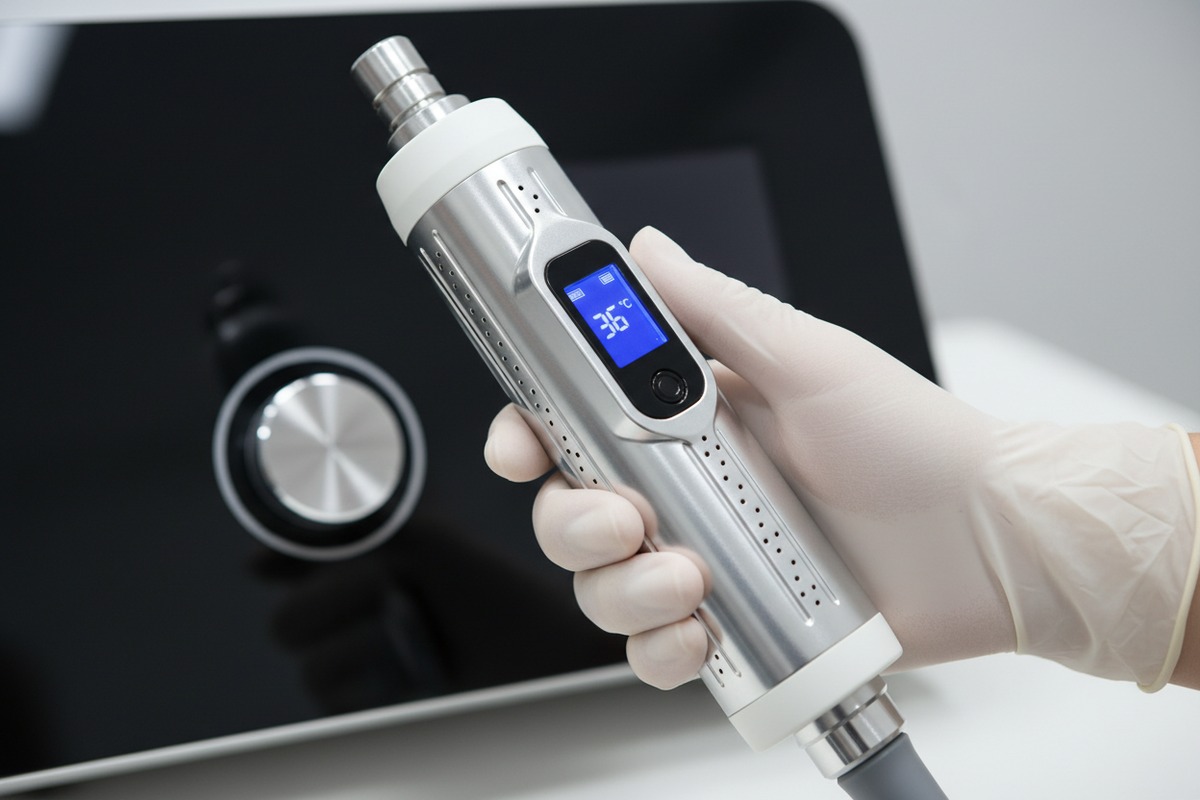
Modern shockwave devices should display real-time handpiece temperature on the main screen. This allows operators to monitor heat buildup and pause treatment before reaching critical levels.
When we calibrate our control systems, we set automatic shutdown thresholds at 50°C. This temperature protects internal O-rings from accelerated degradation. Some budget manufacturers set thresholds at 60°C or higher, which saves on shutdown complaints but shortens component life.
Critical Specifications to Request
Ask your OEM supplier for documentation on these points:
- Fan motor specifications (RPM, airflow in CFM)
- Heat sink material and surface area
- Temperature sensor accuracy (should be ±1°C)
- Shutdown threshold temperature
- Recovery time after thermal shutdown
- Shot counter integration with maintenance alerts
The Shot Counter Connection
Shot counters do more than track usage. Our software links shot counts to maintenance schedules and thermal warnings. After 1 million shots, the system alerts operators to inspect O-rings. After 1.5 million shots, it recommends projectile replacement.
This proactive approach prevents the scenario where worn components create additional friction, which generates more heat, which wears components faster. Breaking this cycle requires tracking and intervention.
How does handpiece overheating affect the long-term lifespan of the beauty machines I distribute?
Our quality control team tracks warranty claims across thousands of units. The data tells a clear story. Distributors who source machines with inadequate cooling submit three times more replacement requests within the first year. Heat damage creates cascading failures that transform minor issues into total handpiece replacements.
Handpiece overheating dramatically reduces beauty machine lifespan by degrading O-rings at 500,000 shots instead of 2 million, causing barrel wear that requires full replacement at 1 million shots, and creating electrical failures in electromagnetic coils. Poor thermal management doubles replacement frequency and can double your total cost of ownership within two years.

The Heat Damage Cascade
Heat affects different components in sequence. O-rings fail first because rubber compounds harden and crack when exposed to temperatures above 45°C repeatedly. Once O-rings degrade, pneumatic pressure becomes inconsistent. The projectile receives less acceleration on some shots.
Inconsistent projectile speed causes uneven impacts on the barrel interior. This creates wear patterns that accelerate friction. More friction means more heat. The cycle continues until the barrel requires replacement or the handpiece jams completely.
Component Lifespan Comparison
| Component | Lifespan (Good Cooling) | Lifespan (Poor Cooling) | Replacement Cost Impact |
|---|---|---|---|
| O-rings | 2 million shots | 500,000 shots | 4x more replacements |
| Projectile | 1.5 million shots | 800,000 shots | Nearly 2x more replacements |
| Barrel assembly | 2 million shots | 1 million shots | 2x more replacements |
| Coil insulation | 3+ million shots | 1.5 million shots | Major repair vs. minor |
| Complete handpiece | 3-4 years | 12-18 months | Full unit replacement |
Real Cost Calculations
Consider a busy salon performing 30,000 shocks daily. With proper cooling, they replace O-rings every 66 days (2 million shots ÷ 30,000 daily). With poor cooling, replacements happen every 16 days. Over one year, that difference means 6 replacements versus 23 replacements.
Multiply this across projectiles, barrels, and eventual full handpiece swaps. Our distributors report that poorly-cooled machines cost 40-60% more to maintain over three years than premium units with robust thermal management.
Warning Signs of Heat Damage
Train your downstream customers to recognize these indicators:
- Gradual decrease in shock intensity at same power settings
- Longer recovery time needed between treatment sessions
- Unusual sounds like clicking or grinding
- Visible discoloration on metal components
- Rubber smell during operation
- Frequent automatic thermal shutdowns
When operators report these symptoms early, simple maintenance prevents expensive repairs. When they ignore warnings, you receive angry calls about dead equipment.
Warranty Implications
Heat-related failures often fall outside warranty coverage. Manufacturers document duty cycles and cooling intervals in user manuals. When forensic examination reveals operation beyond specified limits, warranty claims get denied.
Our warranty terms specifically cover thermal management failures when operators follow documented protocols. We track shot counts and operating temperatures through connected software. This protects both parties by establishing clear usage records.
Can I customize the internal cooling system of my private-label shockwave machines to meet high-end performance standards?
When we work with private-label partners, cooling customization comes up in almost every project. Brand owners want machines that can handle demanding clinical environments without the downtime that frustrates their salon customers. The good news is that modern manufacturing allows significant thermal upgrades.
Yes, you can customize internal cooling systems for private-label shockwave machines. Options include upgrading to dual-fan configurations, adding copper heat sinks, integrating liquid-cooled thermal sleeves, implementing AI-powered predictive temperature management, and customizing auto-shutdown thresholds. Work with OEM suppliers offering ISO 13485 certification and documented engineering capabilities for thermal modifications.

Available Customization Options
Our engineering team offers several cooling upgrades for private-label projects. Each option addresses different performance requirements and budget constraints.
Standard upgrades include larger fans with higher airflow ratings. We can increase fan size from 40mm to 60mm diameter, nearly doubling air movement through the handpiece. This simple change extends duty cycles significantly.
Advanced options involve redesigning heat sink geometry. Our engineers use thermal simulation software to optimize fin spacing and surface area. Custom aluminum extrusions cost more than off-the-shelf heat sinks but deliver measurably better performance.
Customization Options and Requirements
| Upgrade Level | Components Changed | Engineering Time | MOQ Impact | Performance Gain |
|---|---|---|---|---|
| Basic | Larger fan, improved vents | 2-3 weeks | No change | 20-30% longer duty cycles |
| Intermediate | Custom heat sink, dual fans | 4-6 weeks | +15% MOQ | 40-50% longer duty cycles |
| Advanced | Thermal sleeves, copper sinks | 8-12 weeks | +25% MOQ | Near-continuous operation |
| Premium | Liquid cooling, AI prediction | 16-20 weeks | Project-based | Unlimited clinical use |
Working With Your OEM Partner
Successful cooling customization requires clear communication. Provide your supplier with detailed usage scenarios. How many treatments per day? What pressure and frequency settings? What ambient temperatures in treatment rooms?
Our sales team uses this information to recommend appropriate cooling configurations. We have seen buyers over-specify cooling for low-volume applications, wasting money on features they do not need. We have also seen under-specification lead to field failures.
Emerging Technologies
The 2020s brought significant advances in handpiece thermal management. Newer designs integrate temperature prediction algorithms that learn usage patterns. These systems can warn operators before reaching thermal limits, allowing brief pauses that prevent shutdowns.
Some combo devices now combine ESWT with EMS therapy. These units include overheat auto-protection that switches between modalities when one handpiece needs cooling. Self-suction features allow hands-free operation during mandatory rest intervals.
Certification Requirements
Any cooling system modification must maintain compliance with medical device regulations 8. Our ISO 13485 certified quality system 9 documents all engineering changes. We perform thermal testing on modified designs and provide certification documentation for your regulatory filings.
Budget suppliers may offer cooling upgrades without proper engineering validation. This creates liability risks when modified handpieces fail in clinical use. Always verify that your OEM partner can provide testing data and updated technical files.
Return on Investment
Premium cooling systems add 15-25% to unit costs. However, the math favors investment when you calculate total ownership costs. Fewer warranty claims, longer component life, and happier downstream customers all contribute to profitability.
One of our US distributors switched from budget suppliers to our premium-cooled units. Their warranty claim rate dropped from 18% to under 3% within one year. Customer retention improved because salons stopped experiencing frustrating mid-treatment shutdowns.
Conclusion
Handpiece overheating is preventable with proper cooling systems, maintenance protocols, and supplier selection. Choose OEM partners who prioritize thermal management, demand documented cooling specifications, and invest in premium features that protect your distribution business from costly warranty claims and unhappy customers.
Footnotes
1. Describes the physical principles and generation of electromagnetic shockwaves. ↩︎
2. Explains the physical principles and generation technologies of shockwave devices. ↩︎
3. This URL provides a clear explanation of how pneumatic shockwave therapy works, including the compressed air mechanism, which is relevant to pneumatic systems in medical applications. ↩︎
4. Provides a fundamental definition and explanation of kinetic energy in physics. ↩︎
5. Explains the role and importance of quality control in medical device manufacturing. ↩︎
6. Focuses on the application and importance of heat sinks in the medical industry. ↩︎
7. This page discusses active thermal management and cooling solutions specifically for medical equipment, aligning with the ‘Active cooling’ anchor. ↩︎
8. Provides an official overview of medical device regulations from the FDA. ↩︎
9. SGS is an authoritative certification body, and this page clearly explains ISO 13485 certification for medical device quality management systems. ↩︎

 English
  Español de México
  Deutsch
  Français
  العربية
  Русский