

When our production team finalizes a pressotherapy machine order, one of the first questions buyers ask revolves around what exactly is covered in that quoted price EXW Incoterms 1. A misunderstanding here can lead to budget overruns, delayed shipments, or damaged goods arriving at your warehouse. This confusion is common—and it costs importers thousands of dollars every year.
No, the standard ex-factory price for a pressotherapy machine typically does not include export-grade packaging fees. Under EXW Incoterms, sellers provide basic factory packaging only. Reinforced crates, custom branding, or durable export packaging are additional costs that buyers must negotiate separately before placing an order.
Understanding what is—and what is not—included in your ex-factory quote is essential for accurate landed cost calculations 2. Let us break down each packaging scenario so you can negotiate better deals and protect your bottom line.
Will my pressotherapy machine ex-factory quote include the cost of reinforced export-grade crates?
When we ship pressotherapy equipment from our Guangzhou facility, buyers often assume that sturdy wooden crates are automatically part of the deal Certificate of origin 3. This assumption can lead to unpleasant surprises when goods arrive damaged or when unexpected invoices appear for packaging upgrades.
No, reinforced export-grade crates are not included in a standard EXW pressotherapy machine quote. Under Ex Works terms, sellers only provide basic factory packaging suitable for domestic handling. If you need wooden crates, foam inserts, or other protective materials, you must specify and negotiate these separately in your purchase contract.

Understanding EXW Packaging Responsibilities
The Ex Works Incoterm places minimal responsibility on the seller. According to international trade guidelines, the seller's responsibility ends when they make goods available at their premises. Basic packaging—typically standard cartons or shrink wrap—is included, but nothing beyond that.
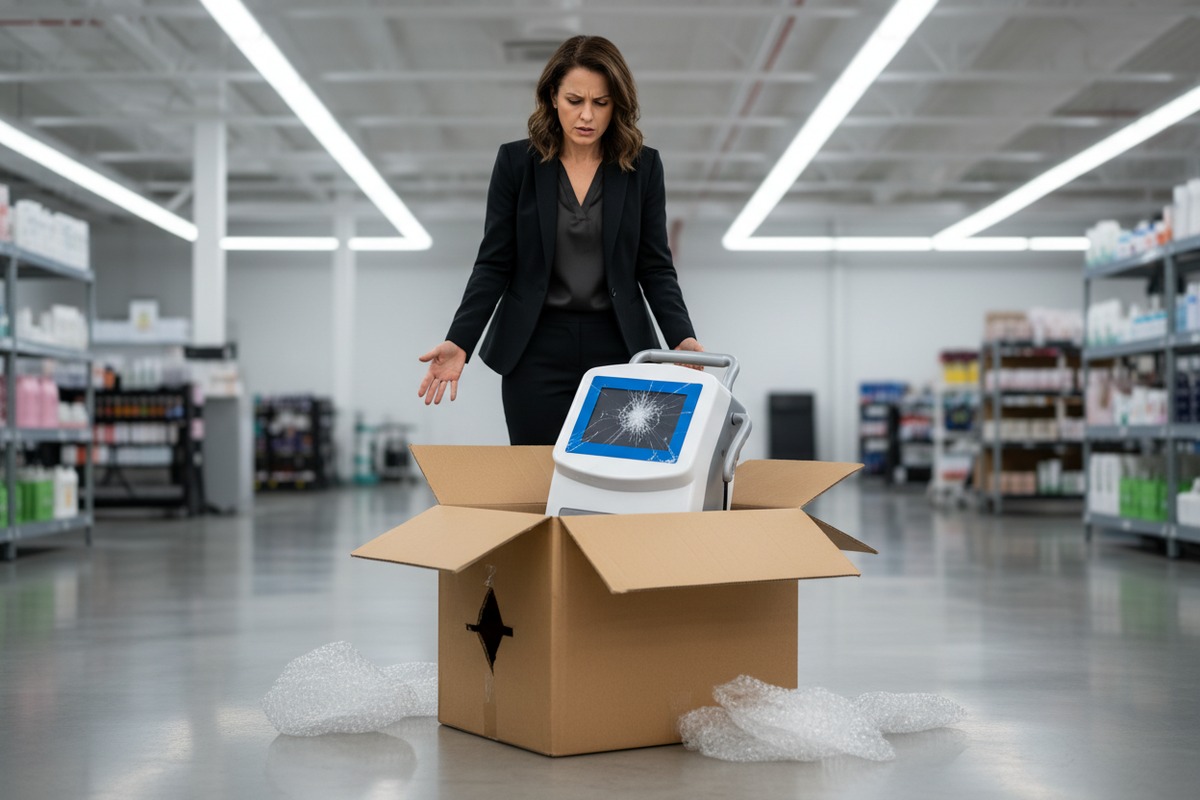
For delicate equipment like pressotherapy machines with LCD screens, air tubes, and compression suits, basic packaging often falls short. Our engineers have seen units arrive with cracked control panels simply because buyers did not request proper transit protection.
What Qualifies as Export-Grade Packaging?
Export-grade packaging involves additional protective measures designed for long international journeys. Here is a comparison:
| Packaging Type | Typical Components | Usually Included in EXW? |
|---|---|---|
| Basic Factory Packaging | Standard carton, bubble wrap | Yes |
| Export-Ready Packaging | Reinforced carton, foam corners | Sometimes (must confirm) |
| Export-Grade Crates | Wooden crate, custom foam inserts, moisture barriers | No |
| Premium Protection | Fumigated wood, shock indicators, humidity control | No |
The Real Cost of Inadequate Packaging
Skipping on proper packaging seems like a cost-saving measure. However, the math tells a different story.
A damaged pressotherapy unit costs you the full replacement value, plus return shipping fees, plus the delay penalty of missing sales. One client we worked with saved $80 on packaging upgrades only to lose $2,400 on a cracked control unit that arrived unusable. This is why we always recommend discussing packaging specifications upfront.
How to Request Proper Packaging
When negotiating your order, include a specific packaging clause in your purchase agreement. Ask for:
- Material specifications (plywood thickness, foam density)
- Internal cushioning requirements
- Moisture and shock protection features
- Written confirmation that packaging meets ISPM-15 standards 4 for wooden packaging
Getting this in writing prevents disputes later and ensures your pressotherapy machines arrive ready for immediate deployment.
How much extra will I pay for custom-branded packaging on my private-label pressotherapy order?
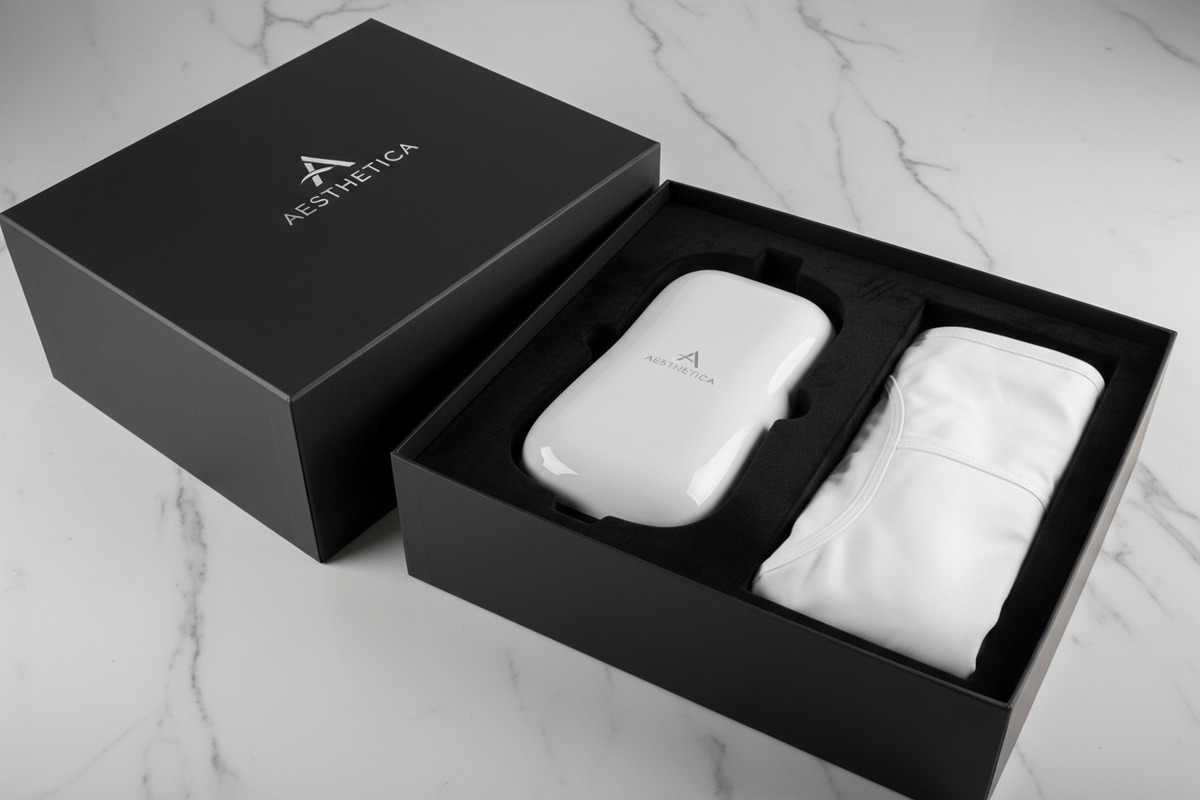
Private-label buyers 5 who distribute pressotherapy machines under their own brand often want packaging that reflects their brand identity. When we work with distributors across the US and Europe, custom packaging is one of the most requested add-on services. But the cost varies widely depending on your requirements.
Custom-branded packaging for private-label pressotherapy orders typically costs between $15 and $150 per unit, depending on complexity. Basic logo printing on boxes starts around $15-25 per unit, while premium rigid boxes with embossing, custom foam inserts, and full-color printing can exceed $100 per unit at lower order quantities.
Breaking Down Custom Packaging Costs
Custom packaging involves multiple cost components. Understanding each element helps you make informed decisions about what features are worth investing in.
| Packaging Element | Cost Range (Per Unit) | Notes |
|---|---|---|
| Logo printing (1-2 colors) | $3 – $8 | Added to existing box |
| Custom printed carton | $8 – $25 | Full box redesign |
| Rigid gift-style box | $15 – $60 | Premium unboxing experience |
| Custom foam inserts | $5 – $20 | CNC-cut to product shape |
| Instruction manuals (branded) | $2 – $8 | Full-color booklets |
| Design setup fee | $50 – $300 (one-time) | Artwork preparation |
Order Quantity Impact on Pricing
One thing our sales team always emphasizes: custom packaging unit costs drop dramatically with volume. A rigid box that costs $45 per unit at 100 pieces might cost only $18 per unit at 1,000 pieces.
For private-label pressotherapy machine orders, we typically see the following price breaks:
| Order Quantity | Custom Box Unit Cost | Total Packaging Cost |
|---|---|---|
| 50 – 100 units | $35 – $50 | $1,750 – $5,000 |
| 101 – 500 units | $20 – $35 | $2,020 – $17,500 |
| 501 – 1,000 units | $12 – $20 | $6,012 – $20,000 |
| 1,000+ units | $8 – $15 | $8,000+ |
Hidden Costs to Watch For
Custom packaging quotes sometimes exclude important elements. Before signing off, confirm whether these items are included:
- Artwork design and revision fees
- Printing plate or mold setup charges
- Color matching samples
- Minimum order requirements
- Storage fees if packaging arrives before machines are ready
Our experience shows that buyers who skip the sample approval step often face costly reprints when colors or dimensions do not match expectations.
Balancing Brand Impact vs. Budget
Not every element of custom packaging delivers equal return on investment. Focus your budget on elements your end customers will actually see and appreciate.
For pressotherapy machines sold to spas and clinics, a clean professional presentation matters more than elaborate finishes. A well-designed corrugated box with your logo and proper instruction documentation often outperforms expensive rigid packaging that gets discarded immediately.
Can I negotiate for high-end durable packaging to be included in my initial pressotherapy machine price?
Negotiation is part of international B2B trade. When our team quotes pressotherapy machines to overseas distributors, we expect discussions about pricing, terms, and yes—packaging. The question is not whether you can negotiate packaging into your unit price, but how to do it effectively.
Yes, you can negotiate to include high-end durable packaging in your initial pressotherapy machine price. Suppliers often have flexibility to bundle packaging costs into the unit price, especially for larger orders. Present specific packaging requirements upfront, request a combined quote, and be prepared to commit to higher minimum order quantities for the best deal.
Why Suppliers Are Open to Packaging Negotiation
From a manufacturing standpoint, packaging is a variable cost 6 that can be adjusted. When we calculate quotes for pressotherapy systems, packaging accounts for roughly 3-8% of the total unit cost depending on specifications. This gives room for negotiation.
Suppliers benefit from consolidated orders where all costs are agreed upon upfront. It simplifies production planning 7 and billing. Many manufacturers—including our team—prefer bundled pricing because it reduces administrative complexity.
Effective Negotiation Strategies
Getting packaging included in your unit price requires a strategic approach. Here is what works:
Start with clear specifications. Do not ask for "good packaging." Specify exactly what you need: 10mm plywood crate, 40kg/m³ density foam, ISPM-15 certification. Vague requests lead to vague quotes.
Bundle for leverage. If you are ordering 200 pressotherapy units, that represents significant business value. Use this leverage to negotiate packaging inclusion. A supplier who might refuse for a 20-unit order will often agree for larger commitments.
Compare total costs. Ask for two quotes: one EXW with basic packaging and one with your specified export packaging included. The difference reveals the true packaging cost and gives you a negotiation baseline.
Offer something in return. Consider faster payment terms, multi-year commitments, or exclusivity in your region. Suppliers are more flexible when they receive value in return.
When to Push and When to Accept Extra Charges
Not every packaging negotiation will result in full inclusion. Here is a realistic framework:
| Packaging Type | Negotiation Success Rate | Best Approach |
|---|---|---|
| Reinforced cartons | High (80%+) | Often absorbed at minimal cost |
| Wooden crates | Medium (50-60%) | Include for large orders |
| Custom branding | Low-Medium (30-50%) | Negotiate design fee waiver instead |
| Premium rigid boxes | Low (20-30%) | Usually better to pay separately |
Documenting the Agreement
Whatever you negotiate, get it in writing. Your purchase order or contract should specify:
- Exact packaging materials and dimensions
- Protection standards (drop test ratings, moisture barriers)
- Labeling requirements (handling symbols, language)
- What happens if packaging specifications are not met
A clear written agreement protects both parties and prevents disputes when goods arrive at your warehouse.
When our team helps buyers calculate their true import costs, packaging-related fees are among the most overlooked expenses. Many first-time importers focus only on the factory price and freight quote, missing numerous additional charges that accumulate along the supply chain 8.
Hidden packaging fees when importing pressotherapy machines from China include dimensional weight surcharges, palletization costs, strapping and wrapping fees, fumigation charges for wooden packaging, and compliance labeling costs. These fees can add 5-15% to your landed cost if not anticipated. Always request itemized quotes that break down every packaging-related charge.

Common Hidden Packaging Fees
These charges frequently surprise importers because they appear on invoices from freight forwarders or logistics providers, not the manufacturer:
| Fee Type | Typical Cost | When It Applies |
|---|---|---|
| Dimensional weight charges | $20-200+ | When package volume exceeds actual weight |
| Palletization | $15-40 per pallet | Required for FCL or organized LCL shipments |
| Heat treatment/fumigation | $30-80 per shipment | Required for wood packaging entering US/EU |
| Strapping and wrapping | $5-20 per unit | Added protection during container loading |
| Compliance labeling | $2-10 per unit | Country-of-origin, safety marks |
| Repacking charges | $10-50 per carton | If original packaging fails inspection |
Dimensional Weight: The Silent Cost Killer
Dimensional weight pricing is particularly impactful for pressotherapy machines. These units are relatively lightweight compared to their volume—the compression suits, air tubes, and control unit create bulky packages.
Carriers calculate shipping cost based on either actual weight or dimensional weight, whichever is higher. The formula typically divides the package volume (length × width × height in cm) by 5,000 or 6,000.
For a pressotherapy system packaged in a 60×40×50cm box weighing 15kg, the dimensional weight calculation is:
(60 × 40 × 50) ÷ 5,000 = 24kg dimensional weight
The carrier charges for 24kg, not the actual 15kg. This 60% increase in chargeable weight catches many buyers off guard.
Documentation and Compliance Costs
International shipping requires specific documentation and compliance measures that often carry hidden fees:
- Commercial invoice preparation – $10-30 if supplier handles
- Packing list generation – Usually included, but verify
- Certificate of origin – $15-50 depending on destination requirements
- ISPM-15 certification stamps – Built into fumigation cost
- Amazon FBA labeling – $0.50-2.00 per unit if required
How to Uncover Hidden Fees Before They Hit
Request comprehensive quotes that itemize every charge. When we send quotations to buyers, we include a full breakdown of:
- Unit price (with packaging specification)
- Packaging material costs
- Palletization charges
- Documentation fees
- Any compliance-related costs
Ask your supplier and freight forwarder specifically: "What packaging-related charges are NOT included in this quote?" This direct question often reveals fees that would otherwise appear later.
Building an Accurate Landed Cost Model
Create a spreadsheet that accounts for all potential packaging costs. Add a contingency line of 5-10% for unexpected charges. Over time, you will refine this model based on actual invoices.
The buyers who succeed in international trade are those who understand their complete cost structure. Do not let hidden packaging fees turn a profitable deal into a losing one.
Conclusion
Understanding what your ex-factory pressotherapy machine price includes—and what it does not—is essential for accurate budgeting. Export packaging, custom branding, and various hidden fees require careful attention during negotiation. Request detailed quotes, specify packaging requirements in writing, and always calculate your complete landed cost before committing to an order.
Footnotes
1. Explains seller and buyer obligations under Ex Works international trade terms. ↩︎
2. Explains how to determine the total cost of an imported product, including all associated expenses. ↩︎
3. Certifies the country where goods are produced, crucial for customs and trade agreements. ↩︎
4. Details the international standard for treating wood packaging material to prevent pest spread. ↩︎
5. Defines the concept of private label products and how retailers sell them under their own brand. ↩︎
6. Explains costs that change in direct proportion to the volume of goods or services produced. ↩︎
7. Explains the process of organizing manufacturing resources to meet demand and optimize operations. ↩︎
8. Describes the network of processes involved in getting a product from raw materials to the consumer. ↩︎
9. Details how shipping costs are calculated based on package volume, not just actual weight. ↩︎

 English
 Español de México
 Deutsch
 Français
 العربية
 Русский
