
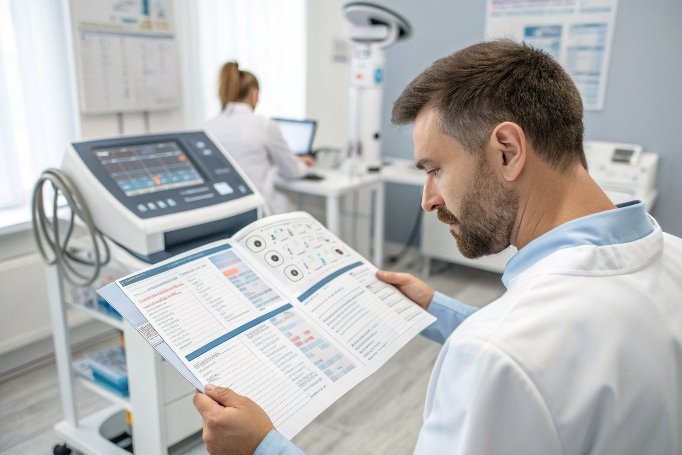
I sell beauty equipment worldwide, and I learned that smart upgrades beat early replacement every time.
Yes, function expansion is possible on many shockwave therapy machines. Expansion can come from software updates that unlock new modes, hardware add-ons like new handpieces, and modular kits. Success depends on model design, supplier support, certification status, and a clear return-on-investment plan.
Readers want a simple path. The sections below explain which upgrades exist, how software adds new modes, what hardware options are realistic, how to judge cost-effectiveness, and what “modular” support to expect from suppliers.
Can software upgrades add new modes?
I recommend software first because it is fast, safe, and usually cheaper than hardware.
Software upgrades can add new preset protocols, custom mode slots, energy curves, and user interface tools. Many systems allow firmware keys or USB updates. Clinics should confirm change logs, keep backups, and test on low power before clinical use.
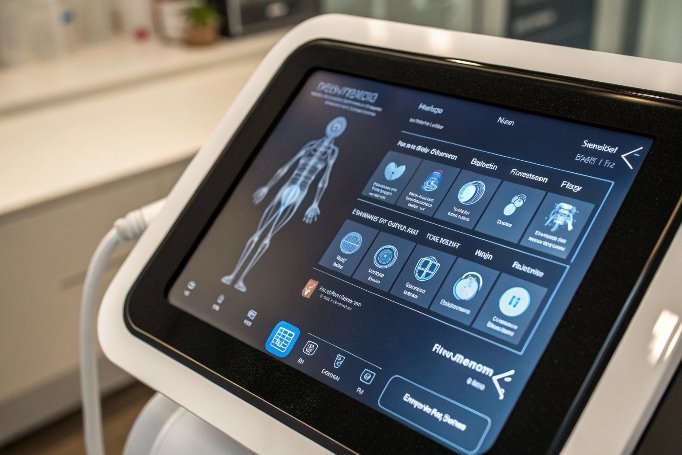
Software expansion is the lowest-friction way to improve a shockwave system. Many control units already contain features that are locked by license. A supplier can enable them through a firmware key. Other updates arrive as files loaded by USB or over a service port—see common approaches to firmware updating via removable media 1. After update, the menu may show new treatment libraries, revised pulse trains, or additional language packs. Safety matters. Clinics should review the release notes, check that output limits do not change unexpectedly, and run a short verification at low energy before treatment.
New modes tend to fall into four buckets. First, protocol libraries with step-by-step presets for common indications. Second, custom profiles where the user saves energy, frequency, and pulse count sets. Third, assisted UI features like timers, progress bars, or on-screen anatomy cues. Fourth, service utilities that help maintenance, such as pulse counters and handpiece life reminders. None of these change the basic power path, which keeps risk low compared to hardware swaps.
What software can realistically add
| Upgrade type | What changes | Typical benefit | Clinic action |
|---|---|---|---|
| Preset protocols | New indications and parameters | Faster training, consistent output | Validate with 2–3 pilot cases |
| Custom modes | Save user-defined settings | Shorter setup time | Document SOP naming rules |
| Energy curve tweaks | Smoother ramps, pulse shapes | Comfort and repeatability | Compare before/after logs |
| UI features | Timers, logs, prompts | Less error, better records | Train staff 15–30 minutes |
| Service counters | Life/pulse tracking | Planned maintenance | Align with PM calendar |
Practical safeguards for software expansion
- Keep a copy of the old firmware and settings.
- Update one device first, then roll out team-wide.
- Record pre- and post-update energy checks on a simple service log.
- If a license key is used, store it with the device file set and serial number.
How often are upgrades released?
I plan upgrade windows during off-peak seasons so customers do not lose billable hours.
Upgrade cadence is not fixed across the industry. Software updates may appear one to two times per year; hardware refreshes arrive as needed, usually every 12–36 months. Frequency depends on the platform’s maturity, installed base, and regulatory changes.
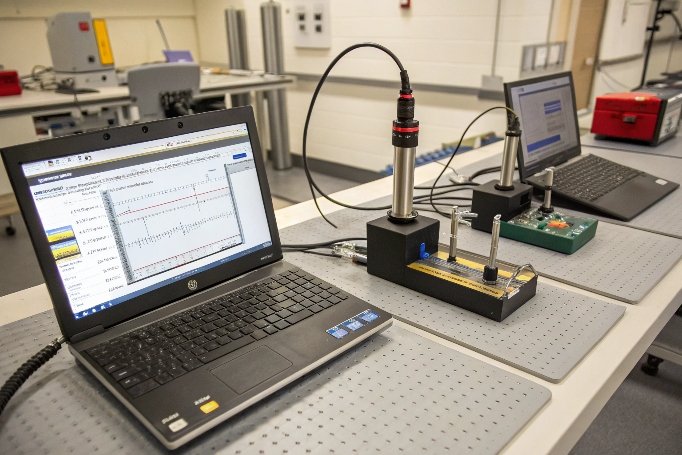
Release timing varies because shockwave systems mix mechanics, electronics, and firmware. For software, aligning change control with the IEC 62304 medical device software lifecycle 2 keeps updates auditable. Public-facing release notes using semantic versioning 3 help clinics track what changed and when. Hardware revisions require longer cycles for validation and supply chain planning and should respect FDA design control requirements 4. Typical examples include stronger projectiles, improved sleeves, lower-noise bearings, or redesigned cooling.
Clinics should align internal calendars with supplier release habits. A practical rhythm is to evaluate firmware twice a year and assess hardware once per year. Sites can bundle upgrades with scheduled preventive maintenance programs for medical equipment 5. This consolidates downtime, lets teams verify output stability, and keeps documentation tidy. Groups with multiple locations can pilot upgrades in one site first, then roll out systemwide after a two-to-four-week proof period.
Do hardware add-ons exist for machines?
I set expectations early: hardware adds power, but it needs planning and clear specs.
Yes, many machines accept hardware add-ons such as new handpieces, transmitters, vacuum or vibration modules, larger touchscreens, or enhanced compressors. Feasibility depends on physical ports, power budget, firmware support, and safety certification of the combined system.
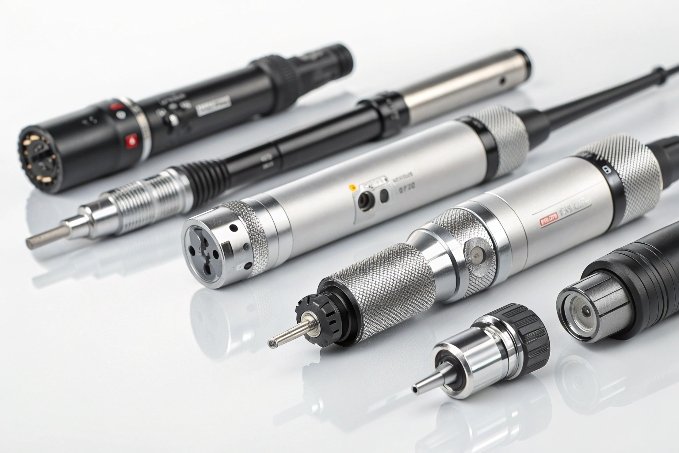
Hardware expansion can extend clinical range. Radial units often accept alternate handpieces with different projectile designs, sleeves, or bearings. These handpieces shift feel, impact envelope, and durability. Systems may also add specialized transmitters (for fascia, trigger points, or periosteal targets) to change depth and footprint. Some platforms accept adjacent modalities like vacuum massage or vibration therapy through dedicated ports. These additions help with warm-up, lymphatic goals, or patient comfort.
Physical reality sets limits. A control base needs enough current and cooling margin for extra loads. The mainboard must speak the same protocol as the add-on (e.g., Controller Area Network (CAN) bus 6 or UART). Firmware must recognize the module ID and expose safe parameter ranges. Cables should be hospital-grade and strain-relieved. If a new module modifies the power path, expect a post-upgrade safety check akin to a site acceptance test 7: leakage current, EMC, and output verification. Clinics should keep the previous configuration ready to roll back if needed.
Common hardware add-ons and what they change
| Add-on | What it is | What it adds | Notes on setup |
|---|---|---|---|
| Alternate radial handpiece | Different projectile/sleeve stack | New feel; higher duty; lower noise | Needs short break-in and lube |
| Specialized transmitters | Heads for fascia, spine, periosteal | Depth/area targeting | Match to protocol library |
| Vibration module | V-actor style handle | Pre-treat warm-up, comfort | Low power draw |
| Vacuum module | Cups and pump | Tissue lift, coupling help | Watch hose routing |
| Larger display / UI panel | Touchscreen upgrade | Faster workflow, clearer prompts | Requires firmware support |
| Enhanced compressor/filter | Drier, steadier air | More stable pulses | Align with ISO 8573 air quality classes 8 |
After any hardware addition, a brief run-in at low power helps detect leaks, heat, or unusual sound before patient use.
Is function expansion cost-effective?
I suggest a simple math lens: count revenue per session, time saved, and avoided downtime.
Function expansion is cost-effective when added features create new billable indications, raise throughput, or extend device life. The key is a short payback period, usually 3–12 months, based on session revenue, utilization, and upgrade price.
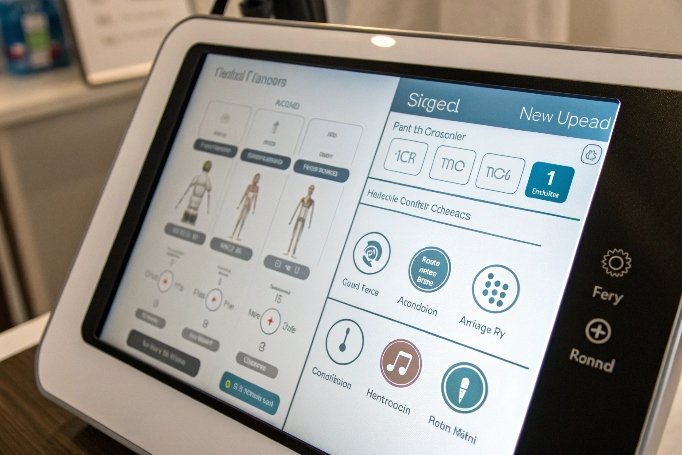
Cost-effectiveness comes from three levers. First, new indications. If a focused module or special transmitter allows deeper targets, the clinic can broaden case mix. Second, efficiency. Software presets reduce setup time and staff training hours. Third, longevity. A new handpiece or rebuilt module can push replacement far into the future. To judge value, estimate monthly sessions, price per session, and how many extra sessions or minutes saved the upgrade delivers—then compute the payback period 9.
Do not ignore hidden costs. Hardware add-ons may need staff training, spare parts stock, and preventive maintenance time. Some upgrades require new consumables (extra transmitters, sleeves, or filters). If a change alters regulatory scope, there may be documentation tasks. A short “pilot month” before full adoption helps refine protocols and confirm demand.
Quick ROI calculator (example inputs you can edit)
| Item | Example value | How to use |
|---|---|---|
| Upgrade cost (hardware + training) | $3,500 | One-time cash out |
| Added sessions per month | 18 | From new indications |
| Price per session | $110 | Average billable |
| Extra monthly revenue | $1,980 | Sessions × price |
| Consumables per month | $120 | Extra heads/sleeves |
| Net monthly gain | $1,860 | Revenue − consumables |
| Payback period | ~1.9 months | Cost ÷ net gain |
A payback under 6 months is strong. Under 12 months is acceptable if the upgrade extends device life or brand reach.
Do suppliers support modular upgrades?
I promise modularity when the platform was designed for it. Otherwise, I explain limits and offer safe paths.
Many suppliers support modular upgrades on platforms built with open ports and licensed firmware. Support includes module sales, activation keys, and installation guides. Buyers should confirm a written roadmap, part numbers, and post-upgrade safety checks before paying.
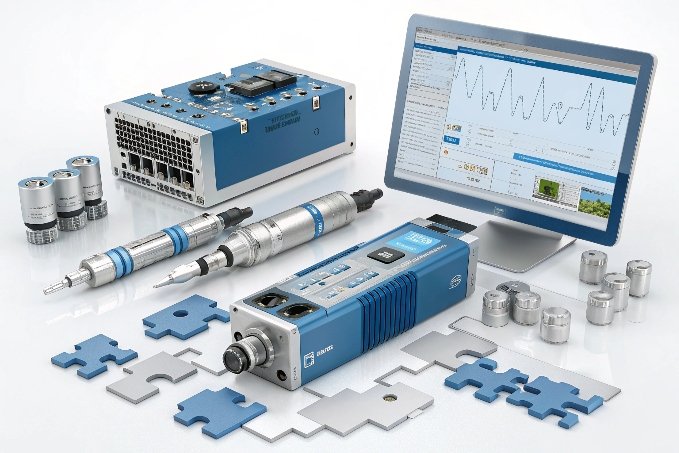
Modular support works best when the base unit was designed with reserved interfaces and power headroom. Suppliers then offer a menu: new handpieces, transmitter sets, vibration or vacuum handles, and software bundles. Activation may require a license tied to the serial number and tracked within a product lifecycle management (PLM) system 10. Good suppliers provide change notes, torque specs, lubrication types, and acceptance test steps. Stronger partners also ship spare parts kits so clinics can support the upgrade long term.
Procurement policy matters. A clinic should request a modular upgrade sheet during the first purchase. That document lists future options, prices, and lead times. It also states whether the combined system remains within the original safety certification scope. If not, the supplier should provide addenda or test data. For multi-site groups, a standard kit per site makes training and stocking simple. For distributors, modularity helps align inventory with demand swings.
What to ask a supplier before committing to an upgrade
- Which modules are certified for this exact model and firmware?
- What is the power and cooling overhead of the base unit?
- Are license keys required, and can they be moved after board swaps?
- What service tools and consumables are needed after the upgrade?
- What is the acceptance test checklist (leak, heat, pulse stability)?
- How does the upgrade affect warranty and spare part coverage?
Conclusion
Function expansion works when the platform supports software keys, safe hardware modules, and a clear ROI. Confirm paths in writing, run a pilot, test outputs, and then standardize the upgrade.
Footnotes
1. How firmware is commonly updated via removable media or ports. ↩︎
2. IEC 62304 lifecycle process for medical device software updates. ↩︎
3. Semantic Versioning: consistent release-note versioning. ↩︎
4. FDA design control framework for hardware/firmware changes. ↩︎
5. WHO guidance on preventive maintenance scheduling. ↩︎
6. CAN bus basics—common device communication interface. ↩︎
7. Site acceptance testing concept for post-install checks. ↩︎
8. ISO 8573 compressed air quality classes overview. ↩︎
9. Payback period formula for evaluating upgrades. ↩︎
10. PLM systems for tracking configurations and licenses. ↩︎

 English
  Español de México
  Deutsch
  Français
  العربية
  Русский