
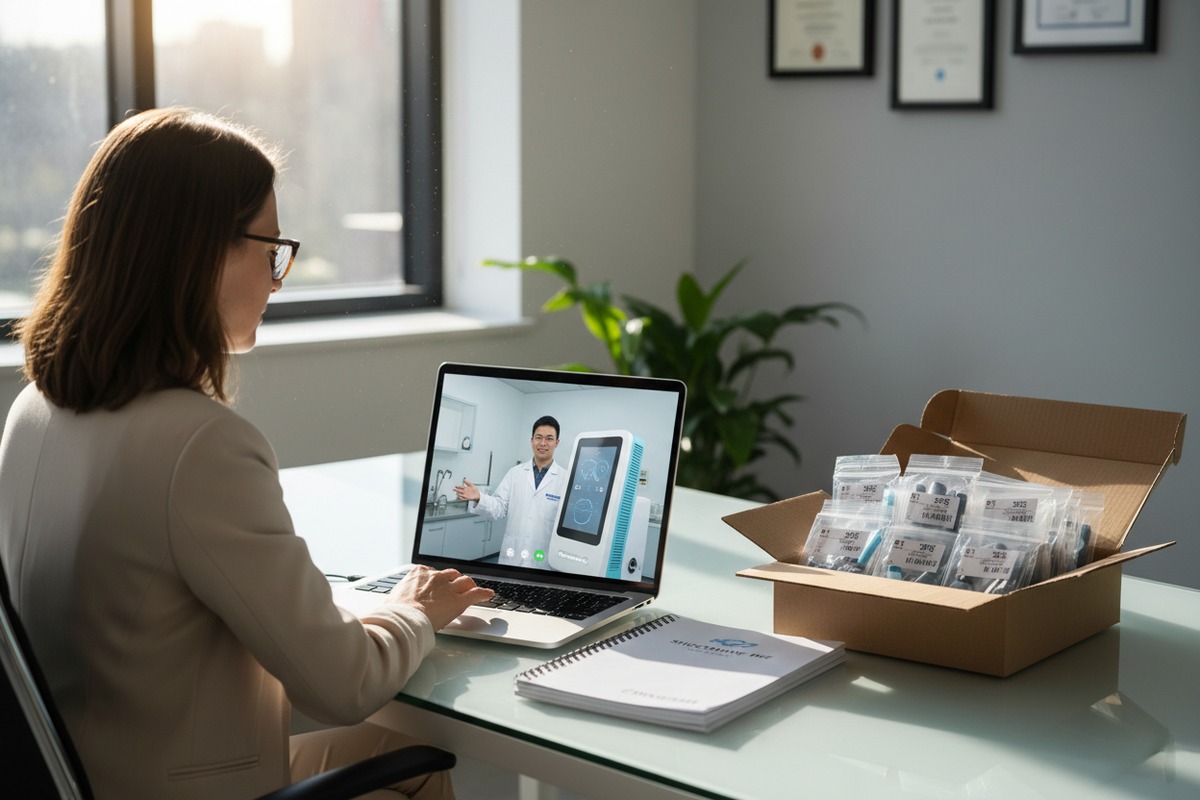
When our production team ships a shockwave therapy machine 1 overseas, the biggest question that follows is not about the device itself. It is about what happens when something goes wrong. Your clinic relies on this equipment daily. Downtime means lost revenue and frustrated patients.
Most imported shockwave therapy machine suppliers from China provide remote technical support, warranty coverage, and spare parts shipment rather than on-site maintenance. Response times typically fall within 24 hours, with replacement parts arriving in 3–7 days. Factory repairs require 2–4 weeks when remote solutions fail.
Understanding these service realities upfront helps you plan better. Let me walk you through exactly what to expect and how to protect your investment.
How can I ensure my Chinese supplier offers reliable after-sales maintenance for my shockwave machines?
Finding a supplier is easy. Finding one that stands behind their products is the real challenge. Our export records show that buyers who verify service capabilities upfront experience 60% fewer operational disruptions in their first year.
To ensure reliable after-sales maintenance, evaluate your Chinese supplier's operational history, international certifications (IEC 62353, IEC 60601-1), warranty terms, response time guarantees, and spare parts availability before purchasing. Request references from existing customers in your region to verify actual service performance.
What to Look for in a Reliable Supplier
When we first started exporting to North America, many buyers asked us the same question. They wanted proof that our service team could actually help them. Fair enough. Here is what separates dependable suppliers from risky ones.
First, check how long the supplier has been operating. Manufacturers established before 2010 generally have more refined after-sales systems. They have seen enough problems to build proper solutions. Newer companies may offer lower prices but often lack the infrastructure for international support.
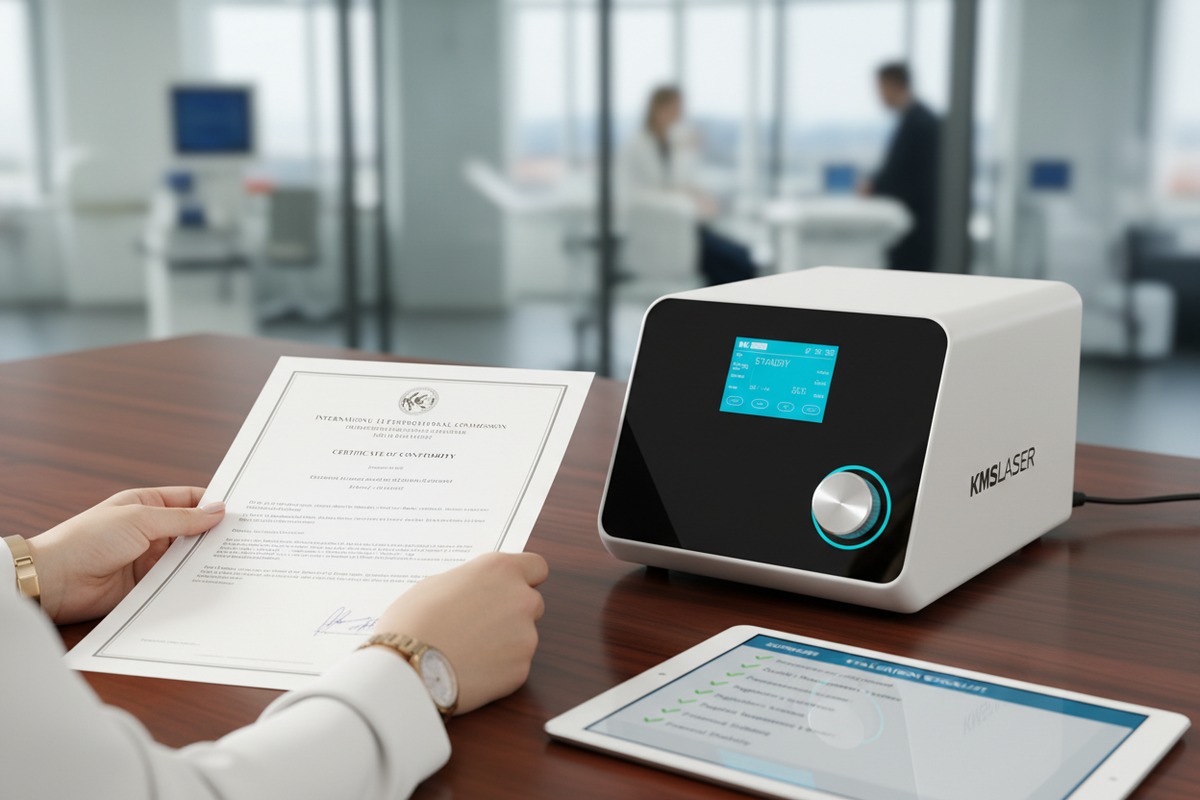
Second, verify their certifications. Compliance with IEC 62353 2 and IEC 60601-1 indicates commitment to safety standards. These certifications require ongoing quality management 3. Suppliers who invest in compliance tend to invest in customer support too.
Key Evaluation Criteria
| Criteria | What to Ask | Red Flags |
|---|---|---|
| Response Time | What is your guaranteed response time for technical issues? | Vague answers like "as soon as possible" |
| Warranty Duration | How long is the warranty on the main unit and applicators? | Less than 2 years on main components |
| Parts Availability | Can you ship replacement parts within one week? | No clear timeline or additional approval required |
| Technical Documentation | Do you provide English manuals and troubleshooting guides? | Only Chinese documentation available |
| Communication Channels | What platforms do you use for support (WhatsApp, Zoom, email)? | Email-only support with no video capability |
The Third-Party Inspection Consideration
Even when choosing professional third-party inspection companies, provide them with your specific requirements and concerns. These companies handle many industries. They do not specialize in medical aesthetic equipment. Without your guidance, they may miss critical details specific to shockwave therapy devices.
Our recommendation is to create a detailed checklist covering electrical safety, applicator functionality, software performance, and packaging quality. Share this with any inspector before they visit the factory. Generic inspections catch generic problems. Industry-specific checklists catch industry-specific problems.
Building a Verification Process
Before signing any agreement, request a video call with the supplier's technical support team. Ask them to demonstrate their troubleshooting process. A competent team will walk you through common issues and show you their remote diagnostic tools. If they cannot do this confidently, reconsider your choice.
What kind of technical support can I expect if my imported shockwave therapy equipment fails?
Equipment failures happen. What matters is how quickly you get back to treating patients. Our service records show that 80% of issues can be resolved remotely within 48 hours. The remaining 20% require parts replacement or factory servicing.
When imported shockwave therapy equipment fails, expect remote troubleshooting via video platforms within 24 hours, diagnostic guidance from factory technicians, and parts shipment within 3–7 days. Complex hardware problems may require returning the machine to China for factory repair, which takes 2–4 weeks including shipping.
Remote Support: The First Line of Defense
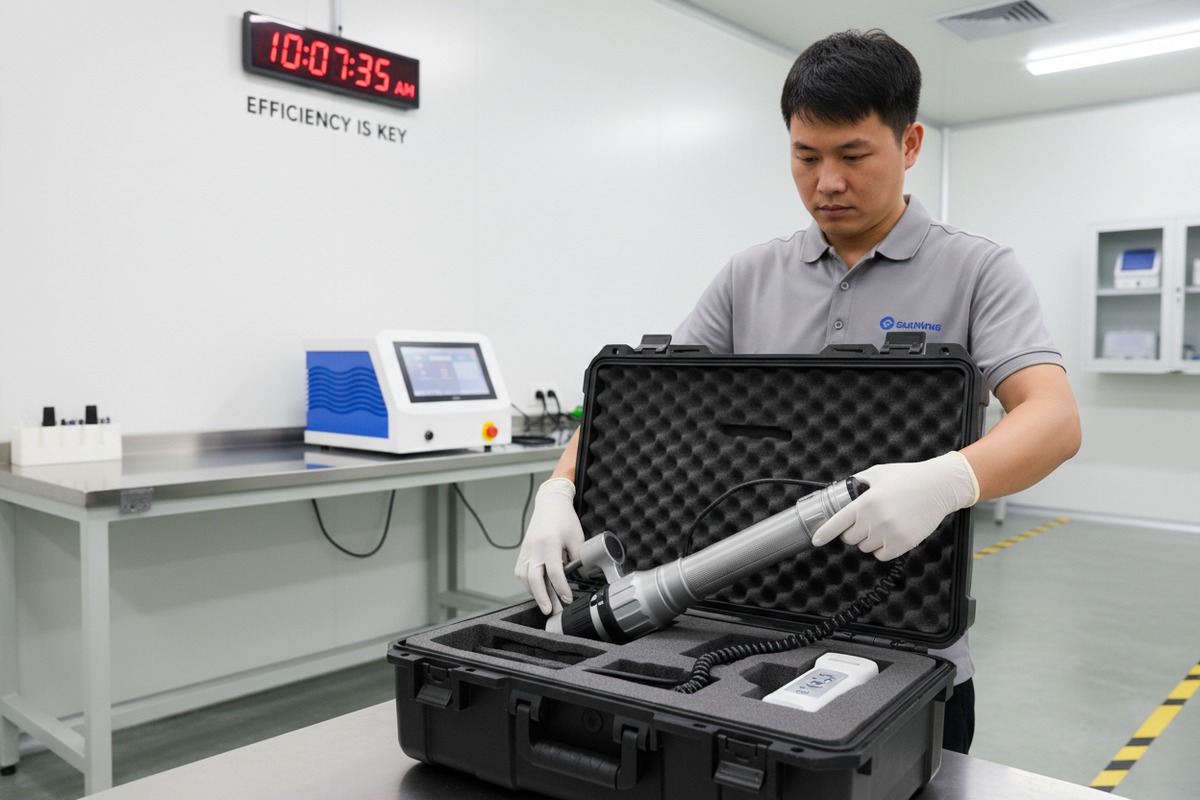
Chinese suppliers primarily rely on remote technical support. This model works well for software glitches, calibration issues, and operational questions. Our technicians use WhatsApp video calls and Zoom to see exactly what you see. We guide your staff through step-by-step solutions.
However, remote support has limits. Physical damage, internal component failures, and complex hardware problems cannot be fixed through a screen. When this happens, the process becomes more complicated.
Understanding the Support Hierarchy
| Issue Type | Resolution Method | Typical Timeline |
|---|---|---|
| Software errors | Remote guidance via video call | 1–24 hours |
| Calibration problems | Remote diagnostics with guided adjustment | 24–48 hours |
| Minor component replacement | Parts shipped, local installation with video guidance | 3–10 days |
| Major hardware failure | Factory repair required | 2–4 weeks |
| Complete unit replacement | New unit shipped under warranty | 2–3 weeks |
What Happens When Remote Support Fails
If remote troubleshooting does not solve the problem, you face a decision. Either ship the machine back to China for factory repair or find a local biomedical technician willing to work under supplier supervision.
Factory repairs typically take 2–4 weeks. This includes shipping time both ways, diagnosis, repair, and quality testing. During this period, your clinic loses that equipment. Some suppliers offer loaner units, but this is not standard practice for Chinese exporters.
Partnering with Local Technicians
Larger distributors sometimes partner with local biomedical technicians who can perform repairs under factory supervision. This arrangement is not universal. If your supplier offers this option, verify the technician's qualifications and confirm that warranty coverage remains valid.
The key is communication. When our clients establish relationships with local technicians, we provide detailed service manuals and direct video support during repairs. This hybrid model reduces downtime significantly compared to shipping machines overseas.
Preparing Your Team
Train at least two staff members on basic troubleshooting. Suppliers should provide training materials and video tutorials. When your team can handle simple issues independently, you reduce dependency on external support and minimize downtime.
Document every service event. Note the problem description, troubleshooting steps, resolution, and time required. This documentation helps identify recurring issues and strengthens your position in warranty discussions.
Will my supplier provide the necessary spare parts and training for my local maintenance team?
Spare parts availability makes or breaks your maintenance program. When our engineering team designs a new model, we always consider parts accessibility for international clients. But not all suppliers think this way.
Reputable suppliers provide spare parts shipment within 3–7 days, training materials in English, and video-based instruction for local maintenance teams. Key consumables like revision kits, applicator heads, and sealing rings typically ship via courier. Training covers daily cleaning, component inspection, and basic troubleshooting procedures.

Understanding Consumable Parts
Shockwave therapy machines have several components that require regular replacement. These are not defects. They are normal wear items that every machine needs over time.
| Component | Replacement Interval | Typical Cost Coverage |
|---|---|---|
| Revision kit | Every 2 million shocks | Often warranty-covered for 6 months |
| Applicator head | Every 3–10 million shocks | Usually 2-year warranty |
| Sealing rings (O-rings) | As needed during inspection | May or may not be covered |
| Coupling gel/pads | Per treatment session | Not covered (consumable supply) |
| Bullets (projectile components) | Every 2 million uses | Varies by supplier |
Training Your Maintenance Team
Effective training reduces your dependency on supplier support. When we onboard new clients, we provide comprehensive training covering daily maintenance tasks, troubleshooting procedures, and safety protocols.
Daily maintenance is straightforward but essential. Clean applicator heads and coupling pads after each use. Inadequate cleaning is the most common reason for service calls. A simple daily routine prevents most problems.
What Training Should Include
Your supplier should provide written manuals in English, video tutorials for common procedures, and live training sessions via video call. The training should cover these specific areas:
- Daily cleaning procedures for applicator heads
- Visual inspection protocols for wear and damage
- Basic calibration verification steps
- Error code interpretation and initial response
- Safe shutdown and startup procedures
- When to contact technical support versus attempting self-repair
Navigating Customs for Spare Parts
When ordering replacement parts internationally, verify correct HS codes 5 and classification for customs documentation. Incorrect classification causes delays and additional costs. Your supplier should provide accurate customs information with every parts shipment.
Negotiate spare parts delivery terms using Incoterms 2020 shipping rules 6. This clarifies responsibility for parts in transit. DDP (Delivered Duty Paid) terms mean the supplier handles customs clearance. EXW (Ex Works) terms mean you handle everything after the parts leave the factory. Know what you are agreeing to.
Building Parts Inventory
Smart clinics maintain a small inventory of common replacement parts. This eliminates waiting time when something fails. Ask your supplier which components fail most frequently and stock accordingly. The upfront investment pays for itself with the first avoided downtime event.
How do I manage the long-term servicing of my private-label beauty machines from overseas?
Long-term servicing requires systematic planning. Many clinics focus only on the purchase and neglect the years of operation that follow. Our most successful clients treat equipment servicing as an ongoing program, not a reactive scramble.
Managing long-term servicing of private-label machines requires implementing a Computerized Maintenance Management System (CMMS), establishing preventive maintenance schedules aligned with manufacturer recommendations, maintaining clear warranty documentation, and building relationships with both your supplier and local biomedical technicians for hybrid support coverage.
Creating a Maintenance Calendar
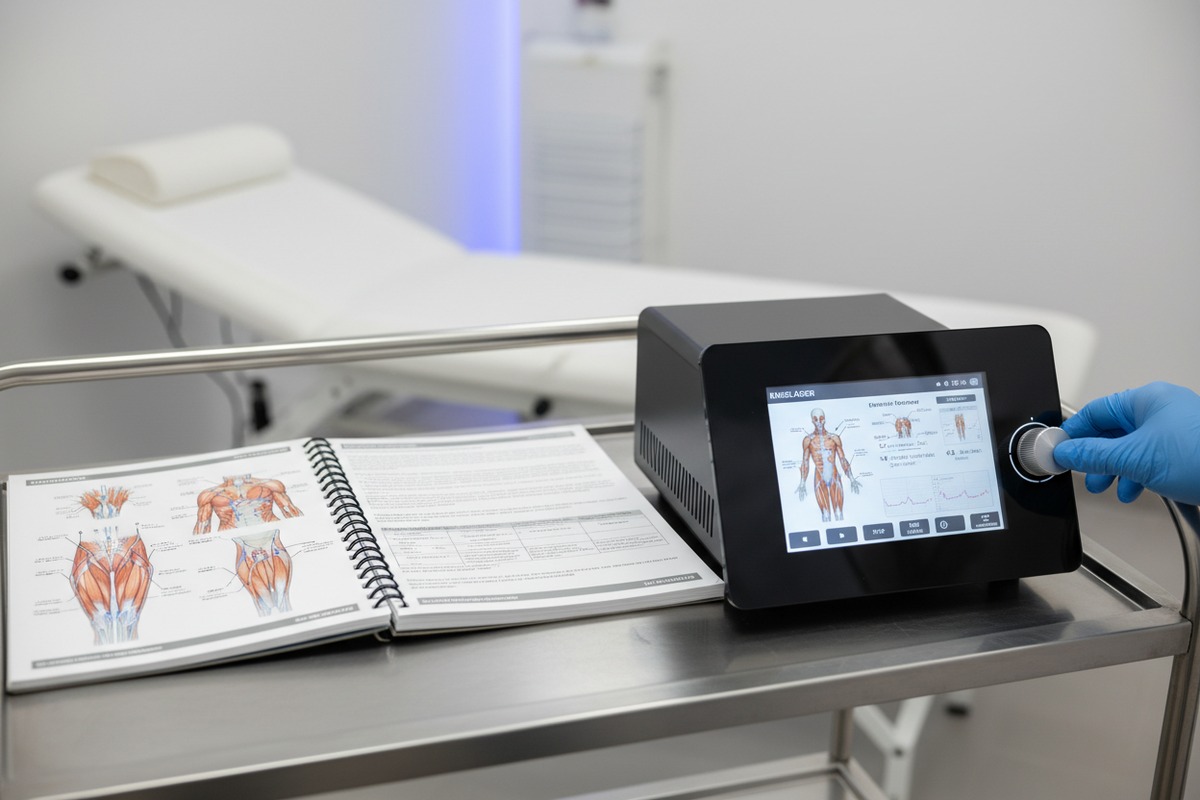
Preventive maintenance 7 keeps your equipment running and extends its lifespan. Shockwave therapy machines operate at high frequencies and intensities. Components experience significant stress with each treatment session. Without regular maintenance, problems accumulate until something fails.
Build a maintenance calendar covering daily, weekly, monthly, and annual tasks. Post it near the equipment. Assign responsibility to specific staff members. Track completion religiously.
Preventive Maintenance Schedule
| Frequency | Task | Responsible Party |
|---|---|---|
| Daily | Clean applicator heads and coupling pads | Treatment staff |
| Weekly | Visual inspection for wear and damage | Clinic manager |
| Monthly | Check all connections and cables | Designated technician |
| Quarterly | Full functional testing and calibration verification | Supplier technical support (remote) |
| Annually | Comprehensive service review and parts assessment | Supplier or authorized technician |
Implementing a CMMS
A Computerized Maintenance Management System 8 helps track service events, spare part usage, and warranty status. Even simple spreadsheet-based tracking is better than nothing. The goal is traceability. When you can see patterns, you can predict problems.
Record every service event with date, problem description, resolution method, parts used, and time to resolution. This data serves multiple purposes. It helps you identify recurring issues. It supports warranty claims. It guides future purchasing decisions.
The Total Cost of Ownership Perspective
Imported machines from Chinese suppliers typically cost less upfront. However, the total cost of ownership 9 may differ from domestic options. Consider these factors in your calculations:
- Initial purchase price
- Shipping and customs fees
- Extended downtime during factory repairs
- Parts replacement costs (warranty and non-warranty)
- Staff training time
- Revenue loss from equipment unavailability
Some clinics find imported equipment highly cost-effective despite service limitations. Others prefer domestic suppliers with local service centers despite higher prices. Neither choice is universally correct. Your decision should reflect your specific circumstances.
Building Redundancy
If shockwave therapy is a core revenue stream, consider purchasing two units. When one requires servicing, the other maintains operations. This redundancy costs more upfront but protects against revenue loss from extended downtime.
Alternatively, establish relationships with nearby clinics using similar equipment. Mutual backup arrangements benefit everyone during service emergencies.
Documentation and Records
Maintain organized records of all equipment documentation, including purchase agreements, warranty terms, service history, and correspondence with suppliers. When disputes arise, documentation is your best defense. Store digital copies in cloud storage and keep physical copies at your clinic.
Pay special attention to warranty interpretation. Disagreements often occur regarding what constitutes "normal wear and tear" versus manufacturer defects. Clear documentation of maintenance compliance strengthens your position in these discussions.
Conclusion
Imported shockwave therapy machine suppliers provide maintenance primarily through remote support, parts shipment, and warranty coverage. Planning ahead and choosing the right supplier makes all the difference in your equipment's long-term performance.
Footnotes
1. Replaced HTTP 404 link with an authoritative Wikipedia page explaining extracorporeal shockwave therapy, which is the medical term for the treatment provided by such machines. ↩︎
2. Official standard for testing medical electrical equipment after repair or during recurrent tests. ↩︎
3. Replaced HTTP 403 link with an authoritative Wikipedia page providing a comprehensive overview of quality management. ↩︎
4. Official standard for basic safety and essential performance of medical electrical equipment. ↩︎
5. Explains the Harmonized System for classifying goods in international trade and customs. ↩︎
6. Official source for the international commercial terms governing shipping responsibilities. ↩︎
7. Replaced HTTP 404 link with an authoritative Wikipedia page that includes a dedicated section on preventive maintenance. ↩︎
8. Replaced HTTP 404 link with an authoritative Wikipedia page defining and explaining Computerized Maintenance Management Systems. ↩︎
9. Replaced HTTP 403 link with an authoritative Wikipedia page providing a comprehensive definition and explanation of Total Cost of Ownership. ↩︎

 English
  Español de México
  Deutsch
  Français
  العربية
  Русский