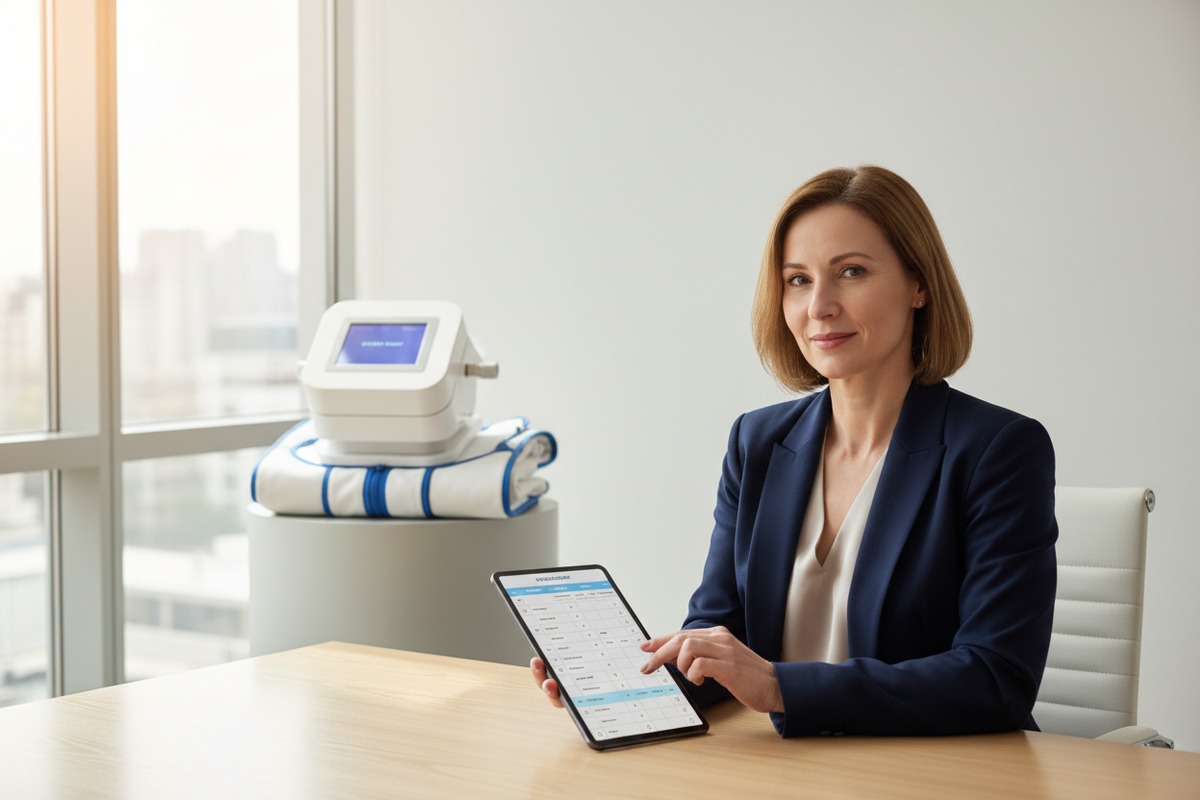
When our production team ships pressotherapy machines 1 to US distributors, we often hear the same concern: “What happens if this device needs repairs?” It’s a valid worry. A clinic that runs 20+ daily sessions can lose thousands in revenue during just one week of downtime quality management systems 2. Yet many buyers focus only on upfront cost, ignoring the hidden risk of weak after-sales support. This oversight can turn a smart purchase into a costly headache.
To verify a supplier’s US repair service center, request proof of physical address, check for FDA-cleared device documentation, confirm technician certifications, ask for written repair turnaround guarantees, and directly contact the service center for references. These steps protect your investment and reduce operational risk.
Below, we’ll walk through each verification step in detail. You’ll learn exactly what questions to ask, what documents to request, and how to spot red flags before signing a purchase agreement.
How can I verify the physical location and legitimacy of your US repair center?
Many overseas suppliers claim to have US service centers, but some of these claims don't hold up under scrutiny. Our export team has seen buyers burned by suppliers who listed mailbox addresses or non-existent facilities. This creates real problems when your machine breaks down and no one answers the phone.
Request the exact street address of the US service center, then verify it using Google Maps street view or public business registries. Ask for photos of the facility, contact information for local staff, and references from US-based customers who have used the repair service. Third-party verification services like SGS or Bureau Veritas can also confirm legitimacy.

Why Physical Location Matters
A real US service center means faster repairs and lower shipping costs. When your pressotherapy machine needs service, you won't wait weeks for overseas shipping. Local inventory of spare parts ensures quick turnaround. Real facilities also indicate a supplier's long-term commitment to the US market.
What Documents to Request
Ask your supplier for the following:
| Document Type | What It Proves | Red Flag If Missing |
|---|---|---|
| Business registration certificate | Legal entity status in US | May not be a legitimate operation |
| Service center photos (exterior and interior) | Physical facility exists | Could be a virtual address |
| Utility bills or lease agreement | Active business presence | May not have actual operations |
| Staff directory with contact info | Real employees on-site | Potential outsourced or non-existent support |
| Customer references (US-based) | Verified service track record | Unproven claims |
How to Verify Independently
Don't rely solely on supplier-provided information. Take these steps:
- Search the address on Google Maps. Use street view to see if it matches the photos provided.
- Call the listed phone number during US business hours. Ask to speak with a technician.
- Check state business registries 3 for the company name and registration status.
- Request references from other US buyers. Contact them directly to ask about repair experiences.
- For high-value purchases, consider hiring SGS or Bureau Veritas 4 for a third-party facility inspection.
Company-Owned vs. Third-Party Service Partners
Some suppliers own their US service centers. Others partner with third-party authorized service providers. Both models can work well, but you need clarity on which one applies.
| Service Model | Pros | Cons |
|---|---|---|
| Company-owned center | Direct control, consistent quality, parts inventory | Higher supplier overhead, may have limited locations |
| Third-party authorized partners | Wider geographic coverage, potentially faster response | Quality may vary, less direct accountability |
Ask specifically: "Is this service center owned and operated by your company, or is it an authorized third-party partner?" Get the answer in writing.
What specific technical qualifications do your local technicians have for my pressotherapy machines?
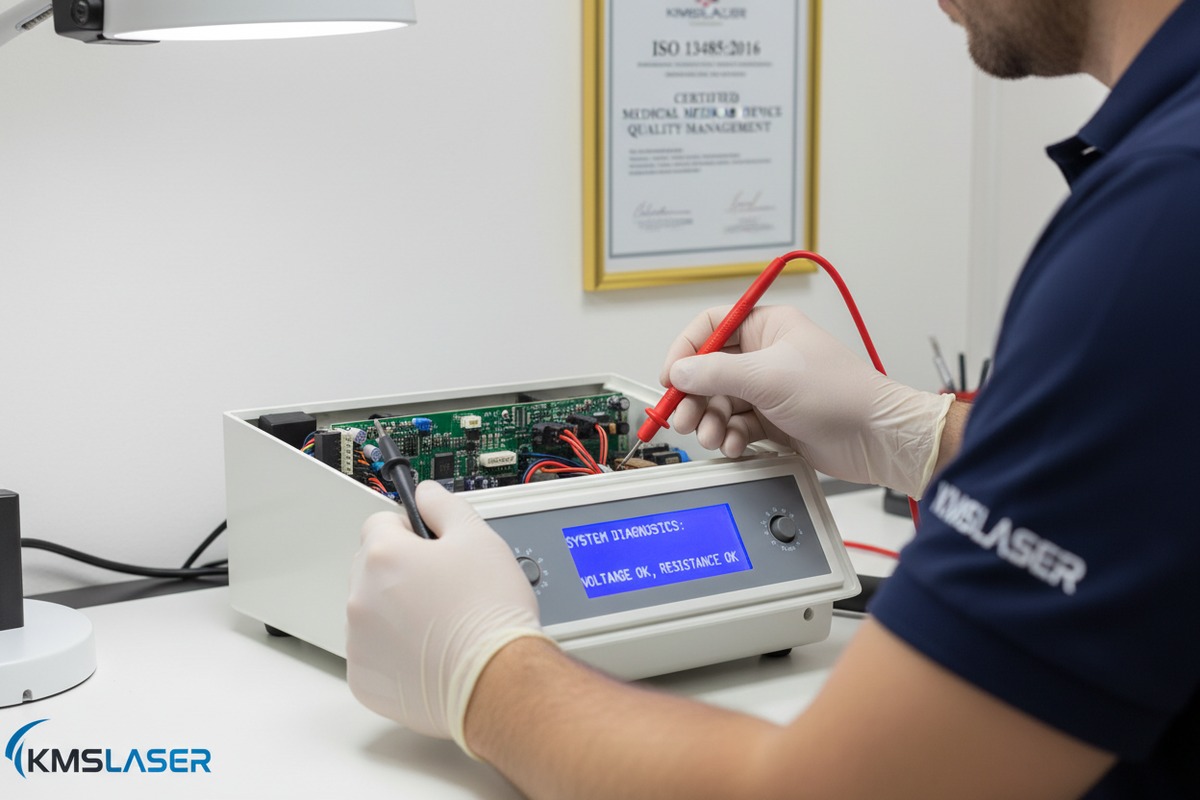
Our engineers train service partners on every device model we produce. But not all suppliers invest in proper technician training. An unqualified repair can damage your machine further, void warranties, or create safety hazards like improper pressure calibration 5.
Local technicians should hold factory training certifications specific to your pressotherapy model. They should also demonstrate knowledge of relevant quality standards like ISO 13485 for medical device servicing. Request training certificates, ask about continuing education programs, and inquire whether technicians can perform pressure calibration and compressor repairs.
Key Qualifications to Verify
Pressotherapy machines are more complex than they appear. Proper service requires understanding of pneumatic systems 6, pressure calibration, electronic controls, and garment maintenance. Here's what qualified technicians should know:
| Skill Area | Why It Matters | How to Verify |
|---|---|---|
| Pneumatic system repair | Core function of pressotherapy | Ask for compressor repair examples |
| Pressure calibration | Ensures safe, effective treatments | Request calibration equipment list |
| Electronic diagnostics | Identifies control unit issues | Ask about diagnostic tools used |
| Garment inspection | Detects air leaks and wear | Inquire about garment testing procedures |
| Regulatory compliance | Maintains FDA documentation | Ask for service record examples |
Factory Training Certification
The best technicians receive direct training from the manufacturer. This training covers device-specific protocols, common failure modes, and proper calibration procedures. Ask your supplier:
- Does your company provide factory training for US service technicians?
- How often is training updated for new models or firmware?
- Can I see a copy of the training curriculum or certification?
ISO 13485 and Service Center Standards
ISO 13485 7 is an international standard for quality management systems in the medical device industry 8. ISO 13485 is designed for businesses involved in the design, production, distribution, and servicing of medical devices. Whether you're a manufacturer, supplier, importer, or service provider, this standard provides a structured approach to help businesses meet industry regulations and patient safety requirements.
Companies that provide services related to medical devices, such as maintenance, servicing, refurbishment, or calibration services can use ISO 13485 to demonstrate their commitment to quality. Ask if the service center holds ISO 13485 certification or operates under an ISO 13485-certified quality management system.
Remote Diagnostic Capabilities
Modern pressotherapy machines sometimes include remote diagnostic features. Regular repairs or calibrations may be necessary to ensure accurate and efficient functioning. Remote diagnostics can help technicians identify problems without an on-site visit, reducing downtime.
Ask these questions:
- Does your service center offer remote diagnostics for pressotherapy machines?
- Can technicians access the machine's error logs remotely?
- What percentage of issues can be resolved through remote support versus in-person repair?
Continuing Education Requirements
Quality doesn't stop at initial training. Ask your supplier about ongoing education requirements:
- How do technicians stay current with new device features and updates?
- What happens when you release firmware updates or new garment designs?
- Do technicians attend annual refresher training?
How will your US-based service center handle the logistics and costs of my warranty repairs?
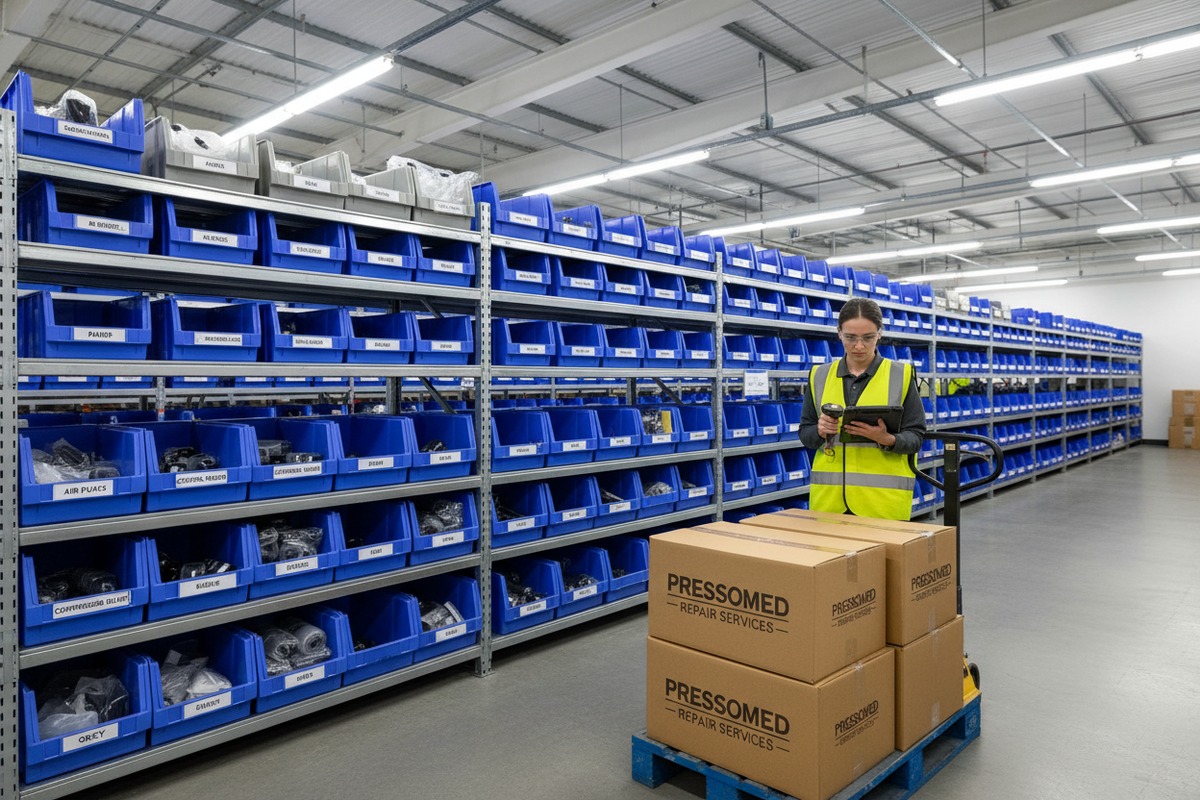
When our machines leave the factory, every unit goes through rigorous quality control. Still, defects can happen, and understanding repair logistics before purchase prevents surprises later. Many buyers assume warranty coverage is standard, only to discover hidden shipping costs or confusing claim procedures.
A reputable US service center should provide clear warranty terms covering parts and labor, prepaid shipping labels for warranty repairs, a defined claim procedure with response timeframes, and transparent pricing for out-of-warranty service. Get these terms in writing before purchase, including who pays shipping costs and what items are excluded from coverage.
Standard Warranty Coverage Comparison
Warranty terms vary significantly across suppliers. Some suppliers offer 12 months of warranty time for the main machine and 3 months of warranty for the handle and screen. During the warranty period, all the broken accessories can be sent for free. Others provide extended coverage. Some companies offer 36-month warranty and lifetime client support.
| Warranty Element | Standard Coverage | Premium Coverage | Questions to Ask |
|---|---|---|---|
| Main unit duration | 12-24 months | 24-36 months | What is the exact duration? |
| Accessories/garments | 3-6 months | 6-12 months | Are garments included or separate? |
| Parts coverage | Manufacturing defects | Defects + wear items | What specific parts are covered? |
| Labor coverage | Often included | Always included | Is labor covered for warranty repairs? |
| Shipping costs | Buyer pays one way | Supplier pays both ways | Who pays return shipping? |
The Repair Claim Process
Before you sign a purchase agreement, map out the exact claim process:
- Initial contact: How do you report a defect? Phone, email, or online portal?
- Documentation: What evidence do you need? Photos, videos, error codes?
- Approval: How long does claim review take?
- Shipping: Who provides shipping labels and packaging?
- Repair timeline: What is the guaranteed turnaround time?
- Return: How is the repaired device shipped back?
Hidden Costs to Watch For
Many warranties have exclusions that can surprise buyers. Common hidden costs include:
- Return shipping: Some suppliers cover outbound shipping but require you to pay return shipping
- Diagnostic fees: If no defect is found, you may owe a diagnostic charge
- Wear items: Compressors and garments may be excluded as "consumables"
- User damage: Damage from improper use isn't covered
- Customs fees: For international suppliers, duties and taxes may apply
Ask for a complete list of exclusions and any potential charges that could apply during warranty service.
Out-of-Warranty Service Pricing
Warranty coverage eventually expires. Before that happens, you should know what repairs will cost. Request a service price list that includes:
- Hourly labor rates
- Common replacement part costs (compressors, control boards, garments)
- Diagnostic fees
- Shipping and handling charges
- Preventive maintenance package pricing
Service Level Agreements (SLAs)
For professional settings, consider negotiating a formal service level agreement 9. Good customer support is crucial when starting with a new pressotherapy machine; a warranty can also provide peace of mind regarding product reliability. SLAs can include:
- Guaranteed response time (e.g., 24-hour callback)
- Maximum repair turnaround time
- Loaner equipment during extended repairs
- Preventive maintenance schedules
- Priority parts availability
Can I see proof of the average turnaround time for repairs handled at your US facility?
Our quality team tracks every repair from intake to delivery. We publish these metrics because they demonstrate real performance. But not every supplier is transparent about turnaround times, and vague promises like "fast service" don't help you plan for potential downtime.
Request documented repair turnaround data, not just promises. Ask for average repair times over the past 12 months, broken down by repair type. Get written guarantees with specific timeframes, such as 5-10 business days for standard repairs. Ask about expedited options and their costs, and inquire whether loaner equipment is available during extended repairs.

Why Turnaround Time Matters
In some cases you'll likely be without your machine for 10 to 14 days, the typical turnaround time for repairs. During this time, you'll be unable to treat your patients. For a busy clinic, this downtime translates directly to lost revenue. If your pressotherapy sessions average $75 each and you run 15 sessions daily, two weeks of downtime costs over $15,000 in lost revenue—not counting damage to customer relationships.
What to Request From Suppliers
Ask for specific metrics:
| Metric | What It Shows | Good Benchmark |
|---|---|---|
| Average repair time (standard) | Typical wait for common repairs | 5-10 business days |
| Average repair time (complex) | Wait for major component repairs | 10-15 business days |
| First-contact resolution rate | Issues fixed remotely | Above 30% |
| Parts availability rate | Components in stock | Above 90% |
| Customer satisfaction score | Overall service quality | Above 4.5/5 |
Expedited Service Options
Some repairs can't wait for standard turnaround. Maximum downtime with expedited warranty can be as low as 24 hours compared to 7 to 14 days without. No revenue for two days versus no revenue for 7 to 14 days shows the difference.
Ask about expedited options:
- Is express repair service available? What does it cost?
- Do you maintain advance replacement inventory?
- Can I get a loaner unit while mine is being repaired?
- What is the fastest possible turnaround for critical repairs?
Loaner Equipment Programs
Some suppliers offer loaner devices during extended repairs. This keeps your business running while the original unit is being serviced. Ask these questions:
- Do you offer loaner equipment during warranty repairs?
- Is there a daily or weekly fee for loaner devices?
- How quickly can a loaner be delivered?
- What condition are loaner units in?
Getting Written Guarantees
Verbal promises don't protect you. Before purchasing, request written turnaround commitments that include:
- Specific timeframes for different repair categories
- Consequences if turnaround guarantees aren't met (credits, refunds, etc.)
- Clear escalation procedures for delayed repairs
- Contact information for service management
Verifying Claims With References
Don't just accept supplier data at face value. Contact other US customers to ask:
- How long did your last repair actually take?
- Did the supplier meet their stated turnaround time?
- How was communication during the repair process?
- Would you purchase from this supplier again?
Conclusion
Verifying a supplier's US repair service center requires more than accepting marketing claims. Request physical address verification, technician certifications, documented warranty terms, and proven turnaround metrics. These steps protect your investment and ensure your pressotherapy business runs smoothly for years to come.
Footnotes
1. Healthline is a reputable health information website that explains pressotherapy machines and their function. ↩︎
2. Provides a comprehensive definition and overview of quality management systems. ↩︎
3. Official government website for Florida’s business entity search, providing a real and working example of a state business registry. ↩︎
4. Official website of SGS, a leading testing, inspection, and certification company. ↩︎
5. Details the principles and importance of pressure calibration for accuracy and safety. ↩︎
6. Wikipedia provides a comprehensive and authoritative overview of pneumatic systems. ↩︎
7. Provides official information on the ISO 13485 standard for medical device quality management. ↩︎
8. Provides a comprehensive overview of medical device definitions and classifications. ↩︎
9. Defines Service Level Agreements and their importance in service provision. ↩︎

 English
  Español de México
  Deutsch
  Français
  العربية
  Русский