

We often encounter buyers who face shipment rejections because they overlooked due diligence redacted Bill of Lading (B/L) 1. In our factory, we ensure every machine strictly meets specific LATAM entry requirements before it leaves the dock.
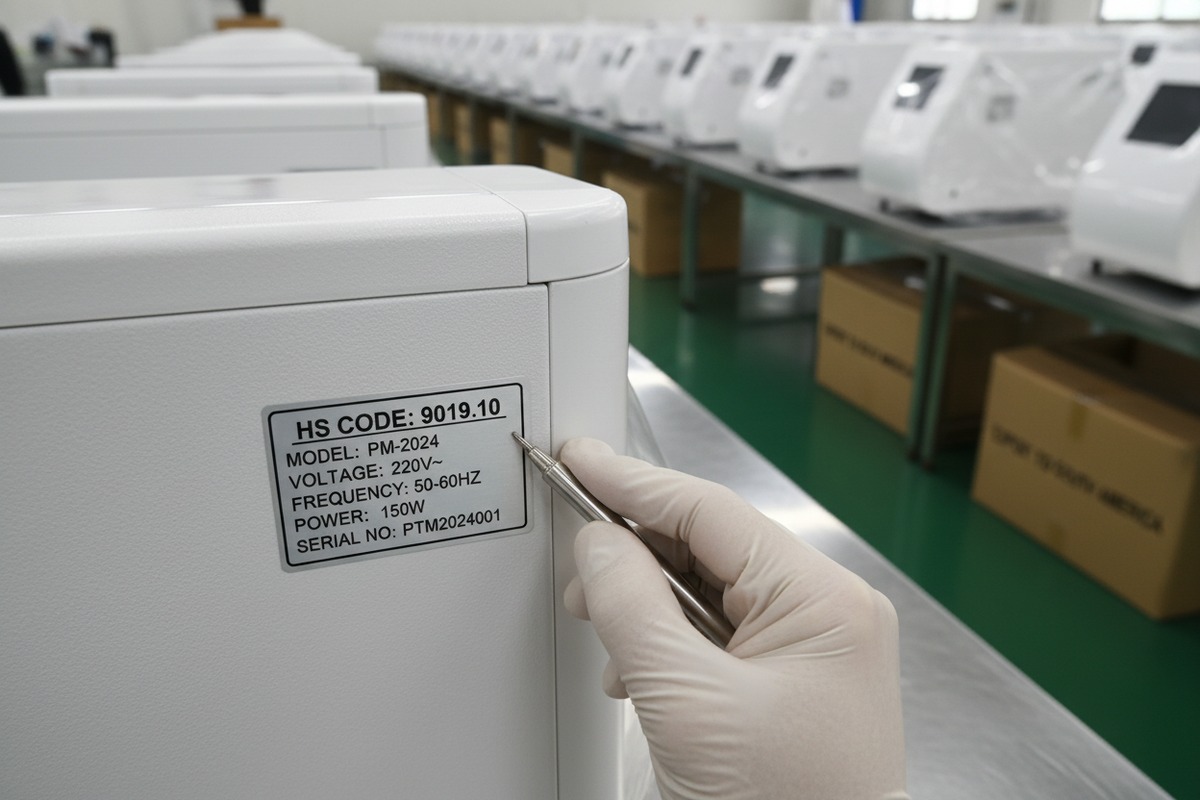
Verifying a supplier’s South American export history requires cross-referencing their business name with global trade databases like ImportGenius or Panjiva using HS codes 9019.10. You must also validate country-specific registration documents, such as ANVISA for Brazil or DIGEMID for Peru, to confirm legal compliance.
Here is how you can systematically audit a potential partner’s background in this complex region.
How can I verify a supplier's Bill of Lading records for pressotherapy machine exports to South America?
When we arrange logistics for clients in Chile or Argentina, we generate specific documentation trails Packaging Compliance (ISPM 15) 2. You need to access these records to prove a supplier’s actual shipping volume and experience.
Access public trade data platforms like UN Comtrade or Panjiva and search for the supplier’s name alongside HS codes 9019.10 (mechanotherapy appliances). Look for recent Bills of Lading specifically destined for South American ports, verifying the frequency, volume, and consignee details to confirm legitimate trade activity.
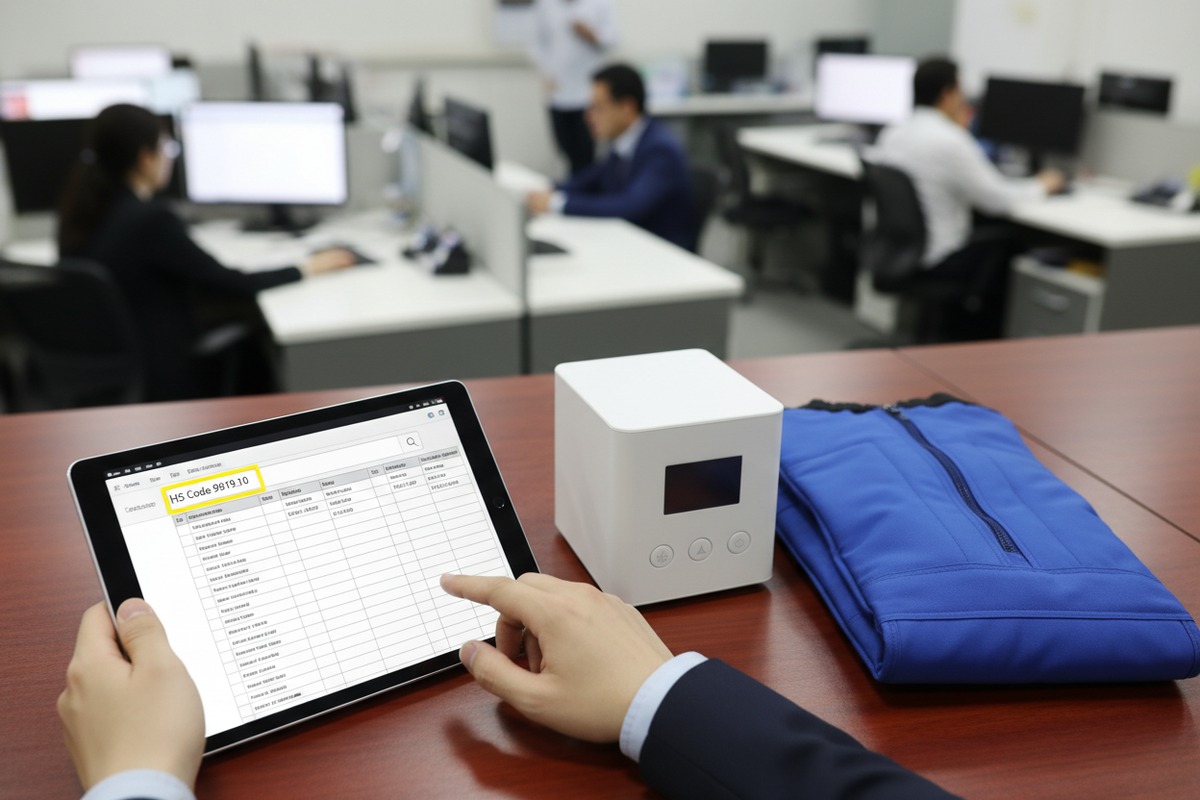
Verifying a supplier's claims requires looking at hard data rather than relying on their marketing brochures. South America is a unique market where import records are often more transparent than in other regions due to strict customs reporting. By accessing global trade databases, you can peel back the layers of a supplier's operation.
Utilizing HS Codes for Precision
The Harmonized System (HS) code 3 is your primary tool for this search. For professional pressotherapy systems—like the sleek, white tabletop units our engineers design—the correct classification is crucial. Misclassification is a common tactic used by inexperienced suppliers to bypass medical device regulations 4, but it leaves no trace in the correct categories.
You should search for the specific codes listed below. If a supplier claims to export "medical grade" beauty equipment but their records only show general electronics or massage tools, that is a significant warning sign.
Key HS Codes for Verification
| HS Code | Description | Relevance to Pressotherapy |
|---|---|---|
| 9019.10 | Mechano-therapy appliances; massage apparatus | Primary Code: Most accurate for professional pressotherapy. |
| 9018.90 | Other instruments and appliances used in medical sciences | Secondary Code: Used if the device has specific medical claims. |
| 8543.70 | Other electrical machines and apparatus | Red Flag: Often used to avoid medical regulation; indicates low compliance. |
Analyzing the Data
Once you have the data, look for consistency. A reliable manufacturer will have a steady stream of shipments, not just a one-off sample sent three years ago. Check the Consignee field in the Bill of Lading. Are they shipping to established medical distributors in São Paulo or Bogotá, or are they shipping to residential addresses?
If the supplier is truly a manufacturer, the "Shipper" field should list their company name. However, many trading companies mask the real source. If you see a different company listed as the shipper, you are likely dealing with a middleman, which complicates your quality control and warranty leverage.
Third-Party Verification
If you do not have access to paid platforms like ImportGenius, you can ask the supplier to provide a redacted Bill of Lading (B/L) from a previous shipment. A legitimate exporter will be happy to cover the buyer's info and show you the date, port of discharge, and commodity description. If they refuse, citing "confidentiality" for generic shipping data, they likely do not have the history they claim.
What specific certifications should I check to ensure my supplier complies with South American medical device regulations?
Our regulatory team spends months securing approvals because South American standards are rigorous. A supplier without specific technical dossiers likely has never successfully entered these markets or understands the requirements.
You must verify country-specific registrations, such as ANVISA for Brazil, INVIMA for Colombia, or ANMAT for Argentina. Additionally, check for a valid Free Sales Certificate (FSC) from the country of origin and technical dossiers translated into Spanish or Portuguese, as standard CE marks are often insufficient alone.
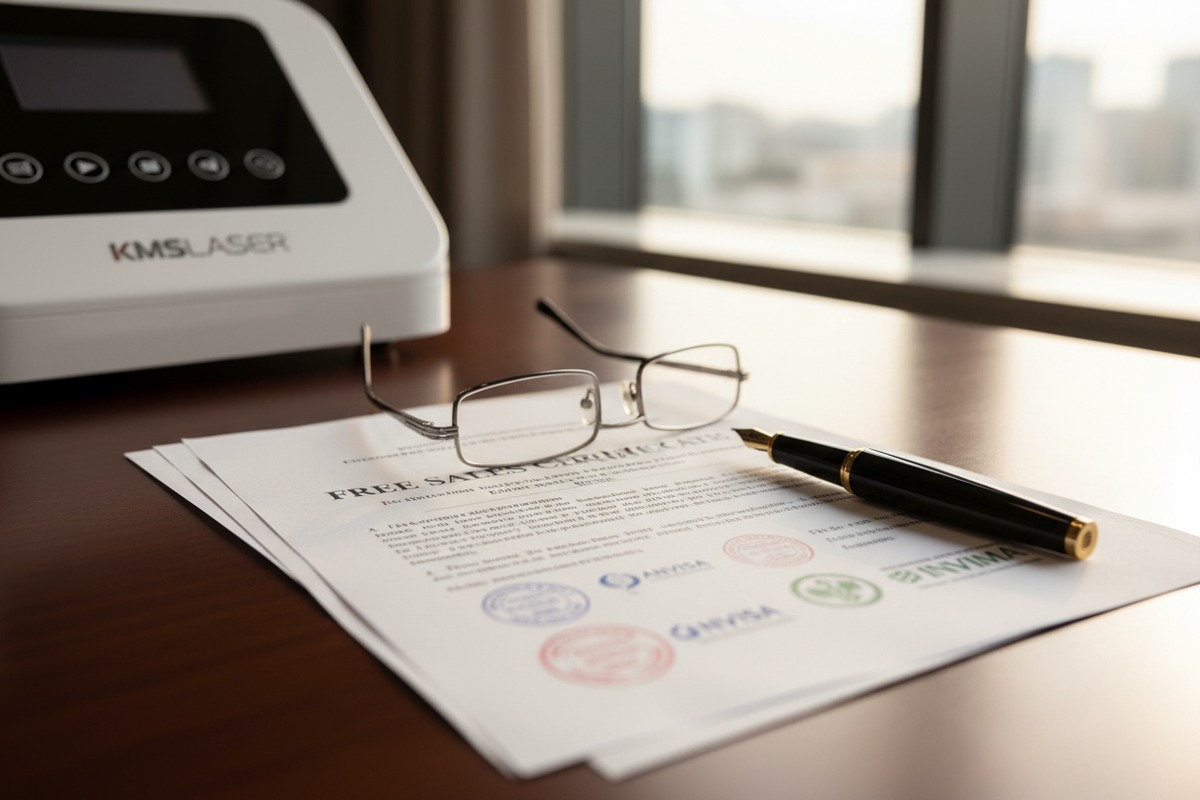
South America is not a monolithic block; it is a patchwork of distinct regulatory environments. Many buyers assume that a standard CE mark (common in Europe) or an FDA registration (USA) will automatically open doors in LATAM. This is a costly misconception. While these international standards help, local authorities demand their own specific registrations.
Country-Specific Regulatory Bodies
Each major market has its own "gatekeeper." If your supplier cannot name these agencies or provide proof of interaction with them, they are likely guessing at the requirements. For a professional pressotherapy machine, which is often classified as a Class II medical device 5, the scrutiny is high.
Key South American Regulatory Agencies
| Country | Agency Name | Requirement Level for Pressotherapy |
|---|---|---|
| Brazil | ANVISA | Very High: Requires GMP audit and local registration holder. |
| Colombia | INVIMA | High: Requires detailed technical dossiers and FSC. |
| Argentina | ANMAT | High: strict import licensing and technical safety tests. |
| Peru | DIGEMID | Moderate: Requires registration based on foreign approvals. |
| Mexico | COFEPRIS | High: Requires sanitary registration and local distributor. |
The "Free Sales Certificate" (FSC)
A critical document you must request is the Free Sales Certificate 6. This document, issued by the government of the manufacturing country (e.g., China), certifies that the products are legally sold in the country of origin. South American authorities, particularly INVIMA and ANVISA, almost always require this.
The FSC must be apostilled or legalized by the embassy of the destination country. A simple photocopy or a PDF without the apostille stamp is legally worthless in customs. If your supplier sends you a generic "Certificate of Compliance" they drafted on Microsoft Word, they are not prepared for this market.
Technical Dossiers and Manuals
In our experience, regulators often reject submissions because the technical manuals are in poor Spanish or Portuguese. The User Manual and the Technical Dossier must be professionally translated.
Ask the supplier: "Do you have the technical dossier ready in Spanish?"
- Good Answer: "Yes, we have the STED (Summary Technical Documentation) format translated for our Colombian clients."
- Bad Answer: "We can use Google Translate," or "English is fine."
Regulatory bodies check for electrical safety standards (IEC 60601 series) 7. Ensure the supplier has test reports from an accredited lab (like TUV or SGS) that are less than two years old. Old reports are frequently rejected.
Can I request case studies from existing South American clients to validate the supplier's export history?
We encourage potential partners to speak with our distributors because real feedback is invaluable. Genuine manufacturers usually have long-term relationships with clinics or wholesalers in the region and can prove it.
Yes, requesting case studies is a powerful verification method. Ask for contactable references or installation photos specifically from South American clinics. Legitimate suppliers should provide anonymized import records or testimonials that detail the machine’s performance, durability in local conditions, and the quality of after-sales technical support.
Requesting references is a standard B2B practice, but in the context of South America, it serves a dual purpose: verifying the product quality and verifying the logistics capability. If a supplier has successfully delivered a bulky pressotherapy machine to a clinic in Buenos Aires or Santiago, they have already solved the logistics puzzle.
What Constitutes a Valid Reference?
Do not settle for a list of first names like "Juan from Brazil." You need verifiable proof. Due to privacy laws (and business competition), suppliers might be hesitant to give you direct phone numbers of their biggest distributors. However, there are alternative ways to validate their history without breaching confidentiality.
Valid vs. Invalid Proof of Export History
| Evidence Type | Credibility Level | What to Look For |
|---|---|---|
| Installation Photos | High | Look for local power outlets (Type N for Brazil), Spanish signage, or recognizable landmarks in the background. |
| Sanitized Invoices | Very High | Commercial invoices with pricing blacked out but showing the destination port and date. |
| WhatsApp Screenshots | Moderate | Chat logs discussing technical details or shipping updates in Spanish/Portuguese. |
| Generic Excel List | Low | Any supplier can type a list of names into a spreadsheet. Ignore this. |
Assessing After-Sales Support
South America presents unique challenges for maintenance. Shipping a broken machine back to China for repair is essentially impossible due to freight costs and re-import taxes. Therefore, the supplier must verify they can support you remotely or send parts.
Ask the supplier to show you a "Service Case Study."
- Question: "Show me an example of how you handled a technical issue for a client in Peru."
- Expectation: They should show a video call log, a DHL tracking number for a spare motherboard, or a troubleshooting guide they sent.
If they claim their machines "never break," be cautious. All machines need maintenance. A supplier who cannot show a history of sending spare parts to the region likely abandons their customers after the sale.
The "Distributor" Test
Ask if they have an exclusive distributor in the country you are targeting. If they say yes, check that distributor's website. Does the distributor carry the brand? If the local distributor is reputable, it is a strong endorsement of the manufacturer's quality. If the "distributor" is a ghost website, the supplier is exaggerating their market presence.
Our logistics department knows that missing a single stamp on a commercial invoice can detain a shipment for weeks. Incoterms and Valuation 8 Experienced suppliers anticipate these bureaucratic hurdles beforehand and prepare accurate paperwork.
Evaluate their knowledge of local import taxes, such as Brazil’s high duties, and specific documentation requirements like the original commercial invoice with a blue ink signature. An experienced supplier will know how to properly classify the pressotherapy machine to avoid customs detention and minimize delays.
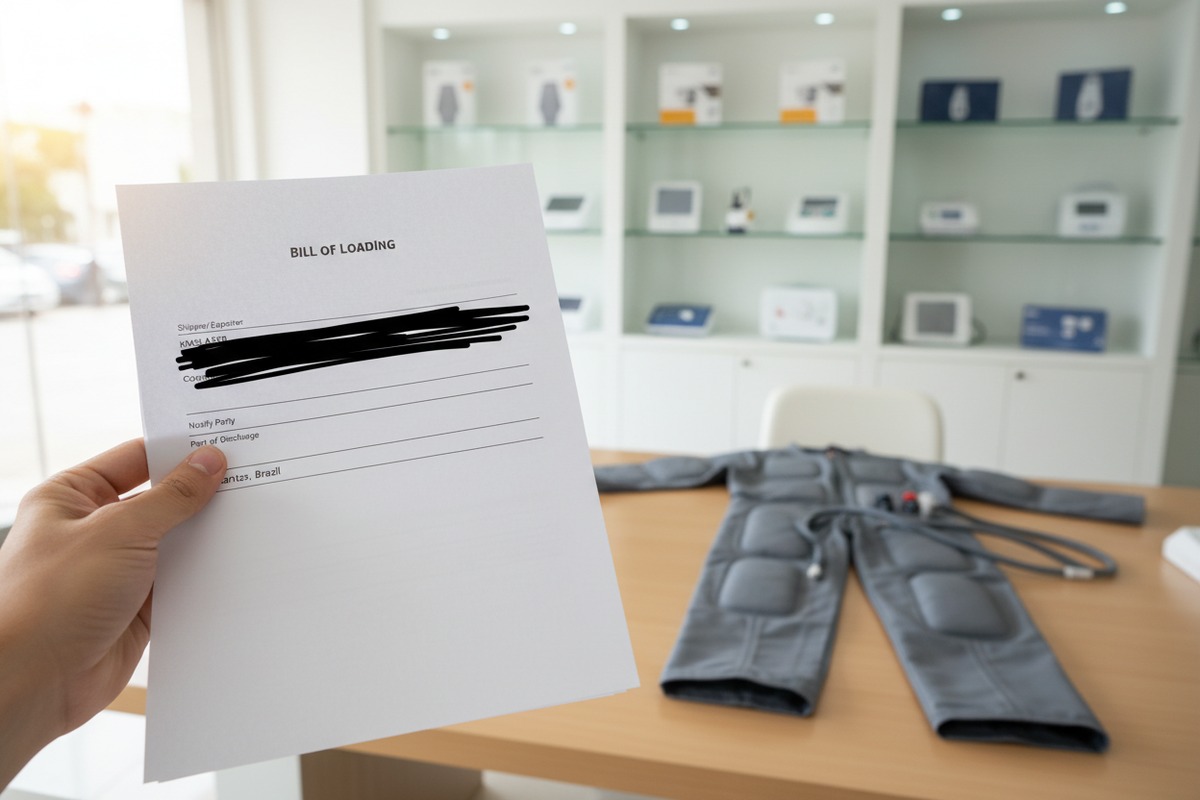
Logistics in South America is not just about moving a box from A to B; it is about documentation compliance. The customs authorities in this region are among the strictest in the world regarding paperwork errors. A supplier who treats a shipment to Brazil the same as a shipment to the US will cause you massive headaches.
The "Blue Ink" Signature Rule
This is a classic test of a supplier's experience. In many South American countries, digital signatures or black ink copies are often rejected. Customs officers demand original Commercial Invoices signed in blue ink to prove they are originals.
- Ask your supplier: "How do you prepare the Commercial Invoice for customs?"
- If they mention courier-ing original, blue-ink signed documents separately or attaching them securely, they know what they are doing.
Packaging Compliance (ISPM 15)
Pressotherapy machines often ship in wooden crates to protect the control unit and the compression suits. South American countries strictly enforce ISPM 15 standards (International Standards for Phytosanitary Measures). Any wooden packaging must be heat-treated and stamped to prevent pests.
- If a supplier ships in raw wood without the IPPC stamp, the entire shipment can be incinerated or returned at your expense.
- Verify their packaging photos. Do you see the "wheat stamp" on the crate?
Electrical and Voltage Variations
The region has varied electrical infrastructure.
- Brazil: Mix of 110V and 220V (60Hz), often depending on the city.
- Argentina/Chile/Peru: Mostly 220V (50Hz).
- Colombia: 110V (60Hz).
An experienced supplier will ask you: "What is the specific voltage and plug type for your client's city?" A novice will just send a standard European 220V plug, rendering the machine unusable in a 110V Colombian clinic without an expensive transformer. This attention to detail is part of the logistics verification.
Incoterms and Valuation
Be wary of suppliers who suggest "under-invoicing" (declaring a lower value) to save on taxes. While this might tempt some buyers, South American customs have sophisticated valuation databases. If they catch under-invoicing, the fines are astronomical, and your company gets blacklisted. A professional supplier will refuse to under-invoice because they value their long-term export ability over a quick, illegal trick.
Conclusion
Verify every claim using data and direct questions. A reliable partner safeguards your investment by navigating compliance complexities, ensuring your pressotherapy machines arrive safely and legally.
Footnotes
1. Explains the purpose and importance of a Bill of Lading in international shipping. ↩︎
2. Replaced ‘HTTP unknown’ error with a comprehensive and accessible Wikipedia page on ISPM 15, a widely recognized standard. ↩︎
3. Official source for the international product classification system. ↩︎
4. Replaced 404 with the official website of the International Medical Device Regulators Forum (IMDRF), an authoritative body for global medical device regulatory convergence. ↩︎
5. Provides a clear definition and regulatory context for Class II medical devices. ↩︎
6. Official government information on obtaining and understanding a Free Sales Certificate. ↩︎
7. Explains the importance and scope of the IEC 60601 series for electrical safety in medical devices. ↩︎
8. Official source for Incoterms rules, defining responsibilities, costs, and risks in international trade. ↩︎

 English
  Español de México
  Deutsch
  Français
  العربية
  Русский