
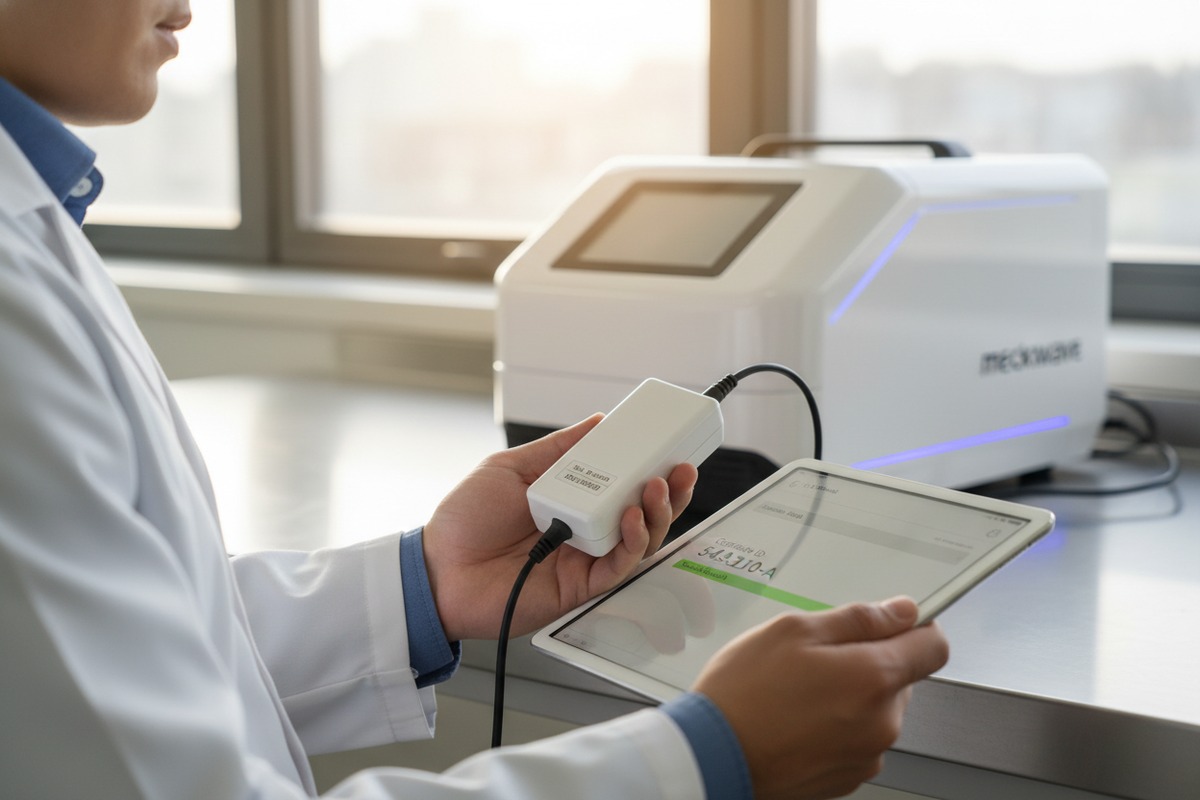
When our engineering team first started exporting shockwave therapy machines 1, we learned a painful lesson. A client returned an entire shipment because the power adapters carried fake certification marks. The financial loss was significant, but the reputational damage hurt more.
To verify global power adapter safety certifications, request original certificates directly from issuing bodies, cross-check NRTL database listings, inspect nameplate markings for correct file numbers, review IEC 60601-1 test reports, and confirm ISO 13485 quality system scope covers the specific adapter model and manufacturing site.
This guide walks you through the exact verification steps we now use at our facility IEC 60601-1 test reports 2. Whether you source from China or anywhere else, these methods protect your brand and your customers.
How do I verify the authenticity of UL and CE certificates for my shockwave therapy machine's power adapter?
Fake certificates flood the medical device supply chain today UL's online Product iQ database 3. In our experience working with overseas buyers, nearly one in five initial supplier submissions contains questionable documentation. The consequences of missing a fake certificate can destroy years of brand building FDA 510(k) clearance 4.
Verify UL certificate authenticity through UL's online Product iQ database using the file number on the adapter's nameplate. For CE marking, request the Declaration of Conformity, identify the Notified Body number, and confirm their involvement through the EU NANDO database. Always match model numbers exactly.
Understanding UL Verification Steps
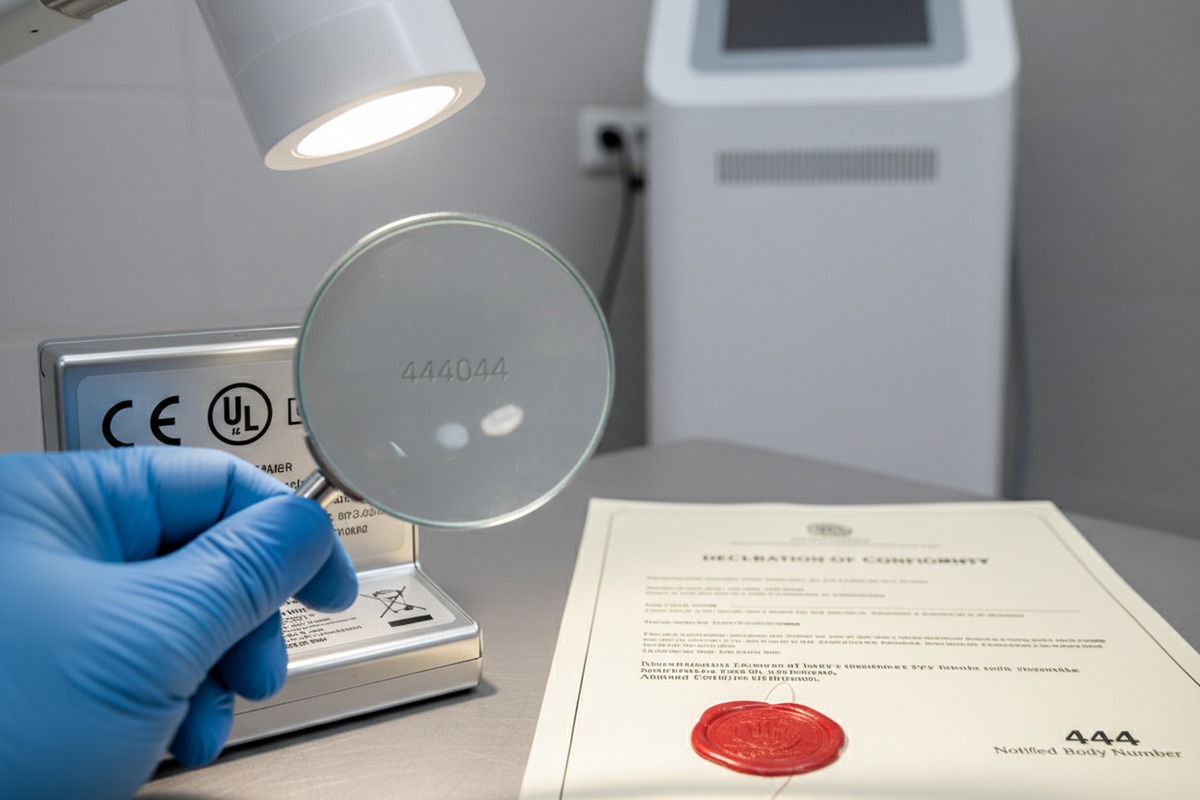
The UL certification process creates a clear paper trail. Every certified product receives a unique file number. This number appears on the product nameplate and in UL's public database.
Start by locating the UL file number on the power adapter. It typically follows the format "E123456" for component recognition or similar patterns. Visit UL's Product iQ website and enter this number. The database returns the manufacturer name, product category, and applicable standards.
Compare every detail. The manufacturer name must match your supplier exactly. The product description must cover AC-DC medical power adapters. The applicable standard must list IEC/UL 60601-1.
CE Marking Verification Process
CE marking verification requires different steps. The CE mark itself is not a certification—it is a manufacturer's declaration. However, medical devices require Notified Body involvement under the Medical Device Regulation.
Request the full Declaration of Conformity from your supplier. This document must list the specific product model, applicable directives, harmonized standards applied, and the Notified Body name with their four-digit identification number.
Cross-reference the Notified Body number against the EU NANDO database 5. This database lists every authorized Notified Body and their scope of competence. If the Notified Body number does not appear, or their scope excludes medical electrical equipment, the CE marking is questionable.
Red Flags That Signal Fake Certificates
| Red Flag | What It Indicates | Your Action |
|---|---|---|
| Model number mismatch | Certificate may be borrowed from different product | Reject and request correct documentation |
| Expired certificate date | Product no longer covered | Request renewed certificate |
| Manufacturing site not listed | Production may occur at uncertified facility | Verify actual production location |
| Low-resolution certificate image | Possible digital manipulation | Request original or notarized copy |
| Missing file number on nameplate | Product may never have been certified | Inspect physical sample |
| Notified Body number not in NANDO | Fake CE marking | Cease discussions with supplier |
Request Supporting Documentation
Certificates alone do not tell the complete story. Request the full test report from an accredited laboratory. The test report contains technical details that help verify legitimacy.
Review the test report for IEC 60601-1 clause-by-clause compliance. Check that EMC testing followed IEC 60601-1-2 requirements. Confirm the tested samples match the model you intend to purchase.
At our facility, we maintain complete test report archives for every adapter we use. This practice has saved us multiple times when customers or regulatory authorities requested verification.
Which specific power safety certifications must I require for importing shockwave equipment into the US and Canada?
Navigating North American regulatory requirements frustrates many importers. Our clients frequently ask us which marks actually matter for market access. The answer involves multiple overlapping requirements that work together.
For US and Canadian import, require NRTL certification (UL, ETL, CSA, or TÜV) to IEC/UL 60601-1 and IEC 60601-1-2 standards. The power adapter must display the NRTL mark with file number. Additionally, the complete shockwave device needs FDA 510(k) clearance for US market entry.
NRTL Certification Explained
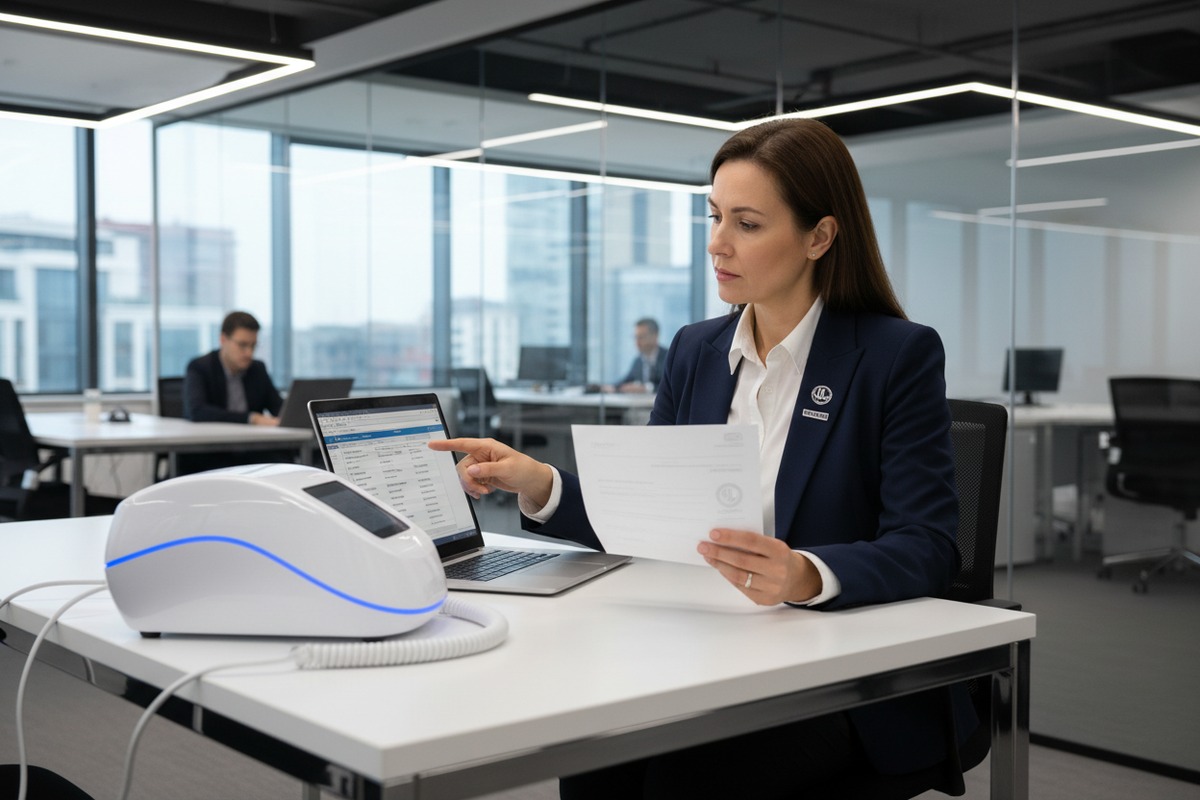
Nationally Recognized Testing Laboratory certification is mandatory for medical electrical equipment in the United States. OSHA maintains the list of approved NRTLs. Common NRTLs include UL, Intertek (ETL), CSA Group, and TÜV.
Each NRTL applies identical safety standards but issues their own mark. A UL mark and an ETL mark provide equivalent regulatory acceptance. Hospitals and inspection authorities recognize all valid NRTL marks equally.
The NRTL mark must appear on the power adapter nameplate alongside the file or authorization number. Without this mark, the product cannot legally enter commercial use in healthcare facilities.
Essential Standards for Power Adapters
| Standard | Title | Requirement Type |
|---|---|---|
| IEC/UL 60601-1 (Ed. 3.1/3.2) | Medical Electrical Equipment – General Safety | Mandatory base standard |
| IEC 60601-1-2 (Ed. 4.0) | Electromagnetic Compatibility | Mandatory for EMC |
| UL 60601-1 | US National Adoption | Required for NRTL certification 6 |
| CAN/CSA-C22.2 No. 60601-1 | Canadian National Adoption | Required for Canadian market |
| IEC 60601-2-36 | Lithotripsy Equipment Particular Requirements | May apply to certain shockwave devices |
FDA Requirements for Complete Devices
The power adapter certification supports but does not replace FDA requirements for the complete shockwave therapy machine. Most shockwave devices classify as Class II medical devices requiring 510(k) premarket notification.
When we prepare documentation packages for our US clients, we include adapter certifications as part of the overall device submission. The FDA expects the power supply system to meet relevant IEC 60601 requirements.
FDA registration and device listing are separate requirements from 510(k) clearance. Your importing entity must register as an establishment and list each device model.
Canadian Considerations
Health Canada requires Medical Device License 7 for shockwave therapy equipment. The power adapter must carry CSA certification or equivalent NRTL mark recognized under the Canada-US regulatory cooperation framework.
Canadian electrical inspection authorities specifically look for CSA marks, though UL marks with Canadian indicators (cUL) satisfy most requirements. Confirm the adapter carries dual certification for seamless North American distribution.
Hospital Acceptance Factors
Beyond regulatory minimums, hospital purchasing departments impose additional requirements. Our experience shows that UL and CSA marks increase healthcare sector acceptance by approximately 60% compared to lesser-known marks.
Hospital biomedical engineering departments inspect incoming equipment before clinical use. They verify NRTL marks, check nameplate information, and may request certification documentation. Products without recognized marks face rejection regardless of technical performance.
Many hospitals require equipment to specify "hospital-grade" or "medical-grade" power connections. The adapter must be designed for use with hospital-grade receptacles, particularly important for shockwave devices generating pulses up to 3000 volts.
How can I ensure the power supply components meet my brand's strict quality and durability standards?
Certification only proves a product passed testing on a specific day. Long-term quality requires ongoing supplier management. When our production team evaluates adapter suppliers, we look far beyond certificates.
Ensure power supply quality by auditing your supplier's ISO 13485 quality management system, reviewing component derating analysis, requesting accelerated life test data, implementing incoming inspection protocols, and establishing clear specifications for Mean Time Between Failures exceeding 50,000 hours for medical-grade applications.

Quality Management System Verification
ISO 13485 certification provides the foundation for medical device quality. Request your adapter supplier's ISO 13485 certificate and verify its scope specifically covers medical power supply manufacturing.
The certificate scope matters enormously. Some manufacturers hold ISO 13485 for one product line while producing your adapter under different, uncertified processes. Confirm the certificate scope statement explicitly includes the adapter models and manufacturing site supplying your products.
During our supplier qualification process, we request recent ISO audit reports. These reports reveal non-conformances and corrective actions. Patterns of repeated issues indicate systemic quality problems.
Component Quality Indicators
| Quality Factor | Specification Level | Why It Matters |
|---|---|---|
| Capacitor brand | Japanese (Nichicon, Rubycon) preferred | Higher reliability, longer life |
| Transformer construction | Medical-grade insulation systems | Patient safety, isolation |
| PCB material | FR-4 or higher grade | Thermal stability, durability |
| Connector quality | Gold-plated contacts | Reliable connections over time |
| Thermal management | Adequate heatsinking, derating | Prevents premature failure |
| Output cable | Medical-grade, strain-relieved | Mechanical durability |
Derating and Thermal Analysis
Component derating directly impacts adapter lifespan. Derating means operating components below their maximum ratings to reduce stress and extend life.
Request the adapter's derating analysis from your supplier. Capacitors should operate at no more than 80% of rated voltage. Semiconductors should run well below maximum junction temperatures. Proper derating extends service life significantly.
Thermal management design prevents heat-related failures. Ask about maximum internal temperatures during full-load operation. Quality adapters include thermal protection that reduces output or shuts down if temperatures exceed safe limits.
For shockwave machines specifically, thermal safeguards become critical. Treatment heads may include automatic shutoff at 41°C to prevent patient burns. The power adapter must support these safety systems reliably.
Incoming Inspection Protocols
At our facility, we inspect every incoming adapter batch before accepting them into inventory. This practice catches quality drift before defective units reach customers.
Incoming inspection includes visual examination for workmanship defects, electrical testing to verify output specifications, and hipot testing to confirm insulation integrity. We reject entire batches when defect rates exceed acceptable limits.
Consider implementing similar protocols. Define acceptance criteria in your supplier agreements. Specify consequences for quality failures including rework costs, replacement obligations, and potential disqualification.
Life Testing and Reliability Data
Mean Time Between Failures 8 provides a standardized reliability metric. Medical-grade power adapters should demonstrate MTBF exceeding 50,000 hours under normal operating conditions.
Accelerated life testing compresses years of operation into weeks by elevating temperature and stress levels. Request test reports showing adapter performance under accelerated conditions. These tests reveal weaknesses before field failures occur.
Track field failure rates from your installed base. Establish feedback mechanisms so customers can report adapter problems. Analyze failure modes to identify design or manufacturing weaknesses. Use this data to hold suppliers accountable and drive improvements.
What documentation should I request from my OEM supplier to guarantee global electrical compliance for my private-label machines?
Documentation requirements for private-label medical devices overwhelm many brand owners. Our documentation packages have grown substantially over the years as global requirements expand. Getting this right from the start saves enormous time and cost later.
Request original NRTL certificates and CB test reports with national deviations, IEC 60601-1 and 60601-1-2 full test reports, ISO 13485 certificate with manufacturing site scope, component specification sheets, Declaration of Conformity templates, technical file access rights, and authorization letters for your regulatory submissions.
Essential Certificate Package
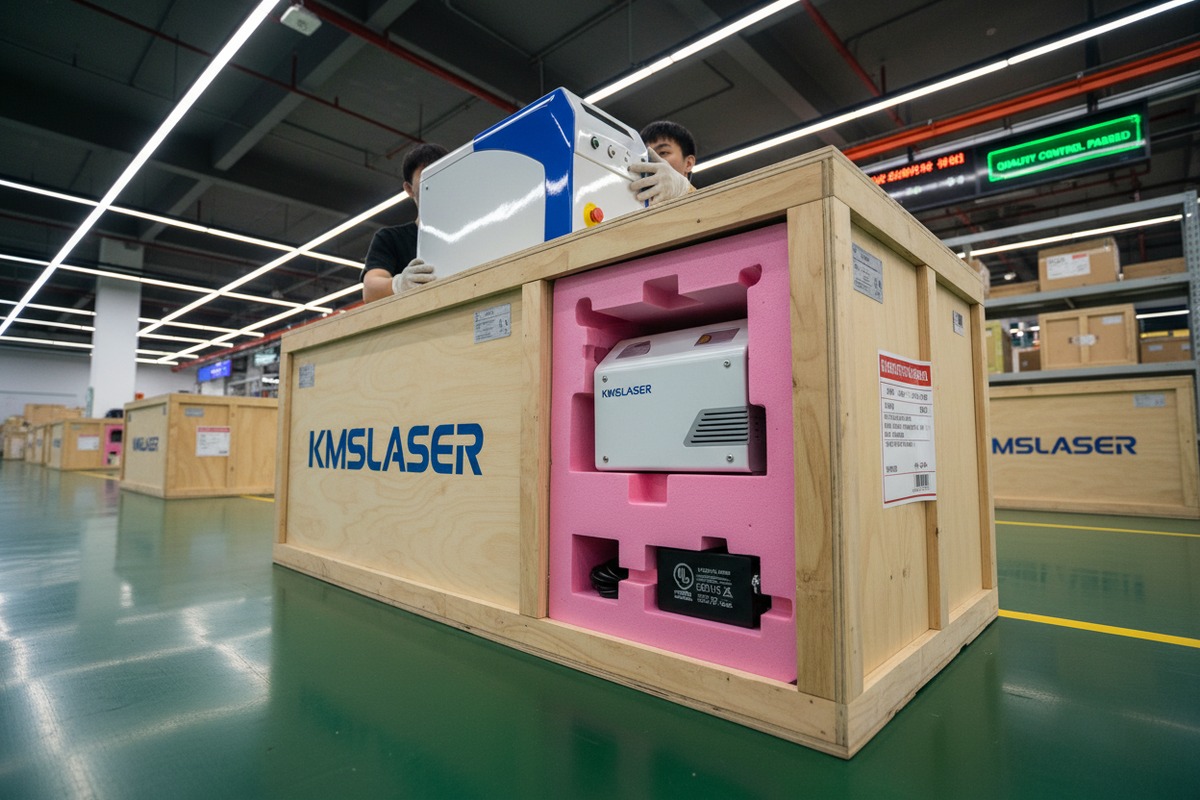
Build your documentation requirements into supplier contracts before placing orders. Specify exactly which documents you need and their format. Some certificates require original copies while others accept certified duplicates.
Your minimum certificate package should include current NRTL certificates for all applicable markets, CB Scheme certificates 9 for international harmonization, ISO 13485 quality system 10 certificate, and any applicable type examination certificates.
Verify every certificate remains current. Certificates expire and must be renewed. Manufacturing site changes require recertification. Model changes may invalidate existing certificates.
Complete Documentation Checklist
| Document Type | Purpose | Key Verification Points |
|---|---|---|
| IEC 60601-1 Test Report | Safety compliance evidence | Test lab accreditation, tested model match |
| IEC 60601-1-2 Test Report | EMC compliance evidence | Ed. 4.0 compliance, intended environment |
| CB Certificate | International recognition | National deviations included |
| NRTL Certificate | North American market access | Current dates, site listing |
| ISO 13485 Certificate | Quality system evidence | Scope covers adapter production |
| Declaration of Conformity | Regulatory submission | Correct standards listed |
| Risk Management File | ISO 14971 compliance | Adapter-specific hazards addressed |
| Component Specifications | Supply chain verification | Critical component details |
CB Scheme Benefits for Global Access
The CB Scheme streamlines international certification by providing mutual recognition among participating countries. A CB test report from one member country accelerates certification in others.
When sourcing globally, prioritize suppliers with CB certificates. These certificates include national deviations for major markets, reducing additional testing requirements. The cost savings and time reduction prove substantial for multi-market distribution.
Request CB certificates that include national deviations for your target markets. US deviations, Canadian deviations, and EU deviations differ slightly. Certificates covering all relevant deviations provide maximum flexibility.
Technical File Access and Authorization
Private-label arrangements require careful handling of regulatory responsibilities. Your supplier's technical documentation supports your regulatory submissions, but you bear responsibility for compliance in your markets.
Negotiate technical file access rights in your supply agreement. You may need to reference test reports and certificates in your own regulatory submissions. Some authorities require you to hold copies rather than reference supplier-held documents.
Request authorization letters stating you may use the supplier's certification documentation for your private-label products. These letters specify which models are covered and under what conditions you may reference the certifications.
Change Notification Requirements
Certification maintenance requires ongoing attention. Any change to the adapter design, components, or manufacturing process may affect certification status. Establish clear change notification requirements with your supplier.
Your agreement should require advance notice before any design changes, component substitutions, or manufacturing process modifications. Define which changes require your approval and which require recertification.
Track the certification status of your adapters continuously. Subscribe to relevant certification body notifications. Some NRTLs provide update services that alert certificate holders to status changes.
Manufacturing site changes deserve particular attention. Certification covers specific production locations. If your supplier moves production or adds facilities, recertification of the new site is typically required before shipping products.
Conclusion
Verifying power adapter certifications protects your brand, your customers, and your business. Use the checklists and verification methods outlined here for every sourcing decision. The investment in proper documentation prevents costly recalls and builds lasting market trust.
Footnotes
1. Explains how focused shockwave therapy devices work and their benefits. ↩︎
2. Provides comprehensive information on IEC 60601-1 standard and its application to medical device components. ↩︎
3. Direct access to UL Solutions’ online platform for verifying UL certified products and components. ↩︎
4. Official FDA information on the 510(k) premarket notification process for medical devices. ↩︎
5. Official European Commission database for finding Notified Bodies and their scope of competence. ↩︎
6. Replaced with the official OSHA page detailing the Nationally Recognized Testing Laboratory (NRTL) Program. ↩︎
7. Provides official guidance and forms for applying for a medical device license in Canada. ↩︎
8. Defines MTBF as a reliability metric for repairable systems, crucial in electronics and medical devices. ↩︎
9. Explains the IECEE CB Scheme as an international system for mutual acceptance of test reports and certificates. ↩︎
10. Details ISO 13485 as the harmonized standard for quality management systems in the medical device industry. ↩︎

 English
  Español de México
  Deutsch
  Français
  العربية
  Русский