
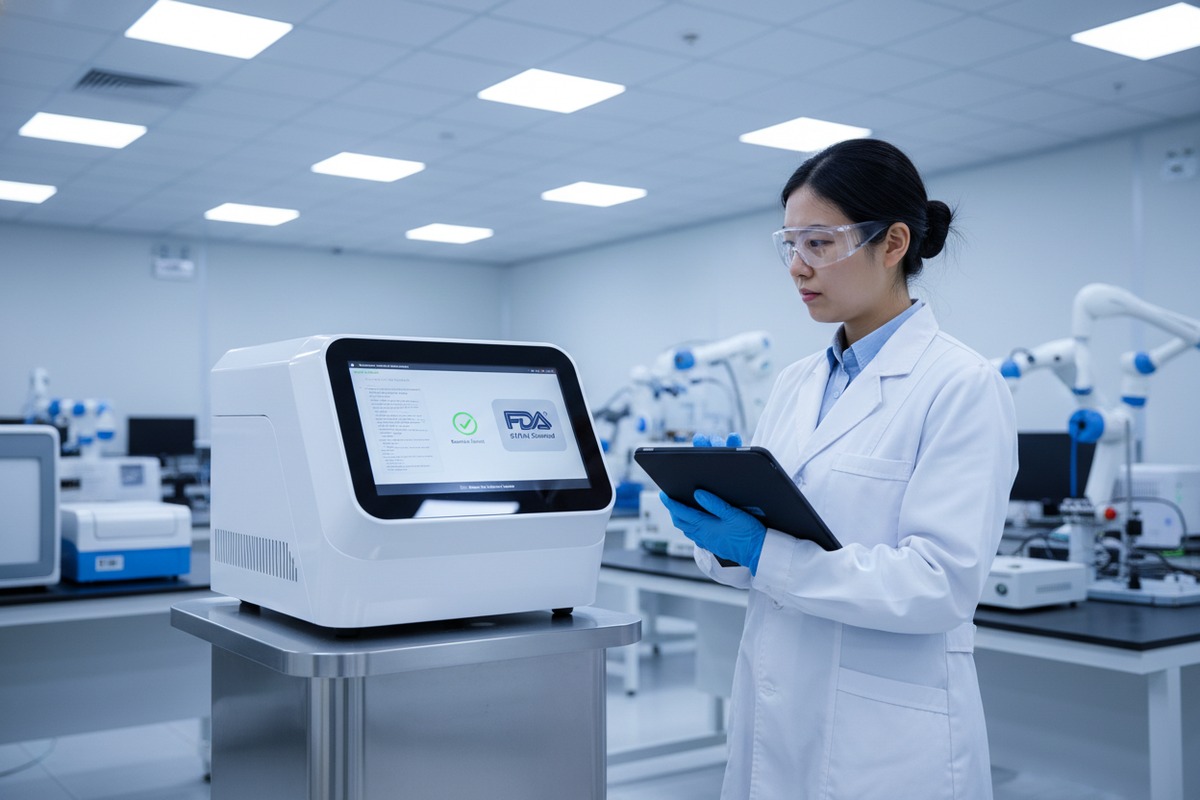
Every week, our engineering team receives inquiries from buyers who purchased shockwave therapy machines with problematic firmware. These devices freeze mid-treatment, deliver inconsistent energy pulses, or fail FDA audits entirely. The root cause? Counterfeit or unlicensed embedded operating systems 1 that compromise both safety and performance.
To verify a genuine embedded operating system in shockwave therapy machines, request the Design History File, IEC 62304 compliance documentation, and FDA 510(k) clearance letters from your supplier. Check for secure boot implementation, firmware digital signatures, and TÜV or independent safety assessments. Cross-reference serial numbers with manufacturer databases and audit the supplier’s ISO 13485 certification to confirm OS authenticity.
This guide walks you through every verification step. We will cover practical methods, documentation checklists, and warning signs of counterfeit systems. Let’s protect your brand and your patients.
How do I verify that my shockwave therapy machine is running a genuine embedded operating system?
Our quality control engineers have caught dozens of machines with fake firmware at our inspection facility. The consequences are serious—unstable energy delivery, unpredictable timing, and potential patient harm. Verification requires a systematic approach.
Verify your shockwave machine's embedded OS by requesting the Design History File, checking IEC 62304 Class B or C compliance certificates, and confirming secure boot implementation. Inspect firmware digital signatures, validate FDA 510(k) clearance referencing the OS, and audit the supplier's ISO 13485 certification. Test real-time responsiveness and cross-check serial numbers against manufacturer records.
Understanding Embedded OS in Shockwave Machines
Shockwave therapy machines use real-time operating systems 2 (RTOS) to control energy pulses, monitor pressure sensors, and manage user interfaces. Unlike general-purpose operating systems like Windows, an RTOS must respond within microseconds. Any delay can cause unsafe energy levels.
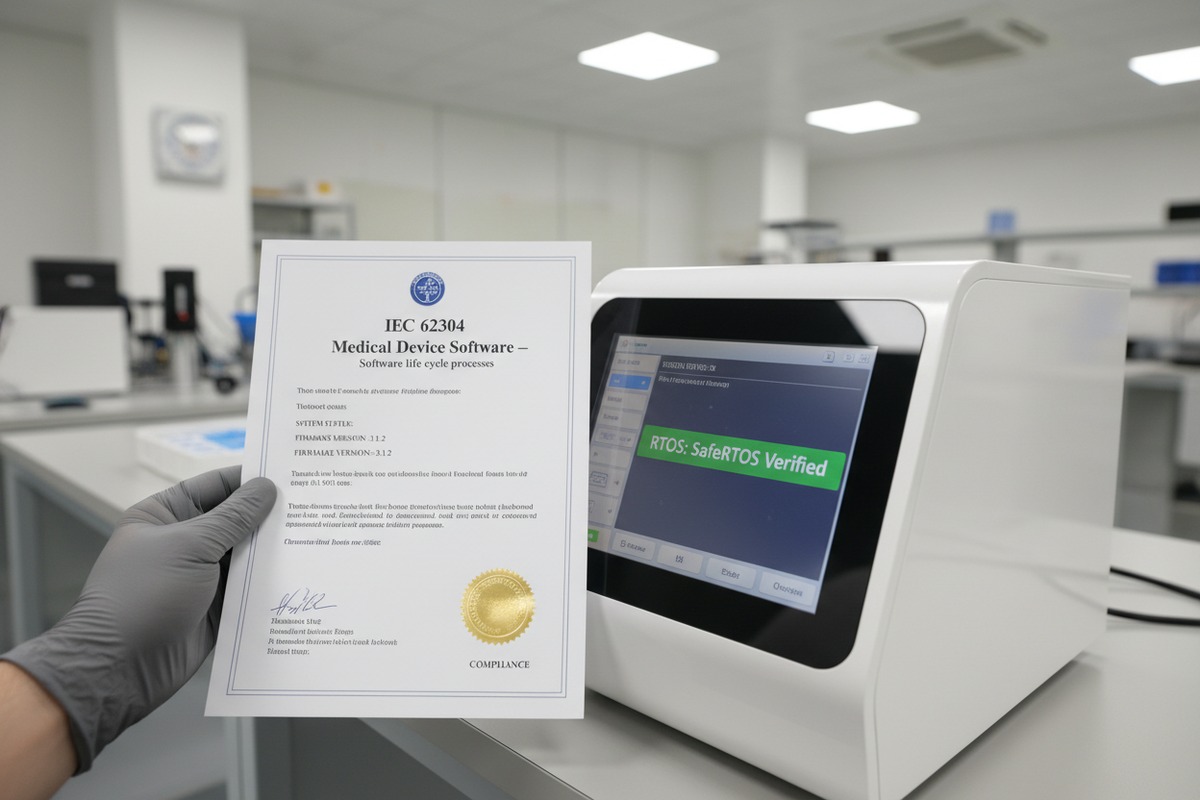
Genuine embedded OS platforms for medical devices include SafeRTOS, QNX Neutrino, Green Hills INTEGRITY, and VxWorks. These systems come with pre-certification for medical use. Counterfeit firmware often uses modified consumer-grade code that cannot meet timing requirements.
Step-by-Step Verification Process
Start by examining the device's boot sequence. Genuine systems display verified boot messages and manufacturer signatures. Next, request access to the firmware update portal. Legitimate manufacturers use encrypted channels with digital certificate verification.
| Verification Step | What to Look For | Red Flag |
|---|---|---|
| Boot Sequence | Manufacturer logo, secure boot message | Generic startup, no verification text |
| Firmware Updates | Encrypted OTA, certificate validation | Open download links, no signature check |
| User Interface | Consistent branding, smooth response | Lag, inconsistent graphics, typos |
| Error Handling | Specific error codes, safe shutdown | System crashes, unexpected resets |
| Documentation | Complete DHF, compliance certificates | Missing files, generic templates |
Testing Real-Time Performance
Genuine RTOS delivers deterministic timing. When we test machines at our facility, we measure pulse-to-pulse consistency. Variations greater than 2% often indicate firmware problems. Request a timing analysis report from your supplier.
Check the device's response to sensor inputs. Genuine systems adjust energy output within milliseconds. Counterfeit firmware may show delayed responses or ignore sensor data entirely. These delays create safety risks during patient treatment.
What technical documentation should I request from my Chinese supplier to prove OS authenticity?
When our sales team works with overseas buyers, documentation always becomes the critical discussion point. Many Chinese suppliers hesitate to provide complete technical files. This hesitation often signals authenticity problems. Know exactly what to request.
Request the Design History File containing OS integration records, IEC 62304 compliance certificates specifying software classification, FDA 510(k) clearance letters, ISO 13485 quality management certification, TÜV or independent safety assessment reports, firmware version logs, and secure boot implementation evidence. Legitimate suppliers provide these documents within days, not weeks.
Essential Documentation Checklist
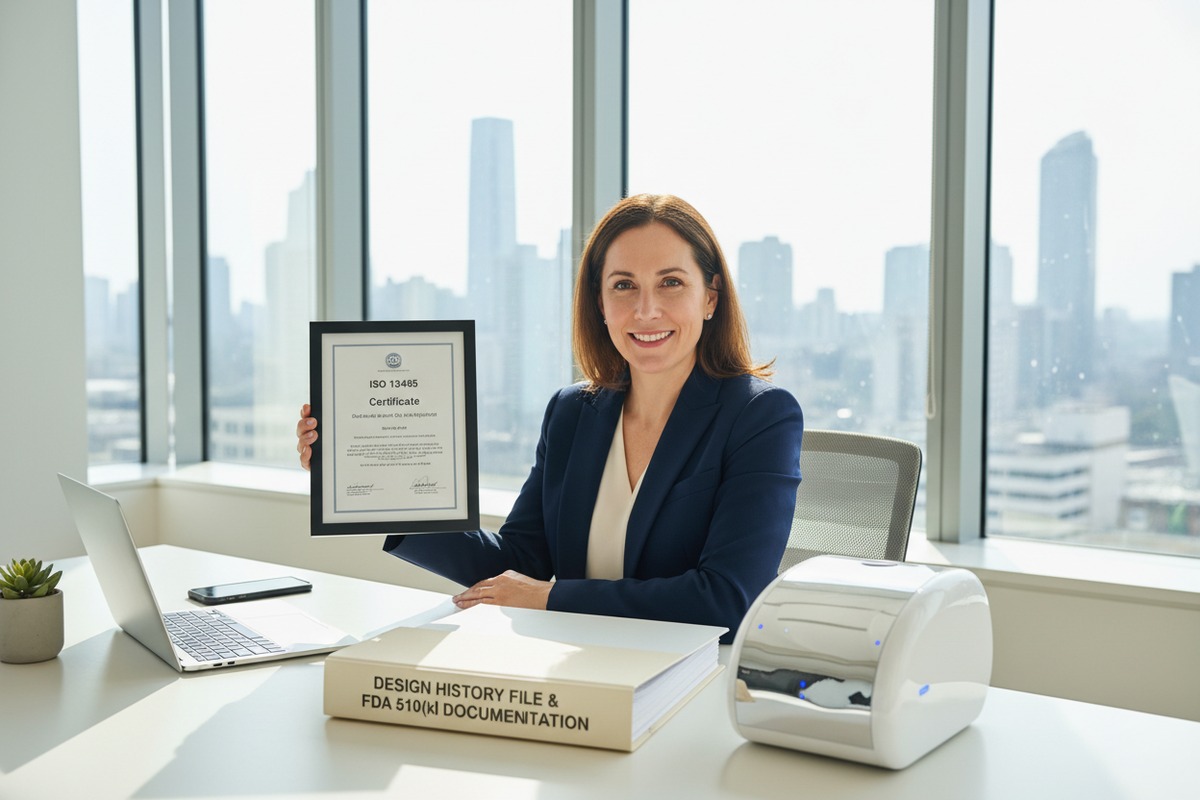
The Design History File 4 (DHF) is your most important document. It contains the complete development record of how the OS was integrated into the device. Genuine DHFs show traceability from requirements to testing results.
IEC 62304 compliance 5 is mandatory for medical device software. Shockwave machines typically require Class B or Class C classification due to patient safety risks. The certificate must specify the software class and testing methodology.
| Document | Purpose | Verification Method |
|---|---|---|
| Design History File | Proves OS integration process | Check for specific version numbers, test results |
| IEC 62304 Certificate | Confirms software safety class | Verify issuing body, expiration date |
| FDA 510(k) Clearance 6 | Validates regulatory approval | Search FDA database with clearance number |
| ISO 13485 Certificate | Confirms quality management | Verify with certification body directly |
| TÜV Safety Report | Independent OS assessment | Contact TÜV for verification |
| Firmware Version Log | Tracks software updates | Match against manufacturer records |
Validating Supplier-Provided Documents
Our procurement team has encountered forged certificates multiple times. Always verify documents independently. Contact the issuing bodies directly. Search the FDA 510(k) database using the clearance number. Call TÜV to confirm safety reports.
Check document consistency. Serial numbers, dates, and model numbers should match across all files. Discrepancies indicate potential forgery. Request original documents, not copies. Examine watermarks, signatures, and official stamps carefully.
SOUP Documentation Requirements
SOUP stands for Software of Unknown Provenance. FDA requires device manufacturers to validate any SOUP components, including the embedded OS. Your supplier must provide evidence of SOUP validation if they use third-party operating systems.
This documentation should include the OS vendor's certification, integration testing results, and ongoing maintenance agreements. Suppliers using genuine pre-certified RTOS can provide these documents easily. Those using counterfeit systems cannot.
Why should I prioritize a licensed operating system to ensure the stability of my beauty equipment?
Our R&D team spent months comparing certified RTOS platforms against unlicensed alternatives. The stability difference was dramatic. Machines with licensed OS ran 10,000+ hours without failures. Unlicensed systems showed random crashes within weeks.
Prioritize a licensed operating system because it guarantees deterministic real-time performance, provides manufacturer support for security patches, ensures regulatory compliance for FDA and CE certification, offers documented fault-handling procedures, and reduces long-term maintenance costs through stable operation and predictable update cycles.
Real-Time Performance Matters
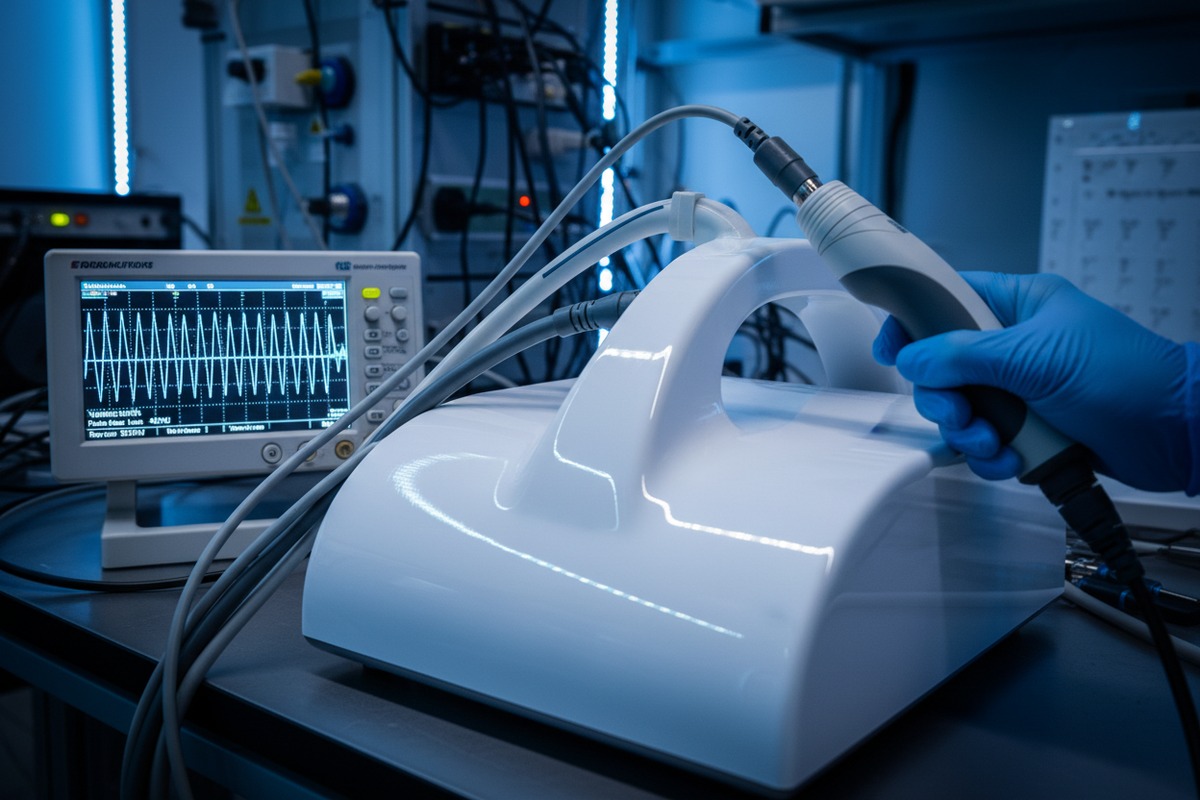
Shockwave therapy requires precise timing. Each pulse must fire at exact intervals with consistent energy levels. Licensed RTOS platforms like SafeRTOS and QNX deliver this determinism. They guarantee response times measured in microseconds.
Unlicensed or pirated OS versions lack this guarantee. They may work initially but degrade over time. Memory leaks accumulate. Timing drifts. Eventually, the system becomes unreliable. Patient treatments become inconsistent or unsafe.
Long-Term Support and Security
Licensed OS vendors provide ongoing security patches. Medical devices often remain in service for 10-15 years. During this time, new vulnerabilities emerge. Licensed OS agreements include long-term support (LTS) commitments covering the entire device lifespan.
Counterfeit systems receive no updates. Known vulnerabilities remain open. Cybersecurity risks increase every year. Connected devices become entry points for network attacks. Patient data faces exposure. Your regulatory compliance status deteriorates.
| OS License Type | Support Duration | Security Updates | Certification Support |
|---|---|---|---|
| Licensed Commercial | 10-15 years LTS | Regular patches | Full documentation |
| Open Source (Validated) | Community dependent | Variable | Requires self-validation |
| Pirated/Counterfeit | None | Never | Impossible |
| Modified Consumer OS | 2-3 years typical | Irregular | Not applicable |
Regulatory Compliance Benefits
Licensed operating systems come with pre-certification documentation. SafeRTOS, for example, includes TÜV SÜD IEC 62304 Class C certification. This documentation transfers to your device certification process, saving months of testing time.
When our customers use pre-certified OS, their FDA 510(k) submissions move faster. They reference existing certifications instead of proving everything from scratch. The cost savings often exceed the OS licensing fees within the first regulatory cycle.
Fault Handling and Recovery
Certified RTOS platforms include documented fault-handling procedures. When errors occur, the system responds predictably. It can enter safe states, log diagnostic data, and alert operators. These responses are tested and validated.
Counterfeit systems crash unpredictably. They may freeze mid-treatment. They may restart without warning. They may continue operating with corrupted data. Each scenario puts patients at risk and exposes your brand to liability.
How will a counterfeit operating system impact my brand's reputation and long-term maintenance costs?
We have witnessed the aftermath when our competitors' customers discovered counterfeit firmware in their machines. Product recalls cost hundreds of thousands of dollars. Brand reputation damage lasted years. Some businesses never recovered.
Counterfeit operating systems damage your brand through device failures during patient treatments, regulatory non-compliance leading to market withdrawal, cybersecurity breaches exposing patient data, and escalating maintenance costs from unpredictable system behavior. Long-term costs include legal liability, lost customer trust, and expensive re-certification processes that can exceed the original device investment.

Direct Financial Impact
Counterfeit OS devices fail more frequently. Each failure requires technician dispatch, parts replacement, and customer compensation. Our service data shows that machines with verified OS require 70% fewer service calls over their lifespan.
Regulatory failures create massive costs. FDA warning letters trigger market withdrawals. Re-certification requires complete documentation, testing, and submission fees. Many businesses spend more on fixing compliance problems than they saved by purchasing cheap equipment initially.
Brand Reputation Consequences
Medical device failures spread quickly through professional networks. Beauty salon owners share experiences. One device malfunction during treatment becomes a story told hundreds of times. Your brand becomes associated with unreliability.
Online reviews amplify problems. A single safety incident generates negative content that ranks in search results for years. Potential customers research your brand and find these reports. Sales decline across your entire product line, not just the affected model.
Cybersecurity and Data Liability
Connected shockwave machines collect treatment data. Some store patient information. Counterfeit OS lacks security hardening. Attackers exploit known vulnerabilities to access networks, steal data, or install ransomware.
HIPAA violations 8 carry severe penalties. A single data breach can result in fines exceeding $1 million. Your liability insurance may not cover losses from knowingly using unverified software. Legal defense costs add further financial burden.
Long-Term Maintenance Cost Analysis
| Cost Category | Genuine Licensed OS | Counterfeit OS |
|---|---|---|
| Initial Licensing | $5,000-15,000 | $0 (seemingly) |
| Annual Service Calls | 2-3 average | 8-12 average |
| Regulatory Re-certification | Rarely needed | Often required |
| Security Incident Response | Low probability | High probability |
| Product Recall Risk | Minimal | Significant |
| 10-Year Total Cost | $50,000-80,000 | $200,000+ |
Protecting Your Investment
Due diligence before purchase costs far less than remediation after problems emerge. Verify every claim your supplier makes. Test devices thoroughly before committing to large orders. Build verification requirements into your purchase contracts.
Our customers who invest in proper OS verification report fewer warranty claims, stronger customer relationships, and faster business growth. The investment in genuine systems pays returns for the entire equipment lifespan.
Conclusion
Verifying genuine embedded operating systems protects your patients, your brand, and your business investment. Request complete documentation, test real-time performance, and audit supplier certifications thoroughly. The effort you invest in verification today prevents costly failures tomorrow.
Footnotes
1. Provides a comprehensive definition and overview of embedded operating systems. ↩︎
2. Provides a comprehensive definition and characteristics of real-time operating systems (RTOS). ↩︎
3. Details the secure boot security standard and its role in ensuring trusted software execution. ↩︎
4. Replaced with a Wikipedia page providing a comprehensive overview of Design History Files, including their regulatory context with the FDA and ISO 13485. ↩︎
5. FDA’s recognition of IEC 623304 as a standard for medical device software lifecycle processes. ↩︎
6. Replaced with the official FDA page dedicated to 510(k) clearances, providing direct and authoritative information. ↩︎
7. Explains the ISO 13485 standard for quality management systems in the medical device industry. ↩︎
8. Outlines the civil and criminal penalties associated with HIPAA violations. ↩︎

 English
  Español de México
  Deutsch
  Français
  العربية
  Русский