
When our production team assembles pressotherapy machines on the factory floor, we see firsthand how supply chain ethics shape long-term partnerships BSCI social audit compliance 1. US buyers often ask us for proof that factories meet social compliance standards.
To verify BSCI social audit compliance when sourcing pressotherapy machines, request your supplier’s latest BSCI audit report via the amfori Sustainability Platform, check the rating (A to E), confirm validity within the two-year cycle, review any corrective action plans for non-conformities, and validate through third-party auditing bodies like TÜV Rheinland or SGS.
This guide walks you through each step of verification ethical labor 2. We cover how to spot red flags, what labor standards matter most, and why compliance protects your brand in the US market.
How can I verify the authenticity of my supplier's BSCI audit report for pressotherapy machines?
When we receive audit requests from overseas partners, the first concern is always authenticity ISO 13485 certification 3. Fake or expired reports can expose your brand to serious risks. Verifying the real status of a supplier's BSCI compliance requires a clear process.
Verify authenticity by accessing the amfori Sustainability Platform directly, where audit reports are uploaded by approved auditing bodies. Check the audit date, rating, and whether the supplier is linked to an amfori member. Cross-reference the auditing firm with amfori's list of approved monitoring partners to confirm legitimacy.
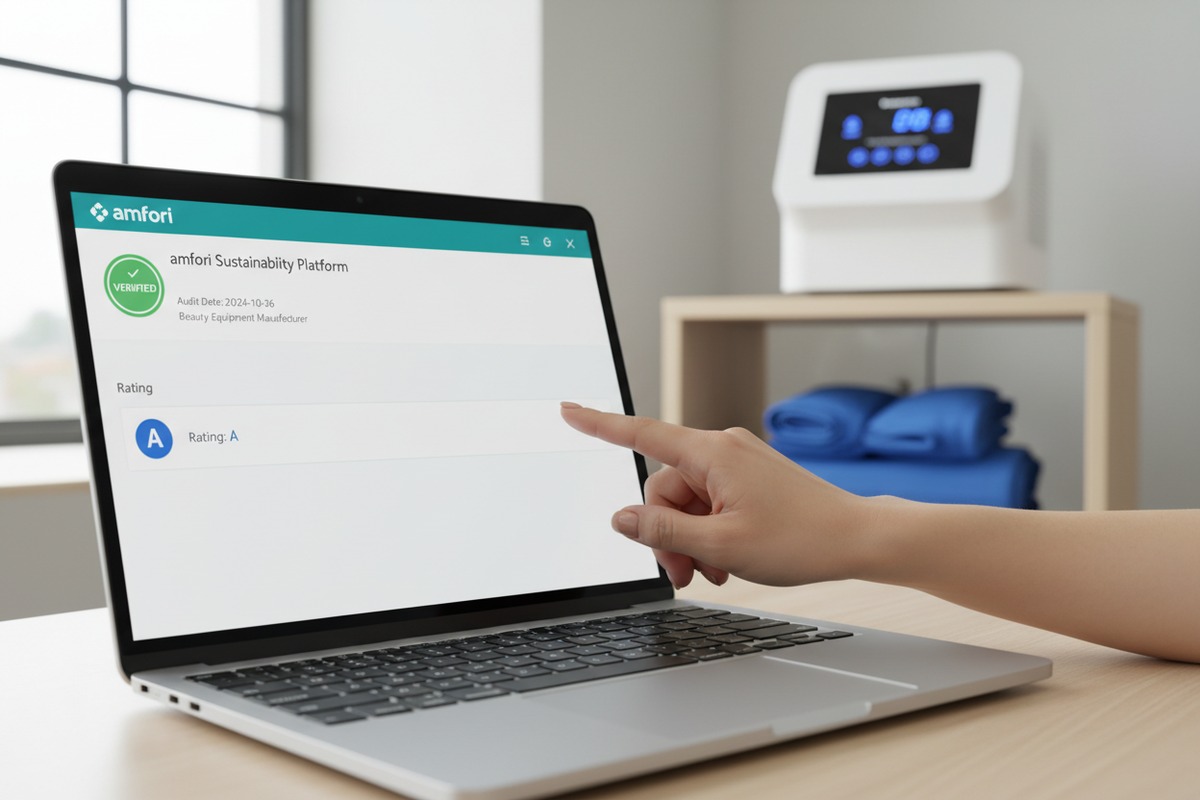
Step 1: Request Access Through the amfori Platform
The amfori Sustainability Platform 4 is the central database for all BSCI audit reports. Only amfori members and their linked suppliers can access full reports. If your supplier claims BSCI compliance, ask them to share platform access or provide the audit report directly.
According to amfori, "the results of an audit and other assessments are made available to all members sourcing from this supplier." This transparency reduces duplication and helps buyers verify claims.
Step 2: Check the Audit Rating and Cycle
BSCI audits use a rating scale from A to E. Here is what each rating means:
| Rating | Description | Follow-Up Required |
|---|---|---|
| A | Outstanding compliance | No follow-up; full audit in 2 years |
| B | Good compliance | No follow-up; full audit in 2 years |
| C | Acceptable with improvements needed | Follow-up audit within 2-12 months |
| D | Insufficient compliance | Follow-up audit required within 12 months |
| E | Unacceptable; critical non-compliance | Immediate remediation and follow-up |
Full audits take place every two years and assess all 13 performance areas 5. Follow-up audits focus only on areas needing improvement. If your supplier has a C, D, or E rating, confirm they have completed or scheduled corrective actions.
Step 3: Validate the Auditing Body
Third-party audit companies must pass strict quality reviews before amfori approves them. third-party auditing bodies 6 Companies like TÜV Rheinland, SGS, Intertek, and Eurofins are recognized auditing partners. If a supplier provides an audit report from an unknown firm, verify it against amfori's approved list.
Step 4: Watch for Red Flags
Common warning signs include:
- Expired reports (older than two years without renewal)
- No digital access to amfori platform
- Auditor name or firm not on approved list
- Missing corrective action plans for C/D/E ratings
- Supplier refuses unannounced audit requests
At our facility, we prepare documentation year-round to stay ready for announced or unannounced visits. Suppliers who resist this process may have something to hide.
Why is BSCI compliance critical for my brand's reputation in the US market?
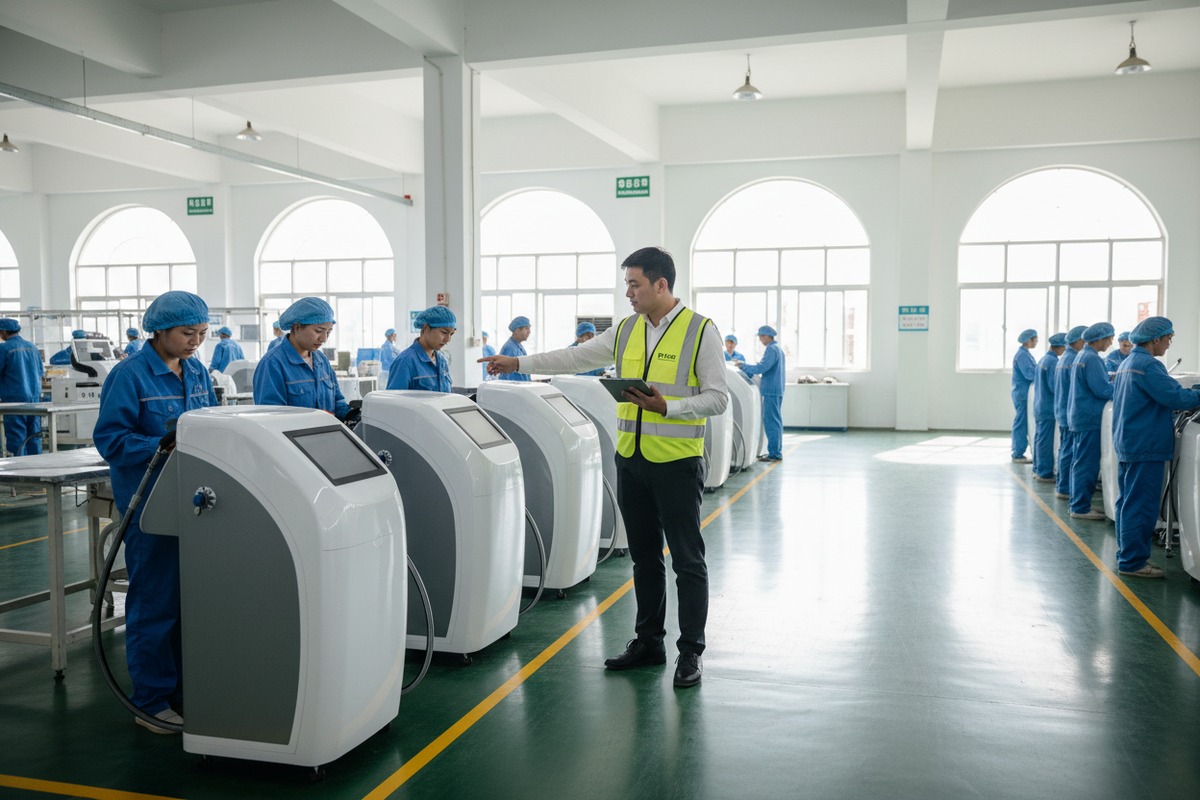
In our years shipping beauty machines to North American distributors, we have seen how one compliance failure can undo years of brand building. US consumers and retailers demand transparency. They research supply chains before buying.
BSCI compliance protects your brand reputation by demonstrating commitment to ethical labor, worker safety, and environmental responsibility. US consumers increasingly choose brands that verify supply chain ethics, and non-compliance can lead to boycotts, legal risks, and lost retail partnerships.
Consumer Expectations Have Changed
Research shows that 56% of American consumers will stop buying from brands they believe to be unethical. Even when no substitute is available, 35% still refuse to purchase. These numbers reflect a shift toward purpose-driven buying.
Brands that prioritize ethical sourcing can see a 20% increase in customer loyalty. Consumers are drawn to companies that demonstrate commitment to social and environmental responsibility. This loyalty translates into repeat purchases and word-of-mouth referrals.
Regulatory Pressures Are Increasing
The EU Corporate Sustainability Due Diligence Directive 8 (CSDDD) and similar US regulations push importers to verify supply chain ethics. Companies that fail to meet these standards face fines averaging $4 million per incident. BSCI provides a framework for meeting these requirements proactively.
The Cost of Non-Compliance
| Risk Type | Potential Impact |
|---|---|
| Reputational damage | Lost consumer trust, negative press |
| Retail delisting | Major retailers drop non-compliant suppliers |
| Legal penalties | Fines for labor or safety violations |
| Supply disruption | Factory shutdowns after failed audits |
| Financial loss | 10-20% cost from rework and crisis management |
Competitive Advantage Through Compliance
At our factory, we view compliance as an investment, not a cost. Compliant suppliers often gain 15-25% more business from brands that require verified social audits. Retailers like Target, Walmart, and Amazon increasingly mandate social compliance from suppliers.
When you source from a BSCI-compliant factory, you gain documented proof of ethical practices. This proof supports marketing claims, satisfies investor due diligence, and protects against supply chain scandals.
What specific labor and safety standards should I look for in my Chinese beauty machine factory?
Our engineering team works alongside production workers every day. We understand that safe, fair working conditions directly affect product quality. Rushed, overworked employees make mistakes. Unsafe environments cause injuries that halt production.
Look for compliance with the 13 BSCI performance areas: fair remuneration, decent working hours, occupational health and safety, no child labor, no forced labor, freedom of association, non-discrimination, ethical business behavior, environmental protection, and management systems that ensure continuous improvement.

The 13 BSCI Performance Areas Explained
BSCI audits assess suppliers against these interconnected areas:
| Performance Area | What Auditors Check |
|---|---|
| Social Management System | Policies, risk assessment, documentation |
| Worker Involvement | Communication channels, grievance mechanisms |
| Freedom of Association | Union rights, collective bargaining |
| Non-Discrimination | Equal treatment regardless of gender, origin, etc. |
| Fair Remuneration | Wages meeting legal minimums, overtime pay |
| Decent Working Hours | Compliance with local laws, rest periods |
| Occupational Health & Safety | Equipment safety, emergency protocols, PPE |
| No Child Labor | Age verification, education support if applicable |
| Special Protection of Young Workers | Limited hours, no hazardous tasks |
| No Precarious Employment | Proper contracts, benefits |
| No Bonded Labor | Freedom to leave, no document retention |
| Environmental Protection | Waste management, chemical handling |
| Ethical Business Behavior | Anti-corruption, transparency |
Manufacturing Risks in Pressotherapy Production
Pressotherapy machines combine electronic components, air compressors, and textile compression garments. This creates specific risks:
- Overtime in electronics assembly: Complex wiring and PCB assembly often push workers past legal hour limits
- Chemical exposure: Adhesives, solder fumes, and plastic materials require proper ventilation
- Subcontracting risks: Component suppliers may not meet the same standards as the final assembler
When we source components for our pressotherapy systems, we map the full supply chain. We verify that sub-component suppliers also meet BSCI standards or equivalent.
What to Ask Your Supplier
- Do you have a current BSCI audit report with rating A, B, or C?
- How do you verify sub-component suppliers meet labor standards?
- What is your process for handling worker grievances?
- Can you show documentation of overtime policies and wage records?
- How often do you conduct internal health and safety audits?
Site Visit Checklist
If you visit a factory, observe:
- Fire exits are unblocked and clearly marked
- Workers wear appropriate protective equipment
- Ventilation systems operate in chemical areas
- Time clocks or attendance systems are visible
- Workers can speak freely without supervisor presence
In our experience exporting pressotherapy equipment to the US and Europe, we have learned that short-term cost savings from non-compliant suppliers always backfire. Orders get delayed. Factories close. Buyers scramble to find alternatives.
A supplier's BSCI audit status directly impacts supply chain stability by indicating operational maturity, risk exposure, and reliability. Factories with A or B ratings demonstrate consistent management systems, lower turnover, and reduced likelihood of disruptions from labor disputes, regulatory shutdowns, or reputational crises.

How Audit Ratings Signal Reliability
| Rating | Operational Indicator | Supply Chain Risk |
|---|---|---|
| A | Mature systems, continuous improvement culture | Low risk; stable partner |
| B | Good practices, minor gaps | Low to moderate risk |
| C | Functioning but needs improvement | Moderate risk; monitor closely |
| D | Significant gaps, potential issues | High risk; consider alternatives |
| E | Critical failures, unsafe conditions | Very high risk; do not source |
Factories with higher ratings tend to have:
- Lower worker turnover (reducing training costs and quality inconsistency)
- Better equipment maintenance (fewer production stoppages)
- Transparent documentation (faster issue resolution)
- Proactive problem-solving (anticipate rather than react)
The True Cost of Supplier Instability
When a supplier fails an audit or faces a shutdown, your business suffers:
- Production delays: Finding a new factory takes months
- Quality issues: New suppliers require learning curves
- Price increases: Emergency sourcing costs more
- Brand damage: News of supplier scandals spreads fast
- Customer loss: Retailers may drop you for unreliable delivery
Building a Multi-Tier Verification Strategy
Smart importers verify beyond the final assembler. For pressotherapy machines, this means checking:
- Electronic component suppliers: PCB boards, control units, displays
- Textile suppliers: Compression garments, air chambers, covers
- Packaging suppliers: Boxes, foam inserts, manuals
At our facility, we maintain a supplier database with audit status, expiration dates, and corrective action history. We share this with our buyers because transparency builds trust.
Integrating BSCI with Technical Audits
For medical and beauty devices, combine social compliance checks with:
- CE marking verification (for EU markets)
- FDA registration status (for US markets)
- ISO 13485 certification (medical device quality management)
This holistic approach ensures the factory meets both product safety and worker welfare standards. One without the other creates gaps that can harm your business.
Digital Tools for Ongoing Monitoring
The amfori Sustainability Platform allows real-time monitoring of supplier status. Some buyers also use:
- Whistleblower hotlines for anonymous worker feedback
- Third-party risk assessment tools
- Blockchain-based traceability for component origins
These systems help catch issues before they become crises. Continuous monitoring beats periodic audits alone.
Conclusion
Verifying BSCI compliance when sourcing pressotherapy machines protects your brand, ensures ethical supply chains, and builds long-term supplier stability. Use the amfori platform, check ratings carefully, verify auditing bodies, and extend due diligence to sub-component suppliers. Your customers and your business will thank you.
Footnotes
1. Explains amfori BSCI as a solution for social risk management and supply chain improvements. ↩︎
2. Provides an overview of the International Labour Organization’s fundamental principles and rights at work. ↩︎
3. A direct, publicly accessible, and working page on iso.org for the ISO 13485 standard was not readily available. Wikipedia provides a comprehensive and authoritative overview of ISO 13485. ↩︎
4. Describes the platform as an extensive supplier database for supply chain mapping and risk management. ↩︎
5. Details the 13 interconnected performance areas assessed during an amfori BSCI audit. ↩︎
6. Provides a list of amfori’s official auditing partners, including recognized third-party firms. ↩︎
7. Explains the amfori BSCI audit process, which culminates in an audit report. ↩︎
8. Official European Commission page detailing the directive for corporate sustainability due diligence. ↩︎

 English
  Español de México
  Deutsch
  Français
  العربية
  Русский