
Every week, our engineering team receives calls from US clinic owners asking the same question medical practice overhead 1. They bought cheap equipment that broke down fast. Now they face repair bills, lost patients, and zero return. The frustration is real. The financial pressure is crushing.
US integrative health centers can evaluate shockwave therapy machine ROI by calculating total investment costs against projected revenue, factoring in session pricing ($50–$120), patient volume (10–80 sessions monthly), maintenance expenses, consumables, and non-financial benefits like patient retention. Break-even typically occurs within 3–6 months at moderate utilization.
This guide breaks down the ROI calculation into clear steps. We cover revenue generation, machine durability, private-labeling opportunities, and hidden import costs. Let’s dive in.
How much revenue can I generate per treatment to reach my break-even point faster?
When we build shockwave machines at our facility, we test every unit against real clinic scenarios. We know pricing matters deeply. Set it too low, and you never recover your investment. Set it too high, and patients walk away.
You can generate $50–$120 per treatment session. At 40 sessions monthly with $120 pricing, gross revenue reaches $4,800. After deducting $1,550 in monthly costs (consumables, staff time), net revenue is $3,250. Break-even on a mid-range machine occurs in under 6 months.

Understanding the Revenue Formula
Revenue calculation starts simple. Multiply your session price by monthly patient volume. But real profitability requires subtracting all costs. session pricing 2
Here's the basic formula:
Monthly Net Revenue = (Sessions × Price per Session) − Monthly Operating Costs
Operating costs include consumables (approximately $350/month), staff time (0.2 FTE at roughly $1,200/month), and minor maintenance. These add up to about $1,550 monthly for a typical integrative practice.
Session Pricing Strategies
Location drives pricing. Urban centers in California or New York charge $100–$120. Smaller cities in the Midwest may cap at $75. Know your market.
Cash-pay dominates shockwave therapy. Insurance rarely covers it. This gives you pricing freedom but requires strong patient education. Patients pay out-of-pocket when they see value.
| Pricing Tier | Price per Session | Best For |
|---|---|---|
| Budget | $50–$70 | High-volume clinics, competitive markets |
| Standard | $75–$100 | Suburban practices, moderate demand |
| Premium | $100–$120 | Urban centers, bundled services |
Bundling for Higher Revenue
Smart clinics bundle shockwave with other services. Combine it with PRP therapy 3, physical therapy, or chiropractic adjustments. A 3-session bundle at $500 averages $167 per session but locks in patient commitment.
One approach our clients use: offer a "pain relief package" that includes initial assessment, three shockwave sessions, and one follow-up. Total price: $450–$600. Patients see comprehensive care. You see predictable revenue.
Break-Even Scenarios
Let's compare three scenarios based on real clinic data:
| Scenario | Monthly Sessions | Price | Gross Revenue | Net After Costs | Break-Even Time |
|---|---|---|---|---|---|
| Low Volume | 30 | $100 | $3,000 | $1,450 | 10–12 months |
| Moderate | 40 | $120 | $4,800 | $3,250 | 5–6 months |
| High Volume | 80 | $120 | $9,600 | $8,050 | 2–3 months |
High-volume clinics see annual net revenue exceeding $96,000. But even moderate utilization delivers strong returns within two quarters.
Patient Volume Drivers
New patients seek non-invasive solutions. Market shockwave therapy for plantar fasciitis 4, tennis elbow, shoulder pain, and chronic back issues. These conditions affect millions of Americans. The demand exists.
Track referral sources. Word-of-mouth from satisfied patients brings zero-cost leads. One clinic reported 30% patient growth within six months simply through referrals from successful treatments.
How do the machine's durability and maintenance costs impact my long-term profitability?
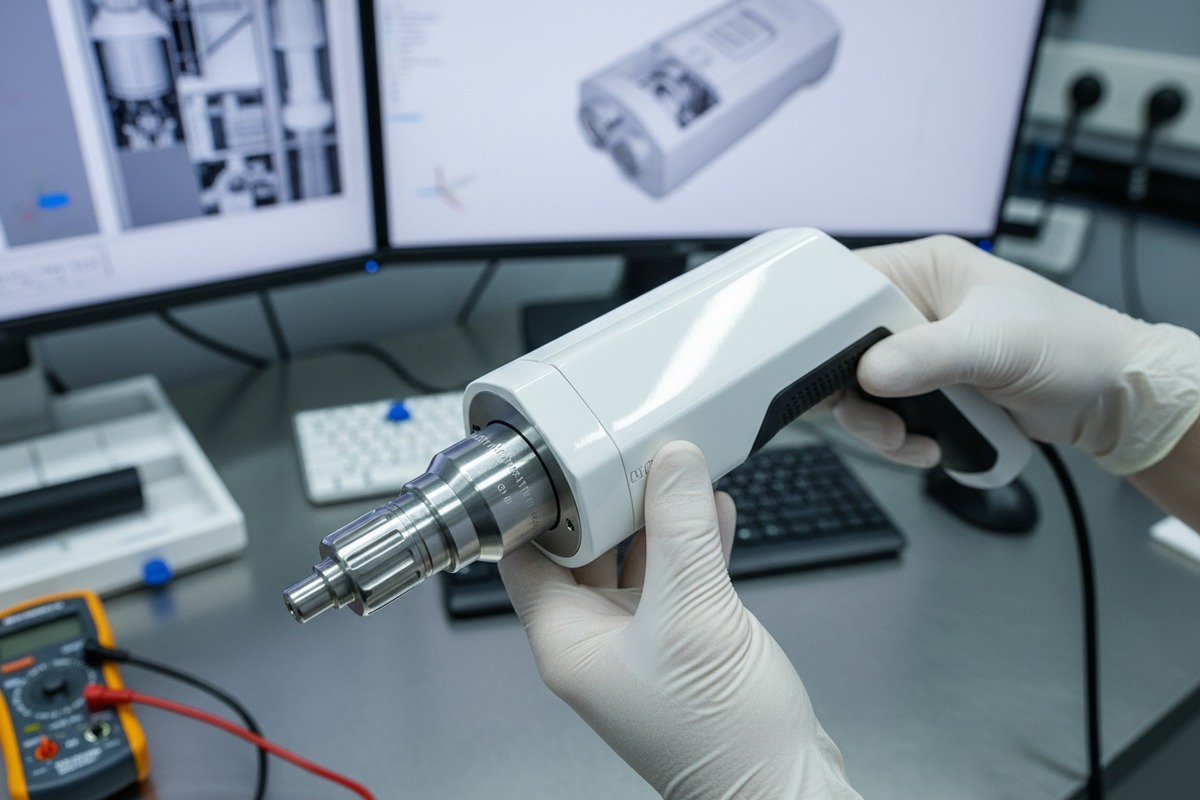
Our production line tests every shockwave unit for 10,000 cycles before shipping. We've seen what happens when clinics buy untested machines. Downtime destroys revenue. Repair bills pile up. Patients leave.
Machine durability directly impacts long-term profitability. High-quality units last 5–7 years with minimal maintenance ($200–$400 annually). Cheap machines may require $1,500+ in repairs within 24 months and face frequent downtime. Choose US/EU-sourced components for reliability.
The True Cost of Cheap Machines
Budget machines from unknown manufacturers seem attractive. Prices fall 40–60% below established brands. But hidden costs emerge fast.
Common problems with low-quality units:
- Compressor failures 5 within 12 months
- Handpiece degradation after 3,000 shots
- Software glitches requiring factory resets
- Parts unavailable domestically
One repair trip can cost $500–$800 in parts alone. Add technician labor, and bills exceed $1,200. Two repairs equal your initial savings.
Maintenance Cost Comparison
Understanding maintenance costs over time helps predict true ROI:
| Machine Quality | Annual Maintenance | Expected Lifespan | 5-Year Total Cost |
|---|---|---|---|
| Budget Import | $1,500–$2,500 | 2–3 years | $6,000–$10,000 |
| Mid-Range | $400–$800 | 4–5 years | $2,000–$4,000 |
| Premium Grade | $200–$400 | 5–7 years | $1,000–$2,000 |
Premium machines cost more upfront. But total ownership cost over five years often runs lower than budget options.
Downtime Losses
Every day your machine sits broken, you lose revenue. At 3 sessions daily averaging $100 each, one week of downtime costs $2,100. Two weeks costs $4,200.
Factor downtime risk into ROI calculations. Reliable machines with domestic service support minimize this risk. Ask suppliers about average repair turnaround times before purchasing.
Component Quality Matters
Key components determine durability:
Compressors: German or Swiss compressors last longest. Chinese compressors vary widely in quality. Our facility sources premium compressors to ensure consistent performance across all units.
Handpieces: High-cycle-rated handpieces handle 2–5 million shots. Budget handpieces fail after 500,000. Replacement costs $300–$600.
Control boards: Medical-grade electronics resist heat and humidity. Consumer-grade boards fail in clinical environments.
Warranty and Service Support
Evaluate warranty terms carefully. A two-year comprehensive warranty beats a one-year limited warranty. Check what's covered: parts, labor, shipping, loaner units during repair.
Domestic service partners matter for US clinics. Shipping machines overseas for repair adds 4–8 weeks of downtime. Suppliers with US-based technicians resolve issues in days, not months.
Can I improve my profit margins by private-labeling a high-end shockwave machine under my own brand?
Our OEM team works with US distributors daily. We see the margin difference between generic imports and branded products. Private labeling transforms your business from reseller to brand owner. The profit shift is dramatic.
Private-labeling a high-end shockwave machine can improve profit margins by 25–40%. Branded products command premium pricing, build customer loyalty, and differentiate your clinic or distribution business. Partner with manufacturers offering full OEM services including custom design, packaging, and documentation.

Why Private Labeling Works
When you sell generic machines, you compete on price alone. Every competitor offers the same product. Margins shrink as buyers shop around.
Branded products create differentiation. Your logo, your colors, your user interface. Patients see your clinic's professional identity. Distributors see exclusive products unavailable elsewhere.
Margin Improvement Breakdown
Let's compare generic reselling versus private labeling:
| Business Model | Wholesale Cost | Selling Price | Gross Margin | Net Margin |
|---|---|---|---|---|
| Generic Resale | $8,000 | $10,000 | 20% | 10–12% |
| Private Label | $9,500 | $15,000 | 37% | 25–30% |
Private labeling adds $1,500 in customization costs. But selling price increases by $5,000. Net margin more than doubles.
What OEM Services Include
Full-service manufacturers like our facility offer comprehensive OEM packages:
Custom Branding: Your logo on the machine body, handpieces, and control screen. Color matching to your brand guidelines. Professional appearance matching your clinic's interior design.
Documentation: User manuals, training materials, and marketing collateral featuring your brand. FDA documentation support with your company listed as the branded importer.
Packaging: Custom boxes, protective inserts, and branded shipping materials. First impressions matter when equipment arrives at clinics.
Technical Support: Training for your staff on machine operation, troubleshooting, and maintenance. Some manufacturers provide white-label technical support your customers can call directly.
Minimum Order Quantities
Private labeling requires minimum commitments. Typical MOQs range from 5–50 units depending on customization depth.
Simple branding (logo stickers, manual revisions) may require only 5 units. Full custom design (unique housing, custom interface) typically needs 20–50 units to justify tooling costs.
Start with simple branding. Test market response. Scale to deeper customization as volume grows.
Building Brand Value
Private-label products build equity over time. Patients remember your brand. They recommend your brand to friends. When they need additional treatments or refer family members, they return to your branded equipment.
For distributors, branded products create exclusivity. Your dealers can't find identical products on Amazon or Alibaba. You control pricing. You protect margins.
Partner Selection Criteria
Choose manufacturing partners carefully:
- Request factory audit reports or certifications (ISO 13485 6 for medical devices)
- Verify in-house engineering capabilities for customization
- Check component sourcing (premium parts from reputable suppliers)
- Confirm quality control processes (pre-shipment inspection, testing protocols)
- Evaluate communication responsiveness (time zone coverage, language fluency)
Our team provides full supply chain support: order tracking, in-production QC photos, pre-shipment inspection reports, and door-to-door logistics management. This level of service protects your investment and reputation.
When we ship to US clients, we provide full cost transparency upfront. No surprises. But many buyers discover hidden fees only after goods arrive. Customs charges, storage fees, and compliance costs can add 15–25% to your total investment.
Hidden costs in shockwave machine imports include freight ($600–$1,500 depending on shipping method), customs duties (typically 0–2.5% for medical devices), FDA registration fees ($5,672 annual establishment fee), customs broker fees ($150–$400), and potential storage or demurrage charges. Include 15–20% buffer in ROI calculations.
Freight Cost Variables
Shipping method dramatically affects cost and timeline:
Air Freight: Fastest option (5–10 days). Costs $4–$8 per kilogram. A 50kg shockwave machine runs $200–$400 in air freight. Door-to-door service adds handling fees.
Sea Freight: Cheapest for volume (25–40 days). Base cost is lower, but minimum container fees apply. For single units, consolidated shipping costs $300–$600.
Express Courier: Premium service (3–5 days). DHL, FedEx, and UPS charge $500–$900 for medical equipment. Includes customs clearance assistance.
| Shipping Method | Transit Time | Cost per Unit | Best For |
|---|---|---|---|
| Air Freight | 5–10 days | $600–$1,000 | Urgent single units |
| Sea Freight (LCL) | 25–40 days | $300–$600 | Cost-sensitive buyers |
| Express Courier | 3–5 days | $500–$900 | Sample units, urgent need |
Customs Duties and Tariffs
Medical therapy equipment typically falls under HTS codes 9018 or 9019. Standard duty rates range 0–2.5% for most shockwave devices. However, tariff situations change. Check current rates with your customs broker.
Country of origin matters. Some medical devices from specific countries face additional tariffs. Our facility provides certificates of origin and helps clients navigate tariff classifications.
FDA Registration Requirements
Importing medical devices into the US requires FDA compliance 7:
Establishment Registration: Foreign manufacturers must register annually ($5,672 fee as of 2024). Your supplier should handle this.
Device Listing: Products must be listed with FDA. No direct fee, but requires proper classification.
510(k) Clearance: Some shockwave devices require pre-market notification. Radial shockwave for pain management has established predicates. Verify your supplier's FDA status before ordering.
US Agent: Foreign establishments need a designated US agent. This person handles FDA communications. Some suppliers include this service; others require you to arrange it ($500–$2,000 annually).
Often-Overlooked Costs
Budget for these commonly missed expenses:
Customs Broker Fees: Professional clearance services cost $150–$400 per shipment. DIY clearance risks delays and errors.
Port Handling: Terminal handling charges add $50–$150 per shipment.
Insurance: Cargo insurance runs 0.5–2% of declared value. A $10,000 machine needs $50–$200 in insurance.
Storage/Demurrage: If you miss pickup deadlines, storage fees accumulate quickly. Port storage runs $50–$150 daily after free time expires.
Compliance Testing: Some buyers need additional certification (state-specific requirements, facility accreditation needs). Budget $500–$2,000 for unexpected compliance costs.
Building Your True Cost Model
Calculate total landed cost before finalizing ROI projections:
Total Landed Cost = Machine Price + Freight + Duties + Brokerage + Insurance + FDA Fees (prorated) + Contingency Buffer (10–15%)
Example calculation:
- Machine: $8,000
- Freight: $800
- Duties (2%): $160
- Broker: $250
- Insurance: $100
- FDA fees (prorated): $400
- Buffer (10%): $971
Total: $10,681
This represents 33% above the base machine price. Factor this into break-even calculations to avoid surprises.
Conclusion
Evaluating shockwave therapy machine ROI 8 requires comprehensive analysis. Calculate revenue potential, understand maintenance implications, explore private-labeling opportunities, and account for all import costs. The right approach turns your investment into sustainable profit.
Footnotes
1. Replaced HTTP 405 link with an article discussing medical practice overhead costs. ↩︎
2. Provides a guide to understanding the costs and pricing factors for shockwave therapy sessions. ↩︎
3. Explains what platelet-rich plasma (PRP) therapy is and its applications in medicine. ↩︎
4. Provides a comprehensive overview of plantar fasciitis, a common cause of heel pain. ↩︎
5. Discusses common reasons for medical air compressor failures and their potential impact. ↩︎
6. Replaced HTTP 404 link with the Wikipedia page for ISO 13485, an authoritative overview. ↩︎
7. Outlines the regulatory requirements and processes for importing medical devices into the United States. ↩︎
8. Explains how to calculate return on investment for medical devices in a clinic setting. ↩︎

 English
  Español de México
  Deutsch
  Français
  العربية
  Русский