
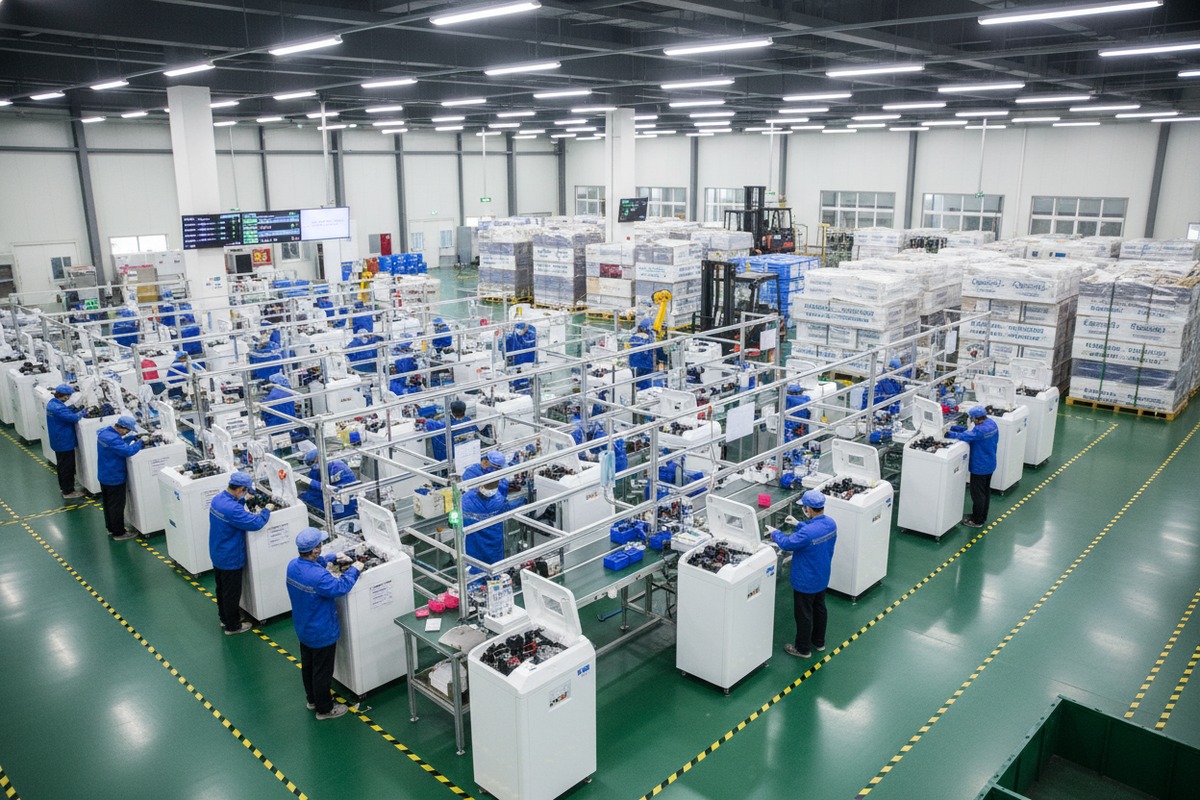
Rapid expansion across South America brings logistical hurdles audited production reports 1. We often see clinic owners struggle with inconsistent hardware when their suppliers cannot keep up with the sheer volume of a growing chain.
South American clinic chains must evaluate production scale by verifying annual output, typically 5,000+ units, checking for ISO 13485 certification, and assessing export history to Latin markets. This ensures consistent machine quality, stable supply chains, and the ability to meet high-volume demands across multiple regional locations.
Choosing the right partner requires looking deep into the factory's daily operations and quality benchmarks.
How do I verify if a pressotherapy machine manufacturer can handle my clinic chain's high-volume orders?
Managing our production lines for global exports has taught us that "capacity" is more than just a number on a website. It involves the harmony of raw materials and skilled labor.
Verify a manufacturer’s capacity by requesting audited production reports, checking their assembly line count, and reviewing past high-volume shipping records to South America. High-capacity suppliers typically maintain large raw material inventories to prevent delays and offer 24/7 technical support for chain-wide rollouts.
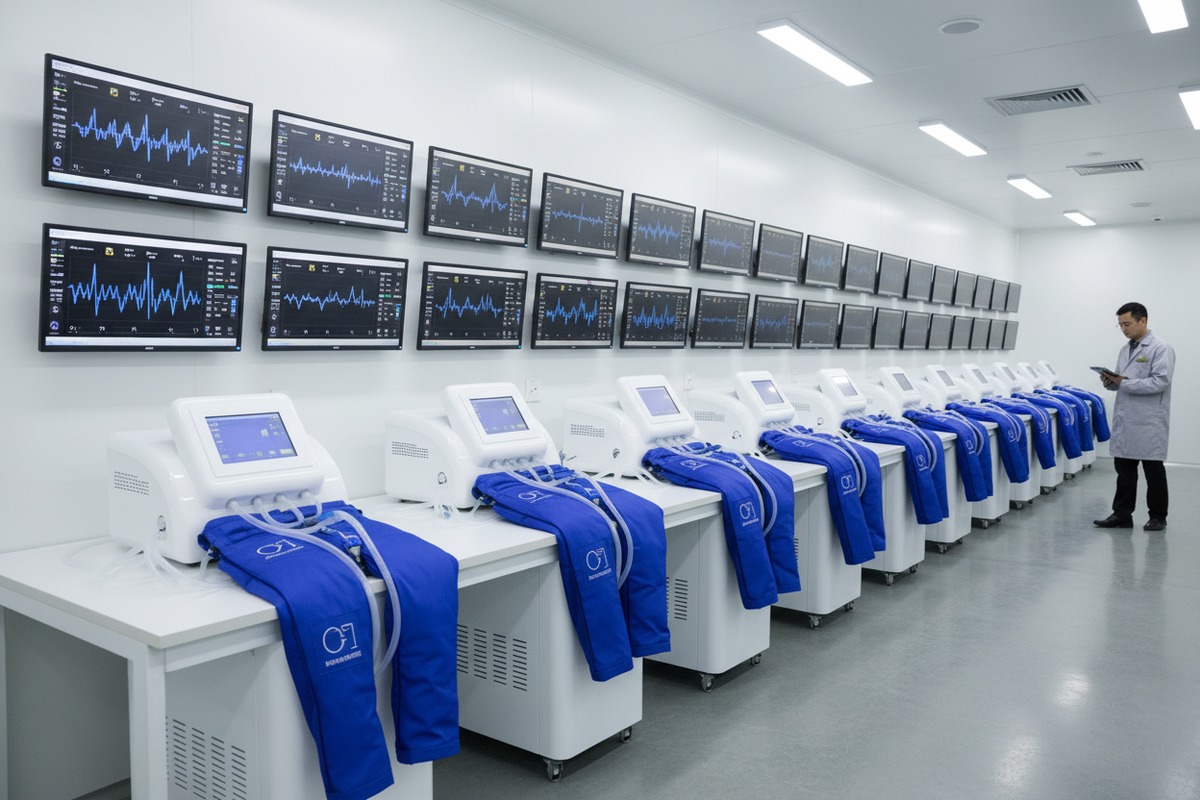
Assessing Factory Floor Reality
When we host visitors at our facility, the first thing they notice is the organization of the testing stations. For a clinic chain needing 50 or 100 units, you cannot rely on a small workshop. You need a factory that utilizes modular assembly lines 2. A modular setup allows the manufacturer to shift resources quickly to your order without stopping other production runs.
Key Metrics for Volume Evaluation
To truly understand if a supplier is "big enough," you should look at specific performance indicators. Don't just ask if they are large; ask for the data. A reliable supplier should be able to provide the following metrics clearly:
| Metric | Small-Scale Workshop | High-Volume Manufacturer |
|---|---|---|
| Monthly Production Capacity | < 200 units | 1,000+ units |
| Quality Control Staff | 1-2 people | Dedicated QC Department (10+) |
| Testing Duration | 2-4 hours | 24-48 hours continuous aging |
| Lead Time for 50 Units | 45-60 days | 15-20 days |
Supply Chain Reliability
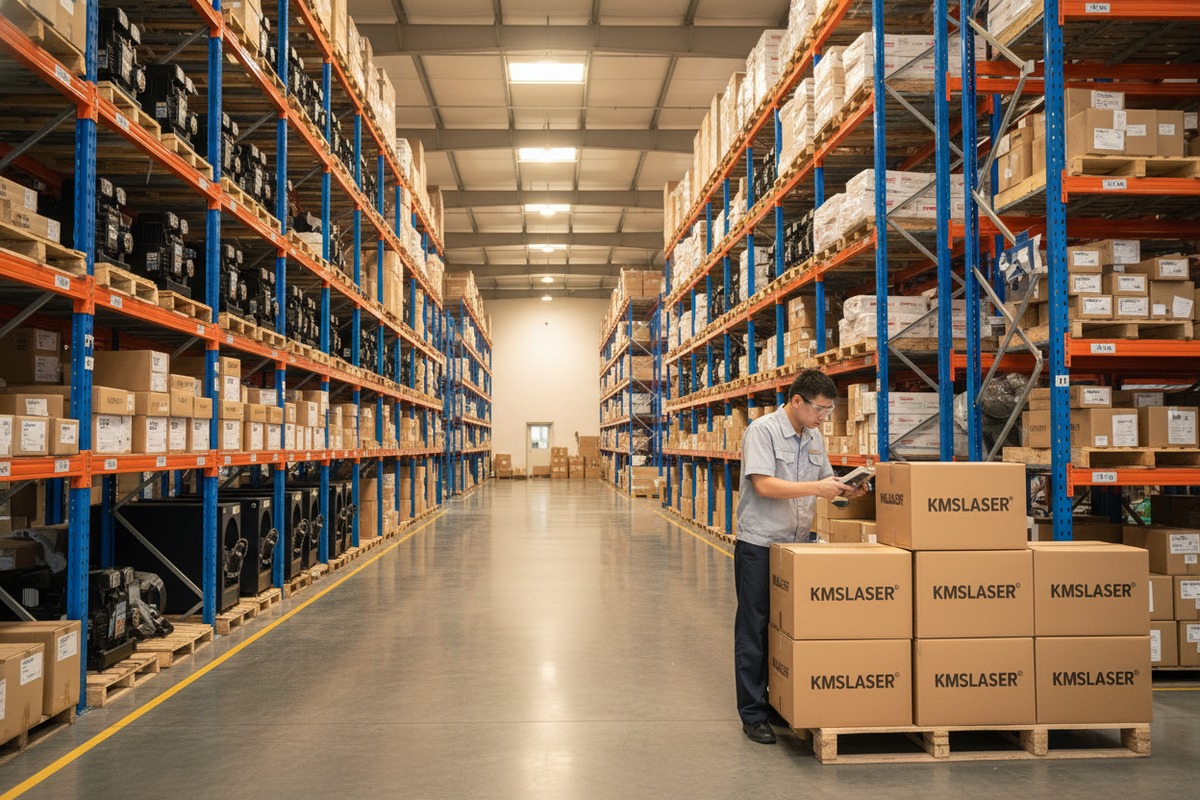
A manufacturer is only as good as their component suppliers. In our engineering department, we keep a "safety stock" of critical parts like air pumps and solenoid valves 3. This is crucial for South American clients because the shipping time is already long. If the factory has to wait for parts, your clinic opening is delayed. Look for suppliers who have long-standing contracts with component makers. This stability ensures that even during peak seasons, your production slot is guaranteed.
Will a supplier's production scale affect the consistency of the machines I receive for my different locations?
While developing our latest pressotherapy systems, we realized that consistency is the biggest challenge in mass production. Small variations in air pressure can lead to different patient experiences across your clinics.
Yes, production scale significantly impacts consistency. Large-scale manufacturers use standardized molds, automated testing rigs, and unified software versions. This ensures that a machine delivered to a clinic in Bogotá performs identically to one delivered to a branch in Buenos Aires or Santiago.
The Importance of Standardized Components
In our manufacturing process, we use precision-molded parts 4 rather than hand-finished ones. When a factory operates at scale, they invest in expensive steel molds. These molds ensure that every plastic casing and every internal bracket is exactly the same. For a chain owner, this means your staff doesn't have to learn "quirks" for different machines. If a technician moves from one clinic to another, the interface and the tactile feel of the buttons remain the same.
Software and Firmware Synchronization
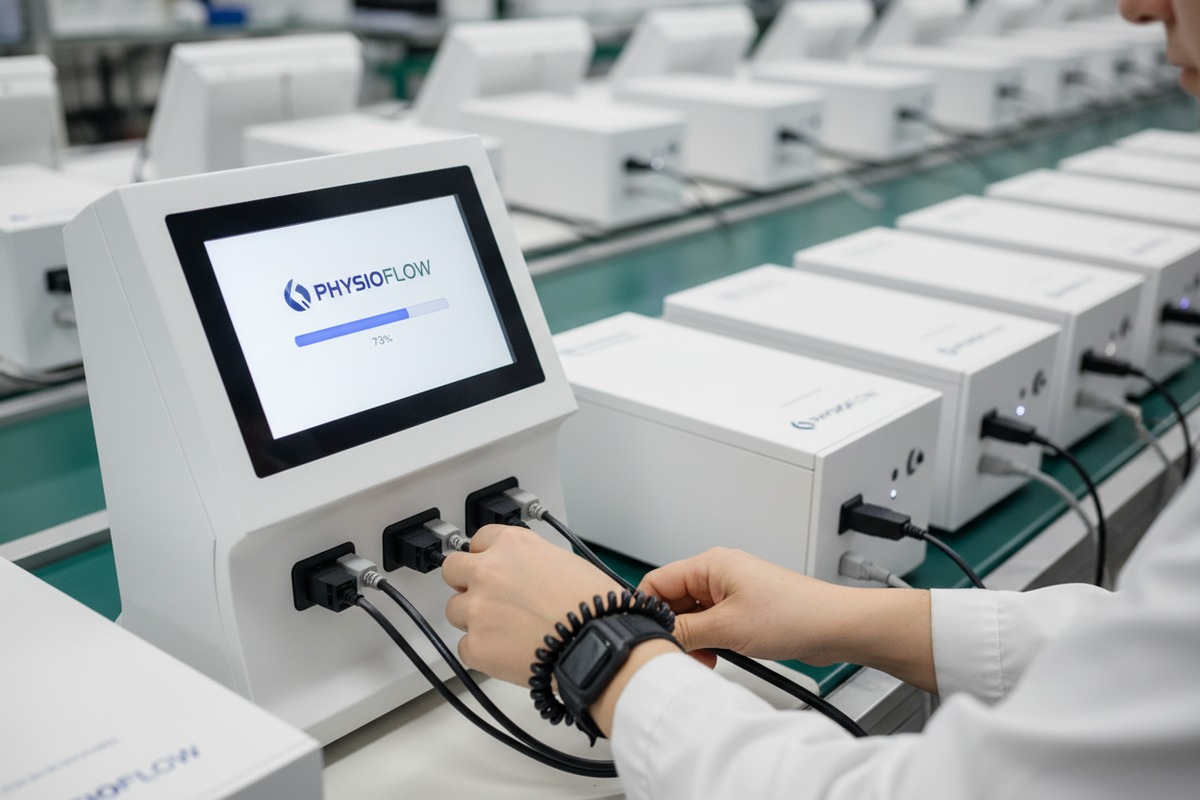
Consistency isn't just about the physical shell; it is about the "brain" of the pressotherapy machine. High-volume manufacturers use digital flashing tools 5 to load firmware. This prevents the human error that occurs in smaller shops where different batches might have different software versions.
Comparing Consistency Factors
The table below illustrates why scale matters for maintaining a unified brand experience across your clinic chain:
| Feature | Large-Scale Production | Small-Batch Production |
|---|---|---|
| Case Material | Injection molded (Zero variance) | Vacuum formed or hand-cut (High variance) |
| Air Pressure Calibration | Automated digital sensors | Manual gauge checking |
| User Interface | Uniform digital firmware | Potential version mismatches |
| Internal Wiring | Pre-assembled harnesses | Manual point-to-point wiring |
Reliability in the Long Run
When machines are built using consistent methods, troubleshooting becomes easier. If one machine in your network has an issue, our technical team can identify the cause faster because we know the exact internal layout of that model. In smaller production runs, internal layouts might change based on what parts were available that week, making remote support a nightmare for your operations manager.
Can I customize pressotherapy equipment at scale without compromising on the quality control I need for my brand?
We often receive requests for custom colors and logo placement. The secret to successful OEM service is integrating these customizations into the primary production line rather than treating them as an afterthought.
You can achieve high-level customization at scale by choosing suppliers who offer integrated OEM services. This includes custom-branded shells, localized software interfaces, and tailored garment sizes, all managed under strict ISO-certified quality control protocols to ensure brand uniformity and safety.
The OEM Workflow for Chains
Customization at scale requires a dedicated engineering team. When we work on a custom project for a South American chain, we create a "Golden Sample." This sample acts as the master reference for the entire production run. We don't just stick a label on a machine; we can change the boot screen to show your clinic's logo and adjust the pressure algorithms to match your specific medical protocols.
Balancing Branding and Performance
There is a common fear that "custom" means "experimental." This is not true with a professional manufacturer. We use our stable, proven internal hardware and only customize the "touchpoints"—the parts the customer sees and feels. This gives you a unique product without the risk of using unproven technology.
Customization Options for Professional Chains
Chains often need specific features to stand out in competitive markets like Brazil or Colombia. Here is a look at common customization levels:
| Customization Level | Description | Impact on Quality Control |
|---|---|---|
| Brand Identity | Logos, colors, and custom packaging | Low risk, high brand recognition |
| Software Localization | Spanish/Portuguese menus and custom protocols | Medium risk, requires software validation |
| Hardware Modification | Custom garment sizes or additional air chambers | High risk, requires new safety certifications |
Managing Quality During Customization
Every custom order undergoes the same rigorous testing as our standard models. We use a "Double-Check" system where the custom features are verified by both the production team and a separate QC inspector. For South American chains, this means the machines arriving in your port are ready for immediate use, with your branding perfectly applied and the language settings correctly configured for your local therapists.
How does the factory's production capacity influence my door-to-door shipping timelines to South American markets?
Shipping to countries like Brazil, Argentina, or Chile is a complex process involving long sea freight journeys and strict customs checks. We have found that factory delays are the leading cause of missed shipping windows.
High production capacity ensures your order meets strict shipping deadlines, preventing missed vessel departures. Efficient manufacturers offer streamlined logistics management, providing all necessary documentation for South American customs (like INVIMA or ANMAT), which significantly reduces the total door-to-door delivery time for large orders.

The "Vessel Gap" Risk
In international trade, missing a ship by just one day can result in a two-week delay for the next available vessel. A factory operating at a small scale often struggles with "production creep"—where an order takes three days longer than expected. For a South American chain, this delay is magnified by the long transit time across the Pacific. Large-scale factories use ERP systems 6 to track every stage of production, ensuring the goods hit the loading dock exactly when the truck arrives.
Navigating South American Customs
The scale of a manufacturer often reflects their experience with international regulations. Shipping 20 machines to a chain in Colombia requires specific documentation that a small workshop might not understand. We provide comprehensive paperwork that helps clear customs faster. This includes:
- Detailed Certificates of Origin.
- CE and ISO certifications that meet regional health standards.
- Accurate packing lists that prevent "red channel" inspections at the port.
Logistic Efficiency and Cost
When you order in bulk from a high-capacity supplier, you can utilize Full Container Loads (FCL) 7. This is not only cheaper but also safer for the equipment. In an FCL shipment, your machines are not handled as often as they would be in a Less than Container Load (LCL) shipment, reducing the risk of cosmetic damage during the long journey to the South American coast.
Why Speed to Market Matters
In the aesthetic industry, trends move fast. If your competitor opens a new location with lymphatic drainage services before you do, you lose market share. A supplier that can produce 50 units in 14 days gives you a massive competitive advantage over a chain waiting 60 days for their equipment to be built.
Conclusion
Evaluating a pressotherapy machine supplier's production scale is critical for the seamless expansion of South American clinic chains. By focusing on manufacturing capacity, consistency, and logistical expertise, chains can ensure long-term operational success.
Footnotes
1. ERP systems often include features for compliance and audit-related reporting, which aligns with the need for audited production reports for verification. ↩︎
2. This article discusses the benefits of modular design in manufacturing, including efficiency and flexibility, which directly relates to modular assembly lines. ↩︎
3. Wikipedia provides a comprehensive overview of solenoid valves, their function, and common applications, including in pneumatic systems which often involve air pumps. ↩︎
4. Precision injection molding offers cost savings, improved product quality, and faster production times for complex parts. ↩︎
5. Digital flashing tools are used for reading and writing data to flash memory, enabling efficient firmware management in manufacturing. ↩︎
6. ERP systems enhance supply chain management, improve quality control, and boost productivity by centralizing data and automating processes. ↩︎
7. FCL offers exclusive container use, enhanced security, reduced handling, and efficient loading/unloading for large shipments. ↩︎

 English
  Español de México
  Deutsch
  Français
  العربية
  Русский