

When our engineering team first developed shockwave therapy equipment years ago, distributors kept asking us the same question CE marking 1. They wanted to know which technology would sell better in their markets. The confusion between pneumatic ballistic 2 and electromagnetic systems costs many importers time and money.
To source pneumatic ballistic or electromagnetic shockwave therapy machines for distribution, you must evaluate your target market’s clinical needs, budget expectations, and regulatory requirements. Partner with an experienced OEM manufacturer in China who offers customization, strict quality control, and reliable door-to-door logistics support.
Let me walk you through the key decisions you need to make before placing your first order.
How do I determine if pneumatic ballistic or electromagnetic shockwave technology is better for my distribution market?
Understanding your end customers is the first step Erectile dysfunction 3. Many distributors skip this research and regret it later. At our production facility, we have seen importers return with unsold inventory because they chose the wrong technology for their market.
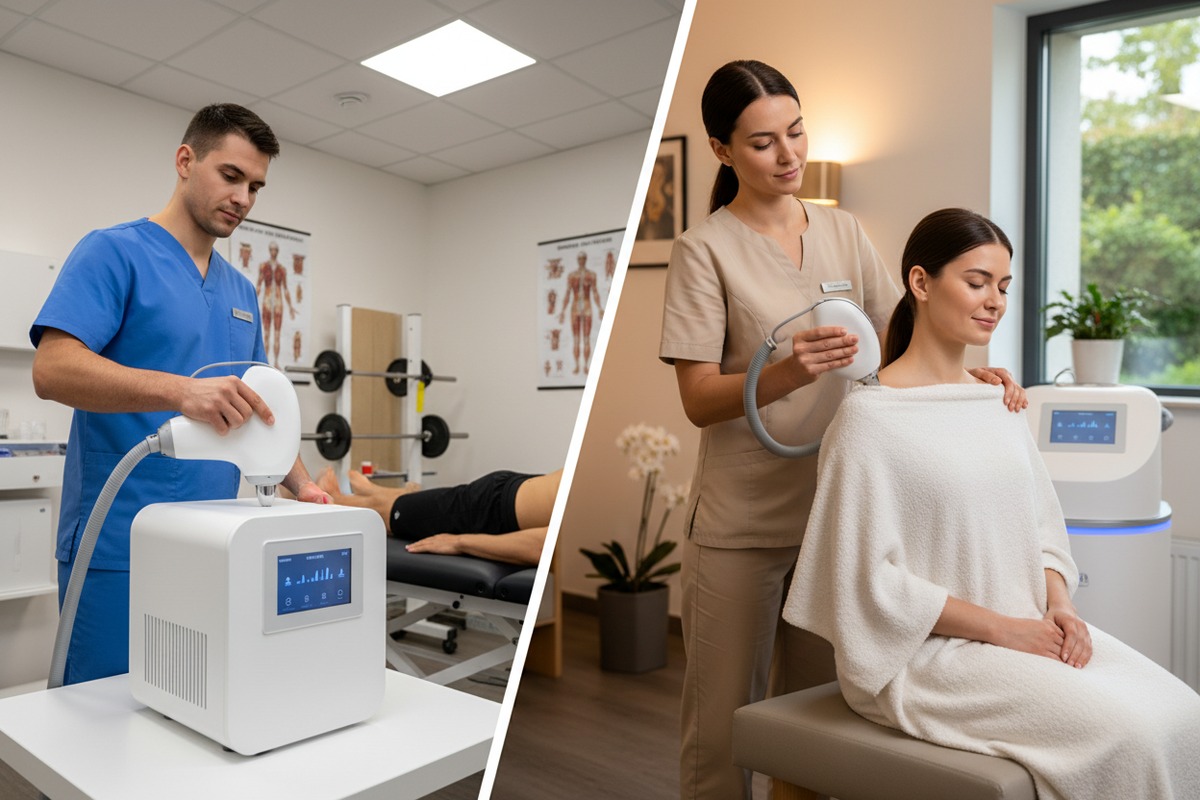
Pneumatic ballistic technology suits markets focused on sports medicine, rehabilitation, and deep tissue therapy due to its higher energy output and faster treatment speed. Electromagnetic systems work better for price-sensitive markets or clinics requiring gentler, focused treatments. Analyze your customers' clinical applications and budget constraints first.
Understanding the Core Technology Differences
Pneumatic ballistic machines generate shock waves by rapidly releasing compressed air into the handpiece. This creates radial waves that spread outward from the application point. The energy output typically ranges from 0.5 to 12 Bar. Penetration depth reaches up to 60mm.
Electromagnetic systems 4 use electrical energy to create focused waves. These waves converge at a specific point beneath the skin. They offer more precise targeting but generally deliver lower energy levels.
Key Technical Specifications to Compare
| Feature | Pneumatic Ballistic | Electromagnetic |
|---|---|---|
| Energy Output | 0.5-12 Bar | Lower intensity |
| Penetration Depth | 0-60mm | Variable, focused |
| Frequency Range | 1-21 Hz | Similar range |
| Treatment Speed | Faster | Slower |
| Price Point | Higher | Lower |
| Maintenance Cost | Higher (bullet replacement) | Lower |
Market Application Analysis
Our export data shows clear patterns. North American buyers prefer pneumatic systems for sports medicine 5 clinics. These facilities treat athletes who need fast, powerful treatments. European physiotherapy centers often mix both technologies.
Price-sensitive markets like some regions in South America lean toward electromagnetic options. The lower upfront cost helps clinics enter the shockwave therapy space.
Consider these application areas when choosing:
- Sports injury recovery: Pneumatic performs better
- Chronic pain management: Both work well
- Erectile dysfunction treatment: Focused electromagnetic preferred
- Cellulite reduction: Pneumatic shows stronger results
- General physiotherapy: Market budget determines choice
Regulatory Considerations by Region
Different markets have different approval requirements. The US FDA has specific classifications 6 for medical devices. CE marking is mandatory for European distribution. Our compliance team handles these certifications, but you must verify requirements for your target country.
Can I customize the design and branding of these shockwave machines through a reliable OEM partner in China?
Building your own brand requires more than just slapping a logo on a box. When we work with distributors on OEM projects, we guide them through every customization option. The goal is creating a product that looks and feels like it belongs to your brand.
Yes, reliable Chinese OEM partners offer comprehensive customization including exterior design, color schemes, control interface branding, packaging, user manuals, and software modifications. Look for manufacturers with dedicated design teams, prototyping capabilities, and experience serving international brand owners in your target markets.
Customization Options Available
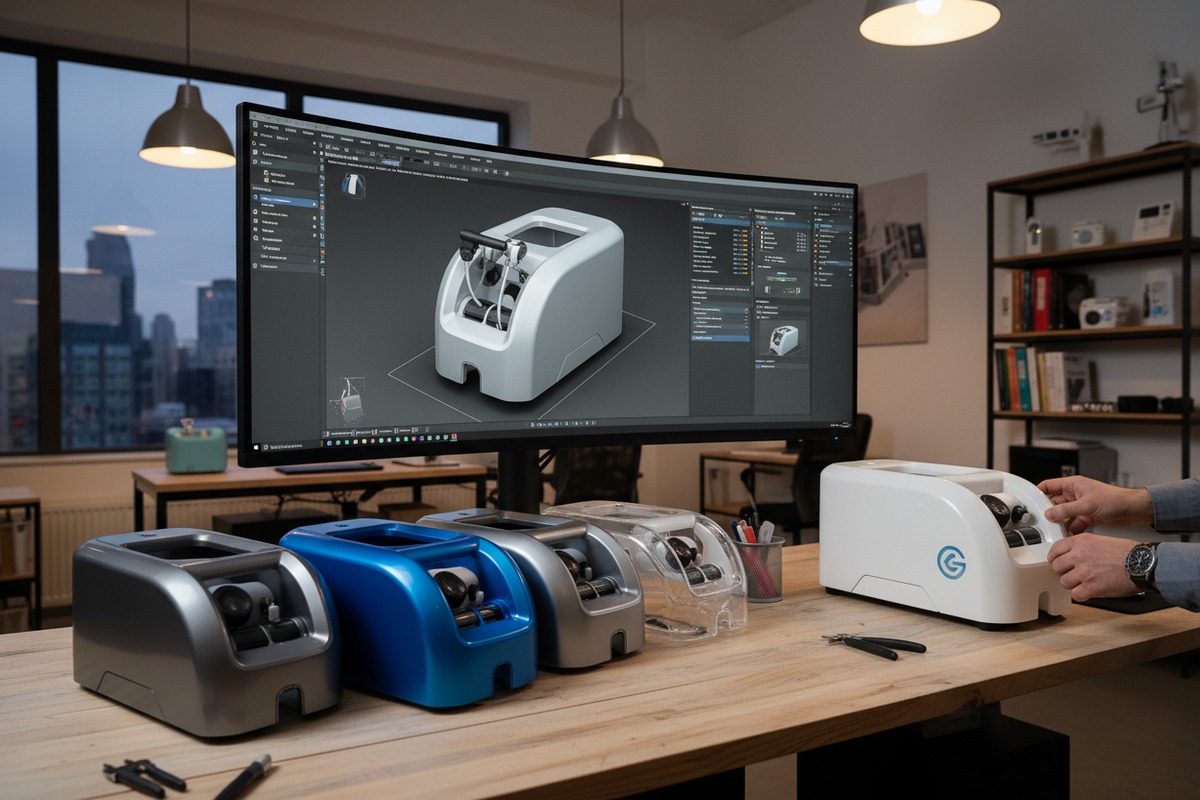
Our design team offers multiple levels of customization. You can start simple or go fully custom.
| Customization Level | What's Included | Typical Lead Time |
|---|---|---|
| Basic Branding | Logo placement, packaging labels | 2-3 weeks |
| Standard OEM | Custom colors, branded interface, manuals | 4-6 weeks |
| Full Custom | New housing design, unique features, exclusive molds | 12-16 weeks |
Evaluating OEM Partner Capabilities
Not every factory can deliver quality customization. Ask potential suppliers these questions:
- Do you have in-house industrial designers?
- Can you show previous OEM projects?
- What is your minimum order quantity for custom colors?
- How do you handle design revisions?
- Do you provide 3D renders before production?
Design Elements Worth Customizing
The exterior housing matters most. A sleek, modern design signals quality to your customers. Our current product line features angular white bodies with faceted surfaces. We also produce cube-shaped units with rounded edges and glossy finishes.
The control interface is your daily touchpoint with end users. Custom software screens featuring your logo build brand recognition. Password protection adds professional credibility for clinical settings.
Protecting Your Brand Investment
Request exclusivity agreements for custom designs. This prevents the factory from selling identical products to your competitors. Ensure your contract covers intellectual property rights clearly.
Keep master files of all design documents. Store original artwork, CAD files, and packaging templates. This protects you if you ever need to switch suppliers.
What quality control measures should I demand from my supplier to avoid product malfunctions and customer complaints?
Product failures destroy distributor reputations fast. One of our US partners once told me that a single defective unit cost them three months of relationship building with a major clinic chain. Our quality control protocols 7 exist because we learned these lessons too.
Demand incoming material inspection, in-process testing at multiple production stages, functional testing of every unit, cosmetic inspection under standardized lighting, and pre-shipment inspection with photo documentation. Require suppliers to share test reports, accept third-party audits, and provide warranty terms covering parts and labor.
Critical Quality Control Checkpoints
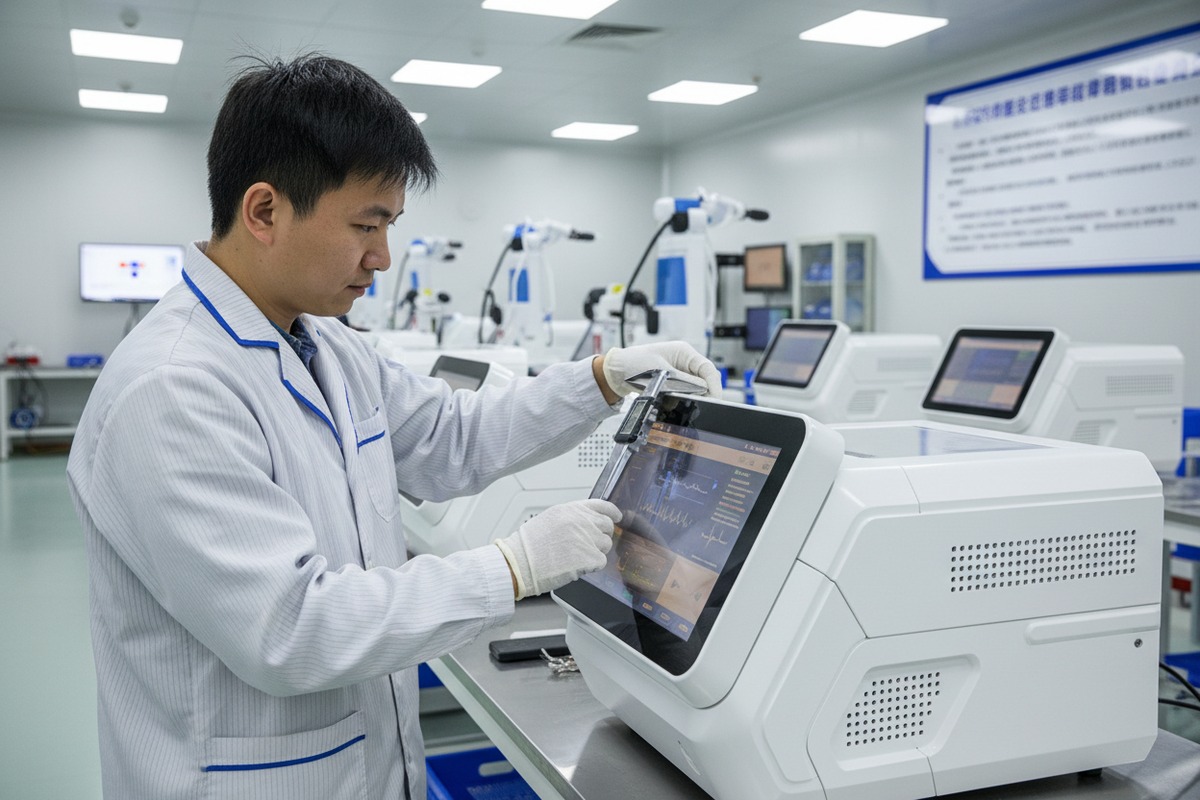
Quality control must happen throughout production, not just at the end. Our process includes these stages:
| Stage | Inspection Focus | Pass Criteria |
|---|---|---|
| Incoming Materials | Component specifications, supplier certificates | 100% compliance |
| Assembly | Correct installation, solder quality, wire routing | Zero defects |
| Functional Testing | All modes operational, parameter accuracy | Within ±5% |
| Burn-in Test | 4-hour continuous operation | No failures |
| Final Inspection | Cosmetics, accessories, packaging | Customer standards |
Key Performance Tests to Require
Shockwave machines must deliver consistent energy output. We test every handpiece with calibrated measurement equipment. The pressure range must match specifications exactly. Frequency accuracy affects treatment effectiveness.
Ask your supplier about these specific tests:
- Energy output consistency across full pressure range
- Frequency stability during extended operation
- Bullet/projectile lifespan verification
- Touch screen responsiveness testing
- Safety interlock function verification
Documentation You Should Receive
Professional suppliers provide comprehensive documentation. Before each shipment, request:
- Individual unit test reports
- Batch material certificates
- Calibration records for test equipment
- Photos of final inspection
- Packing list with serial numbers
Third-Party Inspection Options
Consider hiring independent inspection agencies. Companies like SGS, Bureau Veritas, or Intertek offer pre-shipment inspection services. They verify your supplier's claims objectively.
For your first orders with a new supplier, third-party inspection provides peace of mind. The cost is minimal compared to receiving defective goods.
Handling Warranty and Returns
Establish clear warranty terms before ordering. Our standard coverage includes 12 months for the main unit and 6 months for handpieces. We stock replacement parts and offer troubleshooting support via video calls.
Understand the return process for defective units. Shipping medical equipment internationally for repairs is expensive. A good supplier will cross-ship replacements to minimize your downtime.
How can I secure a seamless door-to-door logistics process for my bulk shockwave therapy machine orders?
Logistics failures cause the most frustrating delays in our business. Goods sitting in customs or damaged during transit cost more than the shipping fees. Our logistics team has developed systems to prevent these problems before they happen.
Secure seamless door-to-door logistics by choosing a supplier who handles export documentation, partners with reliable freight forwarders, provides proper medical device packaging, offers shipment tracking, and manages customs clearance coordination. Verify insurance coverage and establish clear communication protocols for shipment updates.

Understanding Door-to-Door Service Scope
True door-to-door logistics means your supplier handles everything. From our warehouse in Guangzhou to your warehouse in Los Angeles, you should not need to coordinate multiple parties.
The service should include:
- Export customs clearance in China
- Ocean or air freight booking
- Destination customs documentation support
- Final mile delivery to your address
- Shipment tracking and status updates
Packaging Requirements for Safe Transit
Shockwave machines are sensitive equipment. Standard cardboard boxes are not enough. Our packaging specifications protect units through rough handling.
Each machine gets:
- Custom foam inserts molded to unit shape
- Double-wall corrugated outer cartons
- Moisture barrier bags for ocean freight
- Corner protectors for pallet shipments
- Shock indicators to detect mishandling
Typical package dimensions run around 57.5×48×42cm with weight around 30.5kg. Plan pallet configurations accordingly for bulk orders.
Choosing Between Air and Sea Freight
| Factor | Air Freight | Sea Freight |
|---|---|---|
| Transit Time | 5-10 days | 25-40 days |
| Cost per Unit | $150-300 | $50-100 |
| Minimum Practical Quantity | 1-5 units | 10+ units |
| Risk of Damage | Lower | Higher |
| Customs Clearance Speed | Faster | Standard |
For urgent orders or small quantities, air freight makes sense. Bulk orders benefit from sea freight savings. Many distributors use a hybrid approach. They ship initial stock by air and replenish by sea.
Documentation for Smooth Customs Clearance
Medical devices require specific paperwork. Missing documents cause delays and storage fees. Ensure your supplier provides:
- Commercial invoice with accurate HS codes
- Packing list with weights and dimensions
- Certificate of Origin
- FDA registration documentation (for US imports)
- CE certificates (for EU imports)
- Product technical specifications
Communication Protocols During Transit
Establish clear communication expectations. Our service team sends proactive updates at key milestones:
- Order confirmation with production schedule
- Quality inspection completion notice
- Shipment booking confirmation with vessel/flight details
- Departure notification with tracking numbers
- Arrival and customs status updates
- Final delivery confirmation
WhatsApp works well for quick updates. Email creates a paper trail for important documents. Use both.
Insurance and Risk Management
Insure every shipment. Standard carrier liability limits are far below the value of medical equipment. Request certificates of insurance showing adequate coverage.
Understand Incoterms carefully 8. DDP (Delivered Duty Paid) transfers all risk to your supplier. FOB (Free on Board) transfers risk to you once goods board the vessel. The price difference reflects this risk allocation.
Conclusion
Sourcing shockwave therapy machines requires careful decisions about technology, customization, quality, and logistics. Partner with an experienced manufacturer who understands your market needs and can deliver consistent quality with reliable service.
Footnotes
1. Explains the requirements and process for obtaining CE marking for medical devices. ↩︎
2. Replaced HTTP 404 with working URL from the same authoritative domain explaining pneumatic shockwave therapy. ↩︎
3. Discusses low-intensity extracorporeal shockwave therapy for erectile dysfunction. ↩︎
4. Details the principles and mechanism of electromagnetic shockwave therapy. ↩︎
5. Replaced HTTP 404 with working Wikipedia page providing a comprehensive definition of sports medicine. ↩︎
6. Provides official FDA classification details for extracorporeal shockwave devices. ↩︎
7. Details essential quality control processes and standards for medical device manufacturing. ↩︎
8. Replaced HTTP 404 with working URL from the International Chamber of Commerce (ICC), the official publisher of Incoterms. ↩︎

 English
  Español de México
  Deutsch
  Français
  العربية
  Русский