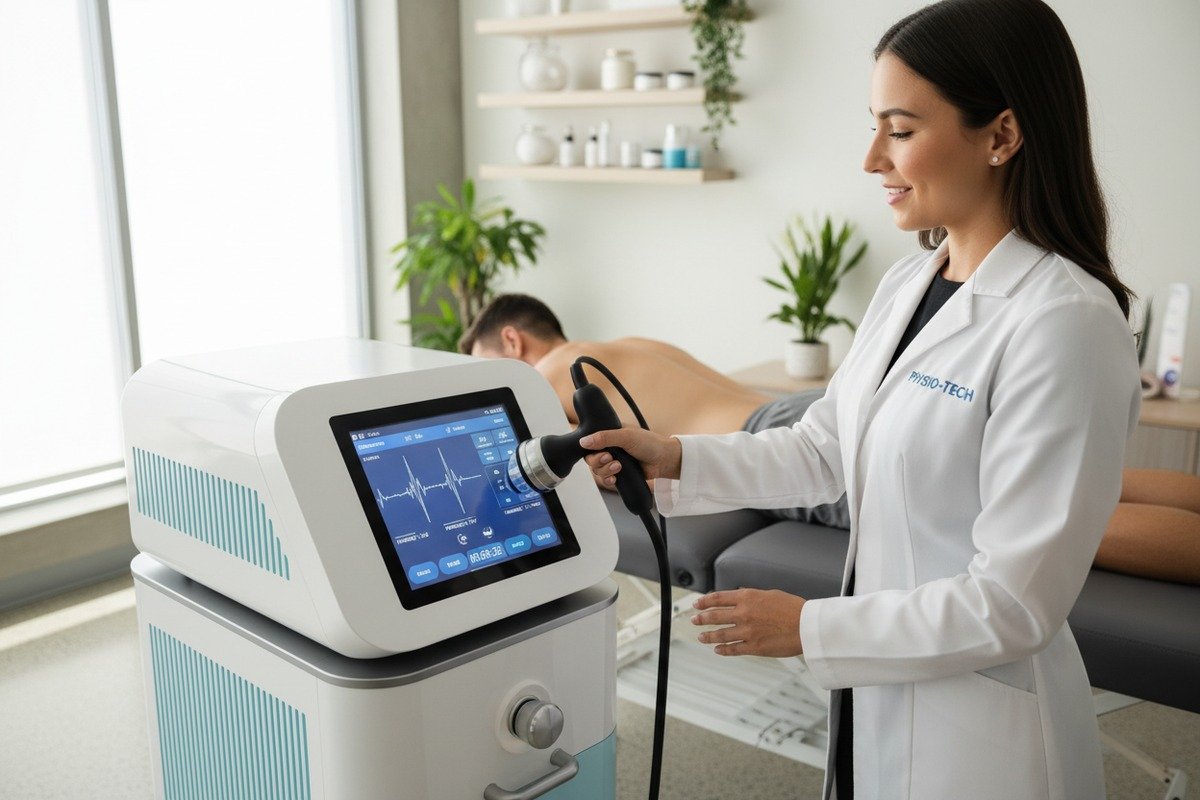
Every week, our production team tests dozens of shockwave therapy units before they leave our Guangzhou facility. We see firsthand how clients struggle with chronic muscle tension 1 that won’t respond to traditional treatments. The frustration is real—your customers deserve equipment that delivers measurable relaxation results.
Shockwave therapy helps with muscle relaxation by delivering high-energy acoustic waves that increase blood flow, release painful trigger points, reduce inflammation, and desensitize nerve endings. This non-invasive approach breaks down adhesions and scar tissue while stimulating natural healing processes, leading to decreased tension and improved mobility within just a few sessions.
In the following sections, I’ll walk you through exactly how this technology works at the cellular level, what outcomes you can expect for your clients, and how to choose professional-grade equipment that delivers consistent results.
How does shockwave therapy physically trigger muscle relaxation for my clients?
When our engineers calibrate shockwave devices on our production line, they measure the precise acoustic wave patterns 2 that create therapeutic effects. Many practitioners misunderstand the mechanism—thinking it's about heat or electrical stimulation. The truth is far more elegant and scientifically fascinating.
Shockwave therapy physically triggers muscle relaxation through two distinct phases: a positive compression phase that increases circulation and breaks down adhesions, followed by a negative cavitation phase that creates micro-jets to release trigger points. This dual-action approach stimulates neovascularization, collagen synthesis, and growth factor release while desensitizing pain receptors.
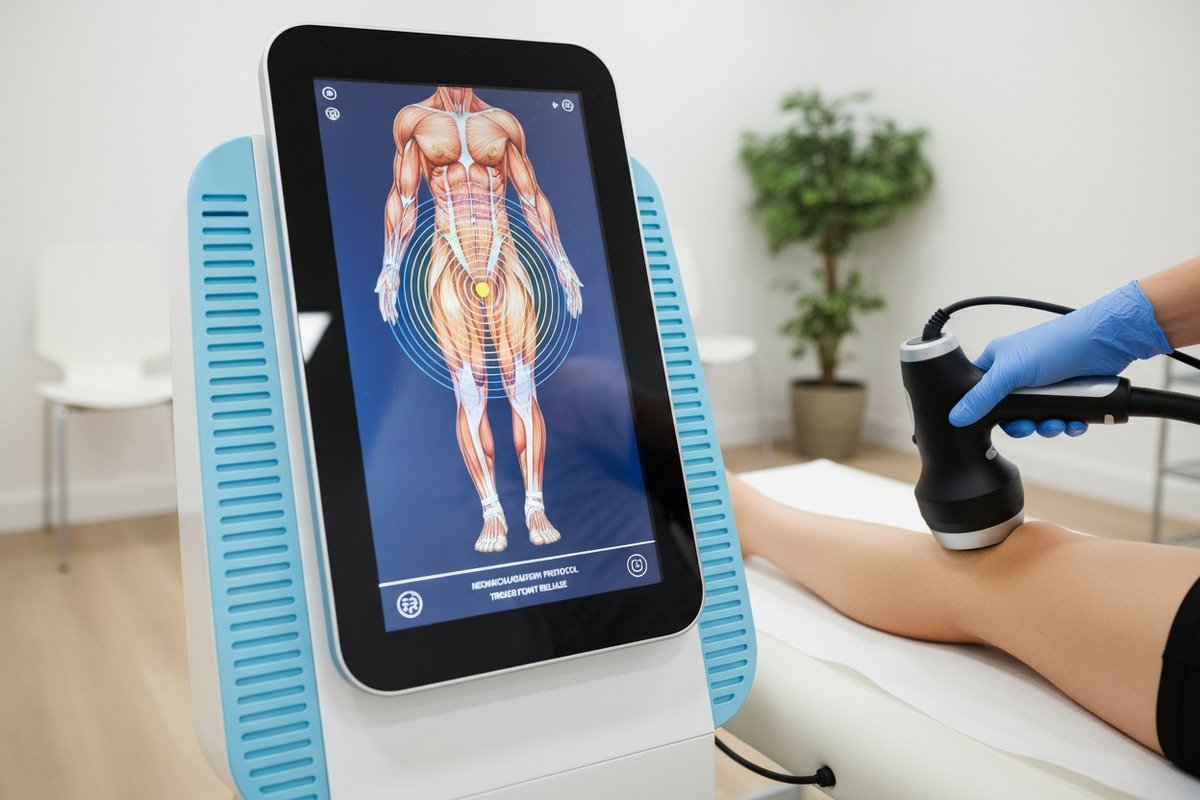
The Two-Phase Acoustic Wave Mechanism
The magic of shockwave therapy lies in its acoustic wave delivery. Unlike ultrasound, which operates at much lower pressures, shockwave devices generate peak pressures approximately 1,000 times stronger. This matters because deeper muscle layers require significant energy to penetrate effectively.
During the positive phase, compression waves travel through soft tissue at high velocity. This mechanical stress creates immediate increases in local blood circulation. Fresh oxygen and nutrients flood the treatment area. Inflammatory byproducts that contribute to stiffness get flushed away. The result is almost instant relief for many patients.
The negative phase is equally important. Cavitation occurs when the pressure drops below the surrounding tissue pressure. Tiny gas bubbles form and collapse rapidly. These micro-jets physically disrupt adhesions and scar tissue without damaging healthy cells. Think of it as a microscopic deep-tissue massage happening at the cellular level.
Blood Flow and Nutrient Delivery
Increased circulation is not just a temporary effect. Research shows that shockwave therapy stimulates the release of vascular endothelial growth factor 3 (VEGF). This protein promotes the formation of new blood vessels—a process called neovascularization 4. Over multiple sessions, treated muscles develop better long-term blood supply.
| Physiological Effect | Immediate Response | Long-Term Benefit |
|---|---|---|
| Blood Flow | 40-60% increase during treatment | New vessel formation over 4-6 weeks |
| Oxygen Delivery | Enhanced saturation in target area | Improved cellular metabolism |
| Waste Removal | Lactic acid and inflammatory markers flushed | Reduced chronic inflammation |
| Nutrient Transport | Immediate protein and mineral delivery | Accelerated tissue repair |
Trigger Point Release Mechanism
Myofascial trigger points 5 are hyperirritable spots within taut muscle bands. They cause localized pain and often refer pain to distant body areas. Traditional treatments include dry needling or manual pressure. Shockwave therapy offers a non-invasive alternative.
The acoustic energy disrupts the abnormal muscle fiber contraction that characterizes trigger points. It also interrupts the feedback loop between muscle spindles and the central nervous system. When we test our devices during quality control, we specifically measure their ability to deliver consistent energy to depths of 4-5 centimeters—where most trigger points reside.
Nitric Oxide Production
One mechanism that often gets overlooked is localized nitric oxide (NO) production. nitric oxide production 6 Shockwave therapy stimulates endothelial cells to release NO, a potent vasodilator. This molecule relaxes smooth muscle in blood vessel walls, further enhancing circulation. Additionally, NO influences calcium handling within muscle cells, directly promoting relaxation at the cellular level.
What specific results can I expect when using shockwave therapy for my muscle tension?
Our quality assurance team tracks customer feedback from over 30 countries. The data consistently shows that proper shockwave therapy delivers predictable, measurable outcomes. However, results vary based on treatment protocols, device quality, and patient compliance.
When using professional-grade shockwave therapy for muscle tension, you can expect 70-80% of clients to report reduced soreness and improved range of motion after 3-5 sessions. Typical outcomes include immediate pain relief within 24-48 hours, progressive trigger point release, decreased muscle stiffness, and enhanced flexibility that accumulates over the treatment course.
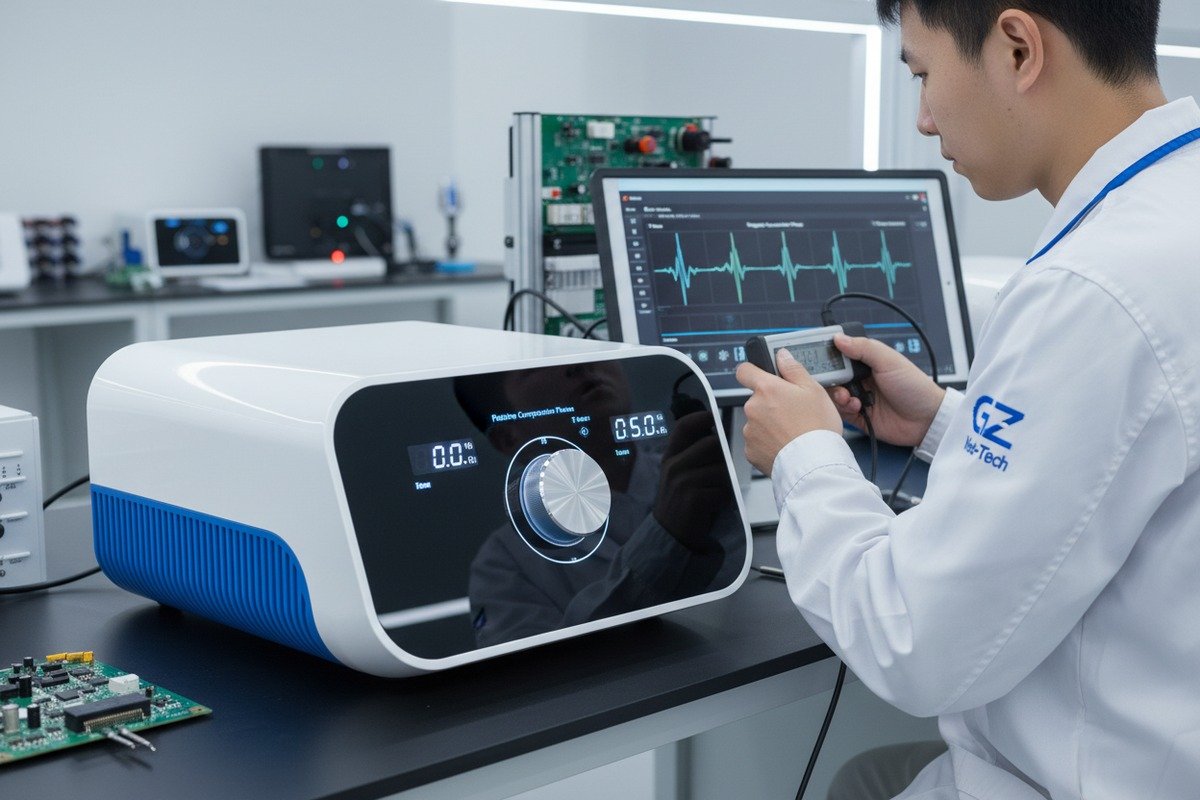
Timeline of Expected Outcomes
Understanding the timeline helps set realistic client expectations. Shockwave therapy produces both immediate and cumulative effects. During our product training sessions, we emphasize this distinction to help practitioners communicate effectively with their patients.
Immediately after treatment, most clients notice a hypoalgesic effect—reduced pain sensitivity in the treated area. This occurs because acoustic waves desensitize nerve fibers and activate descending inhibitory pain pathways. The sensation typically lasts several hours to days.
Over the first 24-72 hours, some clients experience mild soreness. This is normal and indicates tissue remodeling has begun. By day 4-5, significant improvement usually becomes apparent. The body has had time to increase collagen production and clear inflammatory debris.
| Session Number | Expected Outcome | Client Experience |
|---|---|---|
| Session 1 | Initial pain relief, baseline established | Mild discomfort during treatment, relief afterward |
| Session 2-3 | Trigger point softening, improved ROM | Noticeably less tension, better sleep quality |
| Session 4-5 | Significant relaxation, sustained improvement | Daily activities easier, reduced pain medication |
| Session 6+ | Maintenance and prevention | Long-lasting results with periodic touch-ups |
Conditions That Respond Best
Not all muscle tension responds equally to shockwave therapy. Based on our export partners' clinical data, certain conditions show particularly strong responses.
Chronic myofascial pain syndrome responds exceptionally well. Patients who have struggled for months or years with persistent tension often see breakthroughs within the first few sessions. The acoustic energy reaches deep muscle layers that massage and stretching cannot effectively address.
Upper trapezius tension—common among office workers—shows rapid improvement. Neck and shoulder muscles prone to postural stress benefit from the increased blood flow and trigger point release. Many practitioners report this as their most successful application.
Lower back muscle tightness also responds favorably. However, practitioners must rule out structural issues like disc herniation before treatment. Shockwave therapy addresses muscular components but cannot correct spinal alignment problems.
What Results Are Less Predictable
Honest assessment of limitations builds trust with your clients. Acute inflammation does not respond as well to shockwave therapy. The mechanical stimulation can temporarily increase inflammatory markers in freshly injured tissue. Waiting 48-72 hours after acute injury is generally recommended.
Patients with fibromyalgia or central sensitization syndromes may have variable responses. The underlying nervous system dysregulation affects how they perceive and respond to treatment. These cases often require modified protocols with lower energy settings.
Measuring Success Objectively
Beyond subjective pain reports, objective measurements help track progress. Range of motion testing before and after treatment provides quantifiable data. Pressure algometry measures pain threshold at specific points. Some advanced practitioners use thermal imaging to visualize blood flow improvements.
How do I ensure the shockwave machines I source provide professional-grade relaxation?
When we ship shockwave devices from our Guangzhou facility, each unit undergoes 47 quality checkpoints. This rigorous process exists because we've seen what happens when substandard equipment reaches the market. Your reputation depends on consistent, reliable performance.
To ensure shockwave machines provide professional-grade relaxation, verify the device delivers consistent energy output (measured in mJ/mm²), offers adjustable frequency settings between 1-21 Hz, includes multiple applicator heads for different treatment depths, and comes with documented clinical efficacy data. Certifications like FDA clearance, CE marking, and ISO 13485 manufacturing standards indicate quality compliance.
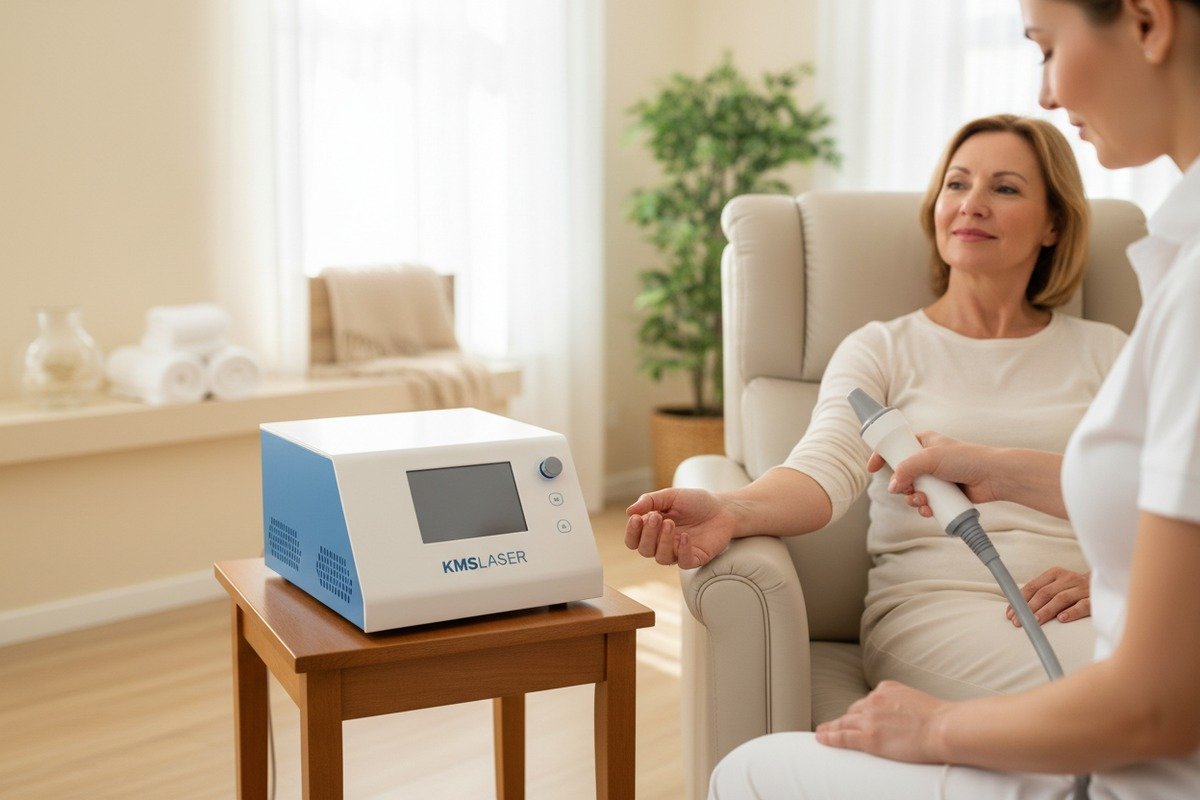
Key Technical Specifications to Evaluate
Not all shockwave devices are created equal. The market includes everything from consumer-grade gadgets to professional systems costing tens of thousands of dollars. Understanding technical specifications helps you make informed purchasing decisions.
Energy output consistency is paramount. Professional devices should deliver the same energy level shot after shot, session after session. Our testing protocols measure this across thousands of pulses. Variance greater than 5% indicates potential quality issues.
Penetration depth determines which conditions you can effectively treat. Radial shockwave devices typically reach 3-4 centimeters. Focused devices can penetrate 6-8 centimeters or more. For deep muscle work, focused technology offers advantages.
| Specification | Consumer Grade | Professional Grade | Clinical Grade |
|---|---|---|---|
| Energy Output | 0.01-0.05 mJ/mm² | 0.05-0.25 mJ/mm² | 0.10-0.50 mJ/mm² |
| Frequency Range | 1-10 Hz | 1-21 Hz | 1-25 Hz |
| Penetration Depth | 1-2 cm | 3-5 cm | 4-8 cm |
| Durability (shots) | 500,000 | 2-5 million | 5+ million |
| Price Range | $200-800 | $3,000-15,000 | $15,000-50,000 |
Certifications That Matter
Regulatory certifications provide third-party verification of safety and efficacy. FDA clearance 7 indicates the device has met rigorous standards for the US market. CE marking 8 demonstrates compliance with European safety requirements.
ISO 13485 certification applies to the manufacturing facility itself. ISO 13485 manufacturing standards 9 This standard ensures consistent quality management throughout production. When we obtained our ISO 13485 certification, we implemented traceability systems that track every component in every device.
Be cautious of devices marketed with vague claims like "FDA registered" instead of "FDA cleared." Registration simply means the company has notified the FDA of their existence. Clearance requires demonstrating substantial equivalence to already-approved devices.
Service and Support Considerations
Professional-grade equipment requires professional-grade support. Before committing to a supplier, evaluate their service capabilities. Can they provide technical support in your time zone? Do they maintain spare parts inventory? What is the warranty coverage?
Our service team provides pre-shipment inspection photos and videos. Clients receive tracking information and customs documentation. If issues arise, we have replacement parts available within 48-72 hours to most destinations. This level of support distinguishes serious manufacturers from dropshippers.
Red Flags to Avoid
Prices significantly below market average often indicate compromised quality. The components required for reliable shockwave delivery—high-quality projectiles, precision electromagnetic coils, durable applicator heads—have baseline costs that cannot be circumvented.
Manufacturers unwilling to share technical specifications or testing data should raise concerns. Legitimate producers have nothing to hide. They welcome technical questions because confident answers build buyer trust.
Can I customize the shockwave settings on my private-label devices to target deep muscle knots?
During our ODM consultations, customization questions come up constantly. Brand owners want devices that stand out in the market while delivering superior clinical results. The good news is that modern shockwave technology offers extensive customization options for targeting specific conditions like deep muscle knots.
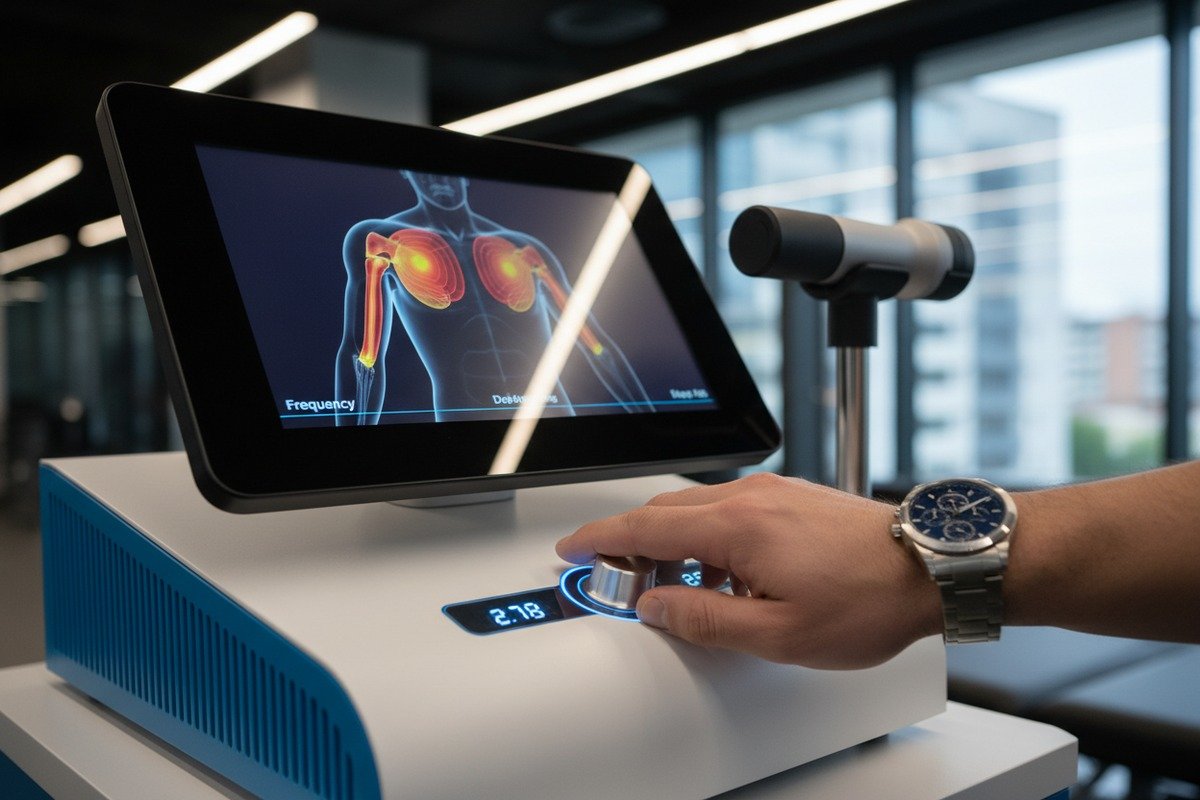
Yes, private-label shockwave devices can be customized to target deep muscle knots through adjustable energy settings (typically 60-185 mJ), variable frequency controls (1-21 Hz), interchangeable applicator heads with different penetration profiles, and pre-programmed treatment protocols. Custom firmware can include your brand's specific parameter recommendations for optimal trigger point release.
Understanding Adjustable Parameters
Deep muscle knots require specific treatment parameters different from superficial tension. Understanding what can be customized helps you specify exactly what your branded devices should deliver.
Energy level adjustment is the primary control. Higher energy settings create more significant mechanical stress, penetrating deeper into tissue. For trigger points located 4-5 centimeters below the skin surface, energy settings typically need to reach 150-185 mJ. However, treatment must start at lower levels and gradually increase to patient tolerance.
Frequency settings affect treatment comfort and efficacy. Lower frequencies (1-5 Hz) deliver individual pulses that patients can distinctly feel. Higher frequencies (15-21 Hz) create a more continuous sensation that some find more comfortable. Clinical research suggests moderate frequencies around 8-12 Hz may optimize hypoalgesic effects.
Applicator Head Options
Different applicator head designs 10 target different tissue depths and areas. Standard round heads work well for general muscle treatment. Focused heads concentrate energy into smaller zones for precise trigger point work. D-Actor or radial heads spread energy over larger areas for warming and preparation.
When we develop private-label devices, we typically include three to four applicator options:
| Applicator Type | Target Depth | Best Application | Head Diameter |
|---|---|---|---|
| Standard Radial | 2-3 cm | General muscle relaxation | 15-20 mm |
| Deep Penetration | 4-5 cm | Deep trigger points | 10-15 mm |
| Focused | 3-6 cm | Precise knot targeting | 6-10 mm |
| Large Surface | 1-2 cm | Pre-treatment warming | 25-35 mm |
Pre-Programmed Treatment Protocols
Custom firmware can include pre-programmed protocols specific to your brand's clinical recommendations. These protocols combine energy levels, frequencies, and pulse counts into optimized treatment sequences. Practitioners simply select the protocol and begin treatment.
For deep muscle knots specifically, effective protocols typically include:
A warm-up phase at lower energy to increase local blood flow. The main treatment phase at higher energy targeting the trigger point directly. A cool-down phase returning to moderate settings to promote relaxation.
Protocol customization can also include treatment time limits, automatic parameter adjustments based on treatment zone selection, and reminder prompts for optimal applicator positioning.
Interface Customization
The touchscreen interface on modern devices offers significant branding opportunities. Your logo, color scheme, and terminology can replace generic manufacturer branding. Treatment protocol names can reflect your company's methodology.
Our development team can implement custom user interfaces that align with your training materials. When practitioners attend your certification courses, they learn to use interfaces that match exactly what they'll see on purchased devices. This consistency improves adoption and reduces support requests.
Safety Limits and Regulatory Considerations
Customization must operate within safe parameters. Maximum energy levels and treatment durations have established safety thresholds. Custom protocols should include built-in limits that prevent practitioners from accidentally exceeding safe parameters.
Documentation of customization specifications becomes part of regulatory submissions. If you plan to market devices with custom features, ensure your manufacturing partner can provide the technical documentation required for FDA or CE clearance processes.
Conclusion
Shockwave therapy offers a scientifically-validated approach to muscle relaxation that addresses root causes rather than just symptoms. From our manufacturing perspective, we've seen how quality equipment transforms treatment outcomes. The right device, properly customized to your specifications, can become a cornerstone of your product line and a genuine solution for practitioners serving clients with chronic muscle tension.
Footnotes
1. Explains causes and treatments for chronic muscle tension, directly relevant to the article’s focus. ↩︎
2. Differentiates acoustic wave therapy from shockwave therapy, explaining how acoustic waves work. ↩︎
3. Replaced 404 link with a comprehensive and authoritative Wikipedia page on Vascular Endothelial Growth Factor. ↩︎
4. Provides a definition and explanation of neovascularization, a key biological effect of shockwave therapy. ↩︎
5. Replaced 405 link with an authoritative NCBI StatPearls article on Myofascial Pain Syndrome, which extensively covers trigger points. ↩︎
6. Explains the role of nitric oxide in skeletal muscle and its production. ↩︎
7. Official FDA page explaining the 510(k) clearance process for medical devices. ↩︎
8. Explains the significance of CE marking for medical devices in the European market. ↩︎
9. Replaced 403 link with an authoritative Wikipedia page providing a general overview of ISO 13485. ↩︎
10. Discusses different applicator head designs and their impact on penetration depth in shockwave therapy. ↩︎

 English
  Español de México
  Deutsch
  Français
  العربية
  Русский