
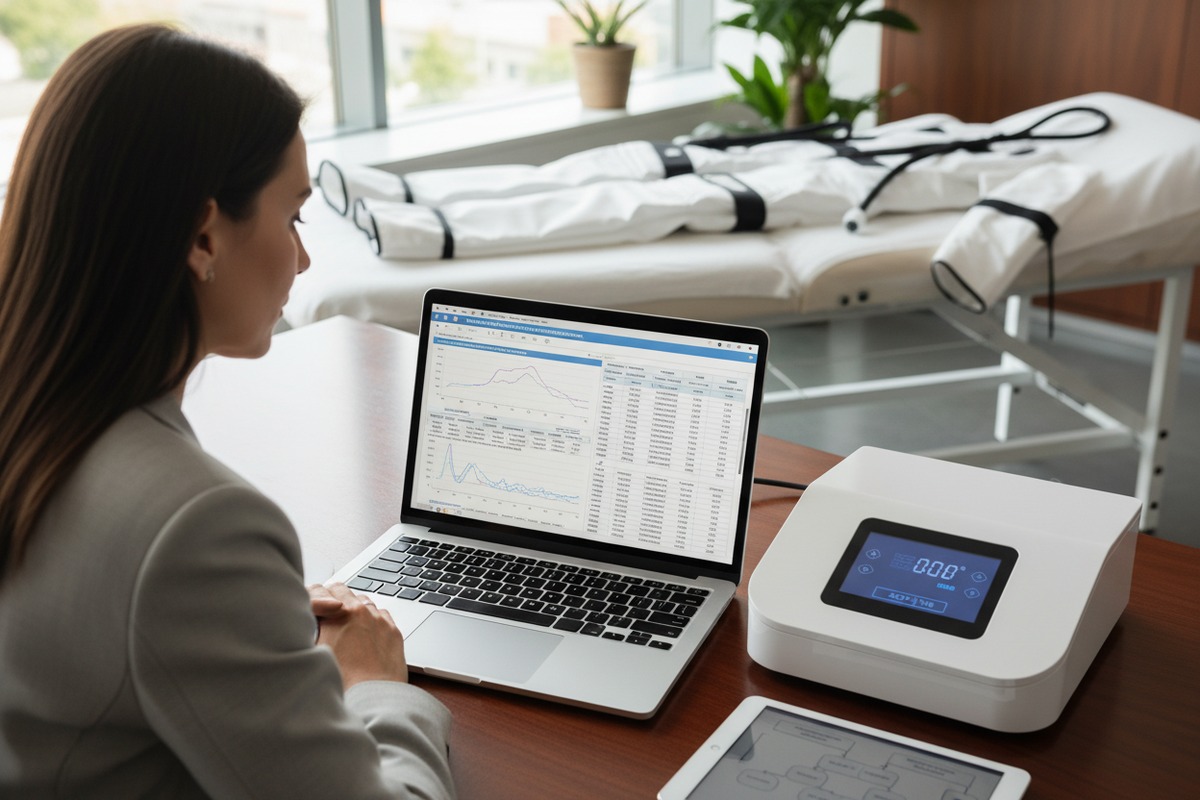
Running a production line for pressotherapy equipment taught us one hard truth: buyers who skip verifying test data end up with machines that fail in busy salons Health Canada 2. Your US clients demand equipment that performs flawlessly day after day.
To request continuous operation test data from pressotherapy machine suppliers, ask for certified documentation including functional test reports, durability logs with timestamps, failure mode analysis, and third-party validation certificates. Demand raw data files, not just summary statements, and verify all certifications are current and applicable to your specific machine model.
The following sections break down exactly what documentation to request, how to verify its authenticity, and which questions separate reliable suppliers from those cutting corners MDSAP certifications 3. Let us walk you through every step.
How do I verify that my supplier's continuous operation test data is authentic and accurate?
During our years exporting to the US market, we have encountered buyers who rece 4ived impressive-looking test reports that turned out to be fabricated. Fake documentation wastes your time and destroys trust with your salon clients.
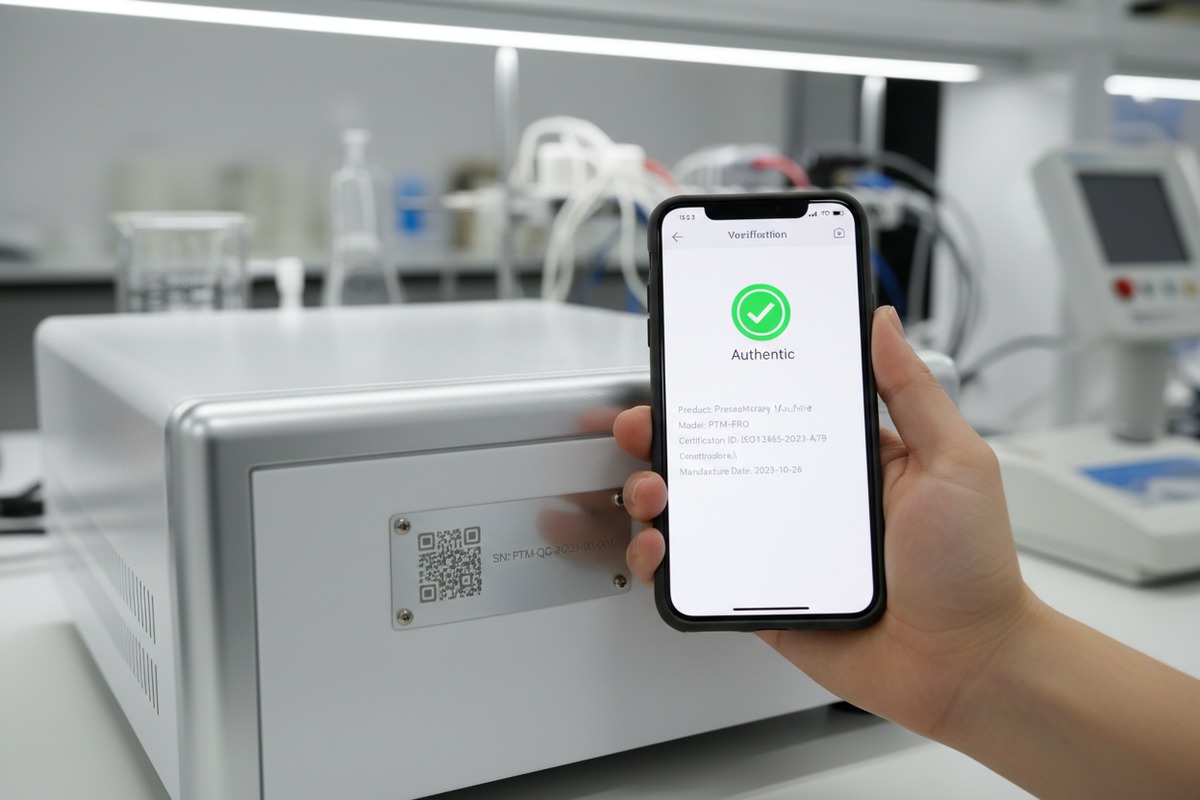
Verify continuous operation test data authenticity by cross-referencing certification numbers with issuing bodies, requesting raw data files with timestamps, asking for photos or videos of the testing process, and confirming the test lab’s accreditation status through official databases like ANAB or A2LA.
Check Certification Validity First
The first step is confirming that any certifications attached to test reports are genuine. All IPC devices should meet industry safety and performance standards, holding certifications from the FDA 5, NRTL, CE, and Health Canada, and manufacturing facilities should achieve ISO 13485 6 and MDSAP certifications. You can verify these certifications directly with the issuing bodies.
ISO 13485 certification is a formal recognition that a company's QMS meets the rigorous requirements of the medical device industry 7. It demonstrates a commitment to maintain high standards for the safety, quality, and consistency of medical devices throughout their lifecycle.
Request Raw Data, Not Summaries
Many suppliers provide polished summary reports that hide critical details. You should demand:
- Original test log files with timestamps
- Equipment calibration records
- Operator identification and qualifications
- Environmental conditions during testing
- Sample size and selection methodology
Regulatory bodies like the FDA, the European Medicines Agency 8, and other international regulators impose strict guidelines that must be followed to ensure a device's safety and effectiveness. These guidelines can be extensive, requiring detailed documentation, thorough testing protocols, and repeated validation steps.
Cross-Reference Test Lab Accreditation
| Verification Step | What to Check | Where to Verify |
|---|---|---|
| Lab Accreditation | ISO 17025 status | ANAB or ILAC database |
| Certification Body | Notified Body status | EU NANDO database |
| FDA Registration | Facility registration number | FDA Establishment Registration |
| CE Marking | Declaration of Conformity | Manufacturer records |
Watch for Red Flags
Be suspicious if a supplier:
- Refuses to provide original test files
- Cannot name the specific test laboratory
- Provides certificates without traceable reference numbers
- Has dates that seem inconsistent or altered
- Offers only summary statements without supporting data
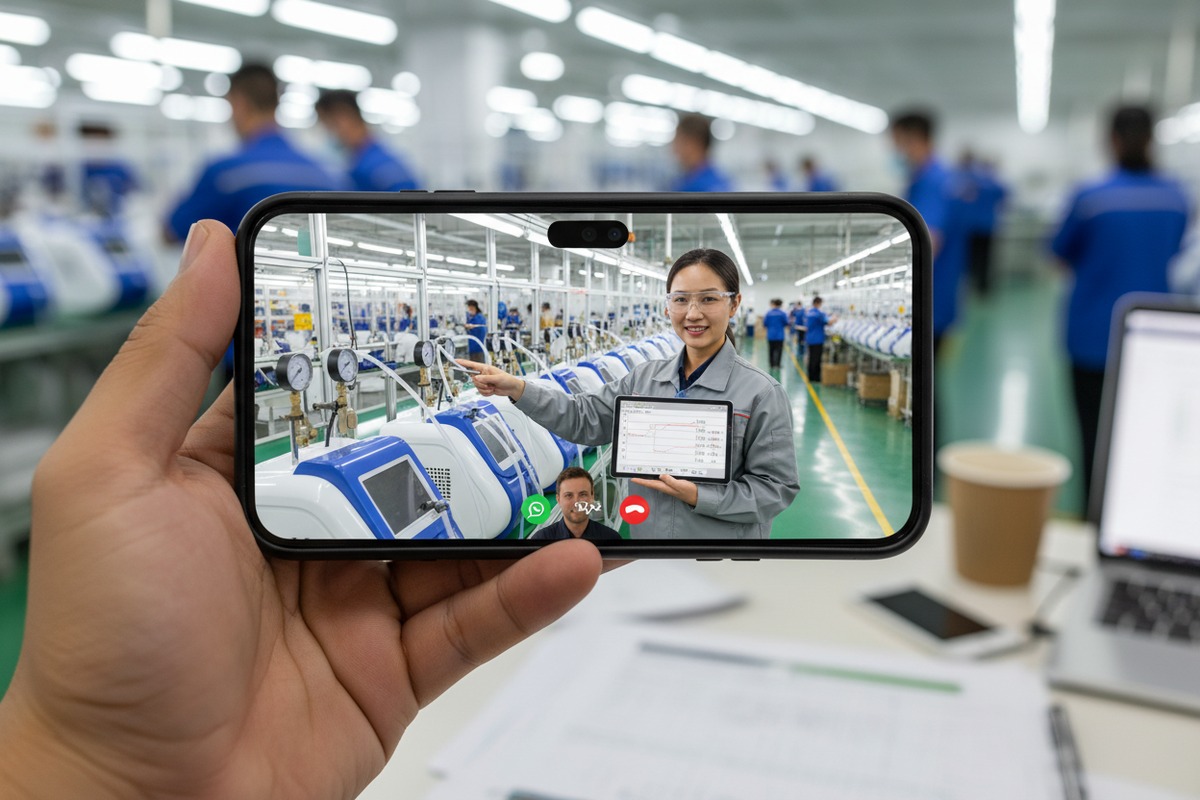
Our engineering team always recommends requesting a video call where the supplier can walk you through their testing facility. Legitimate manufacturers welcome this transparency.
What specific questions should I ask to get a comprehensive stability report for my pressotherapy machines?
When our QC team develops inspection checklists for pressotherapy systems, we focus on the questions that reveal whether a machine will last through thousands of salon sessions. Generic questions get generic answers.
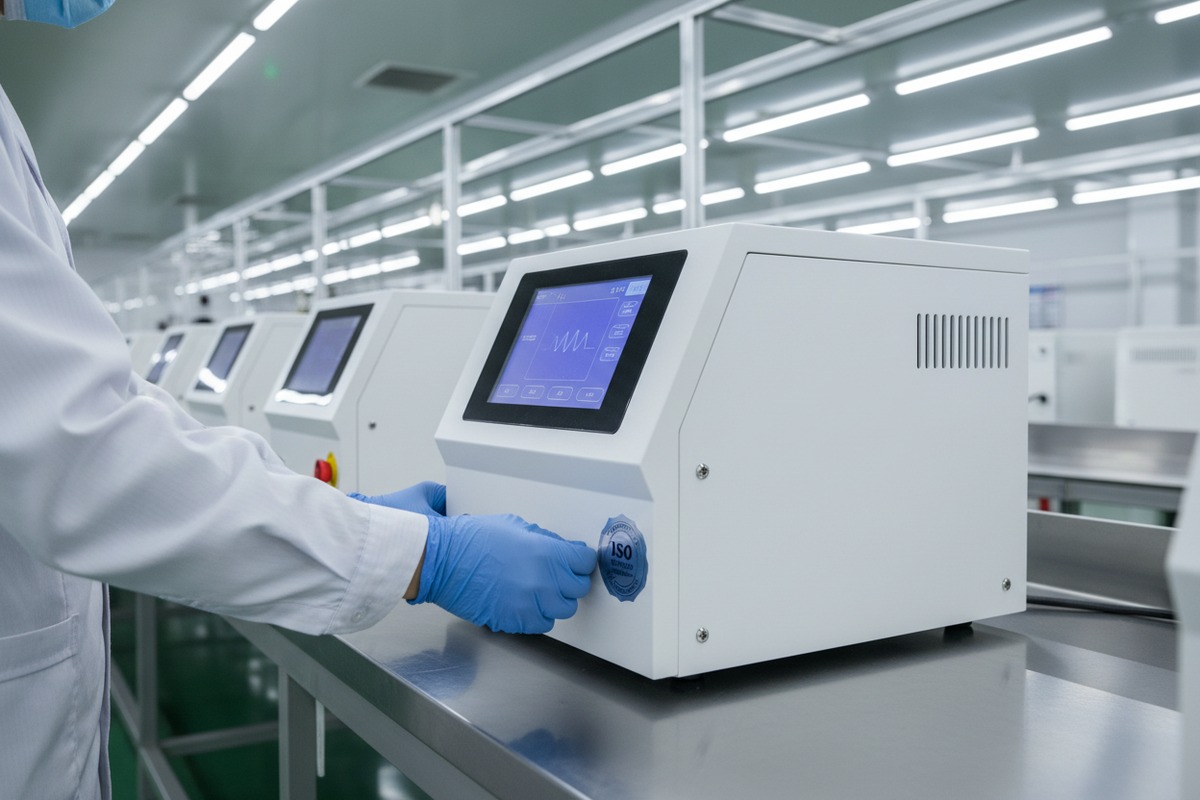
Ask suppliers about mean time between failures (MTBF), accelerated aging test results, air chamber cycle counts, pressure consistency measurements over 500+ hours, component failure mode analysis, and environmental stress testing data including temperature and humidity extremes.
Questions About Testing Duration and Conditions
Performance testing is critical in the design, development and compliance process for medical devices. It involves evaluating a device to ensure that it meets predefined standards, functions as intended, and performs safely and reliably under expected conditions. This testing assesses various aspects of the device, including its functionality, reliability, and safety.
You should ask:
- How many continuous operation hours did you test?
- What was the duty cycle during testing?
- Were tests conducted at room temperature only, or across multiple environmental conditions?
- How many units were tested to generate this data?
Questions About Failure Modes
Reliability testing determines a device's ability to function reliably over time under various conditions. It may involve accelerated aging testing, stress testing, and environmental testing. Durability testing assesses a device's resistance to wear and tear, including mechanical stress, temperature extremes, and humidity.
| Question Category | Specific Questions to Ask |
|---|---|
| Component Lifespan | What is the expected lifespan of air chambers? How many inflation cycles before replacement? |
| Pump Durability | What is the compressor rated life? Has it been validated through testing? |
| Electronics | What is the MTBF for the control board? How was this calculated? |
| Software | How was software stability validated during continuous operation? |
| Connections | How were air tube connections tested for leak resistance over time? |
Questions About Pressure Consistency
Longest Medical's IPC devices are equipped with premium compression sensors. These sensors can monitor the applied pressure and provide feedback to ensure the device functions correctly and applies the desired pressure, thus guaranteeing effective and safe treatment.
Ask specifically:
- What was the pressure variance after 100 hours vs. 500 hours of operation?
- How does pressure accuracy degrade over the product lifespan?
- What calibration frequency is required to maintain accuracy?
Questions About Environmental Testing
Functional testing ensures that the device performs its primary functions as intended, while reliability testing verifies its consistency over time and across different environments. Stress and environmental testing determine how the device behaves under extreme conditions, such as high temperatures or humidity.
Essential environmental questions include:
- What temperature range was the device tested at?
- Was humidity cycling performed?
- Were altitude or atmospheric pressure variations considered?
- How does the device perform after storage in non-climate-controlled environments?
Can I request custom stress test logs for my private-labeled equipment to ensure long-term durability?
Our OEM department regularly receives requests from US brand owners who need documentation specific to their private-labeled products. The answer is yes, but understanding what to ask for makes all the difference.
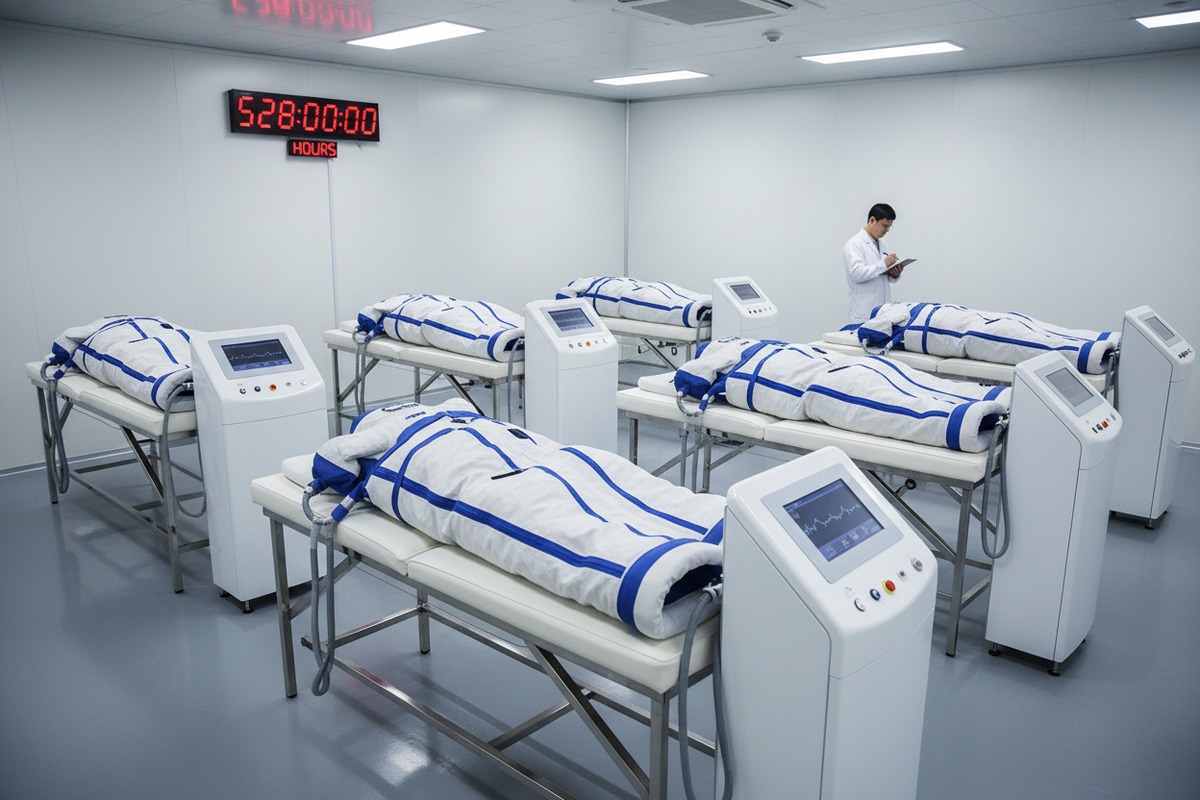
Yes, you can request custom stress test logs for private-labeled equipment. Negotiate testing protocols during the OEM agreement, specify minimum test durations and conditions, require batch-specific test certificates, and include provisions for third-party verification at your chosen laboratory.
What Custom Testing Options Are Available
When working with a capable manufacturer, you can request:
Medical device manufacturers face constant pressure to deliver innovative, reliable products quickly. Accelerated Stress Testing methods like FMVT, HALT, and HASS identify hidden design weaknesses rapidly, reducing development time, minimizing costly recalls, and enhancing patient safety.
| Custom Test Type | Purpose | Typical Duration |
|---|---|---|
| Extended Run Test | Validates operation beyond standard specs | 500-2000 hours |
| Batch Sampling | Tests units from your specific production run | Per batch |
| Component-Specific | Focuses on your areas of concern | Variable |
| Environmental Extremes | Tests for your target climate conditions | 72-168 hours |
| User Simulation | Mimics actual salon usage patterns | 200-500 cycles |
How to Include Testing in Your OEM Contract
Your private label agreement should specify:
- Minimum test requirements – Define exact hours, cycles, and conditions
- Documentation format – Require digital files, not just paper certificates
- Batch traceability – Link test results to specific production batches
- Access rights – Retain permission to share data with your own auditors
- Failure notification – Immediate alerts if any test sample fails
Third-Party Testing Options
Accelerated Stress Testing from Intertek can save time and lead to quality improvements of medical devices, helping get products to market faster. Accelerated Reliability Testing helps uncover design defects or weaknesses that may not have been realized during product design.
Consider requiring:
- Independent laboratory validation of supplier claims
- Split-sample testing where you retain duplicate units
- Annual re-testing for ongoing production
- Witnessed testing at the manufacturing facility
Building Testing Costs Into Your Budget
Custom testing adds cost, but protects your brand reputation. Expect to budget:
- Basic extended run testing: $500-1,500 per model
- Full accelerated life testing: $3,000-8,000 per model
- Third-party laboratory validation: $2,000-5,000 per test series
- On-site witnessed testing: Travel plus $500-1,000 daily
Our experience shows that buyers who invest in proper testing upfront save significantly on warranty claims and customer service costs later.
How do I confirm the test results meet the high-performance standards required by my US salon clients?
Our export team works daily with purchasing managers who need to satisfy demanding US salon owners. These professionals expect equipment that operates reliably through back-to-back appointments without performance degradation.
Confirm test results meet US salon standards by comparing data against industry benchmarks, verifying pressure consistency specifications, checking cycle time accuracy, reviewing noise level measurements, and ensuring all electrical safety certifications comply with UL and FCC requirements for the American market.
Understanding US Market Requirements
The US Food and Drug Administration announced its intention to use ISO 13485 as the basis for its quality system legislation. While pressotherapy machines for aesthetic use may fall under different categories than medical devices, demonstrating compliance with recognized standards builds confidence.
ISO 13485 is the international quality management system 9 standard for medical devices. With patient safety at its heart, it's intended to ensure manufacturers meet both customer and regulatory requirements.
Key Performance Metrics for US Salons
| Performance Metric | Minimum Standard | Preferred Standard |
|---|---|---|
| Pressure Accuracy | ±10% of setting | ±5% of setting |
| Cycle Consistency | <5% variation | <2% variation |
| Continuous Run Time | 8 hours | 12+ hours |
| Recovery Between Sessions | 5 minutes | 2 minutes |
| Noise Level | <65 dB | <55 dB |
| Startup Time | 60 seconds | 30 seconds |
Electrical and Safety Compliance
For US salon use, verify:
- UL Listing – Required for electrical safety in commercial settings
- FCC Part 15 – Electromagnetic compatibility for US market
- ETL or CSA – Alternative safety certifications recognized in US
- OSHA Compliance – Workplace safety requirements for salon environments
Matching Test Data to Salon Usage Patterns
US salons typically operate differently than clinical settings. Consider how test conditions match real usage:
During treatment, the machine will execute multiple cycles of inflation and deflation, with each session typically lasting between 30 to 45 minutes.
Calculate daily demands:
- Sessions per day: 8-12 typical
- Session duration: 30-45 minutes each
- Daily operation: 4-9 hours continuous
- Weekly operation: 25-50 hours
- Annual operation: 1,300-2,600 hours
Your test documentation should demonstrate reliability exceeding these usage patterns by a comfortable margin.
Creating Your Own Acceptance Criteria
Develop a scoring system for evaluating supplier test data:
| Criteria | Weight | Score 1-5 | Notes |
|---|---|---|---|
| Test Duration vs. Expected Use | 20% | Should exceed 2x annual hours | |
| Pressure Consistency Data | 20% | Check variance over time | |
| Component Failure Analysis | 15% | All known failure modes addressed | |
| Environmental Testing | 15% | Matches your installation conditions | |
| Third-Party Validation | 15% | Independent verification present | |
| Documentation Completeness | 15% | Raw data, not just summaries |
Red Flags for US Market Readiness
Be cautious if supplier data shows:
- Testing only at 220V (US uses 110V)
- No UL or equivalent safety certification
- Pressure readings only in kPa (US salons prefer mmHg)
- Documentation only in non-English languages
- No clear path to spare parts availability in US
ISO 13485 outlines specific requirements that help organizations ensure their medical devices meet both customer and regulatory demands for safety and efficacy. It is crucial for manufacturers and suppliers as it establishes a framework to ensure consistent design, development, production, and delivery of devices that are safe for their intended purpose.
Conclusion
Getting reliable continuous operation test data from your pressotherapy machine supplier protects your brand and satisfies your US salon clients. Request raw data files, verify certifications independently, negotiate custom testing in OEM contracts, and match test parameters to real salon usage patterns.
## Footnotes

<span id="footnote-1">
1. Official information about Nationally Recognized Testing Laboratories from OSHA. <a href="#ref-1" class="footnote-backref">↩︎</a>
</span>

<span id="footnote-2">
2. Official information about Health Canada's role in regulating health products. <a href="#ref-2" class="footnote-backref">↩︎</a>
</span>

<span id="footnote-3">
3. Official information about the Medical Device Single Audit Program from the FDA. <a href="#ref-3" class="footnote-backref">↩︎</a>
</span>

<span id="footnote-4">
4. Found an authoritative, working URL from the European Commission explaining CE marking. <a href="#ref-4" class="footnote-backref">↩︎</a>
</span>

<span id="footnote-5">
5. Official information about the U.S. Food and Drug Administration. <a href="#ref-5" class="footnote-backref">↩︎</a>
</span>

<span id="footnote-6">
6. Official information about the ISO 13485 standard for medical device quality management systems. <a href="#ref-6" class="footnote-backref">↩︎</a>
</span>

<span id="footnote-7">
7. General overview and context of the medical device industry. <a href="#ref-7" class="footnote-backref">↩︎</a>
</span>

<span id="footnote-8">
8. Official information about the European Medicines Agency. <a href="#ref-8" class="footnote-backref">↩︎</a>
</span>

<span id="footnote-9">
9. General overview and definition of a quality management system. <a href="#ref-9" class="footnote-backref">↩︎</a>
</span>

 English
 Español de México
 Deutsch
 Français
 العربية
 Русский
