

When our production lines in Guangzhou faced the initial waves of global health crises, we witnessed firsthand how quickly a localized lockdown could freeze international shipments. You might be watching your inventory levels drop while customer pre-orders pile up, fearing that your next batch of air compression systems 1 is stuck indefinitely at a port. We understand the anxiety of managing a beauty equipment brand when global logistics 2 become unpredictable.
To plan for pandemic supply chain disruptions, you must diversify your logistics routes, increase safety stock levels by 30-50%, and enforce strict remote quality control protocols. Implementing a multi-tier supplier audit and securing door-to-door (DDP) shipping terms minimizes your financial risk and ensures continuity even during regional lockdowns.
Below, we break down the specific strategies you need to secure your supply chain against future global disruptions.
How can I secure reliable door-to-door logistics for my pressotherapy machines during shipping crises?
We often see our clients struggle with the complexity of customs clearance and freight booking when standard shipping routes collapse. You cannot afford to have your capital tied up in a container sitting at a congested terminal while your salon customers demand their equipment.
You can secure reliable logistics by partnering with a manufacturer that offers DDP (Delivered Duty Paid) terms and utilizes a network of freight forwarders with guaranteed cargo space. This shifts the risk of customs delays and transport bottlenecks from your business to the logistics provider, ensuring a smoother delivery process.

During a shipping crisis, the standard rules of engagement change dramatically. The "just-in-time" model fails when ports close or labor shortages hit. just-in-time model 3 To secure your pressotherapy machines, you must rethink your shipping terms and routing strategies.
Prioritize DDP Terms to Shift Risk
In normal times, FOB (Free On Board) 4 is standard. However, during a crisis, FOB puts the burden of finding a vessel and clearing US customs entirely on you. If a pandemic causes a shortage of truck drivers in Los Angeles or a port strike in Long Beach, your goods sit stuck while you pay storage fees.
By switching to DDP terms 5, you leverage our existing relationships with large-scale logistics companies. We have contracts with forwarders who secure "block space" agreements. This means even when space is tight, our shipments often get priority boarding. You pay a single price that includes shipping, duties, and final delivery to your warehouse. If the shipment is delayed or routed to a different port to avoid congestion, the logistical headache and additional routing costs are managed by the forwarder, not you.
Diversify Entry Ports and Modes
Relying on a single entry point, like the West Coast of the US, is risky during a pandemic. We often advise our North American clients to remain flexible with entry ports.
- West Coast (LA/Long Beach): Fast transit but highest risk of congestion.
- East Coast (NY/NJ/Savannah): Longer transit time but often more stable during West Coast labor shortages.
- Air Freight for Critical Stock: While expensive, shipping 10-20% of your order via air ensures you never stock out completely while the bulk of your order travels by sea.
Real-Time Tracking Integration
You need visibility. We integrate tracking systems that allow you to see exactly where your pallets are. If a ship is rerouted, you know immediately. This data allows you to communicate proactively with your downstream customers, preserving your brand reputation even when delays are unavoidable.
Logistics Strategy Comparison Table
| Logistics Mode | Cost Impact | Reliability in Crisis | Best Use Case |
|---|---|---|---|
| Standard Sea Freight (FOB) | Low | Low | Non-urgent restocking during stable periods. |
| Premium Sea Freight (DDP) | Medium | High | Bulk orders where you want to minimize administrative work and risk. |
| Air Freight | Very High | Very High | Urgent "safety stock" to prevent total stockouts during major delays. |
| Rail/Sea Hybrid | Medium-High | Medium | Alternative for European clients when sea ports are jammed. |
What steps should I take to verify product quality when I cannot perform on-site inspections in China?
Our engineering team takes pride in every circuit board we solder, but we know that trust requires verification, especially when you cannot visit our factory floor. You worry that without your physical presence, the aesthetic finish or the compression pressure of the machines might slip below your standards.
To verify quality remotely, you should implement a “Digital Twin” inspection process involving live video audits, third-party inspections (like SGS or Intertek), and mandatory pre-shipment functional testing reports. These tools provide real-time visibility into the production line and objective data on machine performance before payment.
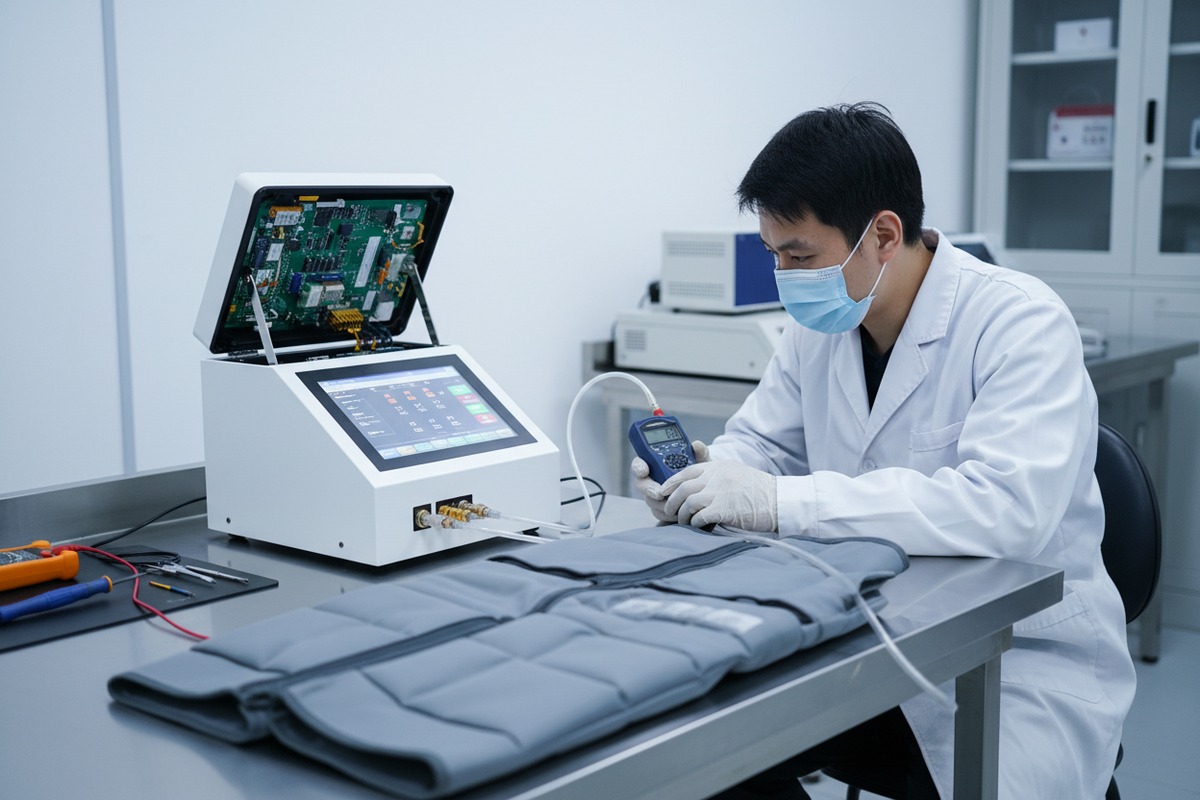
When travel restrictions prevent you from flying to Guangzhou, you cannot rely on blind faith. The "black box" of manufacturing must be opened using technology and third-party verification. Here is how we structure remote quality control to give you peace of mind.
The "Golden Sample" Protocol
Before mass production begins, we must establish a "Golden Sample"—a perfect unit signed off by you. During a pandemic, we send this unit to you via courier for physical approval. Once approved, this unit sits on our production line. Every subsequent machine is compared against this master unit for color consistency, casing finish (like the matte white plastic on our tabletop units), and assembly gaps.
Live Video Diagnostics
Photos can be edited; live video cannot. We schedule live Zoom or WhatsApp video calls at three critical stages:
- Incoming Material Check: We show you the raw components, such as the air pumps and PCBs, to prove we are using the specified high-grade parts, not cheap substitutes.
- Assembly Line Walkthrough: You see the machines being assembled in real-time.
- Final Function Testing: This is crucial for pressotherapy. We hook the machine up to a pressure gauge on camera. You can watch the needle move to the exact mmHg (millimeters of mercury) specified. We demonstrate the full body suit inflating to ensure no air leaks exist in the chambers.
Third-Party Objectivity
If you prefer an independent eye, hiring a third-party inspection agency 6 (TPI) is essential. Companies like SGS, TUV, or Intertek have local staff in China who are not restricted by international travel bans. They can visit our factory and follow your specific inspection checklist.
We welcome these inspectors because it validates our internal QC. They will select boxes at random, unpack them, check for cosmetic defects, run functional tests, and issue a pass/fail report. You should make your final balance payment contingent on this "Pass" report.
Essential Remote Inspection Checklist
| Inspection Phase | What to Check Remotely | Verification Method |
|---|---|---|
| Pre-Production | Raw materials, PCB chips, air pump brand. | High-res photos of component labels & datasheets. |
| In-Process | Assembly standards, internal wiring neatness. | Live video call walkthrough. |
| Pre-Shipment | Pressure accuracy, suit airtightness, packaging drop test. | 3rd Party Inspection Report & Video of pressure gauge testing. |
| Container Loading | Carton count, pallet stability, container seal. | Photos of loaded container before door sealing. |
How do I choose a manufacturing partner that offers the engineering support I need during supply chain instability?
We know that a pressotherapy machine is more than just a plastic shell; it requires precise calibration and durable electronic components. You need a partner who doesn’t just say “yes” to everything but actually has the engineering depth to solve component shortages when global supply chains fracture.
Choose a manufacturing partner with an in-house R&D team capable of modular design and rapid component re-engineering. This ensures that if a specific chip or pump becomes unavailable due to shortages, your supplier can quickly adapt the internal design without compromising performance or delaying your order.
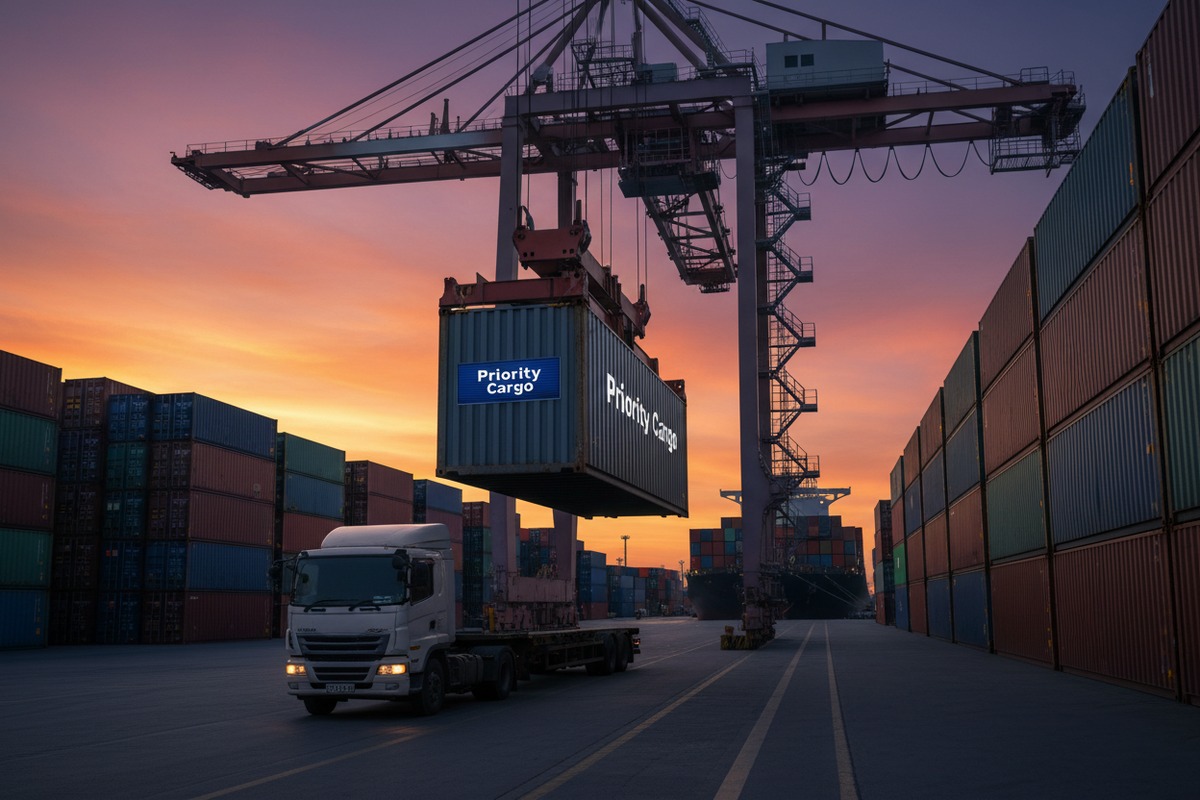
During the chip shortage 7 of the last few years, many "assemblers" (factories that only buy parts and screw them together) failed because they could not adapt. They waited months for a specific microcontroller. In contrast, true manufacturers with engineering capabilities thrived. Here is what you need to look for to ensure your partner can support you through instability.
Assessing In-House R&D Capabilities
You need to ask specific questions about their engineering team. Do they outsource circuit board design? If the answer is yes, they are vulnerable. At our facility, we design our own PCBs. This gives us the power to rewrite code or redesign a board layout if a specific chip from Texas Instruments or STMicroelectronics goes out of stock. We can switch to an available alternative and rewrite the firmware to match, ensuring your delivery date isn't pushed back by six months.
Modular Product Design
Ask your potential partner about "Modular Design 8." A pressotherapy machine designed with modularity in mind is easier to service and easier to manufacture during crises.
- Serviceability: If a pump fails in the US, you don't want to ship the whole unit back to China. A modular design allows you to send a replacement pump module that a local technician can swap in 10 minutes.
- Sourcing Flexibility: If one module faces a supply hurdle, we can continue assembling the rest of the unit while solving that specific bottleneck.
Transparency in the Supply Chain (Tier 2 Visibility)
A strong partner monitors not just their own inventory, but their suppliers' inventory (Tier 2). We track the stock levels of the raw silicone used for the compression suits and the specific plastics for the console housing. When we see a trend of tightening supply, we pre-order these materials before you even place your final PO. You should ask your supplier: "How do you monitor your raw material providers?" Their answer will tell you if they are reactive or proactive.
Partner Evaluation Scorecard
| Criteria | High Risk Supplier | Resilient Partner (Ideal) |
|---|---|---|
| Engineering Staff | < 2 people or outsourced. | Dedicated team of 5+ (Software, Hardware, Structure). |
| Component Sourcing | Relies on one source for key parts. | Multi-sourced strategy; capable of PCB redesign. |
| Communication | Sales rep only relays messages. | Direct access to engineers for technical problem solving. |
| Crisis Response | "Wait and see" approach. | Proactive proposal of alternatives (e.g., different screen type). |
What strategies can I use to manage my inventory and avoid the financial impact of production delays?
We have seen the frustration in our clients’ emails when they have to refund pre-orders because they ran out of stock. You want to grow your business, not constantly fight fires caused by cash flow gaps and empty warehouses.
To manage inventory effectively, you must transition from “Just-in-Time” to “Just-in-Case” by holding 3 to 6 months of buffer stock and negotiating flexible payment terms like Open Account (OA) or Letters of Credit. This strategy protects your revenue stream from sudden supply shocks while maintaining the liquidity needed to operate.

The financial impact of a pandemic isn't just about the cost of shipping; it is about the "opportunity cost" of lost sales. If you have no machines to sell, your marketing spend is wasted. Here is how to structure your inventory and finances to survive disruption.
Calculate Your "Pandemic Buffer"
Standard lead times for pressotherapy machines might be 30 days production + 30 days shipping. During a pandemic, this can balloon to 60 days production + 60 days shipping.
- Old Strategy: Order when you have 2 months of stock left.
- New Strategy: You must place your re-order when you still have 4 to 5 months of stock.
This feels expensive because you are holding more cash in the warehouse, but the cost of not having product is far higher. You lose customers to competitors who do have stock.
Negotiate Better Payment Terms
Cash flow is king. Paying 100% upfront for an order that might arrive in 4 months is dangerous. As we build trust with our long-term clients, we move away from 100% T/T (Telegraphic Transfer) before shipment.
- Deposit Structure: Try to negotiate a 30% deposit with the 70% balance due upon arrival at your port, or even Net 30 days after delivery.
- Sinosure: We often use Sinosure (China Export & Credit Insurance Corporation). If your credit is good, this insurance allows us to ship to you on open account terms 9 because Sinosure guarantees our payment. This frees up your cash flow to invest in marketing while the goods are in transit.
Component-Level Stocking
If you cannot afford to stock full machines, ask us to stock critical components for you. For example, the compression suits are bulky, but the electronic control boards and pumps are small. We can stockpile the critical electronic parts at our factory specifically for your future orders. This secures the "hard-to-get" items without you paying for the full manufacturing and shipping of the finished unit until you are ready.
Financial Impact Analysis
| Strategy | Upfront Cost | Risk Mitigation | Impact on Cash Flow |
|---|---|---|---|
| Just-in-Time (Low Stock) | Low | Very Low | High Risk (Lost Sales) |
| Safety Stock (3-6 Months) | High | High | Strains Cash (Requires Capital) |
| Component Stocking | Medium | Medium-High | Balanced (Secures Parts, defers assembly cost) |
| Open Account Payment | None (Deferred) | N/A | Excellent (Keeps cash in your bank) |
Conclusion
Planning for pandemic supply chain disruptions requires a fundamental shift from efficiency to resilience. By securing door-to-door logistics to bypass shipping chaos, utilizing remote digital inspections to verify quality without travel, selecting engineering-focused partners who can adapt to shortages, and building a financial safety buffer with strategic inventory, you protect your business from volatility. These steps ensure that while your competitors are stuck waiting for containers, your brand remains reliable, stocked, and ready to serve your salon customers.
Footnotes
1. Replaced 404 ScienceDirect link with authoritative Wikipedia page on air compressors, which are the core component of air compression systems. ↩︎
2. Provides a clear definition and scope of global logistics in supply chain management. ↩︎
3. Replaced 404 TechTarget link with an authoritative explanation of Just-in-Time manufacturing from CIMA (Chartered Institute of Management Accountants). ↩︎
4. Replaced 403 Investopedia link with authoritative Wikipedia page on FOB (Free On Board) shipping terms. ↩︎
5. Defines Delivered Duty Paid (DDP) Incoterms, outlining seller’s maximum responsibility. ↩︎
6. Replaced 404 Wikipedia link with a working and authoritative Wikipedia page that defines ‘inspection’ and ‘certification’ as third-party attestations. ↩︎
7. Details the causes and widespread impact of the global semiconductor chip shortage. ↩︎
8. Describes modular design principles and its application in product manufacturing. ↩︎
9. Replaced 404 Trade.gov link with an authoritative definition of Open Account terms from Privacy Shield, a U.S. government-related initiative. ↩︎

 English
  Español de México
  Deutsch
  Français
  العربية
  Русский