

Many new buyers face a tough challenge when ordering pressotherapy machines 1 for the first time. Suppliers often quote MOQs that feel impossible. Our production team fields these requests daily. We see startups with great ideas but limited budgets market entry strategies 2. The fear of overstocking expensive equipment is real.
To negotiate pressotherapy machine MOQs successfully, propose a smaller trial order at a slightly higher unit price, demonstrate your long-term growth plans with concrete forecasts, and show flexibility on payment terms. Suppliers value partners who understand their cost structures and offer commitment for future volume.
This guide breaks down proven tactics for securing workable MOQs on your first pressotherapy equipment order. Let’s explore specific strategies that work.
How can I convince a supplier to lower the MOQ for my first pressotherapy machine order?
Convincing a supplier to bend on MOQ takes more than just asking. When we receive first-time buyer inquiries at our facility, we look for signals of serious intent. Vague requests rarely get flexibility. Detailed, prepared proposals open doors.
To convince suppliers to lower MOQ, prepare detailed specifications, offer favorable payment terms like higher deposits, propose phased ordering commitments, and show market research proving your growth potential. Suppliers reward buyers who reduce their perceived risk through professionalism and clear future order projections.

Understand Why Suppliers Set MOQs
Suppliers set MOQs to cover fixed production costs 3. These include machine setup, material sourcing, quality checks, and labor allocation. When orders are too small, costs per unit rise sharply. Manufacturers cannot make a profit on tiny runs.
For pressotherapy machines, typical MOQs range from 1 to 200 units depending on customization level. Standard models often have lower thresholds. Customized versions require higher quantities.
| Factor | Impact on MOQ |
|---|---|
| Standard model vs. custom | Standard = lower MOQ; Custom = higher MOQ |
| Air chamber count | More chambers = more assembly time = higher MOQ |
| Private labeling 4 | Logo printing requires setup = MOQ increase |
| Certification needs (CE/FDA) | Compliance documentation adds costs |
| Payment terms offered | Better terms = more supplier flexibility |
Prepare Your Business Case
Data-driven arguments work best. Bring sales projections 5, market analysis 6, and a clear distribution plan. Show the supplier your target customer base. Explain how you plan to grow orders over 12-24 months.
Suppliers respond to concrete numbers. Instead of saying "I plan to order more later," present a roadmap: "First order: 10 units. Q2: 25 units. Year-end target: 100 units." This approach reduces perceived risk for the factory.
Offer Value Beyond This Order
Consider what else you can give. Faster payment cycles attract suppliers. Offering 50% deposit instead of 30% shows commitment. Agreeing to extended lead times gives production flexibility. These trade-offs create room for MOQ negotiation.
Some buyers also offer exclusivity in their region. This signals long-term partnership intent. Suppliers appreciate stability over one-time transactions.
Will private labeling my pressotherapy machines increase the minimum order quantity I have to buy?
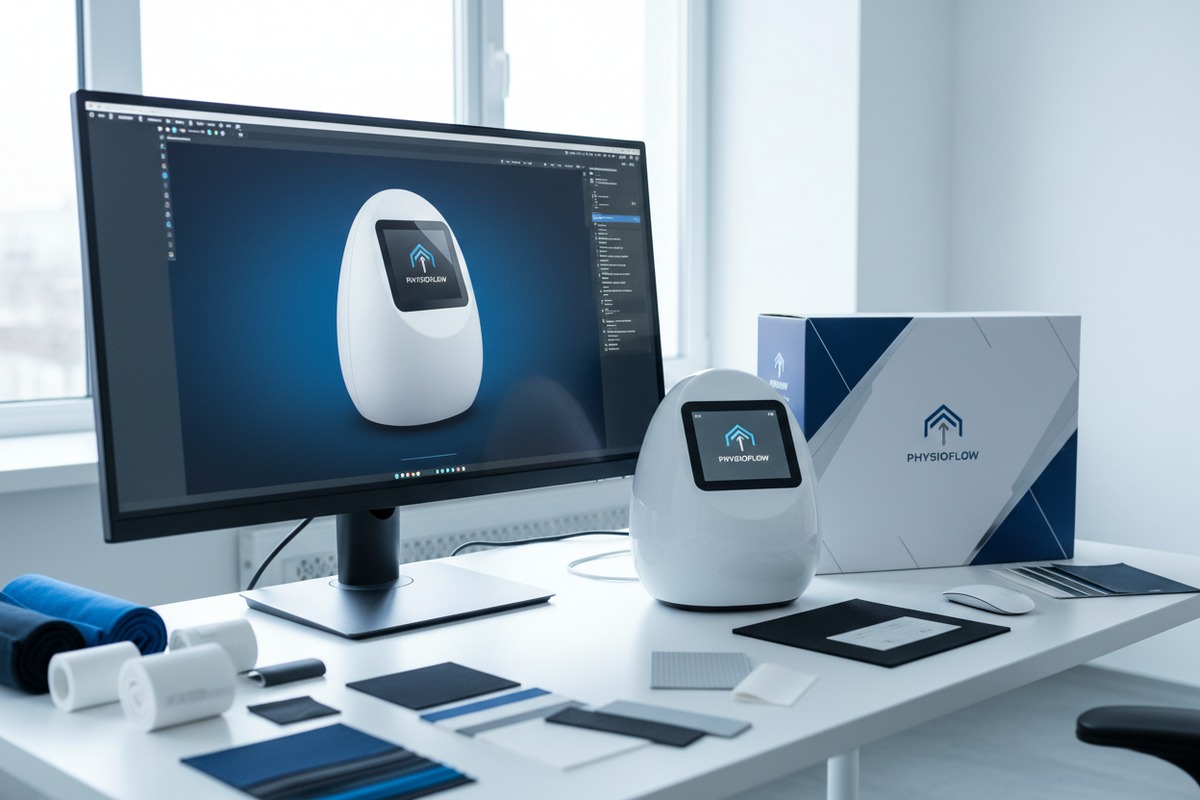
Private labeling is attractive for building brand identity. However, buyers often underestimate its impact on MOQ. When our engineering team configures custom branding, several additional steps enter the production process. Each step adds cost that suppliers must recover.
Private labeling typically increases MOQ requirements because it involves setup costs for logo printing, custom packaging design, and sometimes unique control panel interfaces. Expect MOQs 2-5 times higher than standard models. However, choosing white-label options with existing designs can minimize this impact significantly.
Why Private Label Raises MOQ
Private labeling requires dedicated setup. Suppliers must create printing plates, design custom packaging, and sometimes modify software interfaces. These fixed costs must spread across enough units to remain profitable.
For example, a standard pressotherapy machine might have a 1-unit MOQ. Add your logo to the control unit and packaging? The MOQ could jump to 20-50 units. Request custom casing colors? Now you're looking at 50-100 unit minimums.
Smart Approaches to Private Label MOQ
Not all customization carries equal weight. Start with low-impact branding options:
| Customization Type | Typical MOQ Impact | Cost Level |
|---|---|---|
| Sticker label on existing unit | Minimal (1-5 units) | Low |
| Screen-printed logo on panel | Moderate (10-30 units) | Medium |
| Custom packaging box design | Moderate (20-50 units) | Medium |
| Unique casing color | High (50-100+ units) | High |
| Custom software/UI interface | Very High (100+ units) | Very High |
Consider White-Label First
Many suppliers offer white-label options 7. These are pre-designed products ready for your logo. The machine design stays standard. You add branding through labels or simple printing. This approach keeps MOQ low while still building brand recognition.
At our production facility, we often suggest new buyers start with white-label. Test the market first. Once you establish steady sales volume, graduate to deeper customization with larger orders.
How do I negotiate a smaller trial order for pressotherapy equipment while maintaining my target price?
Trial orders solve a real problem. You need to test product quality and market response before committing big capital. But suppliers worry about tiny orders eating their margins. Finding middle ground requires creative negotiation.
Negotiate smaller trial orders by proposing tiered pricing structures, committing to larger follow-up orders in writing, offering phased payment with performance benchmarks, and bundling accessories or related products to increase total order value. Frame the trial as Step 1 of an ongoing partnership, not a standalone transaction.

The Trial Order Pitch That Works
Suppliers hear "trial order" frequently. Many promises never convert to larger purchases. To stand out, make your commitment tangible.
Draft a simple agreement outlining:
- Trial quantity and price
- Conditions for placing follow-up order
- Target quantity for second order
- Timeline for evaluation and reorder
This document shows you're serious. It also gives the supplier something to hold you accountable to.
Tiered Pricing Structures
Accept that small orders cost more per unit. Propose a tiered structure that benefits both parties:
| Order Stage | Quantity | Price per Unit | Notes |
|---|---|---|---|
| Trial Order | 5-10 units | Base + 15-20% | Higher price accepted for lower quantity |
| First Reorder | 20-30 units | Base + 5-10% | Price drops as quantity rises |
| Regular Orders | 50+ units | Base price | Target pricing achieved |
| Volume Orders | 100+ units | Base – 5-10% | Volume discount applies |
This model shows you understand supplier economics. You're not asking for impossible margins on tiny orders. Instead, you're building toward profitable quantities.
Bundle to Increase Order Value
Pressotherapy machines come with accessories. Client suits, extra air chambers, replacement cuffs, spare parts. These items carry good margins for suppliers.
If your machine order seems too small, add accessories. Order extra client suits for resale to your customers. Include spare parts for after-sales support. The combined order value makes small machine quantities more attractive.
Performance-Based Commitments
Some buyers propose conditional agreements. "If trial products meet quality standards, I commit to ordering 50 units within 90 days." This language reduces supplier risk while protecting your interests.
Include specific quality benchmarks: air pressure consistency, chamber inflation time, control panel functionality. Define what "acceptable quality" means. Clear standards make conditional commitments enforceable.
Can I use my future distribution plans to get a lower MOQ on my first pressotherapy machine shipment?
Future plans carry weight in negotiations—but only when presented credibly. Suppliers have heard countless promises of "huge orders coming soon." Most never materialize. To use growth projections effectively, back them with substance.
Yes, detailed distribution plans can significantly influence MOQ negotiations. Suppliers respond to concrete market entry strategies, documented sales channel partnerships, and realistic 12-24 month forecasts. Present your business plan professionally with specific targets, timelines, and market research to demonstrate serious long-term partnership potential.

What Makes Distribution Plans Convincing
Vague statements fail. "I have many customers waiting" convinces nobody. Specific details build credibility:
- Name your target market segments (medical clinics, spa chains, home users)
- Identify your sales channels (direct sales, distribution partners, e-commerce)
- Show market research proving demand exists
- Present comparable competitor performance data
- Provide timeline with milestones
Building Your Forecast Document
Create a simple but professional document. Include these elements:
| Section | Content | Purpose |
|---|---|---|
| Market Overview | Target region, customer segments, market size | Shows you understand the opportunity |
| Competitive Analysis | Similar products, pricing, gaps you'll fill | Proves market viability |
| Sales Channels | How you'll reach customers | Shows realistic go-to-market strategy |
| 12-Month Forecast | Monthly/quarterly unit projections | Gives supplier concrete numbers |
| Partnership Interest | What you seek from supplier long-term | Frames relationship beyond first order |
Phased Commitment Agreements
Some suppliers accept formal phased agreements. These documents outline expected order volumes over time. While not legally binding purchase orders, they demonstrate intent.
Structure might look like:
- Month 1-3: 10 units (market testing)
- Month 4-6: 25 units (initial distribution)
- Month 7-12: 50 units (expansion phase)
- Year 2 projection: 150 units (market penetration)
Even conservative forecasts impress when documented professionally.
Leverage Your Market Position
If you have existing distribution relationships, highlight them. Do you already sell other beauty equipment? Mention your customer base. Have you secured agreements with spa chains? Share those partnerships.
Suppliers prefer working with established distributors over unknown startups. Any existing market presence strengthens your negotiating position.
Offer Market Feedback Value
Position yourself as a market insights partner. Offer to share customer feedback, competitive intelligence, and market trends. This information helps suppliers improve products and identify opportunities.
Some buyers negotiate lower MOQs by committing to detailed market reports after trial orders. This trade creates mutual value beyond the transaction.
Conclusion
Negotiating pressotherapy machine MOQs requires preparation, flexibility, and partnership thinking. Focus on reducing supplier risk through better payment terms, documented growth plans, and phased commitments. Start with trial orders at fair pricing, then scale as market validation confirms demand.
Footnotes
1. Provides a comprehensive explanation of pressotherapy, its benefits, and how it works. ↩︎
2. Explains various types of market entry strategies for businesses expanding globally. ↩︎
3. Defines fixed costs as business expenses consistent regardless of output. ↩︎
4. Clarifies the concept of private labeling, where products are sold under another’s brand. ↩︎
5. Offers a guide on how to create accurate sales projections for businesses. ↩︎
6. Provides a comprehensive definition and importance of market analysis in business. ↩︎
7. Defines white-label products as generic items rebranded by other companies. ↩︎

 English
  Español de México
  Deutsch
  Français
  العربية
  Русский