

On our factory floor in Guangzhou, we see how excess inventory 1 stalls growth. Managing unsold units drains your capital and takes up space that newer, faster-circulating beauty equipment should occupy.
Negotiate overstock management by securing buyback clauses, requesting flexible exchange policies for newer models, and leveraging co-marketing support. Establish open account terms to maintain liquidity while collaborating on data-driven inventory forecasting to minimize excess units and protect margins.
Strategic negotiation transforms a rigid supplier-buyer relationship into a true partnership. Here is how you can achieve that balance.
How can I negotiate a flexible buyback or exchange policy for my unsold pressotherapy machines?
When we calibrate our 8-chamber compression systems, we focus on long-term performance. We know that if a distributor is stuck with old stock, it hurts our brand reputation as much as theirs.
Secure a flexible buyback policy by offering a restocking fee or trading slow-moving stock for newer technology. Focus on 'sell-through' guarantees where the supplier accepts returns if specific sales targets are not met within a set timeframe.
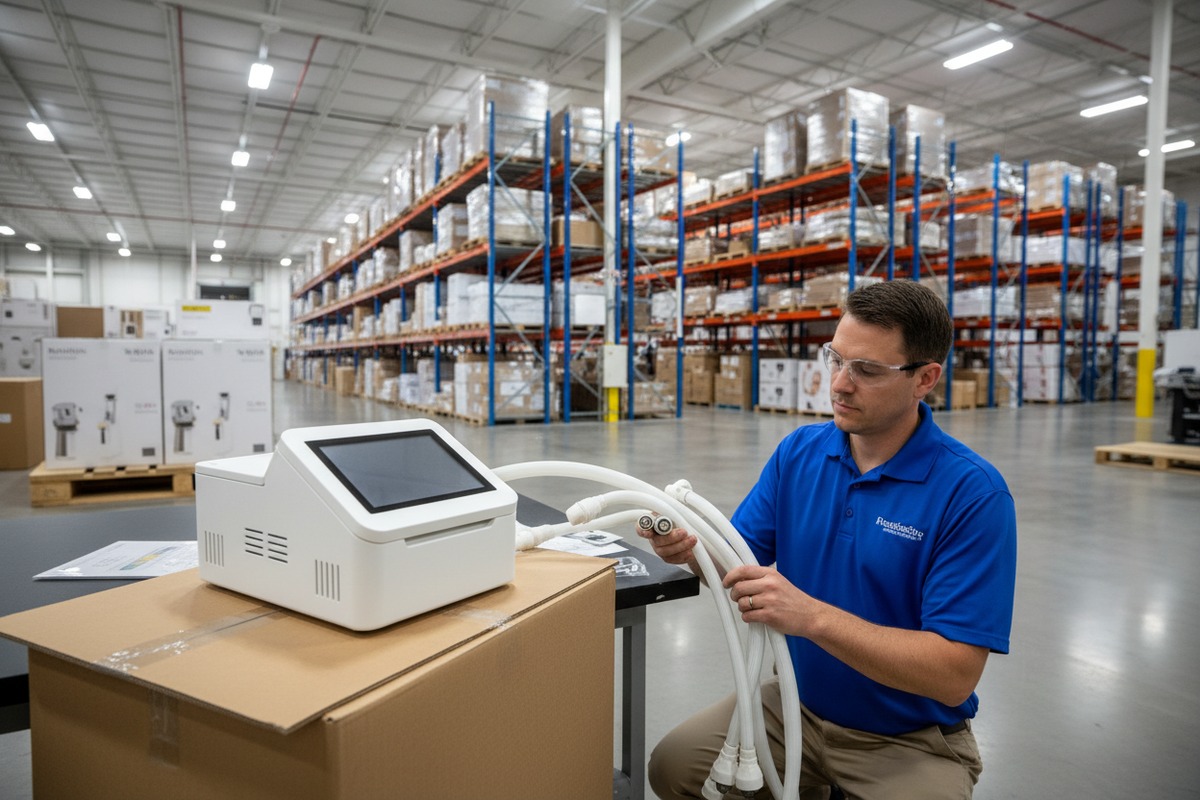
The Power of the Trade-Up Program
In the beauty equipment industry, technology moves fast. A 4-chamber machine that was a bestseller last year might be replaced by a smart 8-chamber model with mobile app connectivity this year. We suggest negotiating a "Trade-Up" clause. Trade-Up clause 2 This allows you to return unsold, mint-condition units in exchange for credit toward the latest models. This prevents your warehouse from becoming a museum of obsolete technology.
Restocking Fees as a Middle Ground
Suppliers are often hesitant to take back stock because of the logistics and inspection costs. You can break this deadlock by offering a tiered restocking fee. If you return the machine within 90 days, the fee might be 10%. If it is 180 days, it might be 20%. This compensates the manufacturer for their trouble while freeing up your cash flow.
Defining "Saleable Condition"
To make this work, you must be precise about what constitutes a returnable unit. We recommend documenting the packaging standards during the contract phase. High-end pressotherapy machines have sensitive sensors and air hoses. If the original double-layered packaging is intact, the supplier is much more likely to agree to a buyback.
| Policy Type | Benefit to Buyer | Benefit to Supplier | Typical Cost |
|---|---|---|---|
| Full Buyback | Maximum liquidity and zero risk. | High loyalty from the distributor. | 20-30% restocking fee. |
| Exchange/Swap | Access to latest technology. | Keeps the sales volume consistent. | Shipping costs + price delta. |
| Consignment Shift | No upfront cost for new units. | Inventory is moved out of their warehouse. | Higher per-unit price. |
Seasonal Rotation Agreements
Pressotherapy machines often see peaks during "body contouring seasons" before summer. Negotiate a seasonal rotation. If units don't sell during the spring peak, the supplier agrees to take back a portion of the stock in exchange for facial lasers or other equipment that sells better in the winter. This keeps your inventory fresh and relevant to salon needs.
What inventory management terms should I request to prevent overstocking my warehouse?
In our experience exporting to the US and Europe, we’ve found that rigid ordering schedules lead to disaster. We encourage our partners to use data-driven forecasting rather than just guessing their quarterly needs.
Request 'Just-in-Time' delivery schedules and Vendor Managed Inventory (VMI) terms. These allow you to pull stock only when needed, reducing warehouse costs while ensuring high-demand 240mmHg pressotherapy units are always available for your clients.
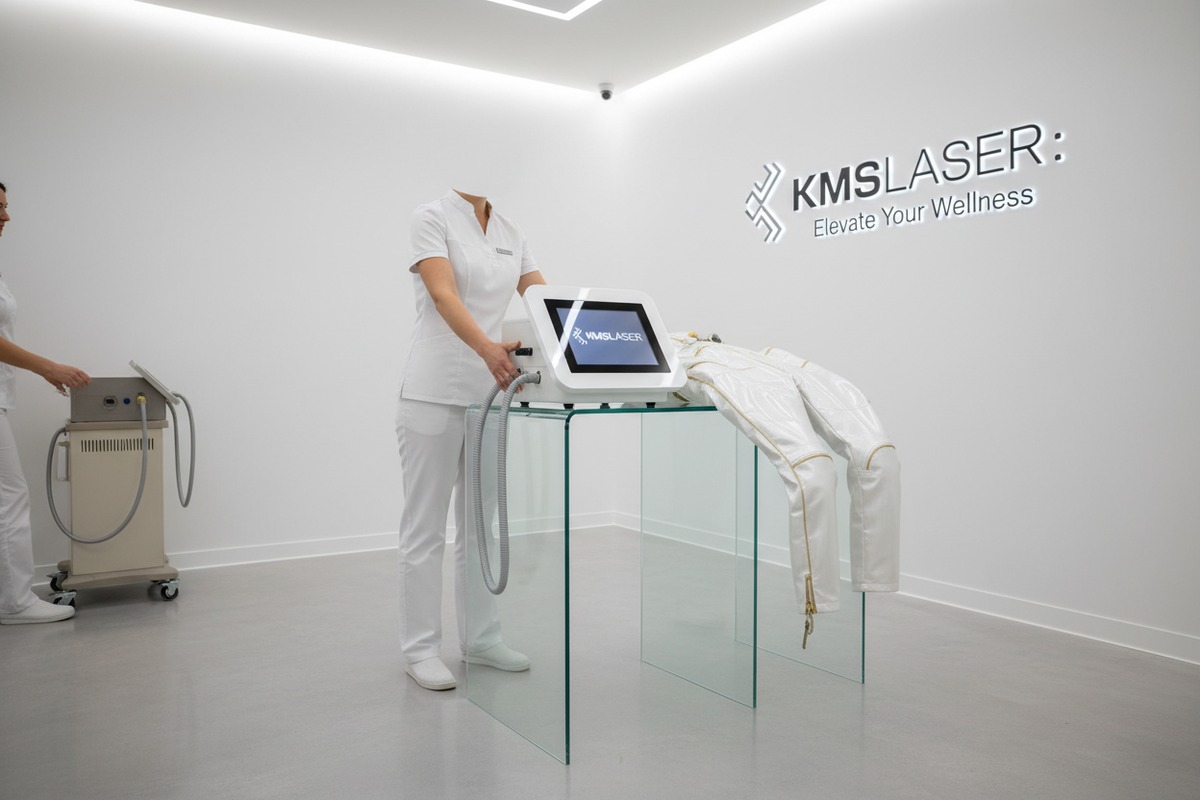
Transitioning to Vendor Managed Inventory (VMI)
VMI is a game-changer for large-scale distributors. Under this arrangement, we, as the manufacturer, take responsibility for maintaining your inventory levels. Vendor Managed Inventory (VMI) 3 You share your weekly sales data, and we automatically trigger a shipment when your stock hits a "reorder point." This removes the "bullwhip effect 4" where small changes in consumer demand lead to massive overstocking at the warehouse level.
Safety Stock and Buffer Management
Instead of ordering 100 units at once, negotiate a "Call-Off" contract. You commit to 100 units over a year to get the volume discount, but we only ship 10 units every month. If your sales spike, we pull from a pre-agreed "safety stock" kept at our facility. This minimizes the amount of capital you have tied up in boxes sitting on a pallet.
Lead Time Transparency
Shortening lead times is the best way to prevent overstock. If it takes 60 days to get a machine, you have to over-order to be safe. If we can reduce that to 15 days through better production planning, you can afford to keep less inventory on hand.
| Inventory Term | Description | Impact on Overstock |
|---|---|---|
| JIT (Just-In-Time) | Shipping units exactly when the order arrives. | Reduces storage costs by 40-60%. |
| Blanket Orders | One large contract with multiple small deliveries. | Secures pricing without the bulk storage. |
| Safety Stock Buffer | Supplier holds 10% extra stock for emergencies. | Prevents stockouts without buyer risk. |
Modular Ordering Systems
Many pressotherapy systems use a standard control unit but different suits (legs, arms, waist). Negotiate to stock the suits and control units separately. If you have an overstock of leg-only units, you can simply order the abdominal cuffs to transform that inventory into "full-body" systems. This modularity is a powerful tool for inventory flexibility. We design our connectors to be universal across our 6-chamber and 8-chamber lines specifically for this reason.
Can I get my supplier to provide co-marketing support to help move my slow-selling units?
Our R&D team doesn't just build hardware; they document the clinical efficacy of every 210mmHg cycle. We believe that if you can't explain the benefit, the machine won't sell, regardless of the price.
Leverage co-marketing by asking for Market Development Funds (MDF), high-quality digital assets, and localized training webinars. Suppliers provide these resources to ensure their specialized equipment reaches the right clinical and aesthetic audiences quickly.
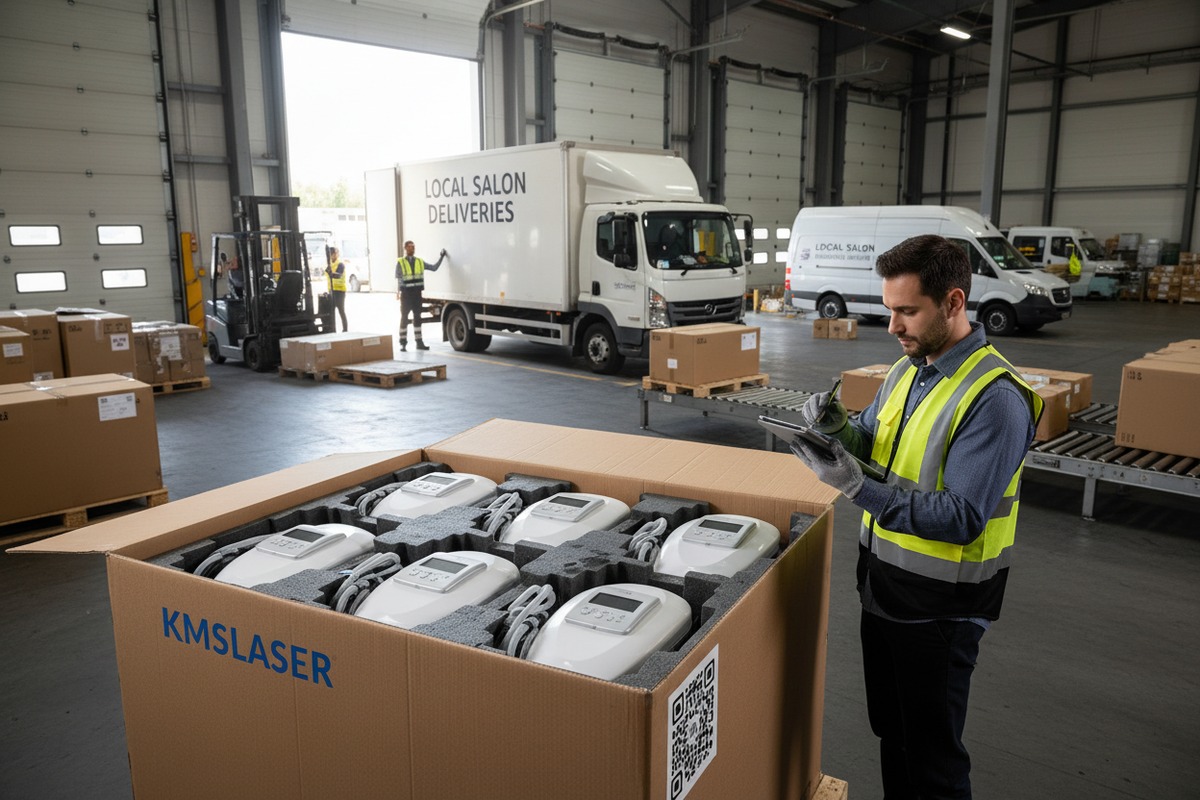
Market Development Funds (MDF)
MDF is a pot of money set aside by the manufacturer to help the distributor sell products. Market Development Funds (MDF) 5 If you have 50 unsold pressotherapy units, ask us to contribute to a Facebook or Google Ads campaign targeting local physiotherapy clinics. We might cover 50% of the ad spend because selling those units allows you to place a new order with us. It is a win-win scenario.
Clinical Data and White Papers
Sometimes stock doesn't move because the local market doesn't understand the science. Pressotherapy is excellent for lymphedema and post-liposuction recovery. We provide our partners with clinical white papers and "Before & After" photos that are FDA-compliant. Using these assets in your local marketing can suddenly turn "slow stock" into "must-have clinical solutions."
Joint Training Webinars
High-end beauty machines require expertise. If your staff or your salon customers don't know how to use the 8-chamber intelligent compression circuits, they won't buy them. We can host live Zoom training sessions for your leads. Having the "factory expert" on the call adds immense credibility and helps close sales for those units sitting in your warehouse.
Localized Video Content
Generic videos from a factory in China often don't resonate with a luxury spa in New York. Negotiate for "raw footage" or customized video editing. We can provide clean shots of the machine's sleek matte finish and touchscreen interface, which you can then overlay with local voiceovers and branding. This professional touch is often the difference between a sale and a stagnant unit.
| Marketing Asset | Potential Value | Usage Strategy |
|---|---|---|
| MDF (Cash) | $500 – $5,000 | Targeted social media ads for specific regions. |
| High-Res Media Kit | $2,000 (Equivalent) | Updating your website and print brochures. |
| Staff Training | $150/hour (Equivalent) | Boosting sales team confidence and technical knowledge. |
How do I leverage open account payments to protect my cash flow when I have excess inventory?
At our headquarters, we understand that beauty brands face seasonal cash flow crunches. We have helped many long-term partners transition from 100% upfront payments to more flexible financial structures.
Negotiate open account terms like Net-60 or Net-90 to align payment dates with your actual sales. This protects your cash flow, allowing you to pay for inventory only after the equipment has been sold to your salon customers.

Understanding Open Account (OA) Terms
Open account means we ship the goods first and you pay later. Open Account (OA) Terms 6 For a purchasing manager, this is the ultimate safety net. If you have an overstock of pressotherapy machines, you aren't also out of pocket for the cash. You can use that money to fund the marketing needed to sell the units. In China, we often use Sinosure (China Export & Credit Insurance 7 Corporation) to facilitate these terms, which gives both parties peace of mind.
The "Pay-As-You-Sell" Model
While rare, some suppliers will agree to a "Pay-As-You-Sell" arrangement for a specific batch of inventory. You might pay 30% upfront, and the remaining 70% is paid in installments as you report sales. This is a powerful way to clear out a large shipment of 4-chamber units that might be moving slower than expected. It requires a high level of trust and transparent data sharing.
Leveraging Credit Insurance
If you want Net-90 terms, help us get you insured. By providing your financial statements and showing a history of clean business, we can get a credit limit from our insurers. This allows us to offer you better terms without our factory taking on the full financial risk. This is how the most successful US beauty brands scale their operations without needing massive venture capital.
| Payment Term | Cash Flow Impact | Risk Level | Best For |
|---|---|---|---|
| T/T 30/70 | Moderate strain. | Medium for both. | Standard orders of proven models. |
| Net-60 OA | Excellent. | Higher for supplier. | Established partners with steady sales. |
| Letter of Credit | Low strain. | Low (Bank guaranteed). | New relationships or very large orders. |
Penalty Waivers for Inventory Stagnation
In your contract, you can negotiate a "payment pause" if inventory turnover drops below a certain rate. For example, if the pressotherapy machines sit for more than 120 days, the final payment date is extended by another 30 days. This creates an incentive for the supplier to help you sell the units (through the co-marketing we discussed earlier) rather than just demanding payment for a "dead" product.
Conclusion
Negotiating overstock solutions requires a shift from transactional buying to strategic partnership. By focusing on flexible exchanges, data-driven inventory, and financial protections, you ensure your business remains agile and profitable.
Footnotes
1. Explains the financial and operational impact of excess inventory. ↩︎
2. Defines and explains the concept of trade-in programs. ↩︎
3. Explains the concept and benefits of Vendor Managed Inventory. ↩︎
4. Defines and explains the supply chain bullwhip effect. ↩︎
5. Clarifies the purpose and application of Market Development Funds. ↩︎
6. Details the nature and advantages of open account payment terms. ↩︎
7. Explains how credit insurance mitigates financial risk in trade. ↩︎

 English
  Español de México
  Deutsch
  Français
  العربية
  Русский