

When our factory began receiving more inquiries from European distributors seeking exclusive rights to sell our pressotherapy machines, we quickly realized that one wrong clause could sink the entire deal—or worse, trigger an antitrust investigation EU Vertical Block Exemption Regulation (VBER) 1. The European market is highly regulated, and any exclusive distribution agreement must pass both EU competition law 2 and medical device compliance checks before it can protect your business.
To negotiate exclusive distribution agreements for pressotherapy machines in Europe, you must ensure compliance with the EU Vertical Block Exemption Regulation (VBER), verify CE marking under MDR 2017/745, define territorial exclusivity clearly, include quality control and logistics clauses, and avoid “hardcore” restrictions like passive sales bans or fixed resale prices.
This guide walks you through each critical step—from verifying supplier compliance to securing custom branding and reliable logistics Authorized Representative in the EU 3. Read on to protect your brand and maximize your European market opportunity.
How do I verify a supplier's compliance with European standards before signing an exclusive distribution deal?
Our engineering team has seen many deals fall apart because distributors discovered compliance gaps after contracts were signed. Pressotherapy machines in Europe are subject to strict medical device regulations. If your supplier cannot prove full compliance, your entire investment is at risk.
Before signing an exclusive distribution agreement, verify the supplier has valid CE marking under MDR 2017/745, an EU Declaration of Conformity, a designated Authorized Representative in the EU, EUDAMED registration, and complete technical documentation including risk management and clinical evaluation files.
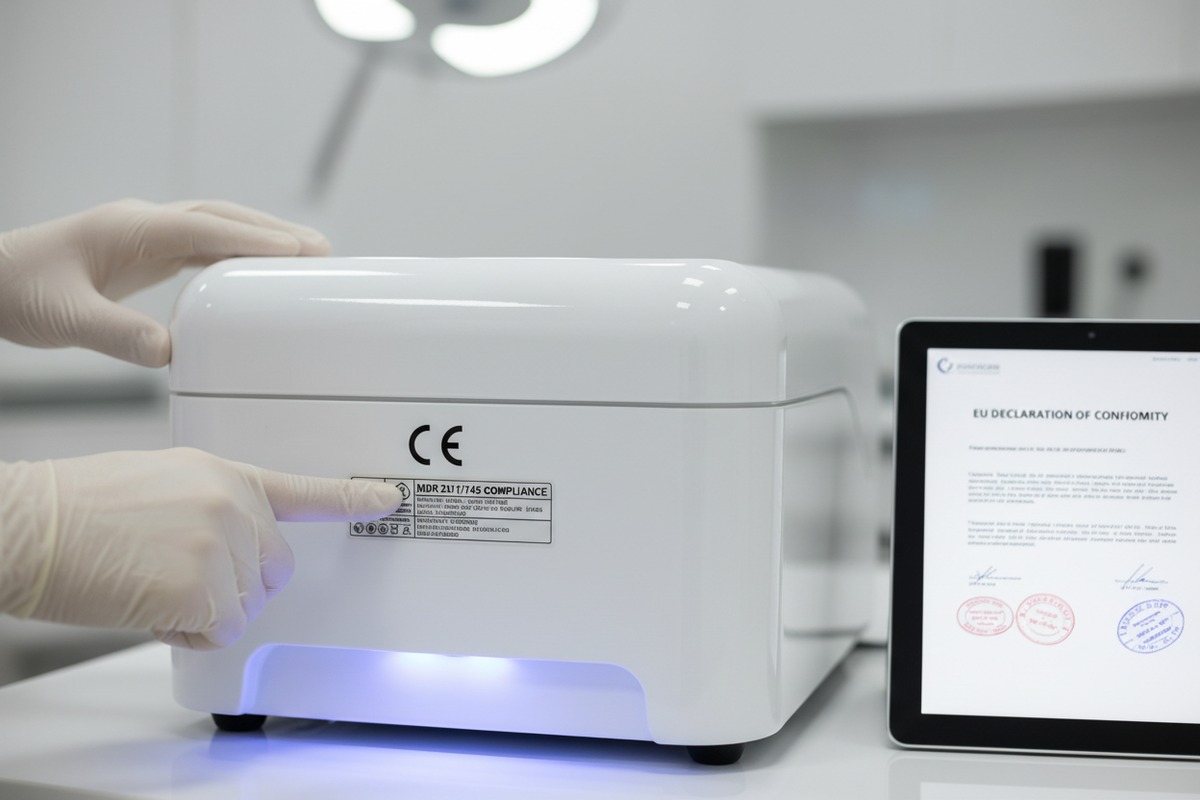
Understanding MDR 2017/745 Requirements
The EU Medical Device Regulation (MDR 2017/745 4) sets the legal framework for placing medical devices on the European market. The MDR is the legal framework that medical device manufacturers must comply with to place medical devices on the European market. It defines requirements on notified bodies, distributors, importers and healthcare facilities.
Pressotherapy machines typically fall under Class I or Class IIa depending on their intended use. The MDR distinguishes different risk classes I, I*, IIa, IIb and III for medical devices; the classification determines which conformity procedure is required. Apart from the lowest risk class (class I), a notified body must be involved in the conformity assessment of all medical devices.
Key Documents to Request from Suppliers
| Document | Purpose | Who Provides |
|---|---|---|
| CE Certificate | Proves conformity with MDR | Manufacturer via Notified Body |
| EU Declaration of Conformity 5 | Legal declaration of compliance | Manufacturer |
| Technical Documentation | Design, risk management, clinical data | Manufacturer |
| Authorized Representative Agreement | Confirms EU presence | Manufacturer + AR |
| EUDAMED Registration 6 | Traceability and transparency | Manufacturer |
Distributor Verification Obligations
Distributors should verify that the devices have been CE marked, that an EU Declaration of Conformity has been drawn up, and that labels and instructions for use are provided in the official languages of the Member States in which the device is made available.
You must also verify proper labeling. Before placing a device on the market, distributors must verify that the device has a CE marking, is accompanied by the required EU declaration of conformity, instructions for use, and labeling in the appropriate language. Devices must be stored and transported under conditions that preserve their conformity with the general safety and performance requirements.
What Happens if Compliance Fails?
If distributors have reason to believe that a device does not fulfil the EU MDR or IVDR requirements, they must inform the manufacturer and the importer. Furthermore, distributors are obliged to immediately inform the national competent authority if they have reason to believe that a device was falsified or presents a serious risk to patients' health. It is not enough to freeze the distribution of the faulty device; the notification to the competent authority is compulsory.
Building a pre-contract verification checklist is essential. Request factory audit reports, quality management system certificates (ISO 13485 7), and any adverse event history. This due diligence protects your brand and ensures smooth market entry.
What quality control clauses should I include in my contract to protect my brand in the European market?
At our production facility, we have learned that quality issues discovered after shipment can destroy a distributor's reputation overnight. European customers expect flawless products, and your contract must include enforceable quality control mechanisms.
Your exclusive distribution contract should include pre-shipment inspection rights, defect rate thresholds with remedies, product traceability requirements, adverse event reporting obligations, complaint handling procedures, and clear warranty terms with defined response times.
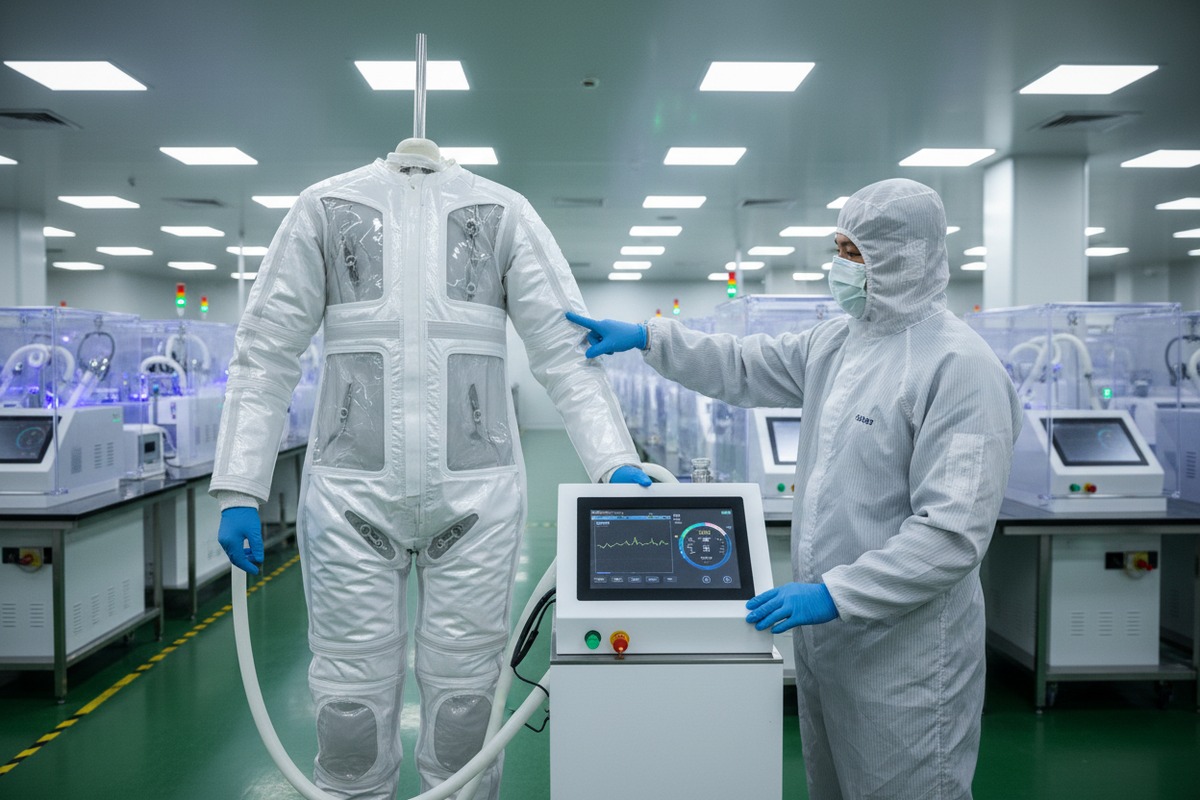
Essential Quality Control Clauses
Quality control is not just about catching defects. It is about building a system that prevents problems and addresses them quickly when they occur.
| Clause Type | Key Elements | Benefit |
|---|---|---|
| Inspection Rights | Pre-production, in-line, pre-shipment | Catch defects early |
| Defect Rate Limits | Maximum AQL, consequences for breach | Protect brand reputation |
| Traceability | Serial numbers, batch records, UDI | Enable recalls if needed |
| Warranty Terms | Duration, coverage, response time | Customer confidence |
| Recall Procedures | Responsibilities, cost allocation | Regulatory compliance |
Post-Market Surveillance Requirements
Distributors must maintain records of the devices they supply, including details of the manufacturer or importer and the healthcare institutions or professionals to whom they have supplied the device. Distributors are required to keep a register of complaints, non-conforming products, and recalls, and must inform the manufacturer and importer of any such occurrences.
Your contract should specify how complaints flow between parties. If distributors receive complaints or incident reports from the field regarding a device that they make available on the market, they are obliged to immediately forward the information to the manufacturer and, in the case of imported devices, the importer and the manufacturer's EU Authorised Representative.
Defining Acceptable Quality Levels
Set clear AQL (Acceptable Quality Level 8) standards for different defect categories:
- Critical defects (safety risks): 0% acceptable
- Major defects (functional issues): 1.0% maximum
- Minor defects (cosmetic): 2.5% maximum
Include remedies for breach: replacement, refund, or contract termination if defect rates exceed thresholds. Specify who bears inspection costs and how disputes are resolved.
Protecting Against Liability
Include indemnification clauses that allocate liability appropriately. The manufacturer should bear responsibility for design defects and regulatory non-compliance. The distributor typically handles issues arising from improper storage, handling, or unauthorized modifications.
Can I negotiate exclusive branding and custom design features for my pressotherapy machines?
When we work with brand owners on OEM projects, we always emphasize that exclusive branding is about more than just putting a logo on the machine. It involves design collaboration, intellectual property protection, and clear manufacturing specifications.
Yes, you can negotiate exclusive branding and custom design features. Your contract should cover trademark licensing, design ownership, minimum order quantities, development costs, mold fees, confidentiality obligations, and provisions addressing what happens to custom designs if the relationship ends.
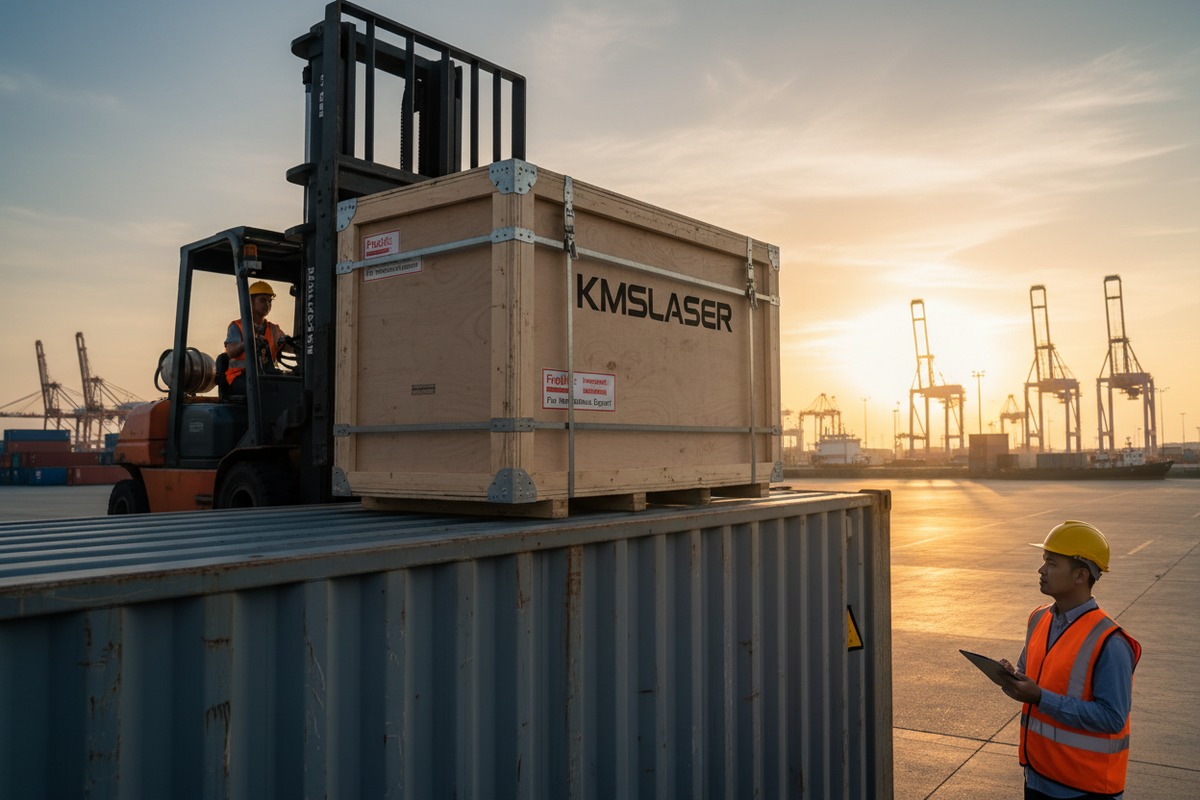
Types of Customization Available
| Customization Level | Examples | Typical MOQ | Development Time |
|---|---|---|---|
| Basic Branding | Logo, color, packaging | 50-100 units | 2-4 weeks |
| Interface Customization | Software UI, language, presets | 100-200 units | 4-8 weeks |
| Design Modifications | Housing shape, control panel layout | 200-500 units | 8-16 weeks |
| Full OEM Development | New functionality, unique features | 500+ units | 6-12 months |
Intellectual Property Considerations
Your contract must clearly define IP ownership. For custom designs you fund, ensure you own the resulting intellectual property. For modifications to existing designs, specify licensing terms and exclusivity periods.
Key IP clauses to include:
- Trademark license scope and territory
- Design ownership and registration rights
- Confidentiality of specifications and tooling
- Non-compete provisions for similar products
- Return or destruction of IP upon termination
Private Label vs. White Label
Private label means your brand appears as the manufacturer on all documentation. This triggers manufacturer obligations under MDR. Article 16(1) in EU MDR specifies that a distributor assumes the obligations of the manufacturer as a result of making available on the market a device under its own name, except if the distributor and the manufacturer have entered an agreement whereby the manufacturer is identified as such on the label and remains responsible.
White label keeps the original manufacturer's identity while adding your branding. This approach reduces your regulatory burden but limits brand control.
Negotiating Development Costs
Development costs for custom pressotherapy machines vary widely. Negotiate payment terms that protect both parties:
- Split mold costs with amortization over initial orders
- Require cost breakdowns for transparency
- Include provisions for recovering investments if targets are met
- Define who owns tooling and molds
How do I ensure my agreement covers door-to-door logistics and reliable lead times for my European inventory?
Our supply chain team manages shipments to over 30 countries, and we know that logistics failures are a top complaint among European distributors. Clear logistics terms prevent costly misunderstandings and protect your inventory investment.
Your agreement should specify Incoterms (DDP recommended for door-to-door), production lead times with penalties for delays, shipping methods, packaging standards, customs documentation responsibilities, buffer stock provisions, and force majeure clauses covering supply chain disruptions.
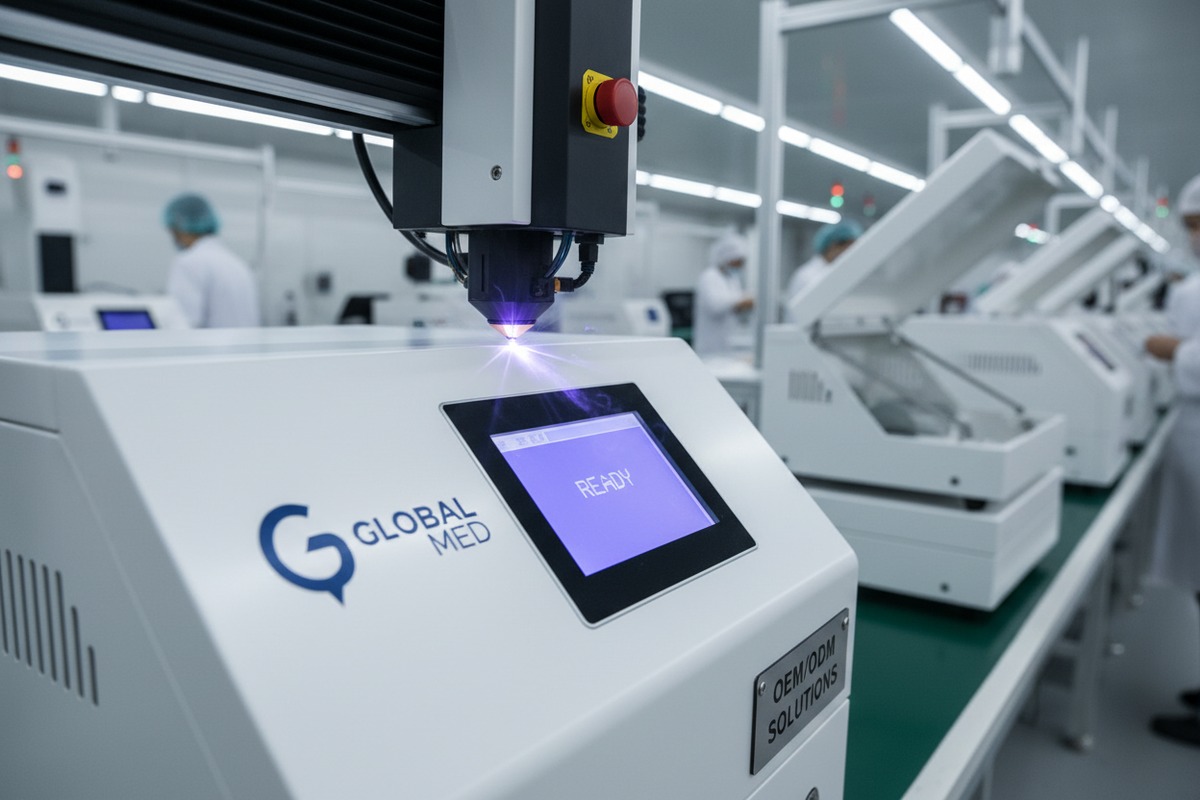
Choosing the Right Incoterms
| Incoterm | Risk Transfer Point | Best For | Considerations |
|---|---|---|---|
| DDP | Buyer's premises | Maximum convenience | Higher price, supplier manages customs |
| DAP | Before import clearance | Balanced approach | Buyer handles import duties |
| CIF | Port of destination | Ocean shipments | Buyer manages inland transport |
| EXW | Supplier's warehouse | Experienced importers | Maximum buyer responsibility |
For B2B manufacturers, Europe offers both supply chain proximity and premium pricing, but also regulatory complexity and competitive intensity. DDP (Delivered Duty Paid) is often preferred because it places full logistics responsibility on the supplier, simplifying your operations.
Defining Lead Times and Penalties
Specify lead times for:
- Standard orders: 30-45 days
- Reorders: 15-25 days
- Urgent orders: 7-14 days (premium pricing)
Include penalty provisions for late delivery:
- 1-7 days late: 1% discount per day
- 8-14 days late: 5% additional discount
- Beyond 14 days: Order cancellation option
Buffer Stock and Inventory Planning
Negotiate buffer stock arrangements to protect against supply disruptions:
- Supplier maintains 2-4 weeks of finished goods
- Dedicated production slots for your orders
- Priority allocation during high-demand periods
Packaging Requirements for European Market
European packaging must meet specific requirements:
- Language requirements on outer packaging
- CE marking visible
- Proper handling symbols
- Eco-friendly materials where possible
Key challenges include regulatory hurdles related to medical device approvals and certifications, and varying healthcare infrastructures across different regions. Navigating these challenges requires companies to invest in product differentiation, regulatory compliance, and strong partnerships.
Force Majeure and Contingency Planning
Include comprehensive force majeure clauses covering:
- Natural disasters and pandemics
- Trade route disruptions
- Customs delays and regulatory changes
- Raw material shortages
Define notification requirements and remedies when force majeure occurs.
EU Competition Law: The Foundation of Exclusive Distribution
Beyond product and logistics considerations, your exclusive distribution agreement must comply with EU competition law. The Vertical Block Exemption Regulation provides a widely-applicable safe harbour for vertical agreements from the EU prohibition on anticompetitive agreements set out in Article 101 of the Treaty on the Functioning of the European Union (TFEU), provided the parties have market shares of less than 30% on their respective markets and the agreement does not contain any "hardcore" restrictions of competition.
VBER 2022 Requirements
The framework for the assessment of vertical agreements under Article 101 TFEU generally remains the same. The VBER continues to block-exempt vertical arrangements from Article 101 TFEU, provided that the parties are not competitors, their market shares are below 30 per cent, and the agreement does not contain "hardcore" restrictions.
Parallel Imposition Requirement
In a preliminary ruling of May 8, 2025, the CJEU issued significant clarifications on the validity of exclusive distribution agreements. Essentially, if a seller wants to establish an exclusive distributor for a certain territory, it must enter into an explicit or tacit agreement with each of its other buyers, in which the other buyers agree to limits on their own ability to resell.
In exclusive distribution agreements, to allow for effective protection of buyers from active sales by other buyers into their exclusive territory, it is not sufficient that buyers simply refrain from cross-border active sales, but the buyers must agree to refrain from such sales. It is the supplier's obligation to ensure that all buyers are at least aware of the territorial allocation and the prohibitions for others to actively sell in that territory.
Hardcore Restrictions to Avoid
| Restriction Type | Status | Consequence |
|---|---|---|
| Resale price maintenance 10 | Hardcore | Loses VBER protection |
| Passive sales bans | Hardcore | Loses VBER protection |
| Active sales bans (properly imposed) | Permitted | VBER safe harbor applies |
| Territorial allocation >5 distributors | Not covered | Requires individual assessment |
Resale price maintenance concerns agreements that aim to restrict the buyer's ability to determine its resale price. These qualify as hardcore restrictions on competition. Irrespective of the distribution system, RPM is not exempted under the VBER; in most cases, it will also not pass the test for individual exemption.
Contract Structure Recommendations
| Contract Element | Best Practice | Why It Matters |
|---|---|---|
| Market Share Assessment | Document both parties <30% | VBER safe harbor requirement |
| Territory Definition | Clear geographic boundaries | Avoid disputes and antitrust issues |
| Active Sales Restriction | Include parallel imposition | CJEU 2025 ruling compliance |
| Passive Sales | Must remain open | Hardcore restriction if banned |
| Duration | Maximum 5 years for exclusivity | VBER compliance |
| Governing Law | EU member state | Predictable enforcement |
Conclusion
Negotiating exclusive distribution agreements for pressotherapy machines in Europe requires balancing regulatory compliance, quality control, brand protection, and logistics reliability. By verifying supplier compliance with MDR 2017/745, including robust quality clauses, protecting your branding investments, and structuring logistics terms carefully, you can build a successful European distribution partnership.
Footnotes
1. Links to the official EU regulation governing vertical agreements. ↩︎
2. Provides an overview of the legal framework for competition in the EU. ↩︎
3. Defines the essential role of an EU-based entity for non-EU medical device manufacturers. ↩︎
4. Provides the official text of the European Medical Device Regulation. ↩︎
5. Explains the legal document manufacturers use to declare product compliance. ↩︎
6. Details the process and importance of registering medical devices in the EU database. ↩︎
7. Replaced with the Wikipedia page providing a comprehensive overview of ISO 13485. ↩︎
8. Replaced with the Wikipedia page defining Acceptable Quality Limit (AQL). ↩︎
9. Provides the official rules and definitions for international commercial terms. ↩︎
10. Describes a “hardcore” restriction under EU competition law, impacting pricing freedom. ↩︎

 English
 Español de México
 Deutsch
 Français
 العربية
 Русский
