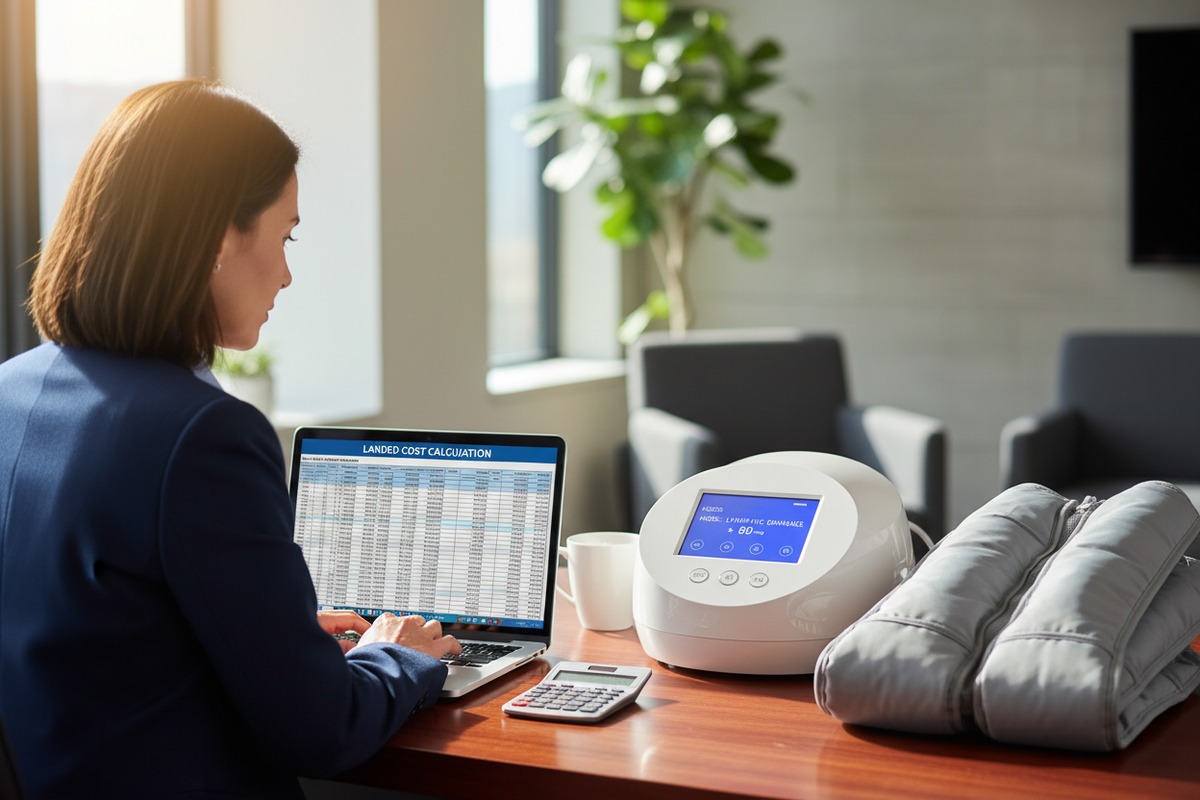
Our production floor ships hundreds of pressotherapy units to US distributors every year Merchandise Processing Fee 1. We hear the same question from every new buyer: “How much will customs cost me?” The answer is not always simple. Many importers get shocked when the final landed cost exceeds their budget by 20-30%.
Pressotherapy machines imported from China face US duties of 0-5% base rate plus Section 301 tariffs of 7.5-25%, totaling approximately 7.5-30% of declared value. Budget an additional 10-30% of product cost for duties, taxes, and processing fees. Total landed cost typically adds 15-35% on top of the FOB price.
Below, we break down every cost you need to plan for. From finding the right HTS code 2 to calculating Section 301 tariffs 3, this guide covers what our US customers ask us most often.
How do I find the correct HTS code and duty rate for my pressotherapy machine order?
When we prepare export documents at our Guangzhou facility, we always confirm the HTS code with our buyers. A wrong code can trigger audits, penalties, and costly delays. Many importers underestimate how much the classification matters.
Pressotherapy machines typically fall under HTS 9019.10 (massage apparatus) with a base duty of 0-4.2%, or HTS 9018.90 (medical instruments) at 0% base duty. Use the USITC Harmonized Tariff Schedule lookup tool and consult CBP for binding rulings to confirm your exact classification.

Why HTS Classification Matters
The Harmonized Tariff Schedule 4 code determines your base duty rate. It also decides whether Section 301 tariffs apply. A small difference in classification can mean thousands of dollars.
Pressotherapy machines can fall under different chapters:
- Chapter 90 (HTS 9018 or 9019): Medical or massage equipment
- Chapter 85 (HTS 8543): Electrical machines not specified elsewhere
Most professional pressotherapy units classify under HTS 9019.10, which covers massage apparatus. This code typically carries a lower base duty than electrical machinery codes.
How to Look Up Your HTS Code
The USITC publishes the official HTS database. You can search by product description or HS number. Here is a step-by-step process:
- Visit the USITC HTS online search tool
- Enter "massage apparatus" or "pressotherapy" as keywords
- Review the 6-digit, 8-digit, and 10-digit codes
- Match your product features to the descriptions
For binding certainty, CBP is the only authority that can issue legally binding rulings 5 on tariff classification. Submit a ruling request if your product features are complex or unique.
Base Duty Rate by HTS Code
| HTS Code | Product Description | Base MFN Duty | Likely Section 301 |
|---|---|---|---|
| 9019.10.20 | Massage apparatus, electrically operated | 4.2% | Yes (List 3/4A) |
| 9018.90.80 | Medical instruments, n.e.s. | Free (0%) | Yes (List 3/4A) |
| 8543.70.99 | Electrical machines, n.e.s. | 2.6% | Yes (List 3/4A) |
Common Classification Mistakes
Many suppliers list generic HS codes on invoices without checking US-specific requirements. This causes problems at customs. The 10-digit HTS code matters. A 6-digit code is not enough for US entry.
Our export team always cross-checks codes before shipment. We recommend buyers verify classifications independently. Wrong codes can result in penalties up to 4x the correct duties.
What additional Section 301 tariffs will I pay for beauty equipment imported from China?
Our customers often see vendor quotes showing “no tariff” for US delivery. When we dig deeper, the reality looks different. Section 301 tariffs have applied to Chinese goods since 2018 and remain in effect today.
Section 301 tariffs on beauty equipment from China range from 7.5% to 25% on top of base duties. Most pressotherapy machines fall under List 3 or List 4A, subject to 25% or 7.5% additional tariffs respectively. These tariffs are calculated on the declared CIF value and persist through 2026.

Understanding Section 301 Tariff Lists
Section 301 tariffs target Chinese imports across multiple product categories. The tariffs were implemented in phases:
- List 1: 7.5% additional duty
- List 2: 25% additional duty
- List 3: 25% additional duty
- List 4A: 7.5-15% additional duty
Beauty and medical technology products often fall under List 3 or List 4A. This means an extra 7.5-25% on top of your base duty.
Current Tariff Status for 2026
The tariff landscape remains complex. Multiple overlapping tariffs apply to Chinese goods. These include Section 301 tariffs, reciprocal tariffs, and fentanyl-related tariffs.
In November 2025, the USTR extended 178 product exclusions until November 10, 2026. However, pressotherapy equipment does not appear on the exclusion lists. Most beauty equipment continues to face the full Section 301 rate.
How to Calculate Your Total Duty
Your total duty combines the base MFN rate plus Section 301 tariffs. Here is an example:
| Cost Component | Amount | Calculation |
|---|---|---|
| FOB Price | $5,000 | Product cost |
| Freight + Insurance | $500 | Shipping costs |
| CIF Value (Dutiable) | $5,500 | Basis for duty calculation |
| Base Duty (4.2%) | $231 | $5,500 × 4.2% |
| Section 301 (25%) | $1,375 | $5,500 × 25% |
| Total Duty | $1,606 | 29.2% effective rate |
Checking Exclusion Status
USTR maintains an exclusion portal where you can check if your specific product qualifies for tariff relief. Most exclusions for machinery require HTS codes under Chapters 84 and 85.
For pressotherapy machines, no specific exclusions have been noted. You should still check the USTR portal and monitor Federal Register notices for updates.
Real-World Impact on Pricing
Based on our experience shipping to US distributors, the Section 301 tariffs add significant cost. A $10,000 shipment of pressotherapy machines can incur $2,500-3,000 in combined duties.
This affects resale margins. Most US buyers need to mark up products 50-100% above landed cost to maintain profitability.
How can I calculate the total landed cost for my shipment including all US customs fees?
At our facility, we help buyers model landed costs before they commit to orders. Too many importers focus only on the product price. They forget about processing fees, freight, and handling charges that add up quickly.
Total landed cost includes product price, freight, insurance, base duties, Section 301 tariffs, Merchandise Processing Fee (0.3464%, min $33.58/max $651.50), and Harbor Maintenance Fee (0.125% for ocean freight). For a $10,000 pressotherapy order, expect $2,500-3,500 in total customs costs.
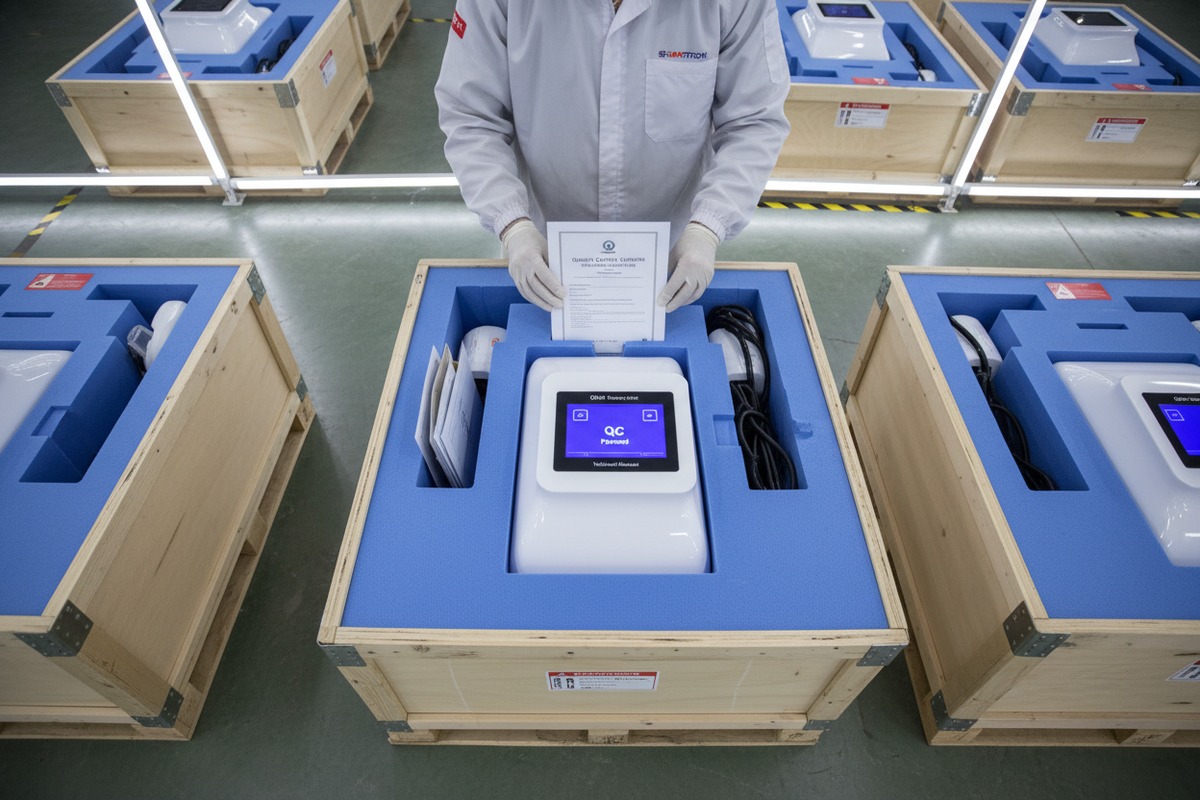
Breaking Down All Customs Fees
Beyond duties, CBP collects additional fees on every import entry. These fees fund customs processing and port maintenance.
Merchandise Processing Fee (MPF)
MPF applies to most formal entries. It is calculated at 0.3464% of the merchandise value. For fiscal year 2026, the minimum is $33.58 and maximum is $651.50 per entry. A $4.03 surcharge applies for manual entry filing.
Harbor Maintenance Fee (HMF)
HMF applies only to ocean freight shipments arriving at US seaports. The rate is 0.125% of cargo value. There is no minimum or maximum cap. Air freight shipments do not pay HMF.
Complete Landed Cost Example
Let's calculate the full landed cost for a typical pressotherapy machine order:
| Cost Item | Calculation | Amount |
|---|---|---|
| FOB Price (3 units) | Unit cost × quantity | $9,000 |
| Ocean Freight | 40-80kg shipment | $400 |
| Marine Insurance | 0.5% of value | $47 |
| CIF Value | $9,447 | |
| Base Duty (4.2%) | $9,447 × 4.2% | $397 |
| Section 301 (25%) | $9,447 × 25% | $2,362 |
| MPF (0.3464%) | $9,447 × 0.3464% | $33.58 (min) |
| HMF (0.125%) | $9,447 × 0.125% | $12 |
| Total Duties/Fees | $2,805 | |
| Total Landed Cost | $12,252 |
In this example, customs costs add approximately 30% to the CIF value.
Factors That Affect Your Costs
Several variables impact your final landed cost:
- HTS Classification: Different codes have different base rates
- Shipment Mode: Air freight avoids HMF but costs more upfront
- Entry Type: Formal vs. informal entries have different MPF structures
- Declared Value: Under-declaration triggers penalties; accurate valuation is critical
Using Duty Calculators
Several online tools help estimate landed costs. The Flexport Tariff Simulator calculates customs fees by HTS code. These tools provide estimates but cannot replace CBP guidance for complex situations.
For bulk B2B imports exceeding 10 units, expect full customs scrutiny. The $800 de minimis exemption 6 has been eliminated for China, so all shipments face duties regardless of value.
Cash Flow Considerations
Higher import duties increase upfront capital requirements. You pay duties when goods enter the US, before you sell them. This affects inventory holding costs and working capital.
Many of our customers factor 25-30% above FOB price when budgeting for US deliveries. This covers duties, fees, freight, and a small buffer for unexpected charges.
Should I choose DDP shipping to simplify my import duty and tax obligations?
When we quote DDP pricing to new customers, they often see it as the simplest option. One price, no customs headaches. But from our experience, DDP is not right for everyone. Understanding the trade-offs helps you make the best choice.
DDP shipping transfers all customs, duties, and tax responsibilities to the seller. It offers cost predictability and simplified logistics for buyers. However, DDP prices are typically 15-25% higher than FOB terms. Choose DDP for small-medium shipments under 100kg or when you lack customs clearance experience.
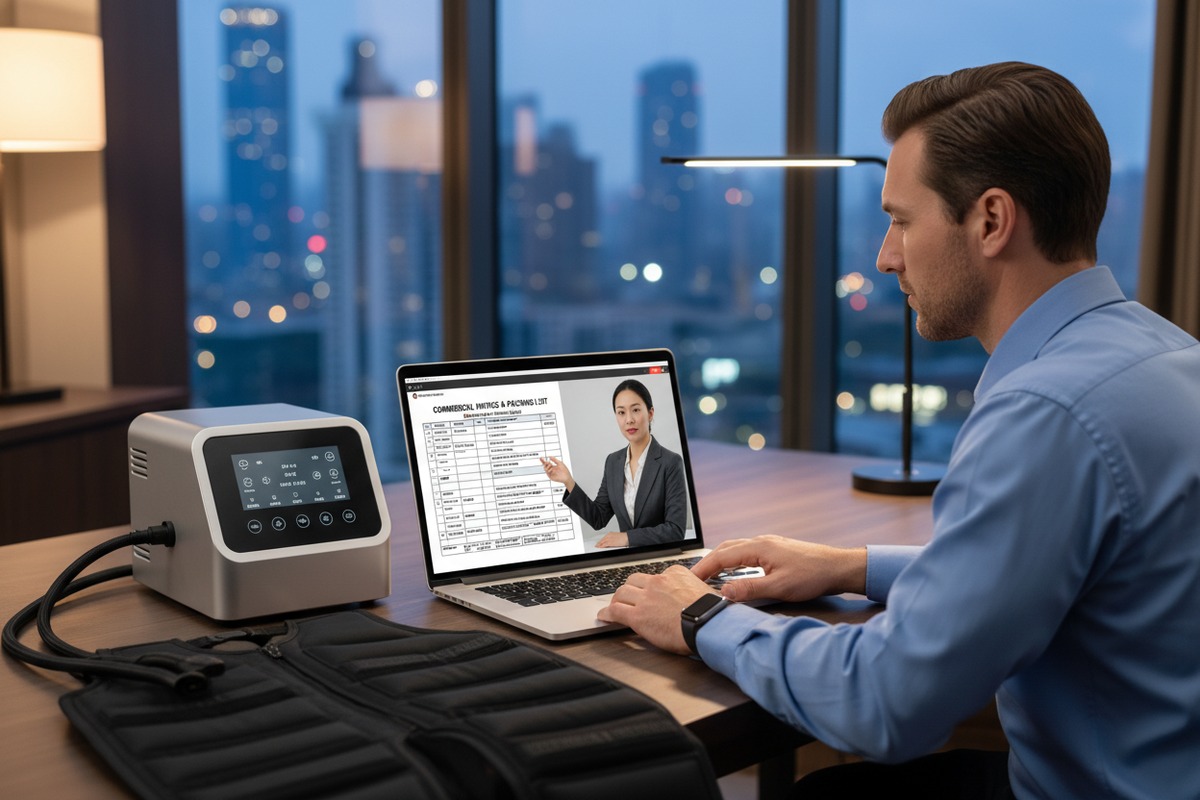
What DDP Covers
Under DDP (Delivered Duty Paid) terms, the seller handles everything:
- Export customs clearance in China
- International freight (air or ocean)
- US import customs clearance
- Payment of all duties and taxes
- Delivery to buyer's specified address
The buyer's only responsibility is unloading the goods upon arrival. This makes DDP attractive for first-time importers or businesses without customs expertise.
Advantages of DDP Shipping
Cost Transparency: DDP provides a single all-inclusive price. You know exactly what you will pay before ordering. No surprise fees at delivery.
Simplified Operations: The seller manages documentation, compliance, and payments. You focus on your business instead of customs paperwork.
Faster Clearance: Pre-arranged customs clearance reduces delay risk. Documentation and payments are handled upfront.
No Import License Needed: DDP works for buyers who lack import credentials. The seller's freight forwarder handles all formalities.
Disadvantages of DDP Shipping
Higher Total Cost: Sellers add margin to cover duty payment risk and administrative costs. DDP quotes typically run 15-25% above FOB pricing.
Less Control: You rely on the seller's classification decisions. If they use incorrect HTS codes or undervalue shipments, you could face compliance problems later.
Documentation Gaps: Some DDP providers do not supply complete customs documentation. This creates accounting issues and compliance risks.
Audit Exposure: If customs later determines duties were underpaid, the importer of record remains liable. Make sure your DDP provider supplies proper entry documentation.
When to Choose DDP vs. Other Terms
| Situation | Recommended Incoterm |
|---|---|
| First-time importer, small order | DDP |
| Under 100kg, need simplicity | DDP |
| Large volume, experienced team | FOB or CIF |
| Need full customs control | DAP or DDU |
| Amazon FBA seller | DDP (required by Amazon) |
Verifying DDP Provider Quality
Not all DDP services are equal. Some providers cut corners to offer low prices. They may:
- Undervalue goods on customs declarations
- Use incorrect HTS codes to reduce duties
- Consolidate your goods with other shipments inappropriately
- Fail to provide proper entry documentation
Ask your DDP provider for customs documentation including the entry summary (CBP Form 7501). Verify the declared value matches your invoice. Confirm the HTS code is appropriate for your product.
DDP Pricing Reality Check
If a vendor quotes DDP shipping 8 at a price barely above FOB, be suspicious. Legitimate DDP pricing includes freight, duties (potentially 25-30%), fees, and service margin.
For a $5,000 pressotherapy machine shipped DDP, expect total pricing around $6,500-7,500 for a legitimate service. Quotes significantly below this likely indicate compliance shortcuts.
Conclusion
Importing pressotherapy machines from China requires budgeting 15-35% above product cost for duties, tariffs, and fees. Verify your HTS code, account for Section 301 tariffs, and include MPF and HMF in calculations. Whether you choose DDP or manage customs yourself, accurate planning prevents costly surprises.
Footnotes
1. CBP provides official information on Merchandise Processing Fees and rates. ↩︎
2. CBP explains HTS codes and how to determine them for imports. ↩︎
3. Authoritative source for the legislative basis of Section 301 tariffs. ↩︎
4. USITC is the official source for the Harmonized Tariff Schedule of the United States. ↩︎
5. CBP details its Binding Ruling Program for import classification decisions. ↩︎
6. Explains the elimination of the de minimis exemption specifically for imports from China. ↩︎
7. CBP explains the Harbor Maintenance Fee for ocean freight imports. ↩︎
8. Provides a clear explanation of Delivered Duty Paid (DDP) Incoterms rules. ↩︎

 English
  Español de México
  Deutsch
  Français
  العربية
  Русский