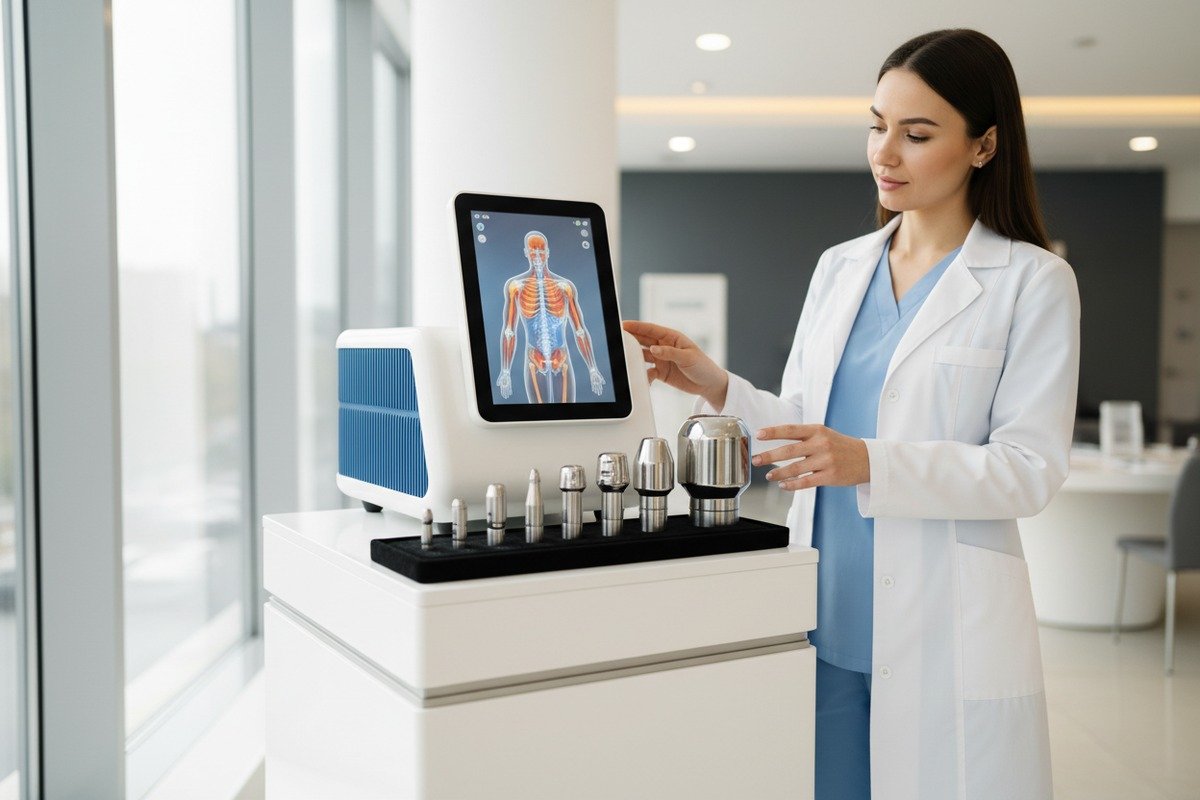
When our engineering team first designed shockwave therapy systems 1, clients kept asking the same question: which probes do I actually need? The confusion is real. With dozens of options flooding the market, choosing the wrong probes means wasted investment and disappointed salon clients.
Shockwave therapy machines typically offer 8-15 probe types, categorized by diameter (6mm to 35mm), wave type (focused or radial), and specialized designs like D-ACTOR, CERAma-x, Deep Impact, and Focus-Lens transmitters. Each serves distinct treatment depths and clinical applications.
Let me walk you through the complete probe landscape Biocompatibility 2. This guide covers everything from basic probe categories to customization options and quality standards.
What are the different types of shockwave probes I can choose for my equipment?
Our production line runs multiple probe configurations daily. Many buyers feel overwhelmed by technical specifications. They struggle to match probe types with actual treatment needs.
Shockwave probes divide into two main categories: radial probes (6mm-35mm diameter, 0-60mm penetration) for superficial treatments and focused probes (electrohydraulic, electromagnetic, piezoelectric) for deep-tissue therapy up to 12cm. Specialized variants include D-ACTOR for muscles and CERAma-x for tendons.
Understanding the Two Core Wave Technologies
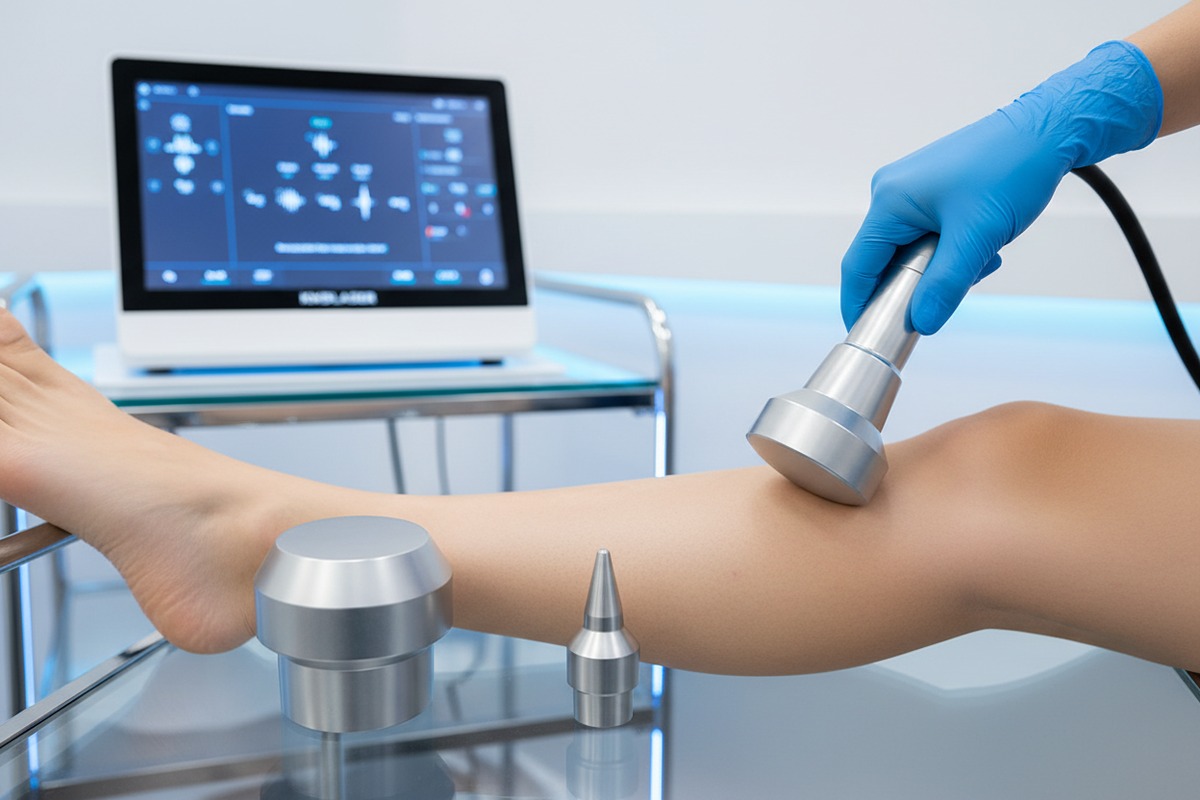
The foundation of probe selection starts with wave type. Radial shockwave therapy (RSWT) 3 probes generate diverging pressure fields. The maximum pressure occurs at the probe surface, then spreads outward. This makes them ideal for broad treatment areas.
Focused shockwave therapy (FSWT) 4 probes work differently. They concentrate energy at a specific focal point within tissue. Between the probe and focal zone, minimal therapeutic effect occurs. This precision targets deep pathologies.
Probe Diameter and Penetration Depth
Here is a critical misconception I need to address. Many believe smaller probes always penetrate deeper. In radial systems, physics works differently.
| Probe Diameter | Penetration Depth | Best Applications | Intensity Rating |
|---|---|---|---|
| 6mm (Small) | 0-15mm | Fingers, face, acupuncture points, trigger points 5 | High precision |
| 15mm (Standard) | 0-35mm | Elbow, shoulder, knee conditions, tennis elbow | 5/10 standard |
| 20mm (Medium) | 0-50mm | Muscle and connective tissue treatments | 7/10 to 9/10 |
| 35mm (Large) | 0-60mm | Large muscles, broad connective tissue areas | Wide coverage |
Large probes produce waves that stay relatively superficial but cover a wide radius. Small probes offer precision but limited area coverage.
Specialized Probe Variants
Our factory produces several specialized transmitter designs. Each serves unique clinical needs:
CERAma-x Transmitter: 15mm diameter, 0-30mm penetration, 9/10 intensity. Designed for tendinopathies 6 requiring high energy delivery.
Deep Impact Transmitter: 15mm diameter, 0-50mm penetration, 7/10 intensity. The geometry pushes focal points deeper even in radial systems.
Focus-Lens Transmitter: 15mm diameter, 0-30mm penetration, 1/10 intensity. Perfect for superficial pain regions and sensitive areas like muscles of mastication.
D-ACTOR Transmitter: Available in 20mm and 35mm variants. Standard version delivers 7/10 intensity; high-energy version reaches 9/10 for chronic disorders.
Generation Technology Differences
The underlying technology constrains probe design possibilities. Three primary generation methods exist:
| Technology | Wave Characteristic | Rise Time | Key Advantage |
|---|---|---|---|
| Electrohydraulic | Spherical wave via water-filled reflector | 25-40 nanoseconds | Strong cavitation effect |
| Electromagnetic | Plane or cylindrical waves | Moderate | Consistent output |
| Piezoelectric | Direct focused wave | Fastest | Most powerful, no energy loss |
Piezoelectric technology 7 is the only direct focused shockwave method. It sends energy directly without reflective manipulation. This makes it the most consistent option for precision treatments.
Can I customize the probe sizes and designs for my private label brand?
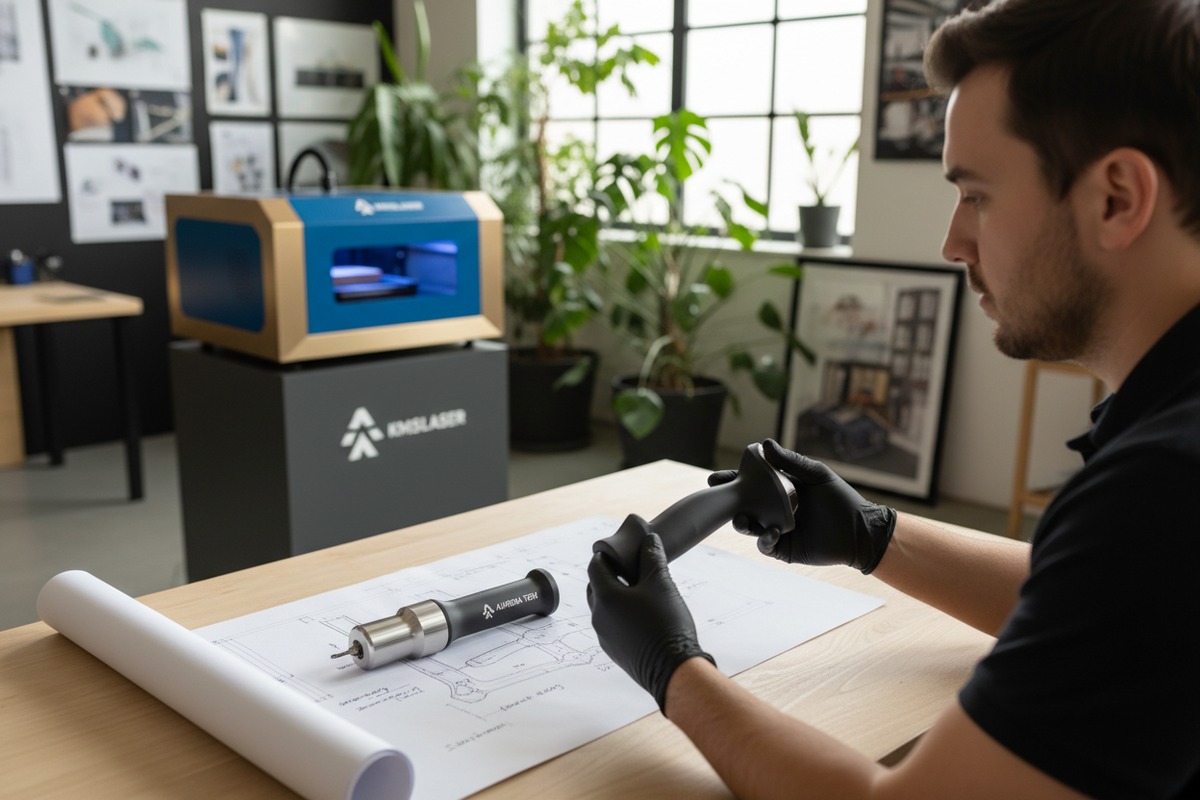
When we work with brand owners on OEM projects, probe customization ranks among the top requests. Standard probes might not fit your market positioning. Your brand deserves unique solutions.
Yes, probe customization is available for private label brands. Options include custom diameters, handle ergonomics, material selection (stainless steel or ceramic), branded laser engraving, color matching, and specialized tip geometries. Minimum order quantities typically apply, ranging from 50-200 units per probe design.
Material Selection for Your Brand
Probe material affects durability, hygiene, and perceived quality. Our engineering team recommends matching material to usage intensity.
Stainless steel offers the highest durability. High-volume clinics performing 30+ treatments daily need this robustness. The surface withstands repeated sterilization cycles without degradation.
Ceramic materials suit lower-volume applications. They provide excellent energy transmission and a premium aesthetic feel. However, they require more careful handling.
Emerging options include antimicrobial coatings. These advanced materials improve hygiene and patient safety. They reduce bacterial colonization between treatments.
Customization Options Available
| Customization Type | Description | MOQ Range | Lead Time |
|---|---|---|---|
| Custom diameter | Non-standard sizes (8mm, 12mm, 25mm) | 100-200 units | 6-8 weeks |
| Handle ergonomics | Weight, grip texture, balance point | 50-100 units | 4-6 weeks |
| Brand engraving | Laser-etched logo and model numbers | 50 units | 2-3 weeks |
| Color matching | Handle colors matching your brand palette | 100 units | 4-5 weeks |
| Tip geometry | Flat, concave, or specialized shapes | 200 units | 8-10 weeks |
Private Label Pricing Advantages
From our experience supplying US and European distributors, bulk pricing typically runs 5%-8% lower than retail quantities. This margin advantage helps your brand compete effectively.
Customization costs add 10%-25% to base probe pricing. However, this investment builds brand differentiation. Your clients cannot easily substitute with generic alternatives.
Design Collaboration Process
Our ODM service follows a structured process. First, we discuss your clinical needs and market positioning. Then our engineers create technical drawings for your approval. Prototype production takes 3-4 weeks. After testing and refinement, bulk production begins.
We handle everything from initial concept to final packaging. Your brand appears on all components. Documentation includes your company name and contact information.
How do I ensure the shockwave probes I import meet my quality and lifespan standards?
Quality issues rank among the biggest pain points our clients mention. Product malfunctions, cosmetic defects, or short lifespans damage your reputation. Your downstream customers complain. Financial losses mount.
Ensure probe quality through pre-production material certification, in-production inspections at 30% and 70% completion, pre-shipment testing of energy output consistency, documented lifespan testing (minimum 500,000 shots), and third-party verification from SGS or Bureau Veritas. Request sample units for independent testing before bulk orders.
Critical Quality Checkpoints
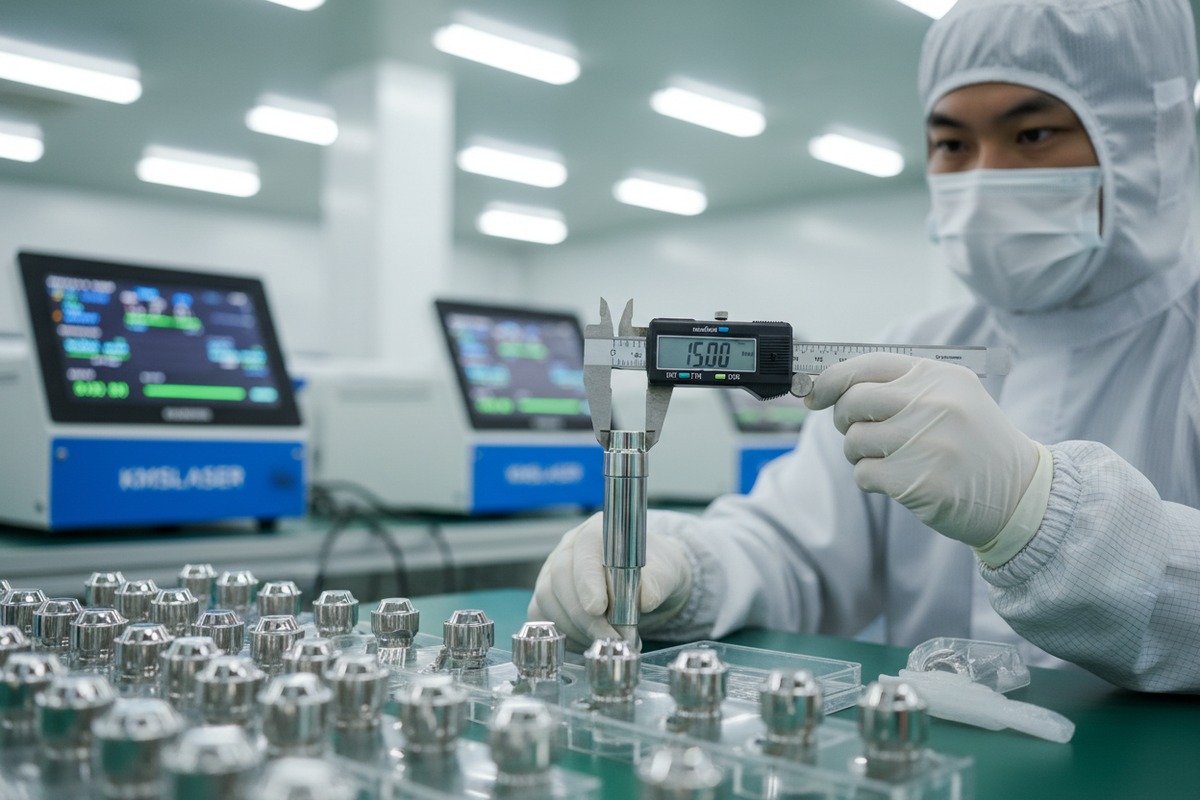
Quality control begins before production starts. We verify raw material certifications. Stainless steel grade, ceramic composition, and electrical components all require documentation.
During production, two inspection stages catch problems early:
30% Completion Check: Verify dimensional accuracy, material quality, and assembly precision. Catching defects here prevents wasted resources.
70% Completion Check: Test electrical connections, energy transmission, and cosmetic finish. This stage catches functional issues before final assembly.
Lifespan Testing Standards
Probe lifespan directly affects your total cost of ownership. We test every probe design for minimum shot counts before market release.
| Probe Type | Minimum Shot Count | Expected Lifespan | Replacement Indicator |
|---|---|---|---|
| Standard radial | 500,000 shots | 12-18 months | Energy output drops 15% |
| High-energy radial | 300,000 shots | 8-12 months | Visible tip wear |
| Focused probes | 1,000,000 shots | 18-24 months | Focal accuracy deviation |
| Ceramic variants | 400,000 shots | 10-14 months | Surface micro-cracks |
Request lifespan test documentation from your supplier. Ask for the testing methodology and failure criteria. Reputable manufacturers provide this data willingly.
Energy Output Consistency
Energy delivery consistency matters more than peak power. Inconsistent probes deliver unpredictable results. Your salon clients notice treatment variability.
Our quality process measures energy output across 1,000 consecutive shots. Output should vary less than 5% from the target specification. Higher variance indicates manufacturing defects.
Third-Party Verification Options
Independent testing adds credibility. SGS and Bureau Veritas offer medical device testing services. Their reports provide documentation for regulatory compliance.
Key tests to request include:
- Electrical safety (IEC 60601 series 8)
- Biocompatibility of patient-contact materials
- Electromagnetic compatibility
- Mechanical durability
Sample Testing Protocol
Before placing bulk orders, test samples thoroughly. Run at least 5,000 shots on each probe type. Measure energy output at shots 1, 1000, 2500, and 5000. Output should remain within specification throughout.
Check cosmetic quality after testing. Look for tip wear, handle discoloration, or connection loosening. These early indicators predict production batch quality.
Which specific probes should I include in my wholesale order to cover all salon treatment needs?
Ordering the right probe mix saves money and covers client needs. Too few probes limits treatment options. Too many creates inventory waste. Finding balance requires understanding salon treatment demands.
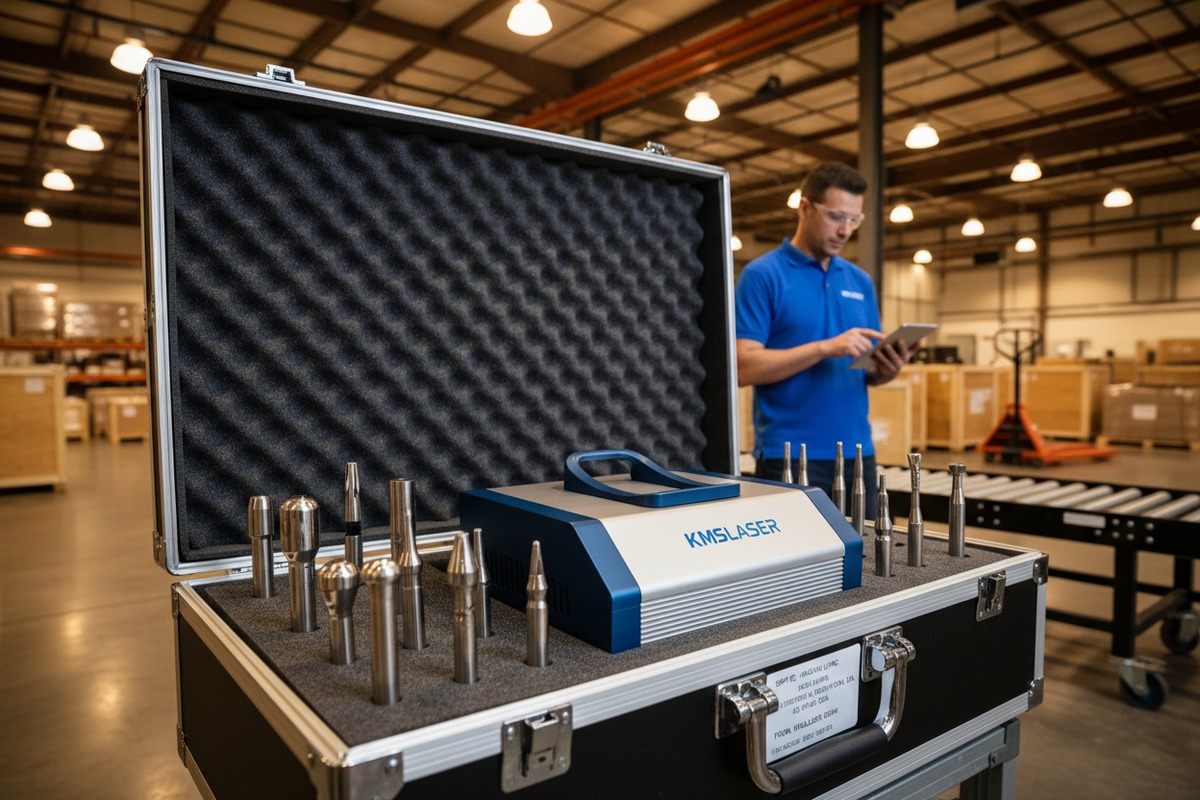
A comprehensive salon probe kit should include: 6mm for facial trigger points, 15mm standard for general tendinopathies, 15mm Deep Impact for chronic conditions, 20mm D-ACTOR for muscle treatment, and 35mm for cellulite and large area coverage. This five-probe configuration addresses 95% of aesthetic and therapeutic salon applications.
Matching Probes to Salon Services
Different salon services demand specific probe configurations. Understanding your target market helps optimize your order.
| Service Category | Primary Probe | Secondary Probe | Treatment Depth |
|---|---|---|---|
| Facial rejuvenation | 6mm | 15mm Focus-Lens | 0-15mm |
| Cellulite reduction | 35mm D-ACTOR | 25mm variant | 0-40mm |
| Skin tightening | 20-35mm | 15mm standard | 0-30mm |
| Body contouring | 20mm D-ACTOR | 35mm for large areas | 0-50mm |
| Trigger point therapy | 6mm or 10mm | 15mm CERAma-x | 0-30mm |
| Sports recovery | 20mm D-ACTOR | 15mm Deep Impact | 0-50mm |
The Essential Five-Probe Kit
Based on our export experience to US and European salons, five probes cover most needs:
6mm Small Probe: Essential for facial treatments, finger therapy, and precise trigger point work. High demand in medical spas offering facial rejuvenation.
15mm Standard Probe: The workhorse. Handles tennis elbow, shoulder conditions, and general tendinopathies. Every salon needs this size.
15mm Deep Impact Probe: Reaches deeper tissues without increasing diameter. Critical for chronic conditions and stubborn pathologies.
20mm D-ACTOR Probe: Muscle treatment specialist. Popular for athletic recovery services and body contouring programs.
35mm Large Probe: Cellulite and connective tissue treatments. High revenue generator for aesthetic-focused salons.
Clinical Application Matrix
Different conditions respond best to specific probe combinations. This matrix guides treatment planning:
For cellulite stages I-III, use 25-35mm D-ACTOR probes. The mechanism involves mechanical disruption of septae and lymphatic drainage stimulation. High-vibration settings enhance results.
For skin tightening, 20-35mm probes with broad, low-intensity waves work best. The mechanism targets collagen stimulation and increased skin elasticity over multiple sessions.
For trigger points in neck and shoulder, 10-15mm focused or semi-focused probes provide ischemic compression relief and pain gating effects.
For large muscle recovery, 20mm radial probes with medium depth settings promote hyperemia (blood flow) and muscle tone reduction.
Order Quantity Recommendations
Consider your monthly treatment volume when ordering. A busy salon performing 100 treatments monthly needs backup probes.
We recommend ordering at least two units of your most-used probe sizes. The 15mm standard and 20mm D-ACTOR typically see the highest usage. Keep one spare of each specialty probe.
Bulk pricing advantages make larger orders economical. That 5%-8% discount on wholesale quantities adds up across your probe inventory.
Conclusion
Shockwave probe selection determines treatment success. Understanding the differences between radial and focused probes, matching diameters to treatment depths, and building quality control processes protects your investment and reputation.
Footnotes
1. Provides an overview of shockwave treatment systems and their application. ↩︎
2. Explains the importance and process of biocompatibility testing for medical devices. ↩︎
3. Explains what radial shockwave therapy is and how it works. ↩︎
4. Details the mechanism, benefits, and applications of focused shockwave therapy. ↩︎
5. Replaced unknown HTTP error link with an authoritative, accessible HTTPS page from Wikipedia defining Myofascial trigger points. ↩︎
6. Explains shockwave therapy as a treatment option for tendinopathies. ↩︎
7. Describes how piezoelectric technology generates focused shockwaves for therapy. ↩︎
8. Provides an overview of the international standard for medical electrical equipment safety. ↩︎

 English
  Español de México
  Deutsch
  Français
  العربية
  Русский