

Every month, our engineering team reviews supplier audit results FDA 21 CFR Part 820 1. One pattern keeps surfacing: buyers who skip PLM questions often face delays, compliance gaps, or quality failures later. The stakes are high when sourcing shockwave therapy machines 2.
To inquire about PLM planning effectively, ask suppliers about their design control documentation, BOM traceability, QMS integration, engineering change order workflows, and supplier collaboration protocols. Request access to their Design History File structure and verify compliance with ISO 13485 and FDA 21 CFR Part 820 requirements.
This guide breaks down the exact questions you should ask. We will cover production timelines, customization capabilities, quality standards, and logistics management. Each section gives you actionable inquiry strategies based on real manufacturing experience.
How can I evaluate if a supplier's PLM planning will prevent production delays for my shockwave therapy machines?
Production delays cost more than money. They damage customer relationships and market timing. When our production planners coordinate with overseas buyers, timeline visibility becomes the foundation of trust.
Evaluate a supplier's PLM planning by requesting their engineering change order cycle times, BOM version control procedures, and real-time production milestone tracking capabilities. Ask for documented lead time performance metrics and examine how their PLM system flags potential bottlenecks before they cause delays.

Understanding PLM's Role in Production Scheduling
PLM systems serve as the central nervous system for manufacturing operations. They connect design data, bill of materials 3, supplier information, and production schedules in one platform. Without this integration, information lives in silos. Silos create delays.
When we manufacture shockwave therapy machines, the PLM system tracks every component from initial specification to final assembly. The transducer assembly alone involves dozens of parts from multiple suppliers. If one component specification changes, the PLM automatically notifies all affected departments. This prevents the classic scenario where engineering updates a design but production uses the old version.
Key Questions to Ask About Timeline Management
| Question Category | Specific Questions to Ask | Red Flags to Watch For |
|---|---|---|
| ECO Management | What is your average ECO cycle time? How do you communicate changes to production? | Cycle times over 2 weeks; manual notification processes |
| BOM Control | How many BOM versions do you maintain? Who approves version releases? | No version history; unclear approval authority |
| Milestone Tracking | Can I access real-time production status? What triggers delay alerts? | Email-only updates; no automated alerting |
| Supplier Integration | How do you track supplier delivery performance? | Supplier data stored separately from PLM |
Verifying Timeline Performance Claims
Do not accept verbal assurances. Request documented evidence. Ask for their last six months of on-time delivery rates. Examine how they calculate these metrics. Some suppliers measure from the revised date after delays, not the original commitment.
Our quality team maintains detailed records of every shipment. We can show buyers exactly when orders entered production, hit each milestone, and shipped. A supplier with strong PLM practices can produce this documentation quickly. If they cannot, their system likely has gaps.
Early Warning Systems Within PLM
Modern PLM systems include predictive capabilities. They analyze historical data to identify potential delays before they happen. For shockwave machines, common delay triggers include:
- Transducer component lead time extensions
- Calibration equipment scheduling conflicts
- Regulatory documentation review bottlenecks
- Packaging material supply fluctuations
Ask your potential supplier how their PLM identifies these risks. Request examples of how early warnings prevented past delays. A mature PLM implementation will have specific cases to share.
What should I ask to ensure the PLM process includes the custom branding and engineering I need for my machines?
Custom branding goes beyond logo placement. It involves engineering changes, regulatory documentation updates, and supply chain coordination. Our ODM projects require precise PLM tracking to maintain quality across variations.
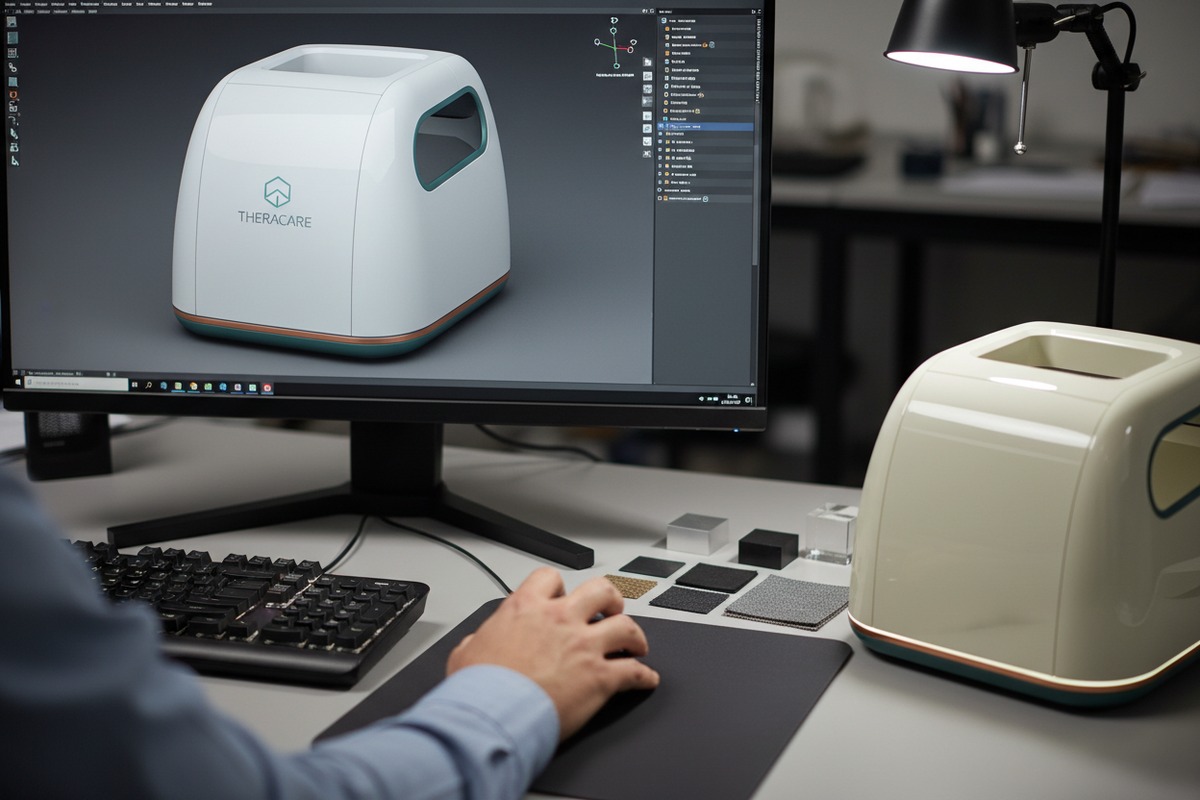
Ask suppliers how their PLM system manages product variants, stores branding specifications, tracks custom engineering requirements, and maintains separate Design History Files for each branded version. Verify they can demonstrate version control between your customized units and their standard models.
Product Variant Management in PLM
Shockwave therapy machines often require customization at multiple levels. The housing may need specific colors. The interface software may require your brand identity. The treatment protocols may need regional adjustments. Each variation must be tracked separately while sharing common component data.
Strong PLM systems use product variant structures. These create a parent-child relationship between the base design and customized versions. When our engineering team develops a custom handpiece design for a US distributor, the PLM maintains the link to standard components while documenting the unique elements.
Documentation Requirements for Custom Products
| Customization Type | PLM Documentation Needs | Compliance Considerations |
|---|---|---|
| Visual Branding | Logo specifications, color codes, placement dimensions | Labeling requirements per FDA/EU MDR |
| Housing Modifications | Engineering drawings, tolerance specifications, material certificates | Design verification records |
| Software Customization | Interface mockups, user flow documentation, localization files | Usability testing records |
| Protocol Adjustments | Treatment parameter settings, safety limit documentation | Risk analysis updates |
Protecting Your Intellectual Property
When you invest in custom development, that IP needs protection. Intellectual Property 4 Ask how the supplier's PLM system controls access to your proprietary specifications. Key questions include:
- Who can view my branded product data?
- How do you prevent my specifications from appearing in competitor quotes?
- What happens to my design files if we end our relationship?
- Can I receive complete documentation exports?
Our policy grants buyers full ownership of their custom designs. The PLM system maintains access controls that limit visibility to authorized personnel only. We can demonstrate these controls during factory audits.
Engineering Change Management for Custom Products
Custom products create additional ECO complexity. Changes to the base platform may or may not apply to your variant. Your requested modifications need separate tracking.
Ask potential suppliers to explain their ECO workflow for custom products. How do they evaluate whether a platform change affects your version? Who approves modifications to your specific variant? How quickly can they implement your engineering requests?
We use a formal impact assessment process. When any change enters the system, a cross-functional team evaluates all affected product variants. Your version receives individual attention, not blanket updates.
Design History File Separation
Regulatory compliance requires maintaining complete Design History File 5s for each product variant. If you have custom branding and engineering, you need a separate DHF. This becomes critical during FDA inspections or customer audits.
Verify that your supplier's PLM can generate variant-specific DHFs. Request a sample table of contents. Ensure it includes all design inputs, outputs, reviews, and verification records specific to your product.
How do I confirm that my manufacturer's PLM system integrates the strict quality control standards I expect?
Quality failures in shockwave therapy machines create serious consequences. Patient safety issues lead to recalls. Cosmetic defects damage brand reputation. Our quality management philosophy treats PLM-QMS integration as non-negotiable.
Confirm PLM-QMS integration by requesting documentation showing how design controls flow into quality checkpoints, how nonconformances link to specific BOM items, and how CAPA actions trace to design changes. Ask for their supplier quality rating methodology and SCAR management process within the PLM environment.

The PLM-QMS Connection Point
Quality management and product lifecycle management must work together. Design decisions affect quality outcomes. Quality data should inform design improvements. When these systems operate separately, problems fall through the gaps.
In our facility, the PLM system includes quality checkpoints at every stage. When an engineer releases a new BOM revision, the system automatically generates inspection requirements. When quality identifies a defect pattern, the PLM creates a design review task. This closed loop prevents recurring issues.
Verification and Validation Traceability
| V&V Stage | PLM Documentation | QMS Link |
|---|---|---|
| Design Verification | Test protocols, acceptance criteria, results | Inspection procedures, calibration records |
| Design Validation | Clinical performance data, user feedback | Customer complaint tracking |
| Process Validation | IQ/OQ/PQ protocols, capability studies | Statistical process control data |
| Supplier Qualification | Incoming inspection specs, approved supplier list | Supplier audit records, SCARs |
Risk Management Integration
ISO 14971 6 requires systematic risk management throughout the product lifecycle. Ask how the supplier's PLM system supports this requirement. Specifically:
- Where do they store risk analysis documents?
- How do risk controls link to design specifications?
- When quality events occur, how do they update risk assessments?
- Can they demonstrate traceability from identified risks to implemented controls?
We maintain risk files within the PLM for each product. When our quality team identifies a new failure mode, the system prompts a risk analysis review. Design controls trace directly to specific risks in the matrix.
Supplier Quality Management Within PLM
Your shockwave therapy machine quality depends heavily on component quality. The supplier's PLM should include robust supplier management capabilities. Key features to verify:
Approved Supplier Lists 7 managed within PLM ensure only qualified sources appear on BOMs. Supplier performance metrics should track delivery, quality, and responsiveness. When suppliers fail to meet standards, the system should trigger formal Supplier Corrective Action Requests.
Ask for their supplier rating methodology. How do they score suppliers? What performance thresholds trigger action? How quickly do they respond to supplier quality issues?
Design Control Documentation Access
Strong suppliers provide transparency into their design control process. Request access to sample documentation:
- Design input requirements for shockwave parameters
- Design output specifications for energy delivery accuracy
- Design review meeting records
- Design verification test reports
If a supplier hesitates to share this information, question their process maturity. Legitimate confidentiality concerns can be addressed through NDAs. Complete unwillingness suggests documentation gaps.
In-Process Quality Checkpoints
Beyond documentation, ask about physical quality controls. At what production stages do they inspect? What measurements do they take? How do inspection results feed back into the PLM?
Our production line includes multiple inspection gates. Energy output calibration happens at assembly completion. Housing quality checks occur before final packaging. Each result links to the specific unit's serial number in the PLM, creating complete traceability.
How can I verify that a supplier's PLM strategy will safeguard my inventory and door-to-door logistics timeline?
Logistics failures erase all upstream quality work. Perfect machines mean nothing if they arrive late or damaged. Our supply chain team coordinates PLM data with logistics planning to protect customer timelines.
Verify logistics integration by asking how the PLM system connects to inventory management, how production completion triggers shipping workflows, and how packaging specifications link to product configurations. Request their on-time-in-full delivery metrics and examine how they handle logistics exceptions within the PLM framework.

PLM and Supply Chain Visibility
Product lifecycle management extends beyond engineering. Modern PLM systems connect to supply chain planning 9. This integration ensures that production schedules align with component availability. It also links finished goods to shipping requirements.
When we plan production for shockwave therapy machines, the PLM system checks component inventory automatically. If transducer supplies run low, the system alerts purchasing before production starts. This prevents the frustrating situation where machines wait for one missing part.
Inventory Management Integration Points
| PLM Data Element | Inventory System Use | Logistics Impact |
|---|---|---|
| BOM Components | Procurement planning, safety stock calculation | Lead time alignment |
| Packaging Specifications | Carton sizing, protective material requirements | Shipping cost optimization |
| Product Weight/Dimensions | Container planning, freight quotes | Customs documentation |
| Serial Numbers | Inventory tracking, warranty registration | Shipment verification |
Packaging Specification Management
Shockwave therapy machines require careful packaging. The devices contain sensitive components that vibration and impact can damage. Your PLM inquiry should cover packaging documentation.
Ask these specific questions:
- Where do packaging specifications reside in the PLM?
- How do you validate packaging performance?
- When product dimensions change, how do you update packaging?
- Can you provide drop test and vibration test results?
Our PLM maintains complete packaging specifications linked to each product variant. Custom branding often requires unique packaging. The system ensures each order receives the correct branded cartons and protective materials.
Shipping Workflow Automation
Production completion should trigger shipping preparation automatically. Ask how the supplier's systems handle this transition:
- Does the PLM notify logistics when units pass final inspection?
- How do they generate packing lists and commercial invoices?
- What shipping documentation does the PLM produce?
- How do they track shipments after dispatch?
We integrate our PLM with shipping software. When a production order completes final QC, the system generates all export documentation. This eliminates manual data entry errors that cause customs delays.
Exception Management Protocols
Even excellent systems encounter problems. Components arrive late. Shipping routes face disruptions. Ask how the supplier handles exceptions:
- How do they communicate logistics delays to buyers?
- What alternative shipping options can they arrange?
- How do they document and analyze logistics failures?
- What continuous improvement actions have they taken?
Our policy requires same-day notification of any logistics issue. The PLM logs all exceptions and their resolutions. This data drives improvement initiatives and helps us identify recurring problems.
Door-to-Door Service Verification
If you require door-to-door logistics, verify the supplier's capabilities thoroughly. Some manufacturers only handle ex-works shipping. Others manage complete delivery but outsource coordination.
Request their logistics partner information. Ask about insurance coverage. Verify they can provide tracking visibility throughout transit. Examine their delivered damage rates and claim resolution process.
Our team manages complete door-to-door logistics for US, Canadian, and European destinations. The PLM tracks each shipment from production completion through final delivery confirmation. Buyers receive automated status updates at key milestones.
Pre-Shipment Inspection Coordination
The final quality check before shipping deserves special attention. Ask how pre-shipment inspections link to the PLM:
- What inspection checklist do they use?
- How do they document inspection results?
- Can you or your agent witness inspections?
- What happens when inspections reveal issues?
We conduct comprehensive pre-shipment inspections for every order. The inspection protocol pulls requirements directly from the PLM. Results upload to the system immediately, creating a permanent record accessible to buyers.
Conclusion
PLM planning 10 directly impacts your sourcing success. Ask detailed questions about production timelines, customization capabilities, quality integration, and logistics coordination. Document supplier responses and verify claims through audits. Your investment in thorough PLM evaluation prevents costly problems later.
Footnotes
1. Outlines the U.S. FDA regulations for quality systems in medical device manufacturing. ↩︎
2. Explains what shockwave therapy machines are and their medical applications. ↩︎
3. Provides a comprehensive definition and importance of a Bill of Materials in manufacturing. ↩︎
4. Defines intellectual property as creations of the mind protected by law. ↩︎
5. Explains the compilation of documentation describing the design history of a finished medical device. ↩︎
6. Specifies the international standard for applying risk management to medical devices. ↩︎
7. Explains the importance of a controlled record of qualified suppliers for medical device manufacturers. ↩︎
8. Found a working, authoritative page on ISO 13485 from the same organization. ↩︎
9. Defines the process of anticipating demand and coordinating materials to meet it. ↩︎
10. Defines Product Lifecycle Management as a strategic process for managing a product’s entire journey. ↩︎

 English
  Español de México
  Deutsch
  Français
  العربية
  Русский