
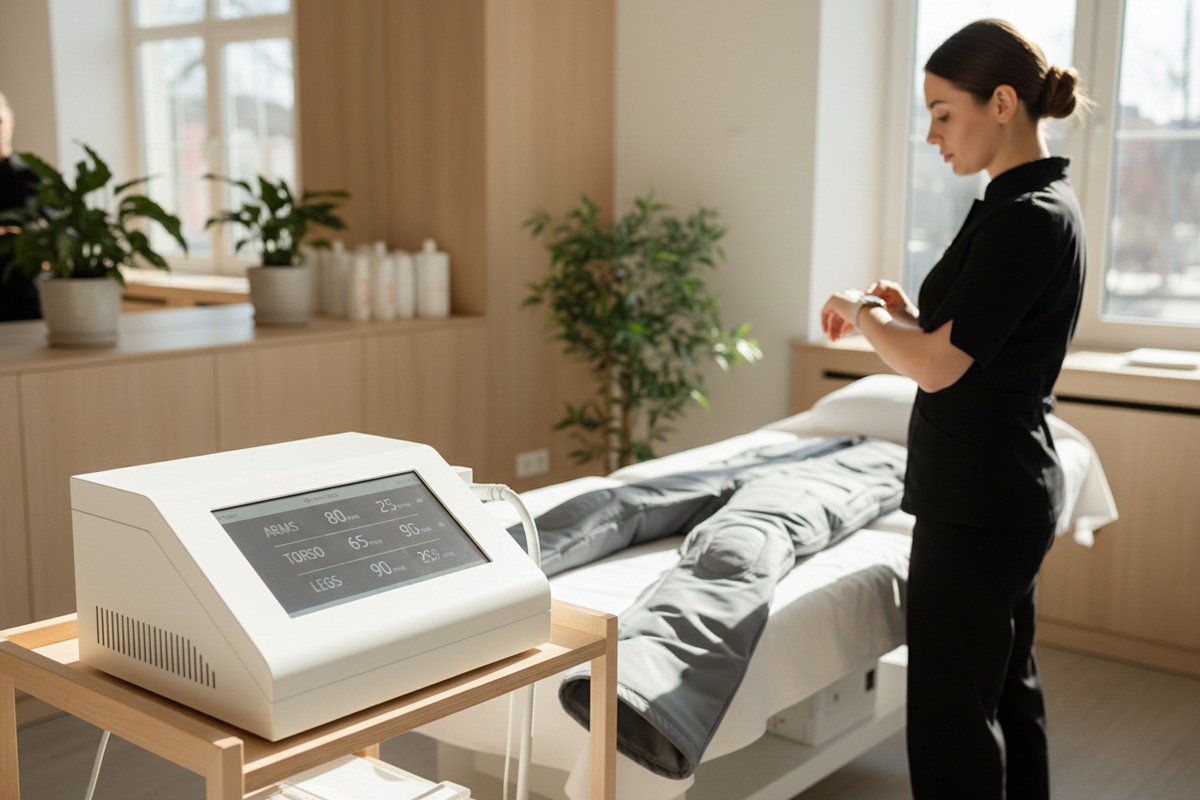
In our Guangzhou workshop, we often see buyers focus only on pressure levels lymphatic drainage sessions 1. This oversight leads to hardware burnout when salons run machines all day without understanding the thermal limits.
To inquire about daily operating hours, ask for the "duty cycle" or "continuous run time." Ensure the machine handles eight hours of use with periodic 15-minute breaks. Verify if the cooling system supports back-to-back sessions without pressure drops or thermal shutdowns during peak salon hours.
Understanding these technical limits is the difference between a reliable asset and a constant maintenance headache.
How can I verify that the cooling system supports continuous back-to-back treatments throughout my workday?
When we calibrate the internal airflow of our professional units, we prioritize heat dissipation. Without a robust cooling strategy, the internal pump will overheat and fail after just three or four sessions.
Verify the cooling system by requesting the fan's CFM rating and thermal management design. Professional machines should utilize dual-ball bearing fans and internal heat sinks. Ask for stress test data showing internal temperatures remain stable after six consecutive 60-minute lymphatic drainage sessions.
Understanding Active vs. Passive Cooling
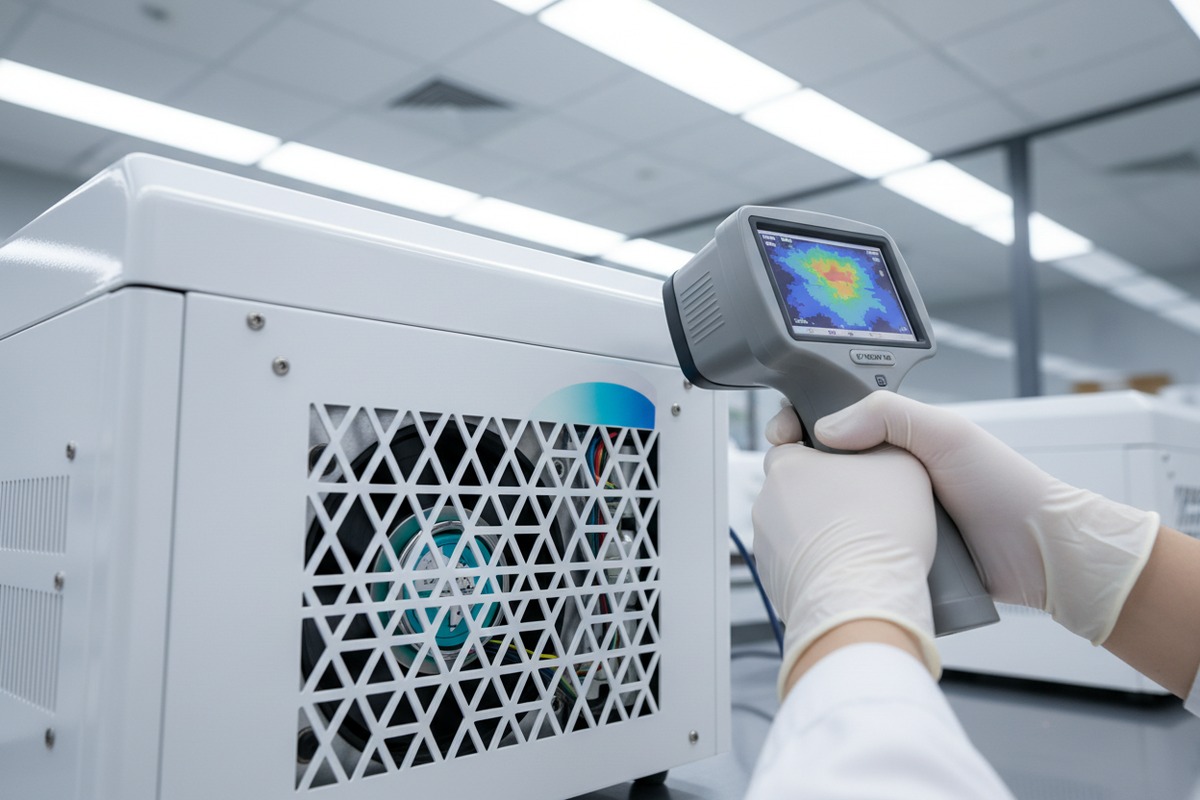
The most critical factor in a machine’s ability to run all day is its cooling architecture. Most budget machines rely on passive cooling, which is just a few vents in the plastic casing. For a salon environment, you need active cooling. This involves high-speed fans that pull cool air across the motor and push hot air out.
In our engineering tests, we have found that dual-fan systems are significantly more reliable for 8-hour workdays. One fan dedicated to the power supply and another for the air pump ensures that no single component becomes a heat trap.
Thermal Cut-off Switches
You should ask your supplier if the machine includes a thermal cut-off switch 2. This is a safety feature that shuts the machine down if it reaches a certain temperature. While it prevents the motor from melting, a machine that shuts down in the middle of a client’s treatment is a business disaster. A well-designed cooling system should keep the machine at least 20% below the cut-off threshold even during peak usage.
Comparing Cooling Specifications
| Feature | Standard Home Model | Professional Salon Model |
|---|---|---|
| Fan Type | Single Sleeve Bearing | Dual Ball Bearing (High CFM) |
| Heat Dissipation | Plastic Vents | Aluminum Heat Sinks + Active Fans |
| Continuous Run Time | 60 Minutes | 480 Minutes (with breaks) |
| Thermal Protection | Basic Fuse | Intelligent Sensor + Auto-Reset |
When discussing this with a salesperson, ask for the "CFM" (Cubic Feet per Minute) of the internal fans. CFM rating 3 A higher CFM means more air moves through the machine, keeping the components cool during those busy Saturday afternoon back-to-back appointments.
What specific performance data should I request to ensure the machine maintains stable pressure during peak hours?
Our R&D team spends hundreds of hours testing solenoid valves 4 under pressure. If a machine cannot maintain consistent mmHg levels throughout the day, the therapeutic benefits for your clients will vanish.
Request a "Pressure Stability Report" over an eight-hour window. Ensure the air pump maintains a ±5% tolerance range even at maximum settings (e.g., 240-360 mmHg). Ask for the pump's expected lifespan in hours to calculate its long-term reliability for high-volume use.

The Role of Solenoid Valve Quality
The solenoid valves are the "traffic controllers" of your pressotherapy machine. They open and close to inflate different sections of the suit. In high-volume settings, these valves click thousands of times a day. If they are made of cheap plastic, they will begin to leak as they get warm.
When inquiring, ask specifically if the valves are reinforced. High-end machines use medical-grade solenoids that resist heat-related expansion. This ensures that the pressure in the boots or sleeves stays exactly where you set it, even during the tenth session of the day.
Air Pump Duty Cycles
The air pump is the heart of the system. You need to know its "Duty Cycle 5." A 100% duty cycle means the pump can run continuously without rest. Most professional pressotherapy pumps are rated for a 60% to 80% duty cycle. This means for every 60 minutes of work, it should have a short period of rest.
Key Performance Metrics to Request
| Metric | Why it Matters | Target Value |
|---|---|---|
| Pressure Tolerance | Ensures consistent massage depth | Less than ±5% deviation |
| Inflation Speed | Affects total treatment time | 0 to 200 mmHg in < 30 seconds |
| Valve Lifecycle | Determines machine longevity | 500,000+ cycles |
| Noise Level | Affects the salon atmosphere | Under 50 dB at max pressure |
Ask your supplier for a video or data sheet showing the machine running at 200 mmHg for four hours. If the pressure gauge starts to flutter or drop, the pump is likely underpowered for professional use.
How will running my pressotherapy machine for eight hours daily impact its long-term durability and my maintenance costs?
In our experience exporting to the US, we see that high-volume use accelerates the wear on the fabric connectors and internal seals. Frequent use is great for ROI, but only if you budget for the inevitable maintenance.
Running a machine for eight hours daily increases valve wear and airbag degradation. Anticipate higher maintenance costs if the unit lacks a heavy-duty pump. Professional-grade machines typically require filter cleanings every month and seal inspections every six months to prevent costly motor failures.
Component Fatigue and Wear Tears
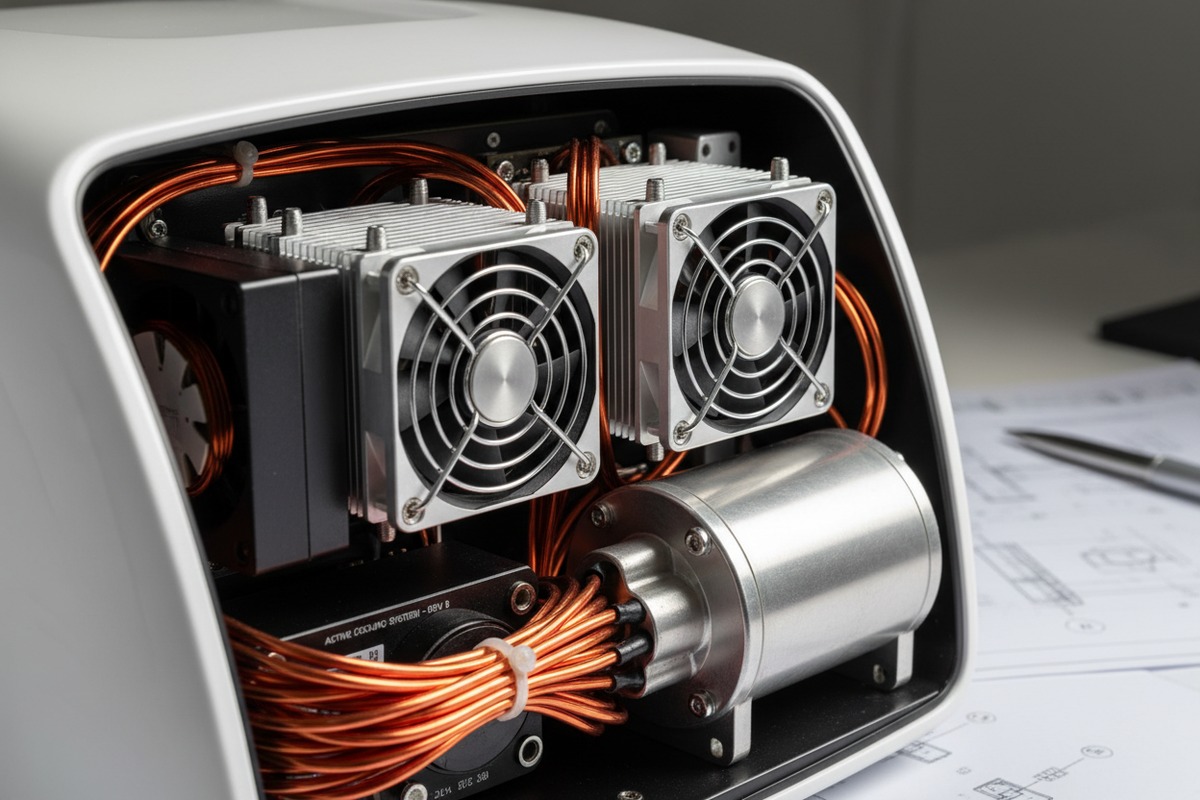
When a machine runs for eight hours every day, the materials expand and contract constantly. This is called thermal cycling 6. It affects the air hoses, the connectors, and the TPU (thermoplastic polyurethane) inside the compression garments.
Cheaper suits will begin to delaminate or leak at the seams after about 300-500 hours of use. In a busy salon, you might hit that mark in just two or three months. We recommend asking for "high-cycle" garments that use double-stitched seams and medical-grade TPU to lower your replacement costs.
Calculating Your Total Cost of Ownership (TCO)
Maintenance isn't just about fixing things when they break; it's about preventing downtime. Total Cost of Ownership (TCO) 7 If your machine is down for a week, you lose the revenue from those sessions.
Projected Maintenance Schedule for High-Volume Units
| Frequency | Task | Estimated Cost |
|---|---|---|
| Monthly | Clean air intake filters and exterior | $0 (Internal Staff) |
| Quarterly | Inspect hose connectors for air leaks | $20 – $50 (Parts) |
| Bi-Annually | Professional internal dust removal | $100 – $150 |
| Annually | Replace high-wear air garments/boots | $300 – $600 |
By understanding these costs upfront, you can set your session prices to cover the eventual replacement of parts. Always ask if the supplier stocks replacement pumps and valves in your home country to avoid long shipping delays from China.
Can I customize the internal components to ensure my branded machines handle a higher volume of salon clients without failing?
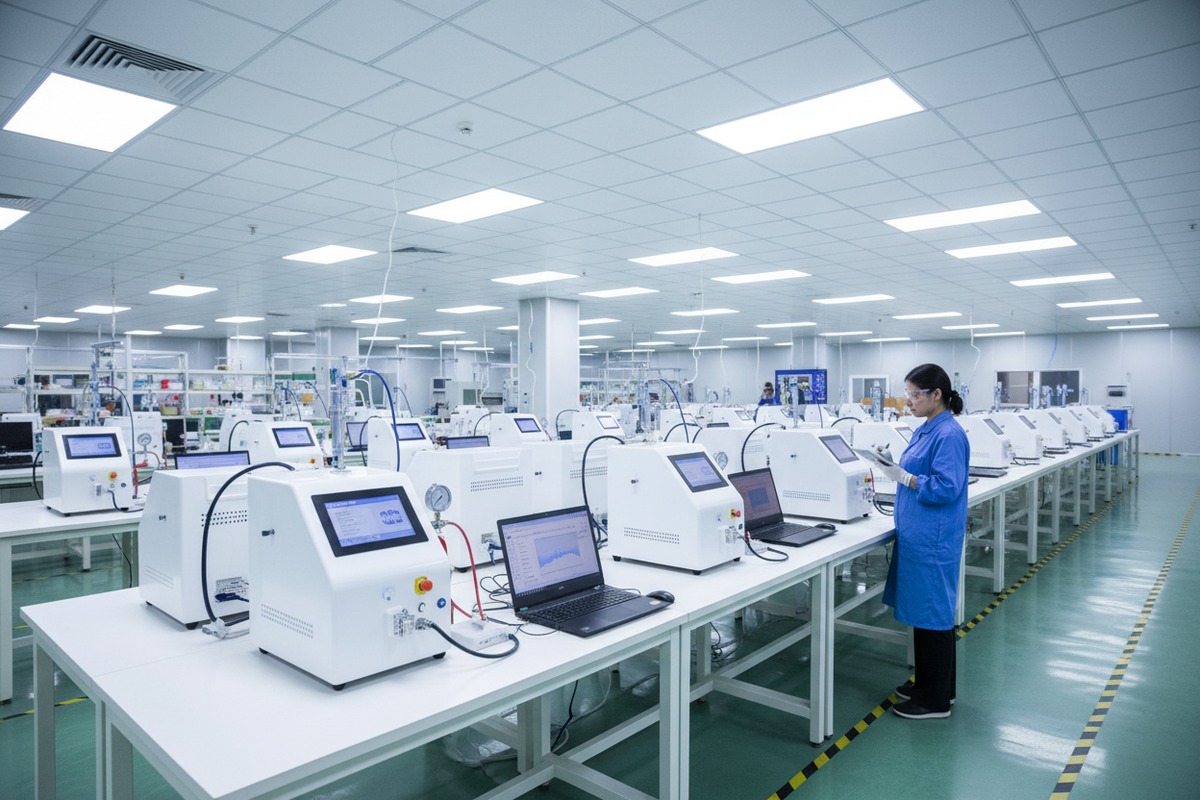
When we handle OEM orders for mid-to-large brands, we often suggest upgrading the internal components. Standard models are built for average use, but a custom-engineered machine can handle much more stress.
You can customize internal components by requesting upgraded high-flow air pumps and reinforced solenoids. Specify a larger cooling chassis or high-capacity control boards to handle increased volume. This ensures your private-label machines outperform standard off-the-shelf models in high-traffic medical spas or salons.
Upgrading the "Brain" and the "Lungs"
The "brain" of the machine is the control board (PCB). For high-volume use, you should request a PCB with higher heat tolerance and better capacitors. This prevents the logic errors that can happen when a board gets warm.
The "lungs" are the air pumps. We can often swap a standard single-head pump for a heavy-duty dual-head pump. This allows the machine to reach target pressures faster and with less effort, which significantly extends the lifespan of the motor.
Customizing the Air Garments
Don't forget the suit itself. If you are building a brand, you want a suit that looks premium and lasts longer than the competition. You can request:
- Antibacterial Coatings: Essential for high-turnover salons.
- Reinforced Connectors: The "easy-plug" style connectors are less likely to snap during a busy shift.
- Zipper Quality: Moving to YKK or industrial-grade zippers prevents the most common reason for garment failure.
Software Adjustments for Durability
One clever way to increase daily operating hours is through software. We can program "cool-down" cycles directly into the treatment modes. For example, the machine can automatically lower the pump speed or increase the interval between inflations if internal sensors detect high temperatures. This invisible protection keeps the machine running safely all day without the operator ever noticing a change in performance.
Ask your manufacturer about their ODM capabilities. If they have a strong engineering team, they can help you build a machine that is specifically "over-engineered" for the US market's high-demand environments.
Conclusion
Selecting the right machine requires looking past the exterior. Focus on the internal specs to ensure your business thrives through every busy workday without technical interruptions.
Footnotes
1. Provides information on lymphatic drainage massage, its uses, and effectiveness. ↩︎
2. Describes thermal cutoffs as electrical safety devices that interrupt current at specific temperatures. ↩︎
3. Defines CFM (Cubic Feet per Minute) as a measurement of fan airflow. ↩︎
4. Original URL returned HTTP 404. Replaced with a Wikipedia article providing a comprehensive explanation of solenoid valves. ↩︎
5. Explains the concept of duty cycle as a fraction of time a system is active. ↩︎
6. Defines thermal cycling as repeated temperature changes to test material resilience. ↩︎
7. Explains TCO as a financial estimate of direct and indirect costs over a product’s lifecycle. ↩︎

 English
 Español de México
 Deutsch
 Français
 العربية
 Русский
