

Every week on our production floor, we see buyers who wasted months negotiating with middlemen FDA 510(k) clearance 1. They paid 30–50% more than necessary and still received inconsistent quality. The frustration is real—and avoidable.
To identify a factory versus a trading company when sourcing pressotherapy machines, examine business licenses for manufacturing scope, request live factory tours, verify certifications under the factory’s legal name, assess technical depth in responses, and confirm OEM customization capabilities directly from production engineers.
The difference between working with a real manufacturer and a middleman can make or break your profit margins and supply chain stability. Let me walk you through exactly what our engineering and sourcing teams look for.
How can I verify if my pressotherapy machine supplier is a direct factory or a middleman?
When our export team first engages with new partners from the US and Europe, one recurring challenge stands out: many buyers unknowingly negotiate with trading companies disguised as factories. The cost of this mistake? Inflated prices, opaque communication, and zero flexibility for customization.
To verify if your pressotherapy machine supplier is a direct factory, check the business license scope for "manufacture" or "production" keywords, request video tours of production lines, validate certifications under the factory's legal entity name, and assess technical knowledge in product discussions.
Check the Business License Scope
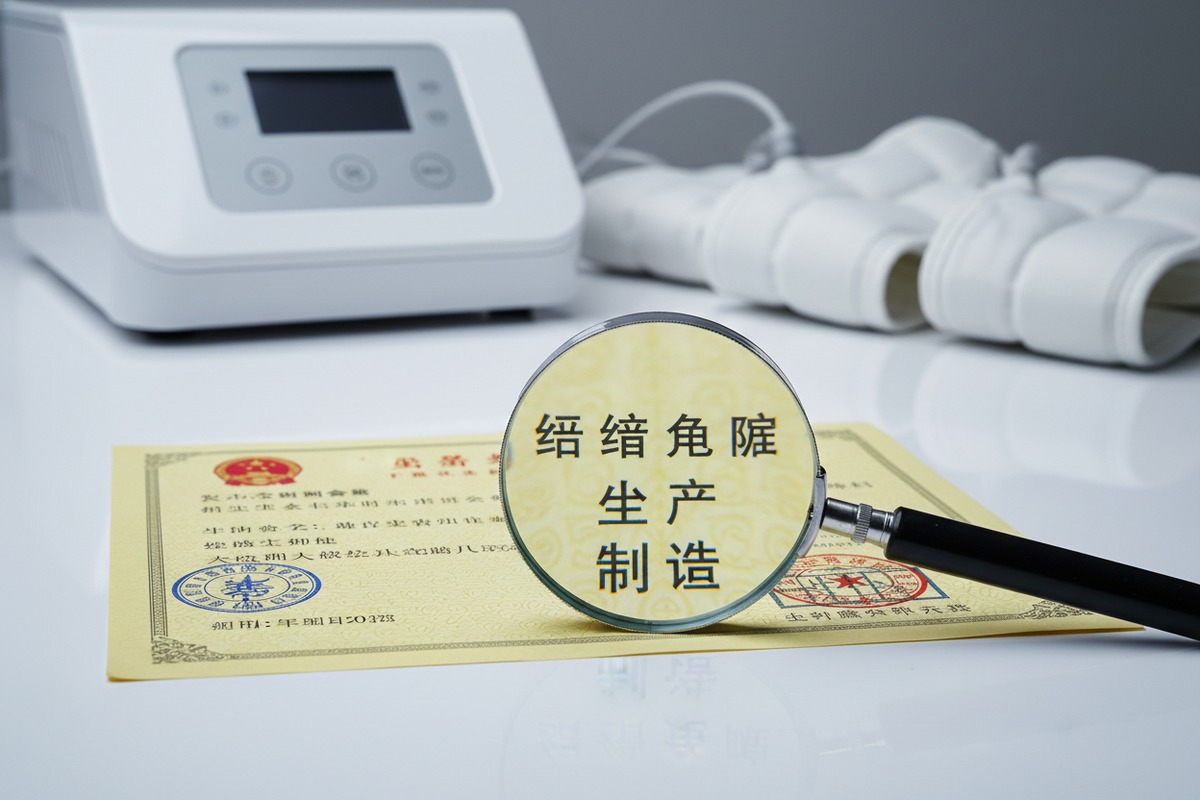
The most reliable starting point is the supplier's business license. In China, this document explicitly lists the company's permitted activities. Check the Business License business scope—manufacturers list 生产/制造/加工, while traders list 贸易/经销/进出口. If you see terms like "trading," "distribution," or "import-export" without any production-related keywords, you are likely dealing with a middleman.
Evaluate Product Range Consistency
If the category spans a large range (such as a supplier sell both phone cases and beauty lights), the supplier must be a middlemen. Most manufacturers only focus on one type of product. Factories specialize in a narrow product range because they have dedicated machinery and expertise. Trading companies, on the other hand, list dozens of unrelated products because they source from multiple factories.
Request a Factory Tour or Live Video Call
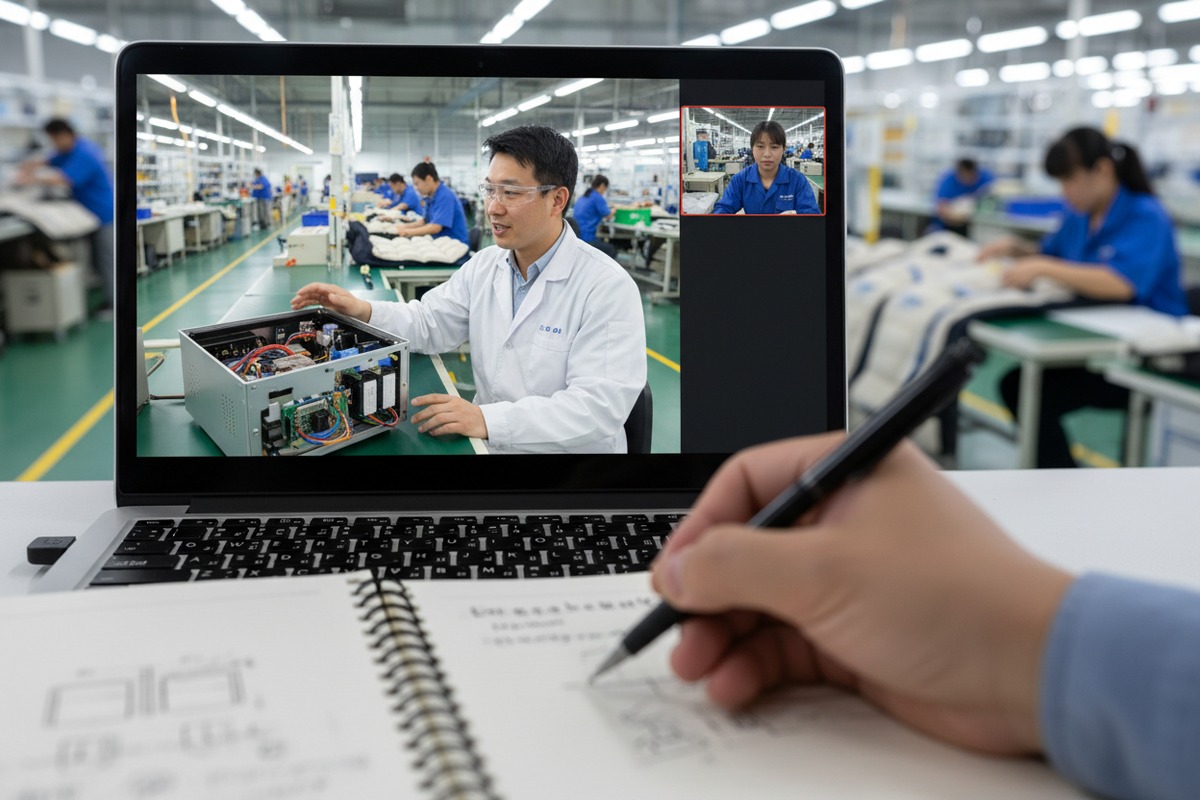
A real manufacturer operates from a factory in an industrial zone and is willing to host on-site audits at any time, showing actual machinery, personnel, and raw-material storage. If a supplier hesitates or makes excuses when you request a video call showing their assembly lines, compressors, or testing stations, consider it a red flag.
Assess Technical Knowledge
When you ask detailed questions about air pressure calibration, multi-chamber compression technology, or firmware customization, a genuine factory will respond with engineer-level specifics. Trading companies often provide vague, generic answers because they lack direct access to R&D and production teams.
| Verification Method | Factory Indicator | Trading Company Indicator |
|---|---|---|
| Business License | Lists "manufacture/production" | Lists "trading/wholesale" |
| Product Range | Narrow, specialized | Broad, unrelated categories |
| Factory Tour | Readily available, industrial zone | Evasive, office building |
| Technical Responses | Detailed, engineer-backed | Vague, sales-focused |
| Certifications | Under factory's legal name | Under third-party names |
Cross-Check Location with Mapping Tools
Working directly with a factory often means better pricing, faster production, and greater control over quality. Trading companies, on the other hand, act as middlemen, adding a markup and leaving you with less control. Verify the supplier's address using Google Maps or Baidu Maps. Factories are typically located in industrial parks, not commercial office towers.
What specific documents should I request to confirm my supplier's manufacturing credentials?
In our experience exporting pressotherapy machines 2 to North America and Europe, we have learned that documentation tells the real story. Buyers who skip this step often end up with compliance headaches or quality surprises after shipment.
To confirm your supplier's manufacturing credentials, request the business license with registered scope, ISO 13485 certificate under the factory's legal name, CE or FDA documentation listing the factory as the holder, product test reports, and third-party audit records from firms like SGS or TUV.

Business License and Unified Social Credit Code
Request the Business License (营业执照) and confirm the Unified Social Credit Code 3 (18-digit USCC) on SAMR/NECIPS. This allows you to verify the company's legal registration, ownership, and permitted business activities. Cross-reference this with public databases like Qichacha or Tianyancha to check for litigation history or credit issues.
ISO 13485 and Quality Management Certificates
When dealing with china medical device manufacturers, verify ISO 13485, CE marking 4 for EU markets, and FDA 510(k) clearance if selling in the U.S. The ISO 13485 certificate 5 must list the factory's legal entity name and address—not a parent company or trading affiliate. If the certificate holder name differs from the company you are negotiating with, you are likely dealing with a middleman.
CE Marking and Regulatory Documents
Confirm the scope of each certification—ISO 13485 for the factory does not automatically infer CE for every device model. Request the CE Declaration of Conformity and technical file summary. For pressotherapy machines, ensure the certification covers medical device classification 6 and not just general electrical safety.
Third-Party Audit Reports
A simple company verification report can be the easiest way to find out if a company is a manufacturer or a trader before you invest in a factory audit which can cost a bit more. Ask for a third-party factory audit. There are specialist auditors in China who will examine your contact's claims and research the factory, as well as any certification they have, before you sign anything with them.
| Document | What to Verify | Red Flag |
|---|---|---|
| Business License | "Manufacture" in scope | Only "trading" listed |
| ISO 13485 Certificate | Factory legal name matches | Certificate holder differs |
| CE Declaration | Factory named as manufacturer | Third-party trading company |
| Test Reports | Factory address consistent | Generic lab, no factory link |
| Audit Report (SGS/TUV) | Recent date, factory location | No audit available |
Production Validation Records
Insist on factory-level quality control: incoming inspection reports, IPC standards for electronics, batch traceability, and device final test records. A genuine factory will have documented quality processes at every stage—from incoming material inspection to final device testing. Trading companies cannot provide these because they do not control production.
How do I evaluate if a factory has the R&D depth to handle my custom OEM requirements?
Our R&D engineers often tell me the same thing: the hardest part of custom development is not the design itself—it is finding a manufacturing partner who can execute it reliably. Many factories claim OEM/ODM capability but lack the engineering depth to deliver.
To evaluate a factory's R&D depth for custom OEM pressotherapy machines, request evidence of in-house design teams, review past customization case studies, ask for firmware or software update capabilities, and verify access to proprietary tooling and mold-making equipment.
In-House Engineering Team
A factory with genuine R&D capability employs dedicated engineers—mechanical, electrical, and software. During our discussions with potential partners, we ask for organizational charts showing the engineering department. A medical device OEM manufacturer designs, engineers and manufactures complete products and systems. If the supplier cannot introduce you to technical staff or answer design questions directly, their OEM claims are likely exaggerated.
Customization Case Studies and Prototypes
Ask for documentation of past OEM projects. Genuine factories can show you prototypes, design iterations, and before-after comparisons. They will have photos or videos of custom tooling, branded control panels, or modified compression sleeve configurations.
Firmware and Software Update Capability
AI and Automation: Devices now integrate AI for real-time pressure adjustments and predictive analytics. Modern pressotherapy machines often require firmware updates, app integration, or IoT connectivity. A factory with R&D depth can provide direct software updates, troubleshoot firmware issues, and customize user interfaces. Trading companies rely on the original manufacturer for these services, causing delays and communication gaps.
Proprietary Tooling and Mold-Making
At our facility, we maintain our own mold-making department. This allows us to modify compression boot designs, adjust control unit housings, and create brand-specific accessories without outsourcing. Ask if the factory owns its injection molding equipment and can modify tooling for your requirements.
| R&D Capability | Factory Evidence | Trading Company Gap |
|---|---|---|
| Design Team | Engineer introductions, org charts | Sales-only contacts |
| Prototyping | Photos of custom prototypes | No prototype history |
| Firmware Control | Direct update capability | Third-party dependency |
| Tooling Ownership | In-house mold shop | Outsourced, opaque |
| Technical Documentation | Detailed specifications, manuals | Generic datasheets |
Process Validation and Design Controls
Verification and validation are design controls required by the FDA to ensure the medical devices you manufacture are safe, effective, and fit the intended use. For medical-grade pressotherapy machines, a capable factory will have documented design verification and validation processes. This includes testing protocols, risk management files (ISO 14971) 7, and design history files. Ask for evidence of these records to confirm engineering rigor.
Why should I prioritize a direct manufacturer for my brand's long-term supply chain stability?
Over the years, our team has watched partners grow from single-order buyers into established regional distributors. The common thread? They invested early in direct factory relationships instead of chasing short-term savings from middlemen.
Prioritizing a direct manufacturer for pressotherapy machines ensures lower total cost of ownership, consistent product quality, faster lead times, reliable after-sales support, and the flexibility to adapt products as your brand evolves.

Lower Total Cost of Ownership (TCO)
80% of Alibaba's Chinese suppliers are traders. If you can find a real factory, it will save you 30% of purchasing costs. Beyond unit price, consider maintenance, spare parts, and warranty claims. Total Cost of Ownership (TCO) 8 A direct factory controls pricing across the product lifecycle. Trading companies add markups at every stage—initial purchase, accessories, and repairs.
Consistent Quality Control
Factories tend to offer lower prices compared to trading companies, and you get more control over your products as you are directly in communication with the factory in charge of making your products. When you work with a factory, quality issues get resolved at the source. Our QC team inspects every pressotherapy machine before shipment—incoming materials, assembly, final testing. Trading companies cannot offer this level of intervention because they do not control production.
Faster Response and Lead Times
Factories manage their own production schedules. When demand spikes or you need a rush order, a direct relationship means faster turnaround. Trading companies must coordinate with third parties, adding days or weeks to lead times.
After-Sales Support and Technical Service
Verify the level of technical support available—onsite installation, remote training, spare parts lead times, and warranty terms. For complex physiotherapy systems, ensure availability of technician training and local servicing partners to minimize clinic downtime. Factories provide direct access to service engineers who understand the product inside out. Trading companies often lack technical depth, leaving your downstream customers frustrated when issues arise.
Flexibility for Product Evolution
Device innovation is a key trend: around 41 percent of new systems launched during 2023-24 feature IoT connectivity, user-profiling and app-based session tracking. The pressotherapy market is evolving—portable devices, AI integration, multi-chamber technology. A factory partner can adapt products to emerging trends. Trading companies are locked into whatever their source factories decide to develop.
| Factor | Direct Factory | Trading Company |
|---|---|---|
| Unit Cost | Factory-direct pricing | +30–100% markup |
| Quality Control | Source-level QC | No production access |
| Lead Time | Direct scheduling | Third-party delays |
| After-Sales | Engineer-backed support | Limited technical help |
| Customization | Full flexibility | Restricted to stock options |
| Product Updates | Real-time adaptation | Dependent on source factory |
Market Growth Context
Global Pressotherapy Systems market size is anticipated to be valued at USD 705.41 million in 2025, with a projected growth to USD 1249.01 million by 2034 at a CAGR of 6.55%. As the market expands, brands with stable factory partnerships will outpace competitors reliant on fragmented trading relationships. Investing in a direct manufacturing relationship now positions your brand for long-term growth.
Conclusion
Distinguishing a genuine pressotherapy machine factory from a trading company protects your margins, quality, and supply chain. Use business license verification, document checks, R&D assessments, and direct communication to make informed decisions—and build partnerships that scale with your brand.
Footnotes
1. Provides official information on FDA 510(k) premarket notification for medical devices. ↩︎
2. Explains what pressotherapy is, its benefits, and how it works. ↩︎
3. Defines the USCC, its structure, and importance for Chinese businesses. ↩︎
4. Explains CE marking for medical devices, its requirements, and regulatory framework. ↩︎
5. Describes ISO 13485 certification requirements for medical device quality management systems. ↩︎
6. Replaced with an official FDA (.gov) link on how to classify medical devices, which is highly authoritative. ↩︎
7. Found a working and relevant article from Johner Institute, an authority on medical device risk management, specifically discussing ISO 14971. ↩︎
8. Replaced with a Wikipedia link providing a general and authoritative definition of Total Cost of Ownership (TCO). ↩︎

 English
  Español de México
  Deutsch
  Français
  العربية
  Русский