
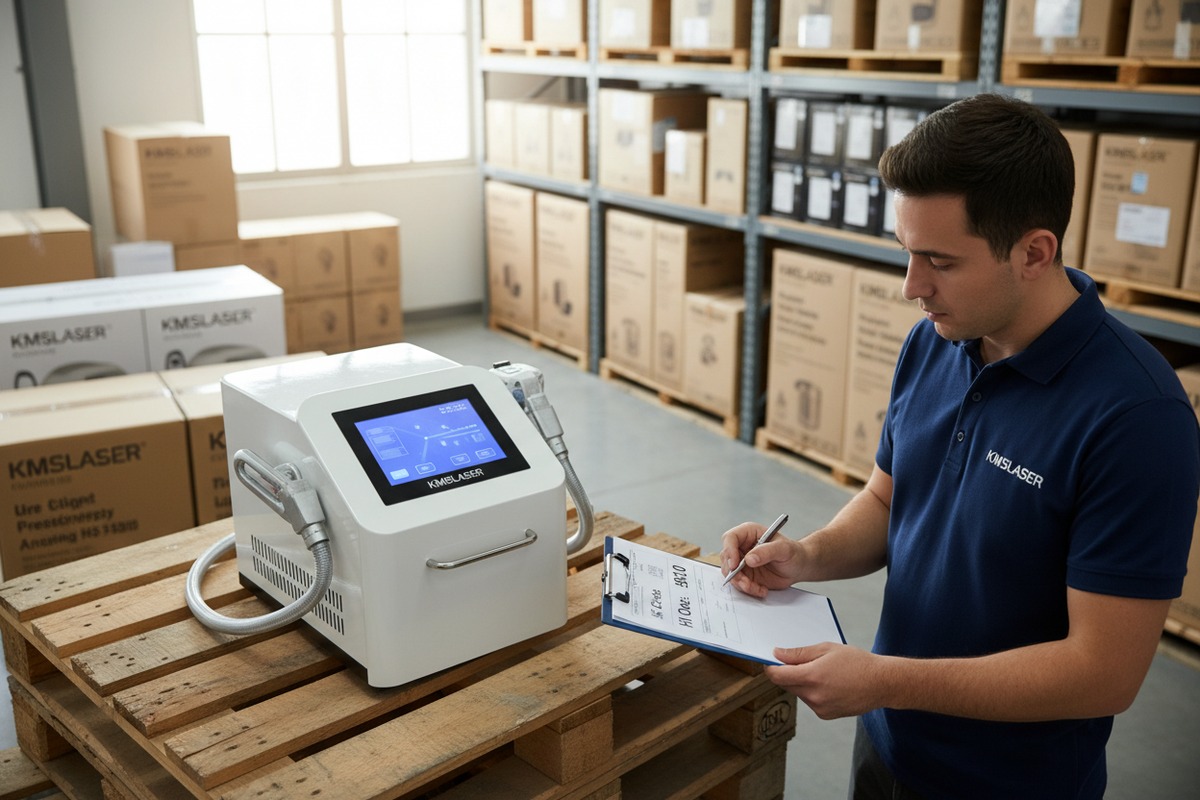
When our production team ships pressotherapy systems overseas, importers often ask the same question: which HS code will get their machines through customs without delays HS code 9019.10 1? This is a real pain point. The wrong code can mean surprise duties, cargo holds, or even seizure. These headaches are preventable.
Pressotherapy machines primarily fall under HS code 9019.10 as mechano-therapy appliances and massage apparatus. This 6-digit code is globally harmonized. However, importers must extend it with national digits—such as the US 10-digit HTS or GCC 12-digit codes—to ensure accurate tariff calculation and smooth customs clearance.
This guide breaks down how to choose the right HS code, avoid common pitfalls, and work with your Chinese supplier to gather the technical data customs officers need US 10-digit HTS 2. Let’s dive in.
Which HS code should I use to ensure my pressotherapy machines clear customs without issues?
In our experience shipping hundreds of pressotherapy units worldwide, one truth stands out: the HS code you declare determines whether your cargo clears in hours or stalls for weeks Binding Tariff Information (BTI) ruling 3. Many buyers underestimate how much depends on getting this right from day one.
Pressotherapy machines using pneumatic compression should be classified under HS 9019.10 for mechano-therapy appliances. This code covers air pressure-based lymphatic drainage devices. Always verify with your destination country's customs database and extend the 6-digit code to national requirements for precise tariff treatment.
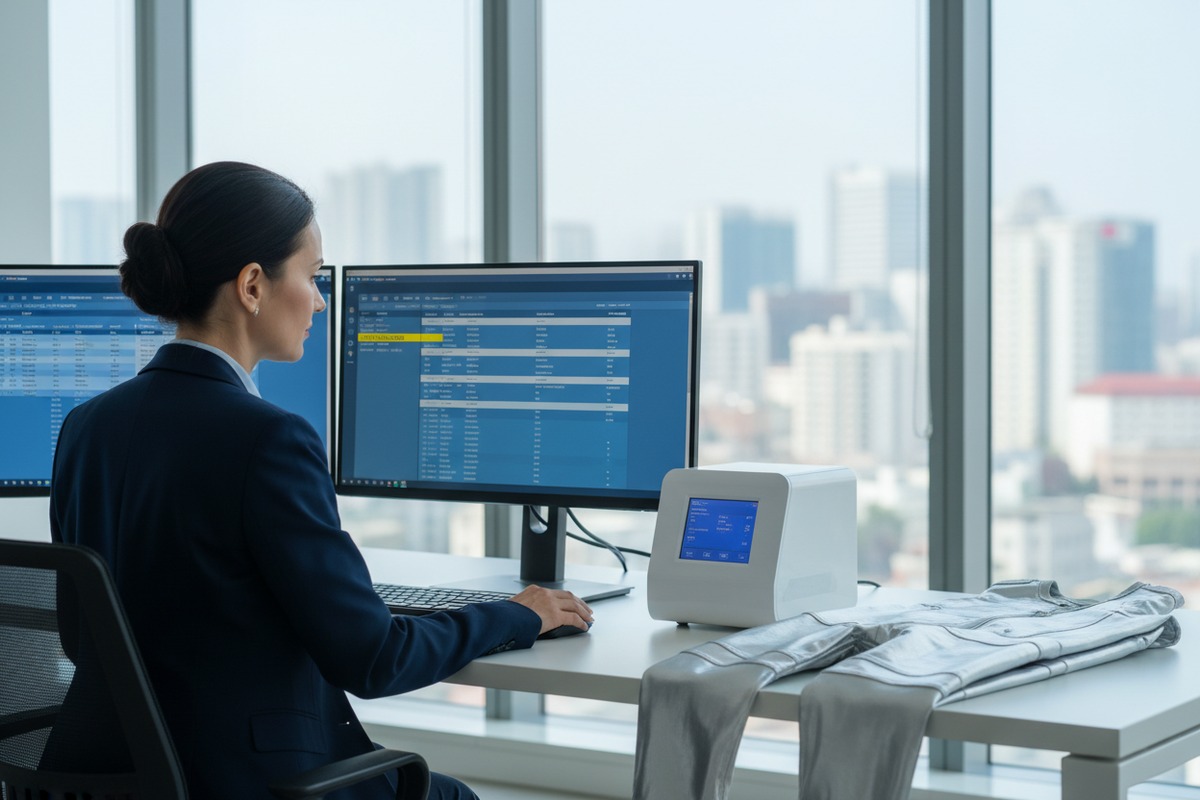
Understanding the HS Code Structure
The Harmonized System (HS) 4 is the global standard for classifying goods in international trade. HS codes classify goods for international trade under WCO standards 5. The 6-digit standard under the Harmonized System ensures global consistency for therapeutic breathing equipment.
For pressotherapy machines, the classification falls under Chapter 90, which covers medical instruments. The HS code for therapy and massage equipment falls under Chapter 90 of the Harmonized System. More specifically, HS 9019.10 covers massage apparatus and mechanical therapy devices in 2025.
Why 9019.10 Fits Pressotherapy Machines
Pressotherapy equipment functions as a compression system that delivers air at varying pressure. It functions similarly to lymphatic drainage massage, but unlike massage, pressotherapy is provided by a machine that consistently delivers the precise amount of pressure.
BTL Lymphastim performs a form of gentle massage that encourages the movement of lymph fluids around the body, based on the pneumatic pressotherapy principle. This mechanical function is exactly what HS 9019.10 is designed to cover.
National Extensions You Must Know
| Country/Region | HS Code Format | Example for Pressotherapy | Notes |
|---|---|---|---|
| Global (WCO) | 6 digits | 9019.10 | Base code for mechano-therapy |
| United States | 10 digits | 9019.10.2000 | Full HTS required |
| European Union | 8-10 digits | 9019.10.XX | CN/TARIC extensions |
| GCC Countries | 12 digits | 9019.10.XXXXXX | Updated Jan 1, 2025 |
| China (Export) | 8 digits | 9019.10.20 | Massage apparatus |
GCC's new 12-digit HS codes 2025 add specificity for therapy devices. No WCO overhaul until 2027, but 2025 brings national HS code shifts. GCC adopts 12-digit HS codes from January 1.
When to Use Different Codes
Not all therapy machines qualify for 9019.10. Electrotherapy devices go to HS 9018.90; purely electrical items excluded. If your pressotherapy machine has integrated electrical muscle stimulation (EMS) or far infrared features, consider the principal function rule.
Multi-function devices use principal purpose rule. If pneumatic compression is the primary function, stick with 9019.10. If electrical therapy dominates, you may need 9018.90 or even 8543.70 for other electrical apparatus.
How will the HS code classification impact my total landed cost and import duties?
Our finance team tracks every import cost our clients encounter. The HS code you choose directly affects your duty rate, and even small percentage differences add up fast on large orders. A $50,000 shipment can swing thousands of dollars based on classification alone.
HS code 9019.10 typically carries duty rates of 0% to 2.6% in the US and often duty-free status in the EU for medical appliances. Misclassification to codes like 8543.70 or 9018.90 can trigger higher rates. Always calculate total landed cost—including duties, taxes, and fees—before ordering.

Breaking Down Duty Rates by Region
Misclassification risks 5-20% duty hikes. This is not a small error. For example, electrical beauty machines under 8543.70 may face 2.6% or higher duties in the US, while 9019.10 mechano-therapy devices often qualify for lower rates.
| Region | HS 9019.10 Typical Duty | Competing Codes | Potential Duty Increase |
|---|---|---|---|
| United States | 0-2.6% | 8543.70: 2.6%+ | Up to 5-10% with Section 301 |
| European Union | Often duty-free | 8543.70: varies | Depends on TARIC |
| GCC Countries | Varies by nation | Higher for electrical | Check 12-digit codes |
| Canada | Low MFN rates | Higher for non-medical | Verify with CBSA |
Additional Costs Beyond Base Duty
Beyond normal customs duties, products may face additional measures such as antidumping and countervailing duties, Section 301 tariffs 7 on China, Section 232 duties on steel and aluminum, quotas, or import licensing. Missing one of these layers can dramatically increase landed cost and trigger penalties.
When importing pressotherapy machines from China, check whether Section 301 tariffs apply. These can add 7.5% to 25% on top of base duties.
How to Calculate Your Total Landed Cost
| Cost Component | Typical Range | Notes |
|---|---|---|
| Base Duty (9019.10) | 0-2.6% | On CIF value |
| Section 301 Tariff (if applicable) | 7.5-25% | China-specific |
| Merchandise Processing Fee (US) | 0.3464% | Min $27.23, max $528.33 |
| Harbor Maintenance Fee (US) | 0.125% | On value of seaborne imports |
| Value Added Tax (EU) | 19-25% | Varies by country |
| Customs Broker Fees | $100-500 | Per shipment |
Multiply the duty rate by the value of your product (found on the commercial invoice) by the number of products for an estimation of what you will need to pay in customs duties. Anti-dumping or countervailing duties could also apply.
Real Cost Savings From Correct Classification
A Hong Kong wellness exporter reclassified massage heads from 9018 to 9019.10.30, cutting USA duties by 12% and clearance time by 40%. Result: $150K annual savings on 10K units shipped.
This illustrates why accurate HS classification matters. The effort spent verifying your code pays for itself many times over.
What steps can I take to avoid customs delays caused by incorrect HS coding from my supplier?
When we prepare shipments, we double-check every HS code before the cargo leaves our warehouse. Why? Because we have seen $50,000 orders sit at port for weeks due to classification errors. The supplier often provides a generic code. That is not enough.
Never rely solely on your supplier's HS code. Verify it against official customs databases like USITC HTS or EU TARIC. Request a Binding Tariff Information (BTI) ruling for complex products. Ensure commercial invoices describe the product function precisely—pneumatic compression for lymphatic drainage—to match the declared code.

Common Supplier Mistakes to Watch For
Suppliers often assign generic codes. China uses an 8-digit HS code system, with the first six digits aligning with international standards and the last two being national subheadings. Misclassification can lead to delays or penalties.
Common errors include:
- Using "9019" without subheading digits
- Labeling pressotherapy boots as "fitness equipment" (9506)
- Classifying air pumps under "air compressors" (8414)
- Treating combo units as single-function devices
Step-by-Step Verification Process
This step-by-step guide ensures accurate HS 9019.10 classification in 2025. Document device specs: Note mechanical functions, power source, intended medical use. Search HS Chapter 90: Confirm primary purpose is mechano-therapy vs. electrical stim (9018). Rule out overlaps: Orthopedic appliances go to 9021; fitness equipment to 9506. Add regional digits: Extend to 8-12 digits per destination customs rules. Validate officially: Use WCO database or national tariff finders; consult rulings. Test shipment sample: Clear customs trial to confirm acceptance.
Documentation That Prevents Delays
| Document | Required Information | Why It Matters |
|---|---|---|
| Commercial Invoice | Exact product description, HS code, unit price, quantity | Customs uses this to verify classification |
| Packing List | Weight, dimensions, packaging details | Confirms shipment matches declaration |
| Certificate of Origin 9 | "Made in China" statement | Determines applicable duty rates |
| Technical Specifications | Power source, function (pneumatic vs. electrical) | Proves classification basis |
| User Manual | Intended use description | Supports mechano-therapy classification |
Preparing and submitting commercial invoices, packing lists, bills of lading, and certificates of origin. Ensuring compliance with HS code classifications and regulatory requirements.
Consider a Binding Ruling
A binding ruling provides legal certainty on classification, origin, or marking determinations. Having CBP's position in advance removes ambiguity and shields importers from costly reclassifications or disputes.
For complex pressotherapy machines with multiple functions (air compression + EMS + infrared), request a binding ruling before your first large shipment. This takes time but provides legal protection.
What Happens When Classification Goes Wrong
Fines up to 100% of value plus seizure—accurate classification is critical. Leads to delays, penalties up to 100% value, or higher tariffs.
Where a misclassification constitutes a regulatory violation, the violating company may be subject to confiscation of illegal gains (if any) plus a fine ranging from 30% to 200% of the underpaid import taxes. An intentional misclassification may expose the violating company to a smuggling charge.
How do I work with my Chinese manufacturer to get the technical data needed for accurate classification?
Our engineering team provides detailed tech sheets for every pressotherapy system we build. Why? Because we know importers need this data for customs. Without it, you are guessing at classification. And guessing leads to problems.
Request a complete technical specification sheet from your manufacturer that includes: primary function (pneumatic compression), power source details, pressure range, intended use (lymphatic drainage vs. beauty treatment), and component breakdown. This data allows customs brokers to classify accurately and defend the code if challenged.

Essential Technical Data Points
To classify pressotherapy machines correctly, you need specific information. Here is what to request from your Chinese supplier:
| Data Point | Example for Pressotherapy | Classification Impact |
|---|---|---|
| Primary Function | Pneumatic air compression | Confirms 9019.10 eligibility |
| Power Source | AC 110V/220V, 50-60Hz | Distinguishes from battery-powered |
| Pressure Range | 0-0.4 kg/cm² | Proves mechanical therapy function |
| Number of Air Chambers | 20-24 air bags | Supports massage apparatus classification |
| Intended Use | Lymphatic drainage, circulation therapy | Medical vs. beauty distinction |
| Secondary Features | EMS, Far Infrared (if any) | Determines principal function |
Product Name: Vertical 3-in-1 Pressotherapy Lymphatic Drainage Machine Technology: Pressotherapy + Far Infrared + EMS Application: Commercial Use After-Sales Service: Online support and video technical support provided Operating System: Pressotherapy Warranty Period: 3 years Voltage: AC110V/220V, 50-60Hz Pressure Range: 0-0.4Kg/cm² Number of Air Bags: 20, distributed across 10 areas.
Questions to Ask Your Supplier
- What is the primary therapeutic function of this device?
- Does it use pneumatic compression, electrical stimulation, or both?
- What HS code do you use for export from China?
- Can you provide a technical specification sheet in English?
- What certifications does this device hold (CE, FDA registration)?
- Is the primary market medical clinics, spas, or home use?
How to Verify Supplier Information
For example, prior to the reforms, China Customs would verify the HS code declared by the importer before subject goods were released. After the reforms, China Customs stopped conducting such verifications, which effectively shifts the burden to the importer to ensure that the goods are correctly classified. Thus, the release of goods by China Customs does not mean that China Customs views the corresponding tariff classification declarations as accurate. China Customs may initiate a post-clearance audit on tariff declarations anytime up to three years after release of the corresponding goods.
This means you cannot rely on the fact that goods left China without issues. Verification is your responsibility.
Building a Classification File
Create a folder for each product type containing:
| Document | Purpose |
|---|---|
| Technical Specification Sheet | Proves device function |
| Photographs (multiple angles) | Visual evidence for customs |
| User Manual | Explains intended use |
| Marketing Materials | Shows primary use case |
| Supplier's Export Declaration | Reference point (verify, don't trust) |
| Your Customs Broker's Analysis | Professional classification opinion |
When Supplier Data Is Insufficient
If your supplier cannot provide adequate technical data, consider:
- Requesting a sample unit for independent analysis
- Hiring a third-party inspection company in China
- Working with a freight forwarder experienced in medical equipment
Hiring experienced customs brokers can streamline the compliance process. They are well-versed in navigating complex customs regulations and can guide you through the necessary steps.
Conclusion
Getting the HS code right for pressotherapy machines saves money, prevents delays, and protects your business. Use HS 9019.10 for pneumatic compression devices. Verify codes against official databases. Request complete technical data from your supplier. When in doubt, get a binding ruling. Your customs clearance depends on these steps.
Footnotes
1. Official US Harmonized Tariff Schedule for classification search. ↩︎
2. Official U.S. government resource explaining the 10-digit Harmonized Tariff Schedule (HTS) codes. ↩︎
3. Official EU guidance on obtaining Binding Tariff Information for customs classification. ↩︎
4. Official overview of the Harmonized System by the World Customs Organization. ↩︎
5. Details the global standards set by the World Customs Organization for trade classification. ↩︎
6. WCO provides official information on the Harmonized System, which includes classifications for mechano-therapy appliances. ↩︎
7. Official information from the USTR regarding Section 301 investigations and tariffs. ↩︎
8. Found an authoritative page from trade.gov, the same domain as the original broken link, which defines and explains ‘landed cost’ in detail. ↩︎
9. Found an authoritative page from trade.gov, the same domain as the original broken link, which discusses Certificates of Origin in the context of Free Trade Agreements. ↩︎

 English
  Español de México
  Deutsch
  Français
  العربية
  Русский