

Every week, our engineering team receives emails from US distributors asking the same question. They ordered shockwave machines 1 based on glowing online reviews. The devices arrived. They failed within weeks. Fake reviews cost real money—and patient trust.
To find authentic US end-user reviews for shockwave therapy machines, search professional clinician forums, connect with peer networks in physical therapy and chiropractic communities, review YouTube practitioner demonstrations, and examine verified clinic profiles. Avoid vendor websites and e-commerce platforms where fake reviews dominate.
This guide breaks down exactly where to look, what red flags to spot, and how real feedback can shape smarter purchasing decisions. Let’s dive in.
Where can I find genuine US clinic feedback for shockwave therapy machines?
Our export team ships hundreds of shockwave units to North America yearly. We've learned that the best buyers always do one thing first—they talk to actual users. The problem? Finding those real voices among the noise takes strategy.
Genuine US clinic feedback exists in professional forums like physical therapy associations, peer referral networks, clinician YouTube channels analyzing studies, and verified practice profiles on healthcare directories. E-commerce reviews on Amazon or eBay rarely reflect professional clinical use and should be avoided.
Professional Forums and Associations
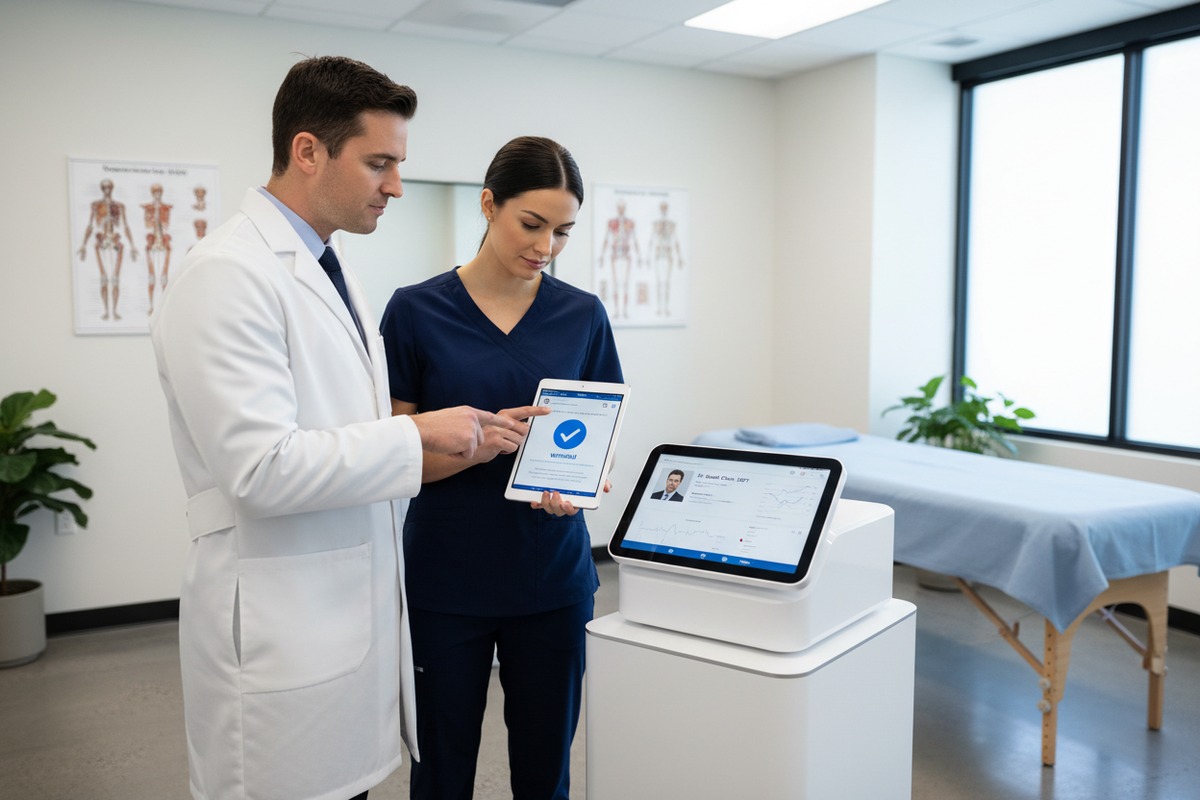
The most reliable reviews come from places where practitioners gather. Physical therapists, chiropractors, and sports medicine specialists discuss equipment openly in professional communities. These conversations happen away from marketing influence.
Look for forums affiliated with the American Physical Therapy Association (APTA) 2 or state chiropractic boards. Members share honest experiences about device reliability, service support, and actual clinical outcomes. They discuss what marketing materials never mention—like repair turnaround times and applicator durability.
Peer Networks and Direct Outreach
Nothing beats a phone call to a colleague who owns the machine you're considering. Our US partners tell us they close deals faster when prospects can speak with existing customers. This peer-to-peer validation cuts through marketing hype.
Build a list of 5-10 clinics using the brand you're evaluating. Contact them directly. Ask specific questions about daily use, maintenance costs, and patient satisfaction. Most practitioners willingly share their experiences.
YouTube Clinician Reviews
A growing number of US practitioners publish detailed equipment reviews on YouTube. These videos often include hands-on demonstrations, study analyses, and honest assessments. Search for "[brand name] shockwave review clinician" to find relevant content.
Watch for reviewers who cite published research 3. They separate evidence-based claims from marketing promises. One popular format shows side-by-side comparisons of radial versus focused units with real patient cases.
Source Comparison Table
| Source Type | Reliability | Accessibility | Common Issues |
|---|---|---|---|
| Professional Forums | High | Medium (membership required) | Limited to active members |
| Peer Networks | Very High | Medium (requires outreach) | Time-intensive |
| YouTube Clinicians | Medium-High | High (free access) | Variable quality |
| Vendor Websites | Low | High | Biased, curated |
| Amazon/eBay Reviews | Very Low | High | Fake reviews, non-clinical users |
Healthcare Directory Profiles
Verified clinic profiles on platforms like Healthgrades 4 or Zocdoc sometimes mention equipment. Clinics that invest in professional-grade devices often highlight them. Cross-reference these mentions with direct outreach for confirmation.
How do I distinguish between real end-user experiences and fake reviews for my imported equipment?
When we test new shockwave prototypes in our facility, we compare our findings against US market feedback. The gap between authentic experiences and fabricated reviews is often shocking. Learning to spot the difference protects your investment.
Real end-user experiences include specific details about treatment protocols, measurable outcomes, maintenance costs, and service interactions. Fake reviews use vague language, focus only on positives, lack clinical context, and often appear in clusters with similar phrasing. Verify authenticity by cross-referencing multiple independent sources.

Red Flags in Fake Reviews
Fake reviews follow predictable patterns. They praise everything without mentioning any negatives. They lack specific clinical details. They use marketing buzzwords like "revolutionary" or "life-changing" without context.
Watch for reviews that appeared within days of each other. Review farms 5 generate multiple posts simultaneously. Check reviewer profiles—authentic users have review histories across various products and services.
Hallmarks of Authentic Feedback
Real practitioners discuss specifics. They mention treatment frequency, energy settings, and patient populations. They describe learning curves and troubleshooting experiences. They balance positives with honest limitations.
Authentic reviews often include timeframes. "After six months of daily use, the handpiece needed replacement" tells you more than "Great product, highly recommend." Look for mentions of customer service interactions, warranty claims, and parts availability.
Verification Strategies
Cross-reference reviews across multiple platforms. If a clinic praises a device on a forum, check if they mention it on their website or social media. Consistency across channels suggests authenticity.
Contact reviewers directly when possible. Most legitimate practitioners respond to professional inquiries. Ask follow-up questions about their specific experience. Fake reviewers disappear when pressed for details.
Authenticity Checklist Table
| Indicator | Authentic Review | Fake Review |
|---|---|---|
| Clinical Details | Specific protocols, settings, outcomes | Vague, general praise |
| Timeframe | Mentions usage duration | No timeline mentioned |
| Balance | Includes limitations or challenges | Only positive statements |
| Service Mentions | Discusses support, repairs, parts | Never mentions service |
| Reviewer Profile | Active history, varied reviews | New account, single review |
| Language | Professional terminology | Marketing buzzwords |
The Amazon and eBay Problem
Our US distribution partners consistently warn against evaluating professional equipment through e-commerce reviews. Devices sold on Amazon for $200-$1,500 target home users, not clinics. These reviews reflect consumer expectations, not clinical standards.
Professional-grade shockwave machines 6 from STORZ Medical, Physiquipe, or BTL cost significantly more. Comparing them against budget e-commerce devices creates false expectations. The performance gap is substantial.
Clinical research shows that proper shockwave protocols require specific energy flux densities 7 and impulse counts. Budget devices often cannot deliver the 2,000 impulses per session at therapeutic energy levels that studies recommend. Reviews praising cheap devices may reflect placebo effects rather than actual therapeutic outcomes.
What specific performance issues should I look for in my US customer reviews before placing a bulk order?
Our quality control team documents every warranty claim from North American customers. Patterns emerge. Certain performance issues appear repeatedly across different clinic environments. Knowing what to look for prevents costly mistakes.
Before placing bulk orders, examine US reviews for feedback on energy output consistency, applicator durability, noise levels, cooling system reliability, user interface intuitiveness, and manufacturer support responsiveness. Also assess reports on treatment depth accuracy, pulse rate stability, and long-term component wear patterns.
Energy Output and Consistency
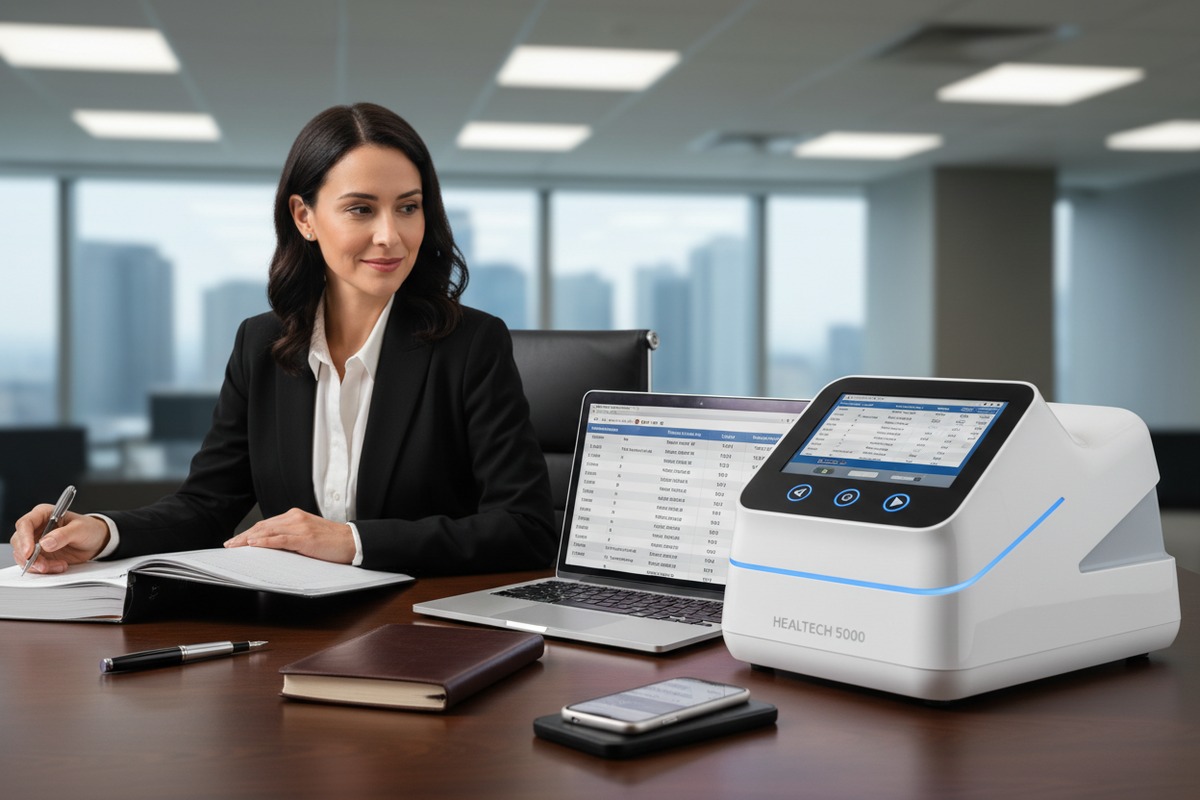
The most critical performance metric is consistent energy delivery 8. Reviews should mention whether the device maintains stable output across treatment sessions. Inconsistent energy affects treatment efficacy and patient outcomes.
Look for comments about energy calibration over time. Some devices lose accuracy after several months of use. Practitioners notice when treatments that previously worked stop producing results. This signals declining energy output.
Applicator and Handpiece Durability
Applicators receive the most wear. High-volume clinics may perform 20-30 treatments daily. Reviews from busy practices reveal durability issues that low-volume users never encounter.
Pay attention to replacement costs and frequency. Some brands design applicators as consumables with short lifespans. Others build for longevity. The difference significantly impacts operating costs over a device's lifetime.
Performance Metrics Comparison Table
| Performance Area | What to Look For | Warning Signs |
|---|---|---|
| Energy Output | Consistent delivery, accurate calibration | Declining effectiveness over time |
| Applicator Life | Durability under heavy use | Frequent replacements needed |
| Cooling System | Adequate for extended sessions | Overheating during long treatments |
| Noise Level | Acceptable for clinical environment | Patient complaints, hearing concerns |
| Interface | Intuitive protocol selection | Steep learning curve, frequent errors |
| Support Response | Quick parts availability, knowledgeable staff | Long wait times, unhelpful responses |
Radial vs. Focused Performance Differences
Understanding the distinction between radial and focused shockwave technology 9 helps you evaluate reviews appropriately. Radial devices suit superficial conditions and larger treatment areas. Focused units penetrate deeper—up to 12.5cm—for conditions like erectile dysfunction or bone healing.
Reviews should reflect appropriate applications. A negative review of a radial device for deep tissue conditions indicates user error, not device failure. Match the technology type to intended clinical use when evaluating feedback.
Treatment Protocol Feedback
Clinical studies establish optimal protocols: typically three sessions at weekly intervals, approximately 2,000 impulses per session at maximum tolerable energy flux density. Reviews mentioning adherence to evidence-based protocols carry more weight than those describing random usage patterns.
Research shows 84% success rates and up to 91% improvement in controlled studies using proper protocols. Reviews achieving similar outcomes validate device performance. Significantly lower results may indicate device limitations or protocol errors.
Long-Term Reliability Indicators
Bulk orders require long-term thinking. Seek reviews from practitioners who have used devices for 12+ months. Early impressions often miss issues that emerge with extended use.
Ask about software updates, parts availability, and manufacturer communication. Devices from companies that abandon models after a few years create long-term support headaches. The US market favors brands like STORZ Medical partly because of consistent long-term support.
How can I leverage US market feedback to guide my OEM shockwave machine development?
When our R&D team designs new shockwave platforms, we start with customer complaints. Not compliments—complaints. US market feedback reveals exactly what practitioners need but aren't getting from current options. This intelligence drives meaningful innovation.
Leverage US market feedback by systematically collecting pain points about existing devices, analyzing feature requests from high-volume clinics, studying competitive product weaknesses, and incorporating practitioner workflow preferences into OEM specifications. Focus feedback collection on reliability issues, interface frustrations, and unmet clinical needs.
Systematic Feedback Collection
Create structured processes for gathering US market intelligence. Survey your existing distribution partners quarterly. Document every warranty claim with detailed failure analysis. Track feature requests from sales conversations.
Our team maintains a database categorizing feedback by device component, clinical application, and user experience element. Patterns become visible. When multiple sources report similar issues, development priorities clarify.
Pain Point Analysis Framework
| Pain Point Category | Common US Complaints | Development Response |
|---|---|---|
| Reliability | Applicator failures, energy drift | Improved component specs |
| Usability | Complex interfaces, slow startup | Streamlined software design |
| Ergonomics | Heavy handpieces, awkward angles | Lighter materials, better grip |
| Noise | Discomfort for patients and staff | Enhanced dampening systems |
| Support | Slow parts delivery, poor communication | Regional inventory, training programs |
| Integration | Incompatible with clinic software | Open protocols, API development |
Competitive Weakness Exploitation
Study reviews of competing brands to identify market gaps. When practitioners complain about STORZ pricing, opportunity exists for quality alternatives at better value. When they criticize budget brands for unreliability, the mid-tier segment needs better options.
US clinics increasingly seek professional-grade devices without premium brand pricing. They want STORZ-level precision with more accessible investment requirements. This positioning guides our OEM development strategy.
Workflow Integration Insights
Practitioners care deeply about workflow efficiency. A device that requires extensive setup between patients frustrates busy clinics. Reviews praising "grab and go" functionality indicate valued features.
Listen for comments about treatment room integration. How does the device fit physically? Can staff easily move it between rooms? Does it require dedicated space? These practical considerations often matter more than technical specifications.
Feature Prioritization from Feedback
Not all feature requests deserve equal attention. Prioritize based on frequency, impact, and feasibility. A feature requested by 50% of surveyed practitioners deserves immediate attention. Niche requests may wait for future versions.
High-impact features directly affect clinical outcomes or operating costs. Improved applicator durability reduces replacement expenses. Better energy consistency improves treatment success rates. These developments justify premium positioning.
Regional Preference Adaptation
US practitioners have distinct preferences compared to other markets. They expect comprehensive training resources. They value responsive technical support during business hours. They prefer integrated solutions over separate components.
Documentation matters significantly. US clinics operate under regulatory scrutiny. They need clear maintenance protocols, safety certifications, and training records. Devices designed with compliance documentation included gain competitive advantage.
Continuous Improvement Cycles
Treat OEM development as ongoing iteration, not one-time design. Establish feedback loops that capture post-launch experiences. Plan version updates based on real-world performance data.
Our approach schedules quarterly reviews of US market feedback against development roadmaps. Features that seemed important pre-launch sometimes prove less relevant. Unexpected issues require rapid response. Flexibility ensures products evolve with market needs.
Conclusion
Finding authentic US end-user reviews requires deliberate effort beyond simple searches. Professional forums, peer networks, and clinician YouTube channels provide reliable insights. Distinguishing real experiences from fake reviews protects your investment and reputation. Use this feedback strategically—both for purchasing decisions and OEM development guidance.
Footnotes
1. Overview of professional shockwave therapy machines and their applications. ↩︎
2. Official website of the leading professional association for physical therapists in the US. ↩︎
3. Peer-reviewed journal focusing on evidence and research for medical devices. ↩︎
4. Leading platform for finding doctors and hospitals with patient reviews and quality ratings. ↩︎
5. Explains the concept of review farms and how fake reviews are generated. ↩︎
6. Guide to purchasing professional shockwave therapy devices, detailing types and manufacturers. ↩︎
7. Explains the physical parameters of shockwave therapy, including energy flux density. ↩︎
8. Discusses the necessity of stable and consistent energy delivery for critical healthcare equipment. ↩︎
9. Explains the differences in physical properties and applications of radial and focused shockwave therapy. ↩︎

 English
  Español de México
  Deutsch
  Français
  العربية
  Русский