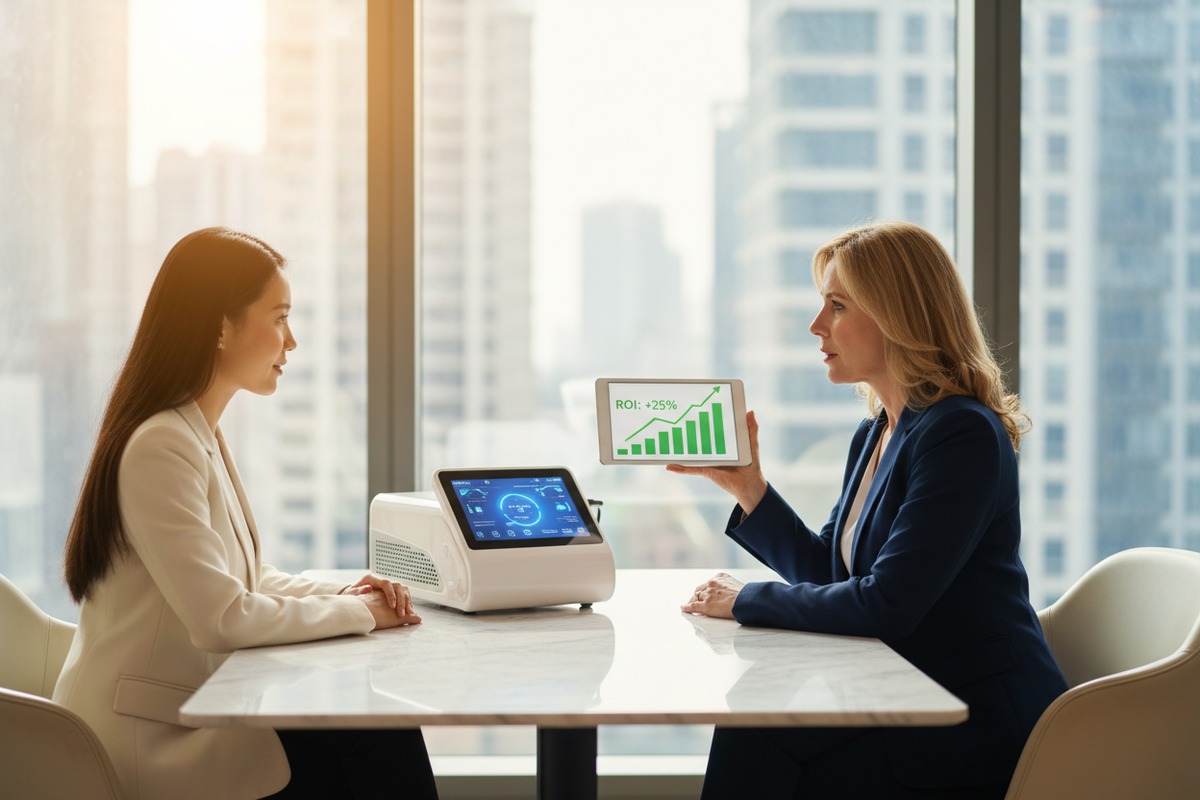
When our engineering team finishes a new pressotherapy machine batch, I always think about the same question: how do we help our B2B partners explain the value of these devices to their franchisees OEM customization features 2? Many purchasing managers struggle to translate equipment specs into business language. This creates friction in the sales process—and leaves money on the table.
To explain pressotherapy machine ROI to clinic franchisees, focus on three pillars: rapid payback periods (typically 2–3 months), high session margins (95%+ before labor), and scalable revenue through treatment bundling. Present clear break-even calculations, emphasize low consumable costs, and highlight operational simplicity that reduces staff training and downtime.
In the sections below, I will walk you through the exact frameworks we share with our distributor partners. You will learn how to calculate break-even points, assess durability ROI, justify premium pricing through OEM features, and prevent hidden costs through quality logistics.
How do I calculate the break-even point for my franchisees when sourcing high-end pressotherapy equipment?
Every time we ship a pressotherapy unit to the US or Europe, our partners ask: "How fast can my franchisees recover this investment?" This is the first question on every purchasing manager's mind. Without a clear answer, the sales conversation stalls. Franchisees want certainty before they commit capital.
Calculate the break-even point by dividing the total equipment cost by monthly net revenue. A mid-range pressotherapy device ($15,000–$25,000) typically pays back in 2–3 months when clinics run 6 sessions per day at $60–$90 per session, with consumable costs of only $1–$3 per treatment and gross margins exceeding 95%.

Understanding Session Economics
The math behind pressotherapy ROI is straightforward. A single session runs 30–45 minutes. Clinics can schedule 6 sessions per day with one device. At $60–$90 per session, this generates $360–$540 daily revenue.
Let me show you the numbers:
| Factor | Low Estimate | High Estimate |
|---|---|---|
| Session price | $60 | $90 |
| Sessions per day | 6 | 6 |
| Daily revenue | $360 | $540 |
| Operating days/month | 22 | 22 |
| Monthly revenue | $7,920 | $11,880 |
| Consumable cost per session | $3 | $1 |
| Monthly consumables | $396 | $132 |
| Gross margin | 95% | 98.9% |
The Break-Even Formula
Here is the formula we use:
Break-Even Point (months) = Equipment Cost ÷ Monthly Net Revenue
For a $25,000 device at the lower revenue estimate ($7,920/month minus $396 consumables = $7,524 net):
$25,000 ÷ $7,524 = 3.3 months
At the higher estimate ($11,880 minus $132 = $11,748 net):
$25,000 ÷ $11,748 = 2.1 months
This is significantly faster than most aesthetic technologies. Cryolipolysis machines often take 12–18 months. EMSlim devices take 6–9 months. Pressotherapy stands out.
Factors That Affect Break-Even Time
Several variables can shorten or extend payback:
| Factor | Impact on Break-Even |
|---|---|
| Location (urban vs. suburban) | Urban clinics charge $90+; rural may charge $50 |
| Package pricing | Multi-session packages reduce per-session revenue but increase commitment |
| Staff utilization | Pressotherapy is "set it and leave it"—staff can multitask |
| Operating hours | Extended hours can add 2–3 sessions daily |
| Competition | More competitors may push prices down |
How to Present This to Franchisees
When our distributors meet with franchisees, we recommend a simple spreadsheet approach. Input local session pricing, expected daily volume, and equipment cost. Show the franchisee their specific break-even timeline.
This removes abstraction. Franchisees see their numbers, not industry averages. They trust the projection because it reflects their market.
How does the durability of a custom-branded machine impact my long-term maintenance ROI?
From our production floor in Guangzhou, we see equipment return rates from different quality tiers. The data tells a clear story: durability decisions made during sourcing determine maintenance costs for years. Many distributors focus only on purchase price. This is a mistake that costs franchisees thousands in hidden expenses.
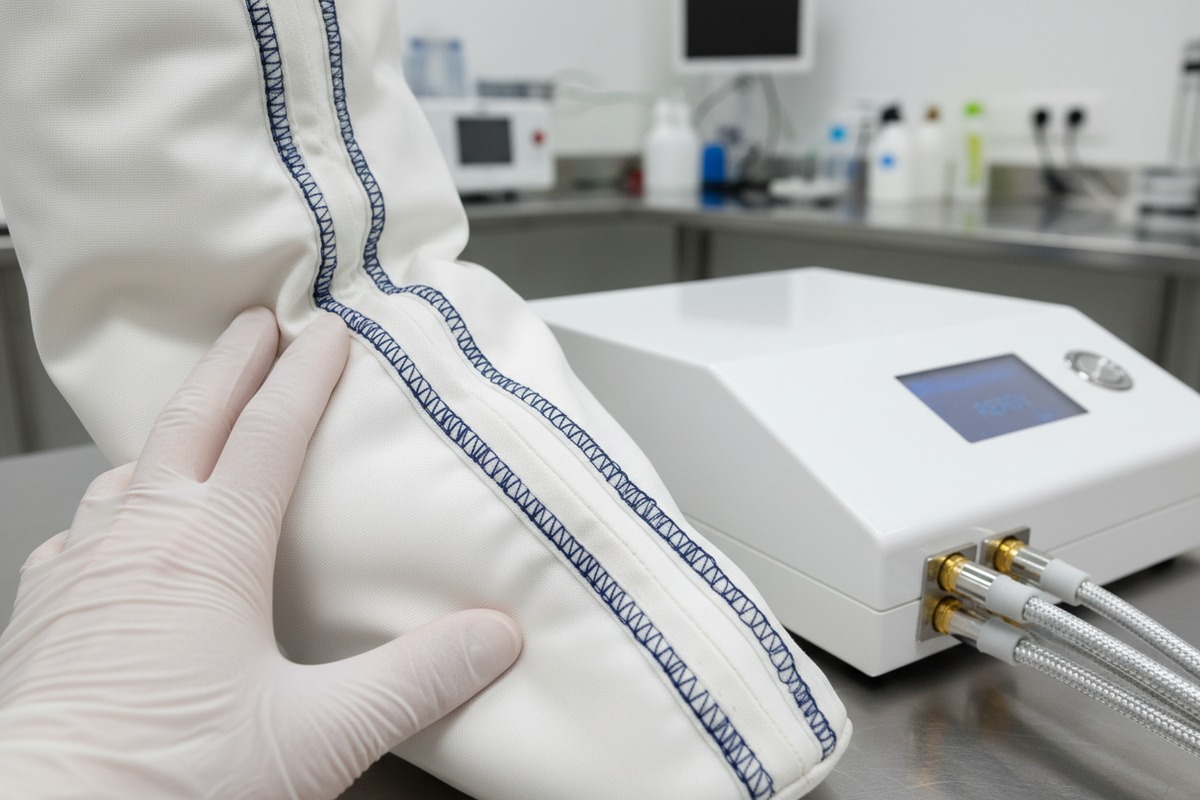
Machine durability directly impacts maintenance ROI through three mechanisms: equipment lifespan extension (quality machines last 5–7 years vs. 2–3 years for budget options), reduced repair frequency, and minimized treatment downtime. Industry data shows poor maintenance can reduce equipment lifespan by 39%, and every $1 deferred in maintenance costs $4 in future capital needs.
The True Cost of Equipment Failure
When a pressotherapy machine fails, the costs extend far beyond repair bills. Consider what happens:
- Lost revenue: Each day of downtime costs $360–$540 in missed sessions
- Emergency repairs: Rush service fees often double standard rates
- Client churn: Disappointed clients may not rebook
- Staff inefficiency: Therapists cannot work without equipment
Research from healthcare facilities shows that inadequate equipment maintenance 4 creates a "multiplier effect"—every $1 deferred in maintenance costs approximately $4 in future capital renewal needs.
Quality Indicators That Predict Longevity
When we design machines at our facility, we focus on specific components that determine durability:
| Component | Budget Version | Premium Version | Impact |
|---|---|---|---|
| Air compressor | Basic AC motor | Brushless DC motor | 3x longer lifespan |
| Control board | Standard PCB | Industrial-grade PCB | Better heat resistance |
| Airbag material | Thin PVC | Multi-layer PU/nylon | Resists cracking |
| Connectors | Friction-fit | Locking connectors | Prevents air leaks |
| Casing | Basic ABS | Reinforced ABS | Survives drops and impacts |
Maintenance Cost Benchmarks
Industry benchmarks help franchisees budget accurately. For medical and aesthetic equipment:
- Annual maintenance costs typically run 5–10% of acquisition value
- Manufacturer service contracts range from 12–20% of equipment price annually
- Shared maintenance approaches (in-house plus manufacturer support) reduce costs to 8–12% annually
For a $25,000 pressotherapy device, this means:
| Maintenance Approach | Annual Cost | 5-Year Total |
|---|---|---|
| Full manufacturer contract | $3,000–$5,000 | $15,000–$25,000 |
| Shared maintenance | $2,000–$3,000 | $10,000–$15,000 |
| In-house only (trained staff) | $1,250–$2,500 | $6,250–$12,500 |
How Custom Branding Affects Durability
When we create custom-branded machines for our partners, we maintain the same internal components while modifying exteriors. This is critical. Some suppliers cut corners on internals to fund cosmetic customization. This destroys long-term value.
Our approach:
- Custom branding on control panels and casing
- Custom software interface with partner logos
- Custom packaging and documentation
- No changes to core mechanical or electronic systems
This gives franchisees brand differentiation 5 without durability sacrifice.
Preventing Premature Replacement
Clinics should schedule equipment maintenance at least once every six months. High-use devices may need quarterly checks. Regular maintenance helps prevent unexpected breakdowns and extends equipment lifespan significantly.
The key message for franchisees: a durable machine that lasts 6 years vs. 3 years effectively cuts equipment cost per year by 50%.
When our sales team works with brand owners, a common concern emerges: "How do I convince my franchisees to pay more for a custom-branded machine?" This is a valid question. Premium pricing requires premium justification. Generic equipment may seem cheaper—but custom OEM features deliver value that generic cannot match.
Yes, OEM customization features justify premium pricing through four value drivers: brand differentiation that commands higher session prices, exclusive product ownership that prevents competitor copying, tailored functionality that matches specific treatment protocols, and cohesive brand experiences that increase client retention and lifetime value.
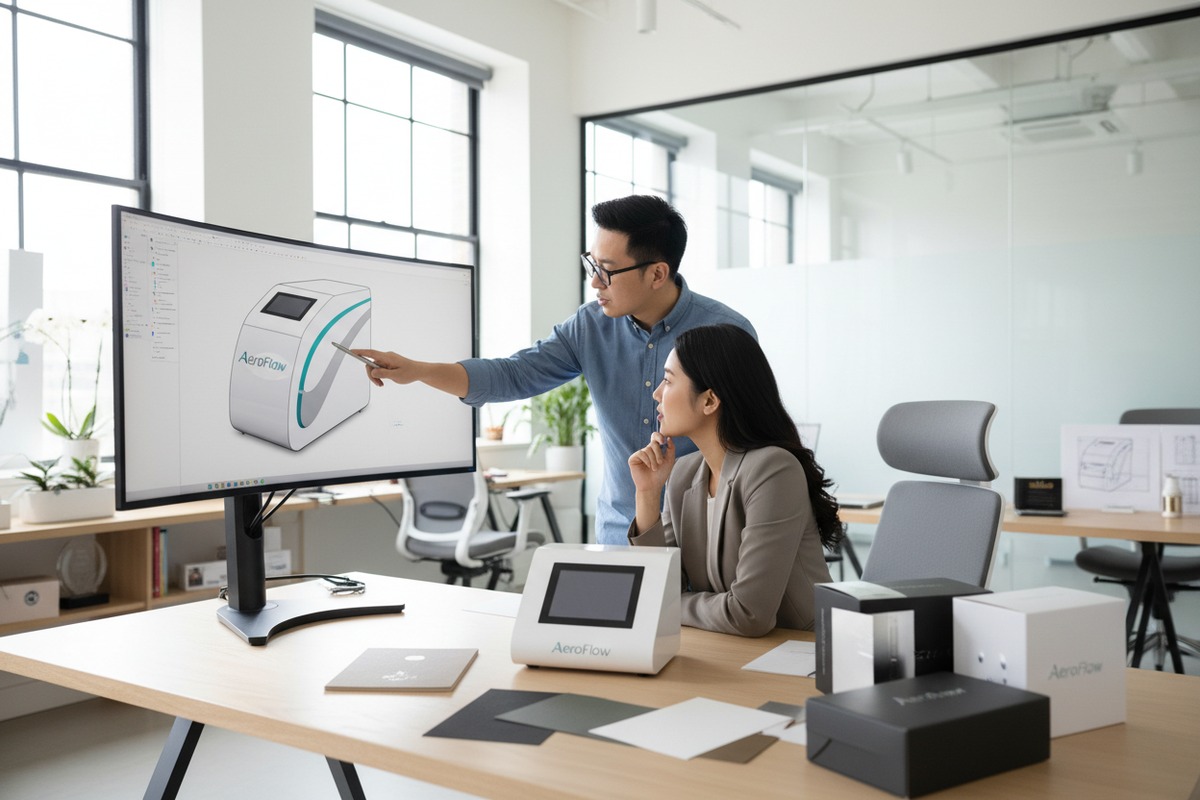
Why Generic Equipment Limits Franchise Growth
When franchisees buy generic pressotherapy machines, they face immediate problems:
- No differentiation: Clients can get the same treatment elsewhere
- Price competition: Without uniqueness, clinics compete on price alone
- Brand confusion: Generic equipment weakens brand identity
- Limited control: Cannot optimize features for specific services
Generic equipment turns pressotherapy into a commodity. OEM customization transforms it into a proprietary service.
The Four Pillars of OEM Value
1. Brand Differentiation
Custom branding creates perception of exclusivity. When clients see your brand on the machine, the treatment feels unique. This perception supports premium pricing.
Consider the pricing psychology:
| Equipment Type | Perceived Value | Typical Session Price |
|---|---|---|
| Generic machine (no branding) | Standard | $50–$70 |
| Branded machine (logo only) | Elevated | $70–$90 |
| Full custom (interface + design) | Premium | $90–$150 |
2. Exclusive Product Ownership
OEM partnerships give you control over the product specification. Competitors cannot replicate your exact machine. This exclusivity has measurable value.
At our facility, OEM skincare and equipment manufacturing follows this principle: the brand maintains ownership of designs and specifications, allowing them to protect their market position.
3. Tailored Functionality
Standard machines offer generic programs. Custom OEM development allows:
- Proprietary treatment protocols: Programs designed for your service menu
- Integrated data tracking: Client progress monitoring with your branding
- Custom pressure sequences: Optimized for your target client population
- Language and interface localization: Matches your market preferences
4. Cohesive Brand Experience
Every touchpoint matters. When the machine interface displays your brand, colors, and messaging, the client experience becomes seamless. This drives repeat bookings. client retention 6
Calculating the Premium Justification
Let me show you the math. Assume a $5,000 premium for full OEM customization over generic equipment:
| Factor | Generic | OEM Custom | Difference |
|---|---|---|---|
| Session price | $60 | $80 | +$20 |
| Sessions/month | 132 | 132 | — |
| Monthly revenue | $7,920 | $10,560 | +$2,640 |
| Premium payback | — | — | 1.9 months |
The $5,000 premium pays back in under 2 months through higher session pricing.
How to Present OEM Value to Franchisees
When discussing OEM features with franchisees:
- Start with brand protection: "This machine is yours. No competitor can offer the same thing."
- Show the pricing power: "Clients pay more for branded, proprietary treatments."
- Highlight client retention: "Seamless brand experience increases rebooking rates."
- Calculate the payback: "The premium investment returns in X months through higher pricing."
This shifts the conversation from cost to value.
Our service team handles hundreds of international shipments each year. We have learned one truth: logistics failures and quality oversights create costs that never appear on invoices. These hidden costs devastate franchise profitability. Preventing them requires deliberate systems—not luck.
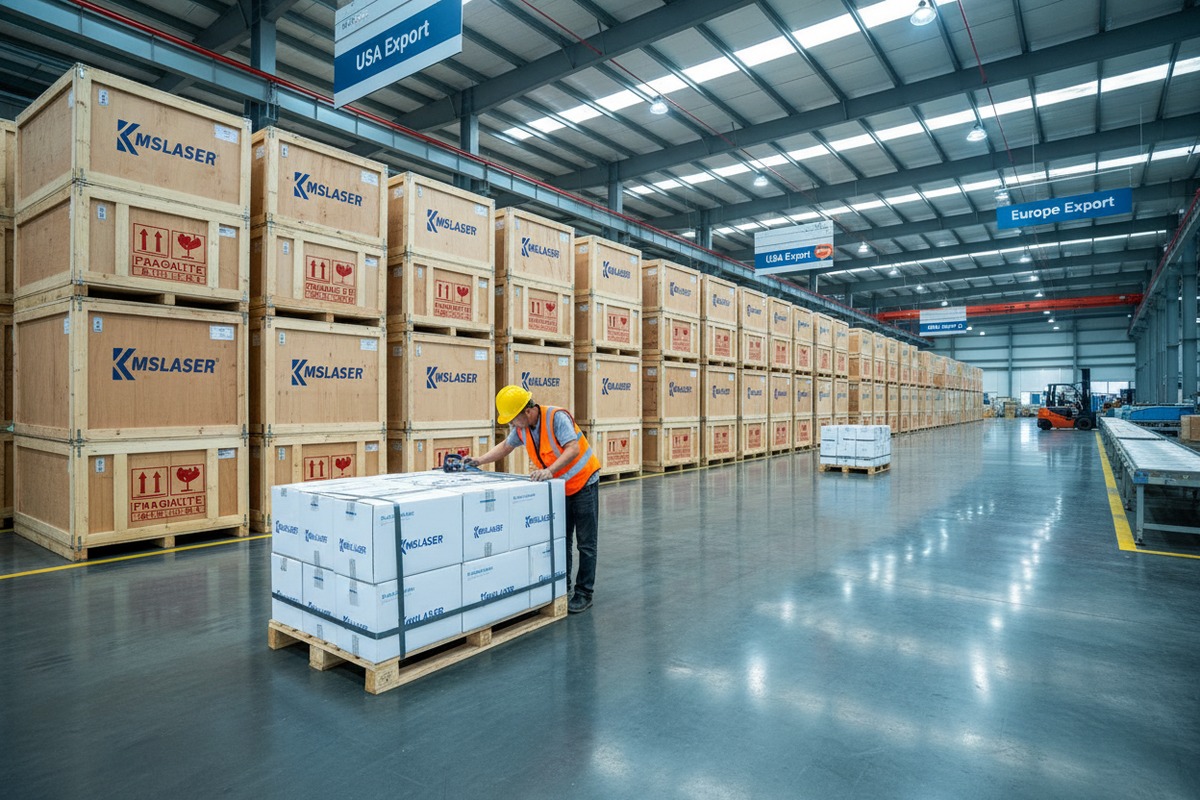
Door-to-door logistics and rigorous quality control prevent hidden downtime costs through three mechanisms: pre-shipment inspection eliminates defective units before they reach clinics, professional packaging prevents transit damage, and managed logistics ensure equipment arrives on schedule without customs delays or damage claims that cause revenue-killing installation postponements.
The Real Cost of Equipment Downtime
When a pressotherapy machine arrives damaged or defective, the financial impact extends far beyond repair:
| Downtime Cost Category | Estimated Daily Cost |
|---|---|
| Lost treatment revenue | $360–$540 |
| Staff idle time | $150–$250 |
| Client rescheduling/cancellation | $100–$200 |
| Reputation damage (reviews) | Incalculable |
| Total daily impact | $610–$990+ |
A two-week delay waiting for replacement parts costs $8,540–$13,860 in direct losses. This exceeds the value of most equipment savings from cheaper suppliers.
Pre-Shipment Quality Control: Your First Defense
At our facility, every unit passes through a standardized inspection protocol before shipping:
Inspection Checklist
- Visual inspection: Check for cosmetic defects, scratches, casing damage
- Component verification: Confirm all accessories and manuals included
- Functional testing: Run all treatment programs through full cycles
- Pressure calibration: Verify air pressure accuracy across all chambers
- Electrical safety: Test voltage stability and grounding
- Packaging audit: Confirm protective materials meet transit standards
This catches problems before they become your franchisee's problem.
How Logistics Failures Create Hidden Costs
Poor logistics management causes cascading expenses:
Customs delays:
- Storage fees accumulate daily
- Installation schedules collapse
- Soft-opening dates may need to change
- Marketing spend is wasted on postponed launches
Transit damage:
- Insurance claims take weeks to resolve
- Temporary replacements may not be available
- Repair parts may need separate shipping
- Technical visits add service costs
Documentation errors:
- Customs rejection requires re-export/re-import
- Compliance fines may apply
- Legal costs for clearance issues
Building a Reliable Supply Chain
Our approach to door-to-door logistics 7 includes:
| Stage | Our Role | Franchisee Benefit |
|---|---|---|
| Production | In-process quality checks | Reduces defect rate to <0.5% |
| Pre-shipment | Final inspection and certification | Documents equipment condition |
| Packaging | Custom protective materials | Prevents 95% of transit damage |
| Export documentation | Complete, accurate paperwork | Zero customs rejections |
| Freight management | Tracked, insured shipping | Real-time visibility |
| Destination coordination | Clear delivery scheduling | On-time installation |
What Franchisees Should Demand From Suppliers
Educate your franchisees to ask these questions when evaluating equipment sources:
- "What is your pre-shipment inspection 8 process?"
- "Can I receive inspection photos and videos before shipping?"
- "What packaging standards do you use for international transit?"
- "Who handles customs clearance, and what is your rejection rate?"
- "What happens if equipment arrives damaged or defective?"
- "What is your average claim resolution time?"
Suppliers who cannot answer confidently are suppliers who will create hidden costs.
The ROI of Professional Logistics
Consider this comparison:
| Sourcing Approach | Equipment Cost | Hidden Costs (1 Year) | True Total Cost |
|---|---|---|---|
| Cheap supplier, minimal QC | $12,000 | $5,000–$15,000 | $17,000–$27,000 |
| Mid-tier supplier, standard QC | $18,000 | $1,000–$3,000 | $19,000–$21,000 |
| Premium supplier, comprehensive QC | $22,000 | $0–$500 | $22,000–$22,500 |
The premium supplier often delivers the lowest true cost over time.
Conclusion
Explaining pressotherapy machine ROI to clinic franchisees requires clear financial frameworks, honest durability assessments, and transparent logistics communication. When you present break-even calculations 9, maintenance cost projections, OEM value justifications, and quality control processes, franchisees gain confidence to invest. This confidence drives faster decisions and stronger partnerships.
## Footnotes

<span id="footnote-1">
1. While not a direct 'lifespan extension' guide, this article on 'hidden costs of poor equipment maintenance' implicitly covers the importance of maintenance for longevity, aligning with the article's context of 'durability ROI'. <a href="#ref-1" class="footnote-backref">↩︎</a>
</span>

<span id="footnote-2">
2. Explains the benefits of OEM customization for manufacturers, including flexibility and differentiation. <a href="#ref-2" class="footnote-backref">↩︎</a>
</span>

<span id="footnote-3">
3. Replaced with an authoritative source (BDC, a Canadian government-owned bank) providing a clear definition and explanation of gross margin. <a href="#ref-3" class="footnote-backref">↩︎</a>
</span>

<span id="footnote-4">
4. Replaced with a relevant article directly addressing the hidden costs and impact of poor equipment maintenance. <a href="#ref-4" class="footnote-backref">↩︎</a>
</span>

<span id="footnote-5">
5. Defines brand differentiation and explains its importance for competitive advantage and customer loyalty. <a href="#ref-5" class="footnote-backref">↩︎</a>
</span>

<span id="footnote-6">
6. Replaced with a comprehensive article from Zendesk, a reputable customer service software provider, detailing customer retention strategies. <a href="#ref-6" class="footnote-backref">↩︎</a>
</span>

<span id="footnote-7">
7. Describes door-to-door international shipping, its benefits, and how it simplifies global supply chains. <a href="#ref-7" class="footnote-backref">↩︎</a>
</span>

<span id="footnote-8">
8. Replaced with a comprehensive guide from QIMA, a leading quality control and inspection company, explaining pre-shipment inspection. <a href="#ref-8" class="footnote-backref">↩︎</a>
</span>

<span id="footnote-9">
9. Explains break-even point, calculation, and its importance for business financial planning. <a href="#ref-9" class="footnote-backref">↩︎</a>
</span>

 English
  Español de México
  Deutsch
  Français
  العربية
  Русский