

Every week, our production floor receives new inquiries from US buyers confused about which shockwave machine type fits their market best ISO certification 1. shockwave therapy machines 2 The pain is real—wrong choices mean dead inventory and lost profits.
To evaluate US demand for portable vs tabletop shockwave therapy machines, analyze your target customer base (mobile practitioners favor portable units; multi-room clinics prefer tabletop hybrids), compare profit margins on $3k-$35k devices, verify internal component quality through factory audits, and calculate door-to-door shipping costs that vary significantly by unit weight and dimensions.
The US shockwave market shows clear patterns. Portable units dominate with over 75% market share. But that number alone does not tell you what your specific customers want. Let me walk you through each critical decision point.
How can I determine if my US salon customers prefer portable or tabletop shockwave units?
Our export team has tracked US buyer behavior for years. The question we hear most often is simple—which type sells faster? The answer depends entirely on who your end customers are and where they practice.
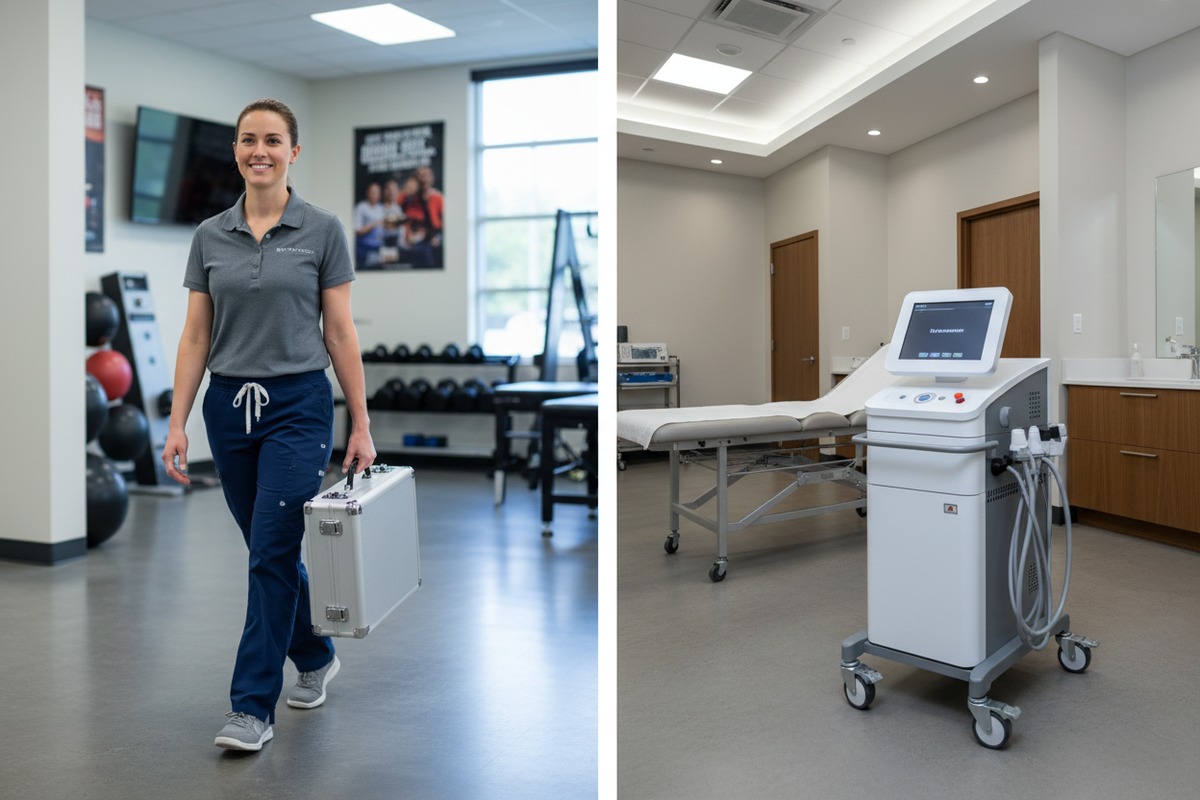
Survey your existing customer base directly, analyze competitor product listings, and segment by practice type: mobile practitioners and small clinics prefer portable units under 10kg, while established multi-room facilities with high patient volumes favor tabletop systems offering hybrid radial/focused capabilities and advanced software presets.
Understanding Your Customer Segments
The US market breaks down into distinct buyer groups. Each group has different needs. Your sourcing strategy must match these needs precisely.
Chiropractic practices 3 represent roughly 40% of the US shockwave market. Physical therapy clinics 4 account for another 30%. Sports medicine and orthopedic practices make up the remaining 20%. The final 10% includes aesthetics, urology, and emerging applications.
| Customer Segment | Preferred Device Type | Key Purchase Drivers | Average Budget Range |
|---|---|---|---|
| Mobile Practitioners | Portable (<10kg) | Weight, battery life, carrying case | $3,000 – $8,000 |
| Small Clinics (1-2 rooms) | Portable/Compact Tabletop | Cost, ease of use, footprint | $5,000 – $15,000 |
| Multi-Room Clinics | Tabletop Hybrid | Versatility, presets, durability | $15,000 – $35,000 |
| High-Volume Hospitals | Clinical Tabletop/Stationary | Power, focused capability, support | $30,000 – $90,000 |
Direct Research Methods
When our team advises private label buyers, we recommend three research approaches. First, survey your current dealer network. Ask which devices move fastest. Second, analyze Google Trends data 5—ESWT searches increased 40% between 2024 and 2025. Third, attend trade shows like AAOS to observe what practitioners gravitate toward.
Social media groups for US chiropractors and physical therapists reveal real preferences. Posts asking for device recommendations consistently favor portable radial units for practices treating plantar fasciitis 6 and tendinopathies. These conditions represent 80% of shockwave applications.
Geographic Considerations
Location matters more than many importers realize. Urban practices with limited square footage need compact portable units. Rural mobile therapists serving multiple locations demand lightweight devices. Suburban clinics with dedicated treatment rooms can accommodate larger tabletop systems.
Post-COVID trends show a 15% growth in mobile and home-visit therapy services. This shift strongly favors portable devices. However, the emerging men's health and urology niche prefers focused tabletop systems for erectile dysfunction treatments.
Which shockwave machine configuration will offer the best profit margins for my private label brand?
During production planning meetings, our engineering team often discusses which configurations deliver the best value for overseas brand owners. Profit margins depend on acquisition cost, perceived value, and competitive positioning in your target market.
Mid-range tabletop radial/hybrid systems priced between $10,000-$25,000 offer the strongest profit margins for private label brands, providing 40-60% gross margins when sourced at $4,000-$10,000 from qualified manufacturers while commanding premium positioning against entry-level portable competitors and avoiding the saturated low-end market.
Cost Structure Analysis
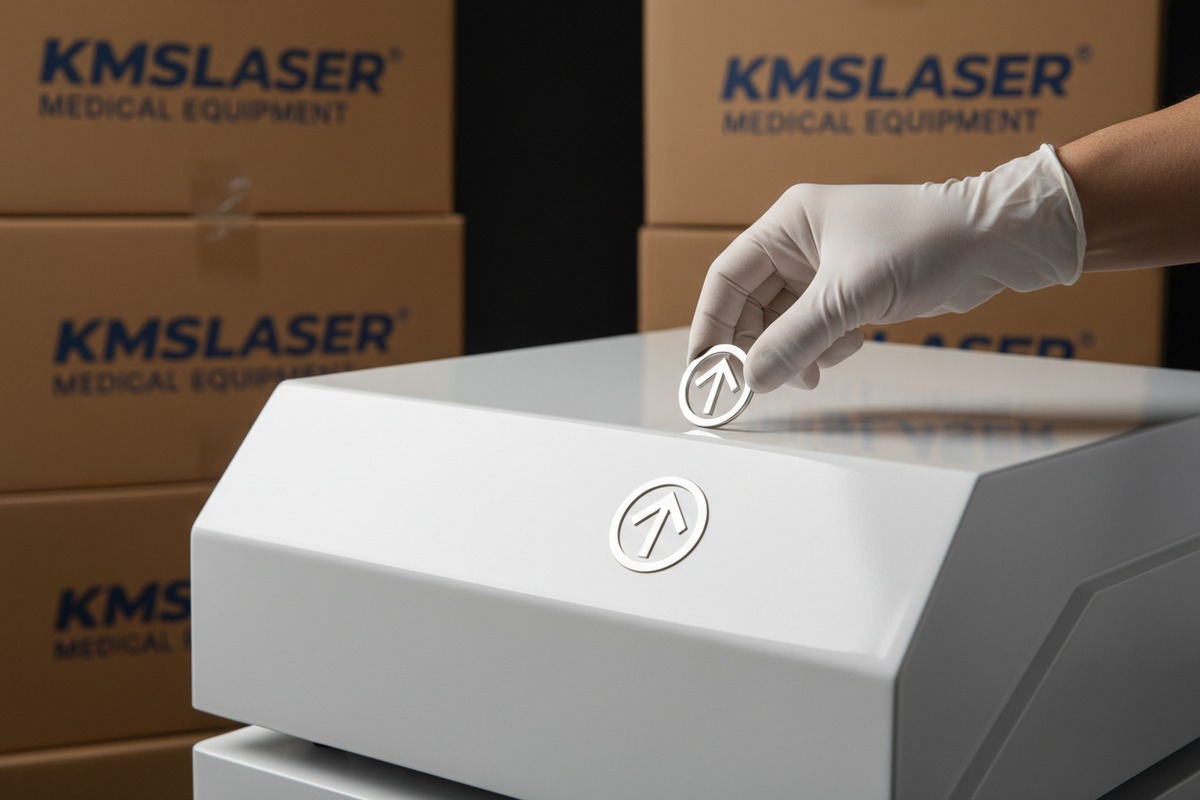
Our factory produces both portable and tabletop configurations. The cost differences come from components, assembly complexity, and housing materials. Understanding these factors helps you negotiate better and predict margins accurately.
| Configuration | Typical FOB Cost | US Retail Price | Gross Margin | Market Competition |
|---|---|---|---|---|
| Entry Portable (Radial) | $800 – $2,000 | $3,000 – $6,000 | 50-70% | Very High (Amazon, eBay) |
| Mid Portable (Radial) | $2,000 – $4,000 | $6,000 – $12,000 | 45-55% | Moderate |
| Compact Tabletop (Radial) | $4,000 – $8,000 | $12,000 – $25,000 | 45-55% | Low-Moderate |
| Hybrid Tabletop (Radial/Focused) | $8,000 – $15,000 | $25,000 – $45,000 | 40-50% | Low |
| Clinical Focused | $15,000 – $35,000 | $50,000 – $90,000 | 35-45% | Very Low |
Avoiding the Low-End Trap
Many first-time importers target entry-level portable devices. The logic seems sound—low cost, high volume. But our experience shows this strategy often fails. The low-end market is flooded with unbranded imports from Amazon and eBay sellers. These products often lack proper FDA clearance 7. Competing here means racing to the bottom on price.
Instead, position your brand in the mid-range. Compact tabletop systems like our LGT-2500S series offer differentiation. They provide features small clinics want—multiple applicator heads, preset protocols, and professional aesthetics—at prices independent practitioners can afford.
Value-Added Features That Justify Premium Pricing
When we customize devices for private label buyers, certain features consistently justify higher retail prices. Software with treatment presets saves practitioners time. Ergonomic handpieces reduce operator fatigue during long sessions. Quality carrying cases and accessory kits increase perceived value without significant cost increases.
Documentation matters too. FDA clearance, CE marking 8, and ISO certification allow buyers to charge more. Our quality team ensures all necessary certifications are in place before shipment. This protects your brand and your margins.
ROI Calculations for Your Customers
Help your downstream customers understand their investment return. A $15,000 tabletop unit generating $200 per session pays for itself in 75 sessions. At 10 sessions weekly, that is under two months. This math sells devices. Include ROI calculators in your marketing materials.
How do I ensure the internal components of a portable shockwave device meet my high-end performance standards?
Our quality control engineers inspect every unit before shipping. But smart importers verify quality before production begins. Internal components determine whether your branded device performs like a premium product or disappoints your customers.
Conduct pre-production factory audits verifying compressor quality (German or Japanese brands preferred), pneumatic valve precision, applicator durability ratings (minimum 2 million shots), electromagnetic shielding standards, and request third-party testing certificates for pressure output consistency between 1-5 bar across the specified frequency range of 1-21Hz.

Critical Component Categories
Not all components affect performance equally. Focus your quality verification on these high-impact areas. Our production team has identified the components that cause the most field failures when quality is compromised.
| Component Category | Quality Indicators | Testing Method | Red Flags |
|---|---|---|---|
| Compressor | Brand (German/Japanese), noise level, duty cycle | Run test 2+ hours | Unnamed brand, excessive heat |
| Pneumatic Valves | Response time, consistency | Pressure variance testing | >5% variance across cycles |
| Applicator Head | Shot rating, material grade | Durability certification | <1 million shot rating |
| Control Board | Component source, firmware stability | Function testing all presets | Frequent error codes |
| Housing | Material thickness, finish quality | Drop test, UV exposure | Thin plastic, visible seams |
Factory Audit Checklist
When visiting our facility, experienced buyers follow a systematic inspection process. They check incoming component storage conditions. They observe assembly line practices. They review calibration equipment certificates. They test random finished units.
Request sample units for independent testing. Send them to a US-based engineering lab. Compare actual pressure output against specifications. Verify frequency accuracy. Test applicator durability under simulated clinical conditions. This investment prevents costly recalls later.
Understanding Shockwave Generation Methods
Genuine shockwave devices use pneumatic or electromagnetic generation. Our portable units use compressed air driving a projectile against an applicator. This creates the radial pressure wave. Cheap imitations sometimes use simple vibration motors. These do not produce therapeutic shockwaves.
Ask your supplier to explain their generation method in detail. Request technical documentation showing pressure wave characteristics. True shockwaves have specific rise times and peak pressures. Vibration devices cannot replicate these properties.
Applicator Durability Standards
The applicator head takes the most abuse during treatments. Professional devices rate applicators for 2-5 million shots. At 3,000 shots per treatment session and 10 sessions daily, that equals 2-5 years of use. Cheaper applicators fail within months.
We offer applicator replacement programs for our private label partners. This creates recurring revenue while ensuring end users maintain optimal performance. Include applicator life tracking in your device software when possible.
Software and Firmware Considerations
Modern shockwave devices include treatment presets for common conditions. These presets simplify operation and ensure consistent treatments. However, poorly programmed firmware causes freezes, incorrect readings, and frustrated users.
Request firmware source code access or escrow arrangements for custom software. This protects your brand if the manufacturer relationship changes. Test all presets thoroughly before approving production.
Will sourcing tabletop shockwave machines significantly impact my door-to-door logistics costs and delivery timelines?
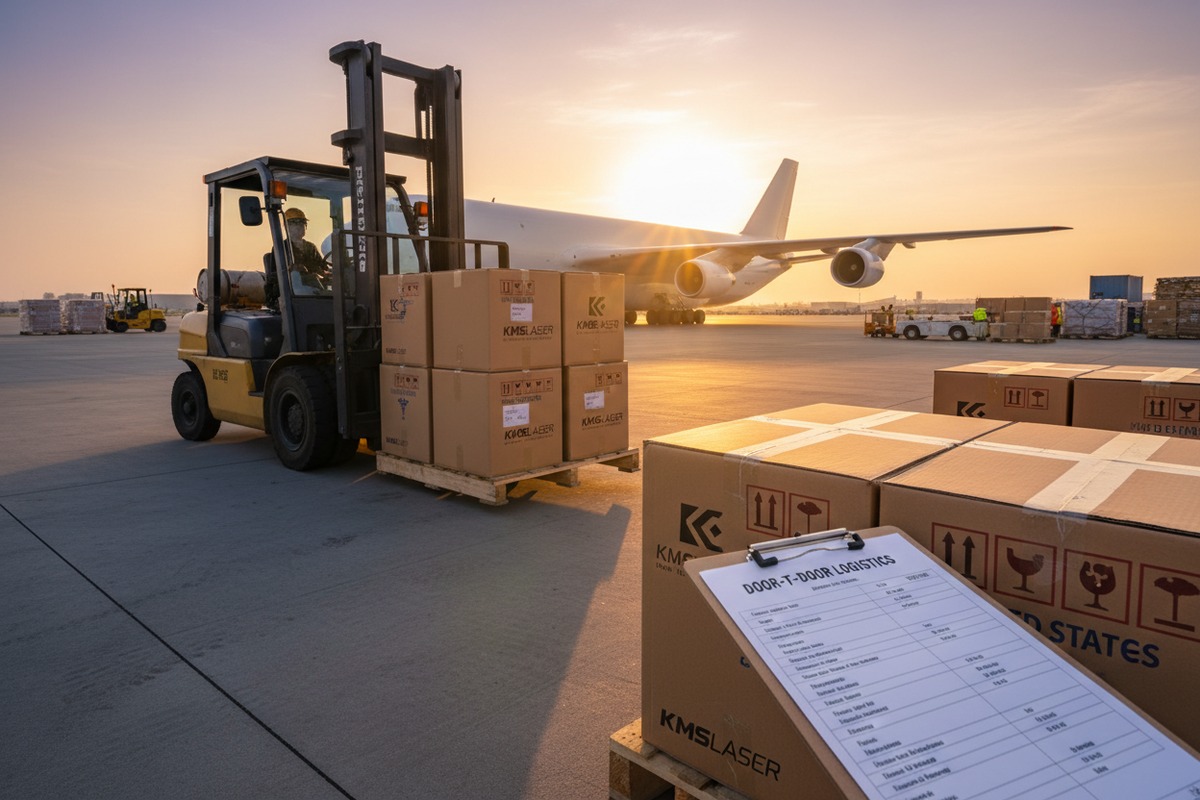
Our logistics coordinator manages hundreds of shipments monthly to the US. The difference between portable and tabletop device shipping is significant. Understanding these costs helps you price products correctly and set realistic customer expectations.
Tabletop shockwave machines typically increase door-to-door logistics costs by 150-300% compared to portable units due to larger dimensions requiring pallet shipping ($800-$1,500 vs $200-$400 per unit), heavier weights triggering freight surcharges, and extended delivery timelines of 25-35 days sea freight versus 5-7 days express air for portable devices.
Shipping Cost Comparison
Weight and dimensions drive most shipping cost differences. Portable units typically weigh 3-8kg and ship in small cartons. Tabletop systems weigh 25-60kg and require wooden crates or pallets. This affects every step of the logistics chain.
| Shipping Factor | Portable Unit | Tabletop Unit | Cost Impact |
|---|---|---|---|
| Unit Weight | 3-8 kg | 25-60 kg | 3-8x higher base rate |
| Package Dimensions | 40x30x25 cm | 80x60x70 cm | 4-6x volumetric weight |
| Express Air (DHL/FedEx) | $150-$300 | $600-$1,200 | Prohibitive for tabletop |
| Sea Freight (FCL share) | $80-$150 | $300-$600 | Economical for volume |
| Customs Clearance | Standard | May require formal entry | +$150-$300 |
| Last Mile Delivery | Standard courier | Freight/liftgate required | +$100-$300 |
Timeline Considerations
Speed to market matters for competitive products. Portable devices ship via air express in 5-7 days from our Guangzhou facility to US destinations. Tabletop units typically require sea freight, adding 20-30 days transit time plus customs processing.
Plan your inventory accordingly. Order tabletop units 60-90 days before needed. Stock portable units for quick replenishment via air when demand spikes. Our team provides shipping status updates throughout the journey so you can inform your customers accurately.
Packaging Requirements
Tabletop devices need robust packaging to survive international shipping. Our standard packaging includes double-wall corrugated cartons, custom foam inserts, and moisture barriers. For sea freight, we add wooden crate protection. This packaging adds 5-10% to product costs but prevents damage claims.
Portable units ship safely in standard commercial packaging. Many fit airline carry-on dimensions, allowing your sales representatives to hand-deliver samples. This flexibility accelerates your sales cycle.
Import Documentation and Compliance
Both device types require FDA registration for US importation. However, tabletop devices with focused shockwave capabilities may face additional scrutiny. Ensure your supplier provides complete technical files, test reports, and predicate device comparisons for 510(k) clearance if required.
Our documentation team prepares all necessary customs paperwork. This includes commercial invoices, packing lists, country of origin certificates, and FDA registration numbers. Complete documentation prevents port delays that frustrate your customers.
Inventory Strategy Recommendations
For new market entrants, we recommend starting with portable units. Lower shipping costs allow smaller test orders. Faster delivery times let you respond quickly to market feedback. Once you establish demand patterns, add tabletop models to your catalog.
Consider US warehousing for tabletop inventory. Ship larger quantities by sea to a fulfillment center. This converts 30-day lead times into same-week delivery for your customers. The warehousing cost is offset by bulk shipping savings and competitive delivery promises.
Conclusion
Evaluating US demand for portable versus tabletop shockwave machines requires systematic analysis of your customer segments, margin potential, component quality, and logistics costs. Use the frameworks above to make informed sourcing decisions that build a profitable private label brand.
Footnotes
1. Official information from the International Organization for Standardization on certification processes. ↩︎
2. Provides general information about extracorporeal shockwave therapy (ESWT) devices and their applications. ↩︎
3. Official website of the American Chiropractic Association, a key segment of the US market. ↩︎
4. Official website of the American Physical Therapy Association, a major customer segment. ↩︎
5. Direct link to Google Trends for analyzing search interest and market trends. ↩︎
6. Authoritative medical information on a common condition treated by shockwave therapy. ↩︎
7. Explains the FDA’s 510(k) premarket notification process for medical devices. ↩︎
8. Official EU information on CE marking, a crucial regulatory requirement for products. ↩︎

 English
  Español de México
  Deutsch
  Français
  العربية
  Русский