When our engineering team first started developing shockwave therapy machines 1 for the US market, we quickly realized that understanding the competitive landscape was far more complex than simply reviewing product catalogs. Many distributors enter this market blindly, only to discover their pricing is off, their features miss the mark, or their quality falls short of American expectations.
To evaluate the US competitive landscape for new shockwave therapy machines, you must systematically identify dominant competitors, analyze their product features and pricing strategies, assess regulatory requirements, and benchmark quality standards. The US market, valued at over $800 million in 2025, demands thorough competitor research before market entry.
This guide will walk you through each critical step of competitive analysis FDA clearances 2. We will cover competitor identification, feature differentiation, quality benchmarking, and pricing strategies that work in the mid-to-high-end US market.
How do I identify the key competitors currently dominating the US shockwave therapy market?
Walking through medical trade shows in Las Vegas and Chicago, our sales team noticed the same brand names appearing at booth after booth. Yet many importers still enter the US market without knowing who they are truly competing against. This knowledge gap leads to positioning failures and wasted marketing budgets.
The key competitors dominating the US shockwave therapy market include Boston Scientific, Dornier MedTech, Shockwave Medical Inc., BTL Corporate, SANUWAVE Health, EMS Dolorclast, and Karl Storz. These established players control significant market share through strong clinical evidence, FDA clearances, and established hospital distribution networks.

Understanding Market Structure
The US shockwave therapy market captured 82% of North American revenue in 2025. This concentration means competition is intense. Before entering, you need a clear picture of who you are up against.
Our research team spent months analyzing the competitive landscape. We found that competitors fall into three distinct tiers based on market presence and capabilities.
| Tier | Companies | Characteristics | Market Focus |
|---|---|---|---|
| Tier 1 | Boston Scientific 3, Shockwave Medical, Dornier MedTech | Global presence, extensive clinical trials, premium pricing | Hospitals, major medical centers |
| Tier 2 | BTL Corporate, EMS Dolorclast, SANUWAVE Health | Strong regional presence, good clinical data, mid-premium pricing | Clinics, specialty practices |
| Tier 3 | Emerging brands, importers | Limited clinical data, competitive pricing | Physiotherapy clinics, sports medicine |
Research Methods That Work
To identify competitors effectively, start with FDA 510(k) clearance databases 4. Every shockwave device sold in the US must have FDA clearance. This public database reveals who has active products and their intended uses.
Next, attend major trade shows. The American Physical Therapy Association conference 5 and Medical Design & Manufacturing shows provide direct competitor exposure. You can see devices firsthand and collect marketing materials.
Talk to potential customers. We regularly speak with clinic owners and purchasing managers. They tell us which brands they currently use, what they like, and what frustrates them. This primary research is invaluable.
Analyzing Competitor Strengths
Each major competitor has distinct advantages. Dornier MedTech, for example, pioneered lithotripsy technology. Their brand recognition in urology is unmatched. BTL Corporate focuses heavily on aesthetics and rehabilitation, with strong marketing to private clinics.
Understanding these positioning differences helps you find gaps in the market. When we design new models, we specifically look at what established players are not doing well.
What specific features should I customize to differentiate my brand from existing US shockwave machine suppliers?
During our product development meetings, the question of differentiation comes up constantly. Many overseas manufacturers make the mistake of copying existing designs exactly. They end up competing solely on price, which is a race to the bottom. Smart differentiation requires understanding what US customers actually want but are not getting.
To differentiate your shockwave machine brand, focus on customizing portability features for mobile practitioners, integrating AI-assisted treatment protocols, enhancing user interface design, offering specialized applicator heads for niche applications, and providing superior training and support programs. These features address gaps that current US suppliers often overlook.

Technology Differentiation Opportunities
The market is shifting. Fixed devices are growing at 10.8% CAGR, faster than the overall market. Yet mobile devices still dominate current installations. This creates opportunity for hybrid solutions.
When our engineers design new models, we focus on features that solve real clinical problems. Here are the areas where differentiation matters most.
| Feature Category | Current Gap | Differentiation Opportunity | Customer Benefit |
|---|---|---|---|
| Portability | Heavy units, difficult transport | Compact design under 15kg | Easy room-to-room movement |
| User Interface | Complex menus, steep learning curve | Touchscreen with preset protocols | Faster training, fewer errors |
| Treatment Tracking | Manual record keeping | Integrated patient database | Better outcomes documentation |
| Applicator Design | Limited options | Specialized heads for ED, plantar fasciitis | Expanded treatment capabilities |
| AI Integration | Not widely available | Predictive treatment optimization | Personalized patient care |
Software and Intelligence Features
Future differentiation will rely heavily on artificial intelligence. Our development team is working on features that analyze treatment response and suggest protocol adjustments. This is rare in current market offerings.
Connected devices that integrate with electronic health records 6 represent another opportunity. US clinics increasingly require seamless EHR integration. Devices that offer this capability command premium pricing.
Design and Usability
American practitioners have high expectations for device usability. They want equipment that works intuitively without extensive training. Our industrial designers study how clinicians actually use devices in practice. We then optimize button placement, screen angles, and handle ergonomics.
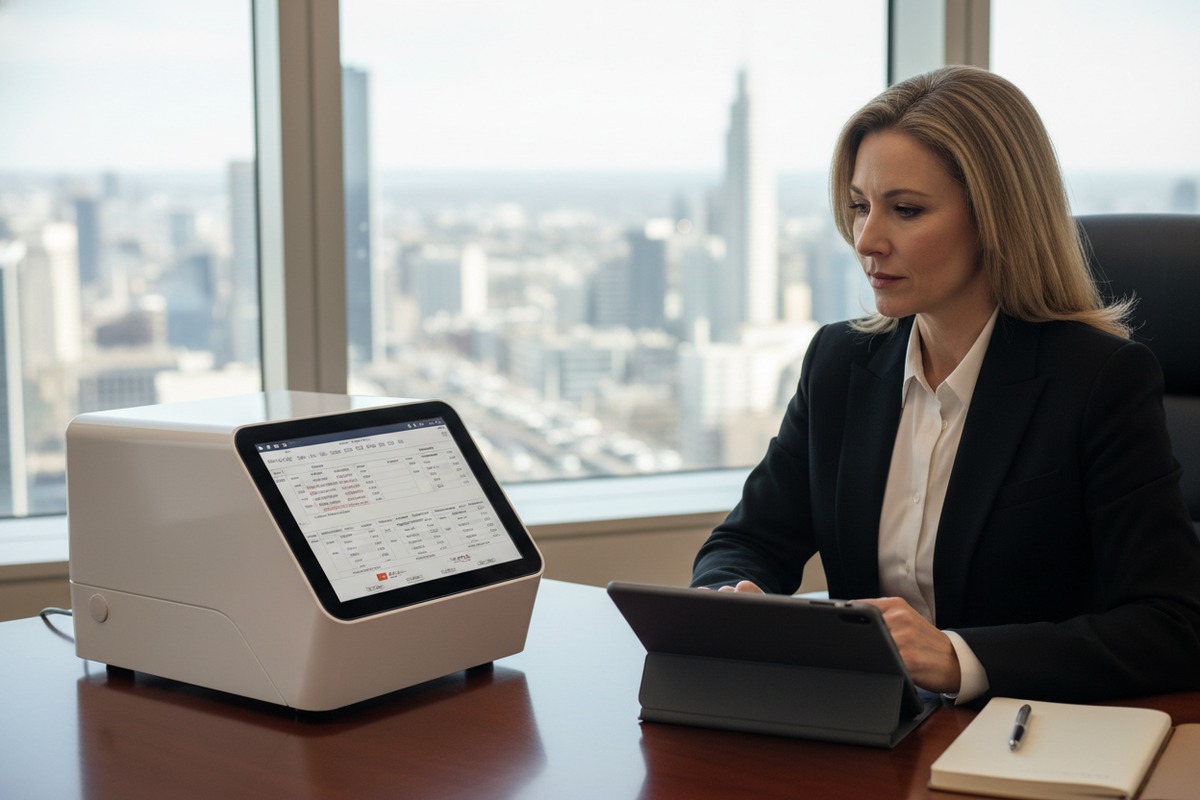
Color and finish matter more than some manufacturers realize. US clinics want equipment that looks professional and modern. Our sleek white chassis with high-gloss finish directly addresses this aesthetic preference.
Service and Support Differentiation
Beyond the physical product, service differentiation is powerful. Offering comprehensive training programs, extended warranties, and responsive technical support sets brands apart. Many overseas suppliers fail here. They sell the device but provide minimal ongoing support.
We have developed training videos, quick-start guides, and dedicated support channels specifically for our US customers. This service wrapper around our products creates real competitive advantage.
How can I ensure my imported shockwave machines meet the high performance and quality standards my US customers expect?
Our quality control manager often says that one defective unit can destroy years of relationship building. She is right. US customers, especially established distributors and clinic chains, have zero tolerance for quality failures. They have dealt with unreliable overseas suppliers before and carry those scars.
To ensure your imported shockwave machines meet US quality standards, implement rigorous pre-production component inspection, conduct in-process quality checkpoints, perform comprehensive pre-shipment testing including energy output verification, obtain relevant FDA 510(k) clearance, and maintain detailed quality documentation throughout production.

Understanding US Quality Expectations
American healthcare providers expect devices that work perfectly out of the box. They expect consistent performance over thousands of treatment cycles. They expect immediate support when problems arise. Meeting these expectations requires systematic quality management.
Our factory follows a multi-stage quality control process. Each stage catches different types of defects before they reach customers.
| QC Stage | Timing | Key Checks | Pass Rate Target |
|---|---|---|---|
| Incoming Inspection | Before production | Component specifications, supplier certifications | 99.5% |
| In-Process QC | During assembly | Assembly accuracy, electrical connections | 99.8% |
| Functional Testing | After assembly | Energy output, timing accuracy, safety systems | 100% |
| Pre-Shipment Inspection | Before shipping | Cosmetic quality, packaging integrity, accessories | 100% |
FDA Compliance Requirements
The FDA clearance process is not optional. Every shockwave therapy device sold in the US must have 510(k) clearance or appropriate regulatory approval. FDA compliance requirements 7 This process requires demonstrating substantial equivalence to legally marketed devices.
Our regulatory team works closely with FDA consultants to ensure our devices meet all requirements. This includes detailed technical documentation, performance testing data, and biocompatibility assessments where applicable.
Performance Verification Protocols
Energy output consistency is critical for shockwave devices. We test every unit for output accuracy across multiple energy levels. Deviation beyond acceptable tolerances results in immediate rejection and investigation.
Our testing protocols include:
- Energy output measurement at minimum, medium, and maximum settings
- Pulse frequency verification
- Applicator pressure testing
- Safety interlock function verification
- Continuous operation testing for thermal management
Building Quality Documentation
US customers, particularly larger distributors, request quality documentation. They want to see test reports, calibration certificates, and quality management system certifications 8. Having this documentation ready demonstrates professionalism and builds confidence.
We maintain complete traceability for every device. Serial numbers link to component lots, test results, and inspection records. When issues arise, we can investigate root causes quickly and implement corrections.
Addressing Common Quality Failures
In our experience, the most common quality issues for imported medical devices include:
- Cosmetic defects from inadequate packaging
- Inconsistent energy output from component variation
- Software bugs from insufficient testing
- Accessory shortages from poor inventory management
Each of these issues is preventable with proper systems. We have invested heavily in packaging design, component qualification, software validation, and inventory management specifically to avoid these problems.
What is the best way to benchmark my pricing against other mid-to-high-end shockwave therapy brands in the US?
When distributors ask about our pricing, they often have unrealistic expectations shaped by consumer electronics. Medical devices operate on entirely different economics. Understanding how to benchmark pricing correctly prevents both overpricing that kills sales and underpricing that destroys margins.
The best way to benchmark shockwave therapy pricing involves analyzing competitor list prices and actual transaction prices, calculating total cost of ownership including training and maintenance, evaluating reimbursement rates that determine customer ROI, and positioning within the value-based pricing framework that mid-to-high-end US buyers expect.

Understanding Price Tiers in the US Market
The US shockwave therapy market has distinct price tiers corresponding to different customer segments and device capabilities. Positioning within the wrong tier creates immediate problems.
Our market research revealed the following general price structure:
| Market Tier | Price Range (USD) | Target Customer | Key Value Drivers |
|---|---|---|---|
| Entry Level | $5,000 – $15,000 | Small clinics, individual practitioners | Basic functionality, low upfront cost |
| Mid-Market | $15,000 – $40,000 | Established clinics, physiotherapy practices | Reliability, good feature set, support |
| Premium | $40,000 – $80,000+ | Hospitals, specialty centers | Advanced features, clinical evidence, brand prestige |
Gathering Competitive Price Intelligence
Competitor pricing is not always publicly available. However, several methods provide reliable intelligence.
Request quotes directly from competitors using a clinic buyer persona. This reveals actual selling prices and available discounts. Trade shows also provide pricing information through direct conversation and promotional materials.
Industry publications and analyst reports sometimes include pricing data. Organizations like ECRI Institute evaluate medical devices and often reference pricing information.
Calculating Total Cost of Ownership
Smart US buyers evaluate total cost, not just purchase price. This includes training costs, maintenance contracts, consumables, and expected repair expenses over the device lifespan.
When we price our devices, we consider the complete cost picture. A slightly higher purchase price offset by lower maintenance costs and better durability often represents better value. We help our distribution partners communicate this total cost advantage.
Reimbursement Considerations
Healthcare reimbursement directly affects what customers can afford to pay. If a clinic can bill $200 per shockwave treatment session and performs 10 sessions daily, their revenue potential is significant. Device pricing must align with this revenue potential.
Understanding CPT codes 9 and typical reimbursement rates helps position pricing appropriately. A device that enables billing for more treatment types or higher-reimbursement procedures justifies premium pricing.
Value-Based Pricing Strategy
Pure cost-plus pricing fails in the medical device market. Value-based pricing considers the economic benefit your device provides to customers.
Our pricing strategy considers:
- Clinical outcomes compared to alternatives
- Practice efficiency improvements
- Training and support value
- Brand reputation and perceived quality
- Warranty and service commitments
By quantifying these value elements, we help our partners justify pricing to their customers. This approach works much better than competing on lowest price.
Avoiding Pricing Mistakes
Common pricing mistakes we see from other manufacturers include:
- Setting prices too low, signaling poor quality
- Ignoring regional price variations within the US
- Failing to account for distribution margins
- Not offering financing options for capital equipment
We have learned to avoid these mistakes through market experience. Our pricing strategy balances competitiveness with sustainable margins for both our company and our distribution partners.
Conclusion
Evaluating the US competitive landscape for shockwave therapy machines requires systematic research across competitors, features, quality standards, and pricing. With proper preparation, manufacturers and distributors can identify real market opportunities and position their products for success in this growing market.
Footnotes
1. Explains the medical application of extracorporeal shockwave therapy. ↩︎
2. Explains the FDA 510(k) premarket notification process for medical devices. ↩︎
3. Official website of Boston Scientific, a major medical device company. ↩︎
4. Provides direct access to the FDA’s 510(k) premarket notification database. ↩︎
5. Official website of the American Physical Therapy Association. ↩︎
6. Defines electronic health records and their importance in healthcare. ↩︎
7. Provides an overview of FDA regulatory requirements for medical devices. ↩︎
8. Explains ISO 13485, the international standard for medical device quality management systems. ↩︎
9. Official information on CPT codes used for medical billing and procedures. ↩︎

 English
  Español de México
  Deutsch
  Français
  العربية
  Русский