
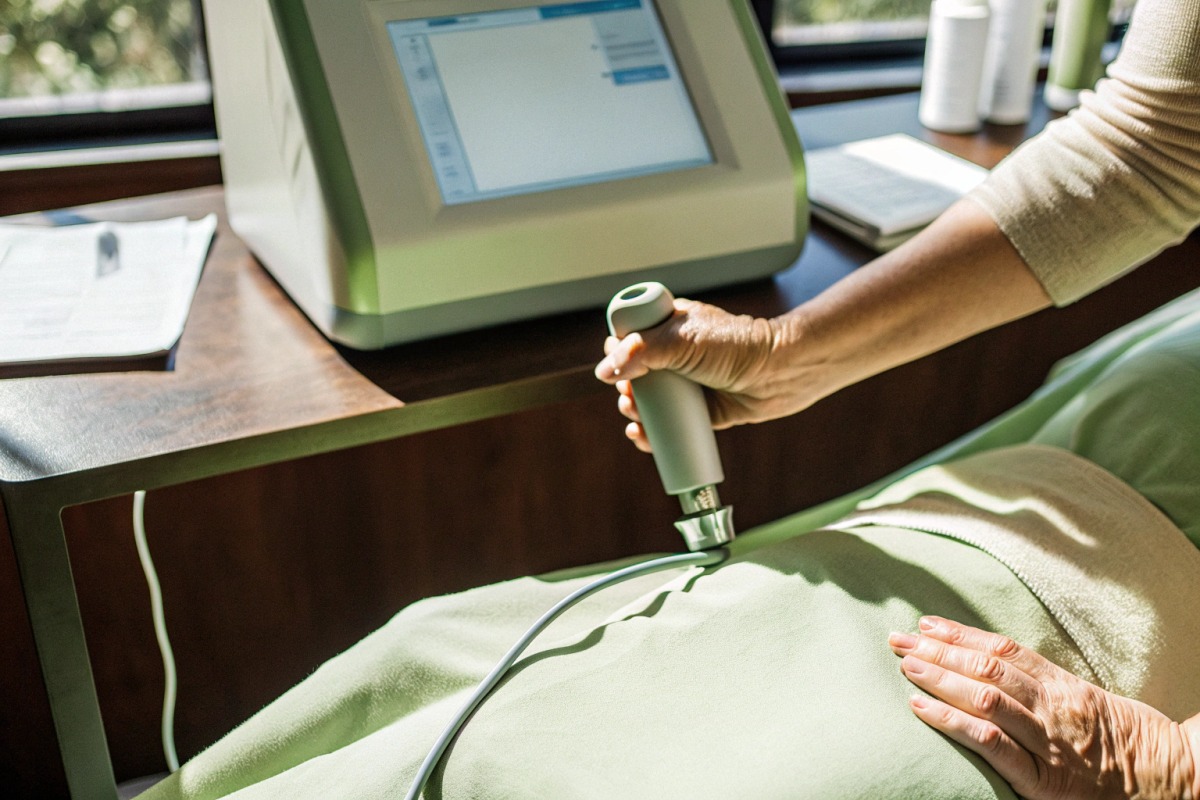
When our engineering team first started developing shockwave therapy units 1, clinic owners kept asking the same frustrating question: which treatment mode actually works best? The problem is real. With dozens of machines on the market claiming different capabilities, making the wrong choice means wasted investment and disappointed clients.
To evaluate treatment modes on a shockwave therapy machine, examine the energy flux density range, frequency settings, depth penetration capabilities, and protocol customization options. Compare radial versus focused modes based on your target conditions. Test the interface for ease of parameter adjustment and verify the device covers both aesthetic and therapeutic applications.
Let me walk you through the exact evaluation criteria our team uses when testing equipment. These insights come from years of manufacturing experience and direct feedback from clinic owners across the US and Europe.
What specific energy and frequency settings should I look for in a shockwave device?
Our production facility has tested hundreds of applicator configurations over the years. The energy and frequency specs determine everything from treatment depth to patient comfort. Getting these wrong means either ineffective treatments or unnecessary pain.
Look for energy flux density (EFD) between 0.08-0.60 mJ/mm² and frequency ranges of 1-21 Hz. Radial devices should offer pressure settings from 1.0-5.0 bar. Focused units need adjustable depth penetration from 0-40mm. These ranges cover most clinical applications from superficial aesthetic work to deep musculoskeletal therapy.

Understanding Energy Flux Density
Energy flux density 2 measures the energy delivered per pulse to each square millimeter of tissue. This single number tells you more about treatment effectiveness than any marketing claim. Low-energy settings around 0.08-0.16 mJ/mm² work well for pain management and superficial conditions. High-energy settings above 0.28 mJ/mm² drive better results for calcific tendinitis 3 and deep tissue regeneration.
In our quality control lab, we measure actual EFD output against displayed values. Cheap machines often show inflated numbers. The variance can reach 30% in poorly calibrated units. This matters because treatment protocols rely on accurate energy delivery.
Frequency and Pulse Parameters
Frequency controls how many pulses hit the tissue per second. Higher frequencies around 15-21 Hz feel more comfortable because the rapid pulses create a continuous sensation. Lower frequencies between 1-8 Hz deliver individual impacts that patients notice more. Both have clinical value depending on the condition.
| Parameter | Low Setting | Medium Setting | High Setting | Best Application |
|---|---|---|---|---|
| EFD (mJ/mm²) | 0.08-0.15 | 0.16-0.28 | 0.29-0.60 | Pain/Superficial vs. Deep tissue |
| Frequency (Hz) | 1-5 | 6-12 | 13-21 | Acute pain vs. Chronic conditions |
| Pressure (bar) | 1.0-2.0 | 2.1-3.5 | 3.6-5.0 | Sensitive areas vs. Dense muscle |
| Pulses per session | 500-1000 | 1500-2500 | 3000-4000 | Maintenance vs. Initial treatment |
Depth Penetration Specifications
Radial shockwave therapy 4 reaches maximum depths of 3-4 cm. This works perfectly for plantar fasciitis, lateral epicondylitis, and most superficial tendinopathies. The waves spread outward from the applicator tip, covering broader areas but with decreasing intensity.
Focused shockwave therapy 5 penetrates 2-30 cm deep. The waves converge at an adjustable focal point. This precision treats conditions like hip bursitis, hamstring injuries, and bone non-unions. When we design our focused applicators, we include multiple head options for different depth requirements.
Generator Technology Comparison
The generation method affects wave characteristics significantly. Electromagnetic generators use coil acceleration for consistent, reproducible output. Piezoelectric systems employ crystal deformation for precise focusing. Electrohydraulic technology creates explosive sparks for maximum energy but less control.
| Generator Type | Energy Consistency | Focus Precision | Maintenance Needs | Cost Level |
|---|---|---|---|---|
| Electromagnetic | Excellent | Good | Low | Medium-High |
| Piezoelectric | Good | Excellent | Medium | High |
| Electrohydraulic | Variable | Moderate | High | Medium |
| Pneumatic (Radial) | Good | N/A | Low | Low-Medium |
How easy is it to customize the pre-set clinical protocols for my clients?
Every clinic operates differently. The protocols that work in a sports medicine practice differ completely from aesthetic treatment centers. During our interface design process, we learned that flexibility matters more than preset quantity.
Quality shockwave machines offer editable preset protocols with parameter adjustments for energy, frequency, pulse count, and treatment duration. Look for devices with at least 20 modifiable presets, intuitive touchscreen navigation, and the ability to create new protocols from scratch. The interface should allow changes in under 30 seconds.

Interface Design Principles
The touchscreen interface should display all adjustable parameters on one screen. Scrolling through multiple menus wastes time between clients. Our latest models use a dashboard layout showing energy, frequency, pulse count, and time simultaneously. One tap changes any value.
Clear labeling matters for staff training. Technical terms like "energy flux density" confuse new technicians. Better interfaces show simple labels like "intensity level" with numerical values for experienced users. Both need accurate information presented clearly.
Protocol Library Management
A robust protocol library includes conditions organized by body region. Starting presets should cover common issues like plantar fasciitis, shoulder tendinopathy, and trigger points. Each protocol needs verified starting parameters based on clinical evidence.
The modification process should feel natural. Tap a parameter, adjust the slider or input numbers, and save. Some machines require navigating through three or four screens to change one setting. That frustrates busy practitioners and increases errors.
Creating Custom Treatment Plans
Custom protocol creation separates professional equipment from basic devices. Your clinic develops treatment approaches through experience. The machine should capture that knowledge. Name the protocol, set every parameter, assign it to a category, and save. Next time, one tap loads everything.
Multi-step treatments need special attention. A plantar fasciitis session might start with low energy for warming, increase to therapeutic levels, then reduce for finishing. Sequential programming saves these phases as one protocol. The machine advances automatically or prompts the operator.
Staff Training Considerations
Complex interfaces increase training time and error rates. We receive feedback constantly from clinic managers about this issue. Their staff turnover means retraining every few months. Simple interfaces reduce onboarding to hours instead of days.
Built-in tutorials help significantly. Video demonstrations accessible from the device screen show proper applicator positioning and parameter selection. Quick reference guides for common conditions support new technicians during actual treatments.
Do the treatment modes cover both aesthetic applications and physical therapy needs?
Clinic owners increasingly want versatile equipment. Investing in single-purpose machines limits revenue opportunities. Our export clients frequently request dual-purpose capabilities for exactly this reason.
Yes, modern shockwave therapy machines cover both aesthetic and physical therapy applications. Aesthetic modes address cellulite reduction, skin tightening, and body contouring using lower energy settings. Physical therapy modes treat tendinopathies, muscle pain, and bone healing with higher energy protocols. Verify the device includes specialized applicators for each application type.

Aesthetic Treatment Capabilities
Radial shockwave therapy has proven effective for cellulite reduction 6. The mechanical waves break down fibrous septae that create skin dimpling. Treatment protocols typically use lower energy around 1.5-2.5 bar with higher frequency for comfort. Sessions cover larger body areas like thighs and buttocks.
Skin tightening applications stimulate collagen production 7 through controlled mechanical stress. The cellular response includes increased fibroblast activity and neovascularization. Results develop over weeks as new collagen matures. This requires different parameter combinations than pain treatment protocols.
| Application Type | Energy Level | Frequency | Pulses | Sessions Needed | Results Timeline |
|---|---|---|---|---|---|
| Cellulite Reduction | 1.5-2.5 bar | 15-21 Hz | 2000-4000 | 6-12 | 4-12 weeks |
| Skin Tightening | 1.8-3.0 bar | 10-15 Hz | 1500-3000 | 6-10 | 8-16 weeks |
| Plantar Fasciitis | 2.0-3.5 bar | 8-12 Hz | 1000-2000 | 3-5 | 4-8 weeks |
| Shoulder Tendinopathy | 2.5-4.0 bar | 10-15 Hz | 1500-2500 | 4-6 | 6-12 weeks |
| Trigger Points | 1.5-2.5 bar | 15-21 Hz | 500-1000 | 1-3 | Immediate-2 weeks |
Physical Therapy Applications
Musculoskeletal applications form the traditional shockwave therapy foundation. Plantar fasciitis treatment shows success rates above 76% in clinical studies. Shoulder tendinopathies respond well to focused protocols. Chronic conditions often require higher energy settings than acute presentations.
The biological mechanisms include increased blood flow, substance P depletion for pain reduction, and stem cell recruitment for tissue regeneration. These processes need adequate energy delivery to trigger. Underpowered treatments produce minimal results.
Applicator Versatility
Different applications require different applicator geometries. Flat transmitter heads suit large muscle groups and aesthetic treatments. Focused heads with smaller contact areas target specific anatomical points. Convex shapes conform to curved body surfaces.
When evaluating machines, count the included applicators. A comprehensive set includes at least three heads: general purpose, focused point, and large area coverage. Additional specialty heads for facial treatments or deep penetration add value.
Protocol Separation and Organization
The interface should clearly separate aesthetic protocols from therapeutic ones. Color coding or tabbed navigation prevents confusion. Aesthetic treatments using therapeutic settings could cause discomfort or even tissue damage. Clear organization protects both practitioners and clients.
Certification requirements differ between applications in many regions. Having documented protocols for each category supports compliance. The machine's record-keeping should identify which protocol type was applied during each session.
Can I save and recall my own proprietary treatment parameters on the interface?
Your clinic's treatment protocols represent competitive advantage. Developing effective combinations through clinical experience creates value. The equipment must support this intellectual property protection.
Quality shockwave devices include user-defined protocol storage with password protection options. Look for capacity to save at least 50-100 custom protocols with descriptive naming. The recall function should load all parameters instantly. Some machines offer cloud backup for protocol libraries and export functions for transferring between devices.

Storage Capacity Requirements
Protocol libraries grow over time. Starting with ten custom treatments might seem adequate. After two years of operation, clinics often have fifty or more refined protocols. The machine should accommodate growth without requiring deletions.
Organized storage includes folders or categories. Separating protocols by practitioner, condition type, or body region simplifies recall. Search functions help when libraries exceed a few dozen entries. These features seem minor until the library grows large.
Security and Access Control
Multi-practitioner clinics need user accounts. Each therapist might develop different protocol variations. Individual logins keep protocols separate and enable usage tracking. Management can review which protocols each practitioner applies.
Password protection prevents unauthorized changes. Training staff should access protocols without modification rights. Senior practitioners need edit capabilities. Administrative accounts control user permissions. This hierarchy prevents accidental deletions or inappropriate modifications.
Data Backup Solutions
Equipment failures happen. Protocol libraries represent significant development investment. Cloud backup services automatically save configurations to external servers. Local backup options export protocol files to USB drives.
When our engineering team designs control systems, we include multiple backup methods. The worst customer complaint involves losing years of protocol development to a software crash. Redundant storage prevents this disaster.
Multi-Device Synchronization
Growing clinics add machines over time. Transferring protocols between devices should be simple. Network synchronization keeps all machines current automatically. Manual export and import works for disconnected equipment.
Consider future expansion when evaluating storage features. The single machine you purchase today might become three machines in five years. Protocol portability saves reconfiguration time across the fleet.
Documentation and Reporting
Saved protocols need documentation beyond parameter values. Notes fields capture treatment observations, patient selection criteria, and modification history. This information helps other practitioners apply protocols appropriately.
Report generation functions extract treatment statistics. How many times was each protocol used? What outcomes did patients report? This data supports continuous improvement and demonstrates value to stakeholders.
Conclusion
Evaluating shockwave therapy treatment modes requires examining energy specifications, customization options, application versatility, and protocol management. Our manufacturing experience confirms that comprehensive evaluation prevents costly mistakes and ensures clinical success.
Footnotes
1. Provides a comprehensive overview and definition of extracorporeal shockwave therapy. ↩︎
2. Explains Energy Flux Density in the context of high-energy shockwave therapy. ↩︎
3. Provides a comprehensive overview of calcific tendinitis, its causes, and treatments. ↩︎
4. Offers a definition and applications of radial shockwave therapy from a medical institution. ↩︎
5. Explains the mechanisms and characteristics of focused shockwave therapy. ↩︎
6. Provides general information on cellulite and mentions acoustic wave therapy as a treatment. ↩︎
7. Replaced with an authoritative NCBI StatPearls article detailing collagen synthesis. ↩︎

 English
  Español de México
  Deutsch
  Français
  العربية
  Русский